Production
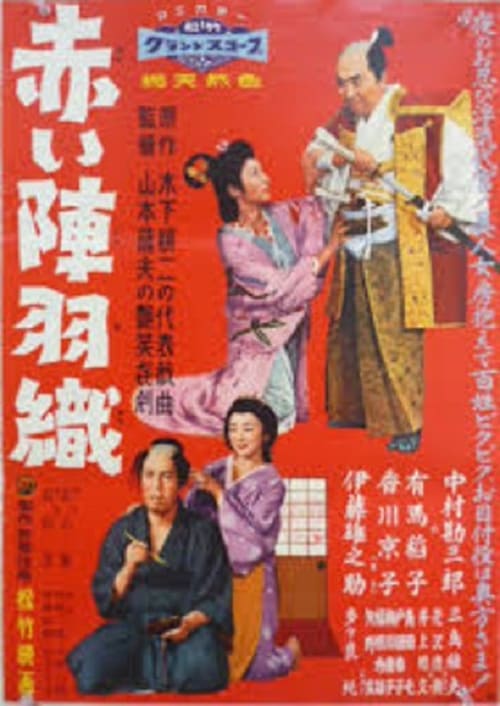
The humorous tale of Jimbei, a miller, and his wife Osen who live in complete happiness. But Osen's beauty attracts numerous would-be lovers among whom is the local governor, a timid creature, who is dominated by his high-born and beautiful wife, who dresses in a scarlet battle-tunic, a sign of his family's military merit around which he fabricates fantastic tales of his prowess in war. During the traditional festival when the villagers are released from observance of all social customs and restrictions, it is permissible for any man to attempt win the favors of the one he loves. However, the timid but romantic governor goes to the length of having the miller arrested to clear the way for his seduction of Osen. But Osen fights off his advances with an old hunting gun and dashes out of the mill. Jimbei, meanwhile, has escaped from jail and dashes home to finds the governor in his bed. Convinced that his wife has been violated, he decides to take an eye for an eye.
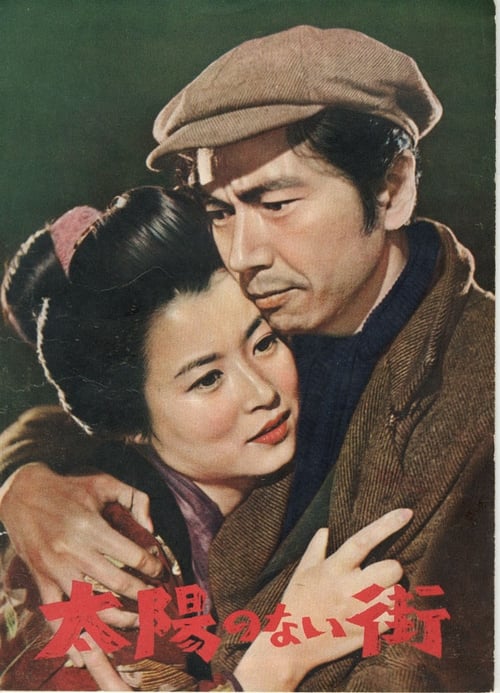
Based on the novel by proletarian writer Sunao Tokunaga. The story is about a long strike by workers at a large printing house and the strikers' steadfastness, which neither hunger nor violence could break. The heroine of this story actively participates in her colleagues' struggle against layoffs, oppression, and police brutality.
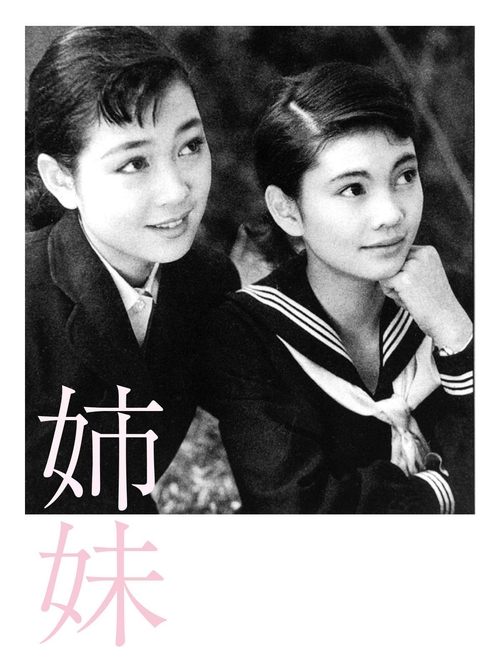
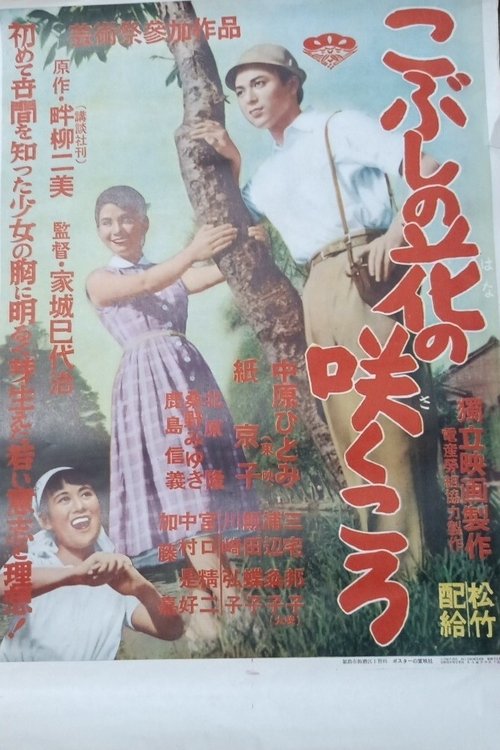
Keiko and Toshiko are sisters who leave their mountain home, where their parents live in a hydroelectric plant company house to study in the city. They stay with their kind-hearted aunt and her jovial but heavy-drinking carpenter husband. Keiko, the 17-year-old eldest of five siblings, is gentle and responsible, while 14-year-old Toshiko is lively and childlike, affectionately called "Konchi."
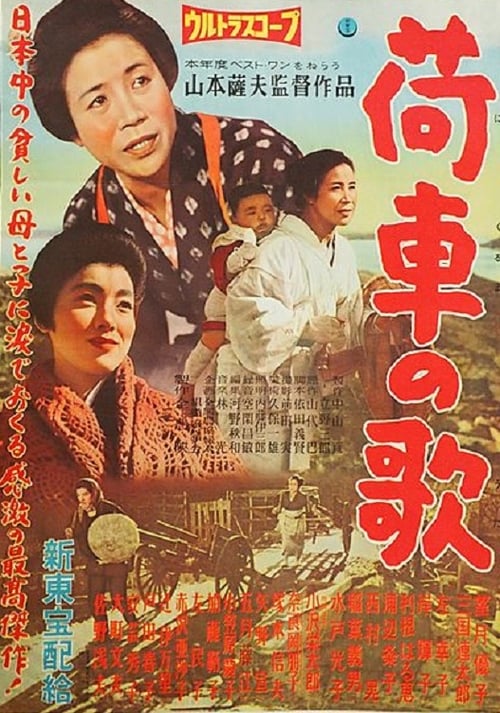
A lifetime story of a woman who stubbornly lives in a poor mountain village in post-war Japan.
Japanese drama