Donagh Coleman
Directing
Known For
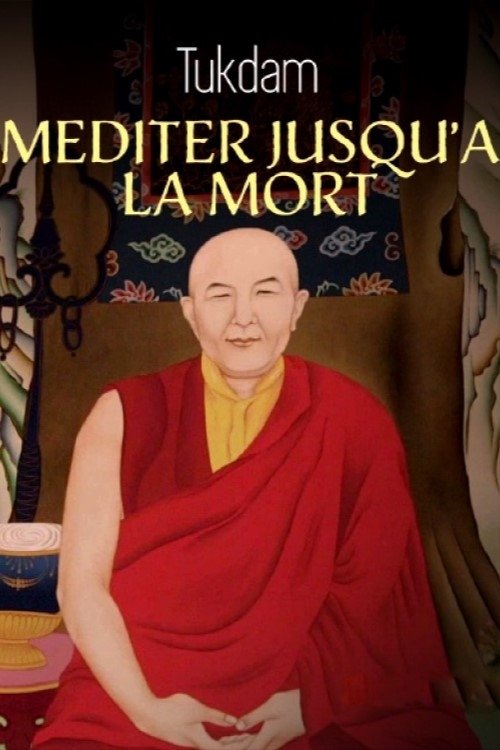
Irish director Donagh Coleman explores the extraordinary phenomenon of Tukdam, whereby some Tibetan Buddhist practitioners are able to forestall physical decay at the point of clinical death for days, even weeks, by entering a deep meditative state. Supported by His Holiness the Dalai Lama a group of leading scientists conduct groundbreaking research into the phenomenon, which challenges Western medical understanding of the line between life and death.
Tukdam: The Point Of Death
Most of us think of death as something clear-cut, and that medical science has it neatly figured out. This feature documentary explodes such assumptions through its exploration of a phenomenon that blurs life and death to an unprecedented degree. In what Tibetan Buddhists call tukdam, advanced meditators die in a consciously controlled manner. Though dead according to our biomedical standards, they often stay sitting upright in meditation; remarkably, their bodies remain fresh and lifelike, without signs of decay for days, sometimes weeks after clinical death. Following ground-breaking scientific research into tukdam and taking us into intimate death stories of Tibetan meditators, the film juxtaposes scientific and Tibetan perspectives as it tries to unravel the mystery of tukdam.
Tukdam – Between Worlds
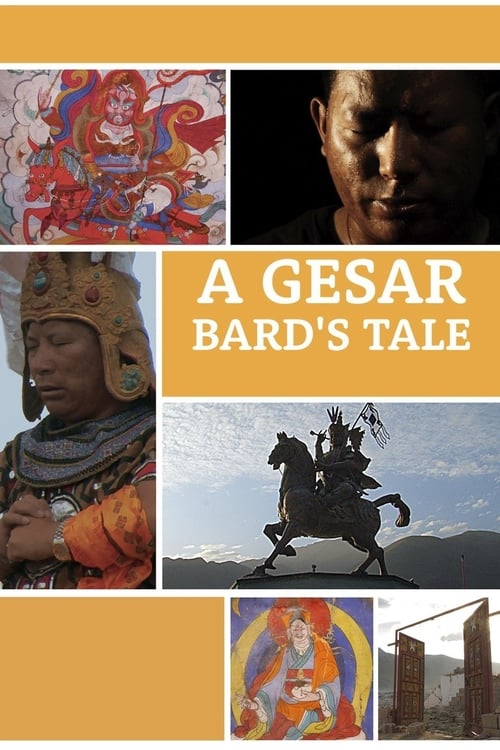
As a boy, Dawa was an illiterate Tibetan nomad whose life revolved around herding yaks. At 13, his life changed: through a series of visions, Dawa acquired the gift of telling the epic story of Tibet’s King Gesar. Now, at 35, Dawa receives a salary from the government as a guardian of national cultural heritage and is regarded as a holy man by his community. When an earthquake reduces his hometown to rubble, redevelopment of the region takes a giant leap forward. In the midst of such seismic shifts, Dawa seeks healing from King Gesar and other divine protectors of the land.
A Gesar Bard's Tale

Stone Pastures tells the story of a nomadic family living on the Himalayan plateau of Chantang, Ladakh. In this cold high-altitude desert, the most inhospitable of environments, father Sonam, mother Phuntsok, old uncle Tsewang, and the boys Padma and Kunsang struggle rearing pashmina goats. This struggle contains a paradox: Ladakh’s gritty, rocky conditions give rise to the finest of materials, pashmina wool. Produced by the nomads’ goats as a warm undercoat, this is the raw material for luxurious Kashmiri shawls, and the family’s only source of income.