Writing
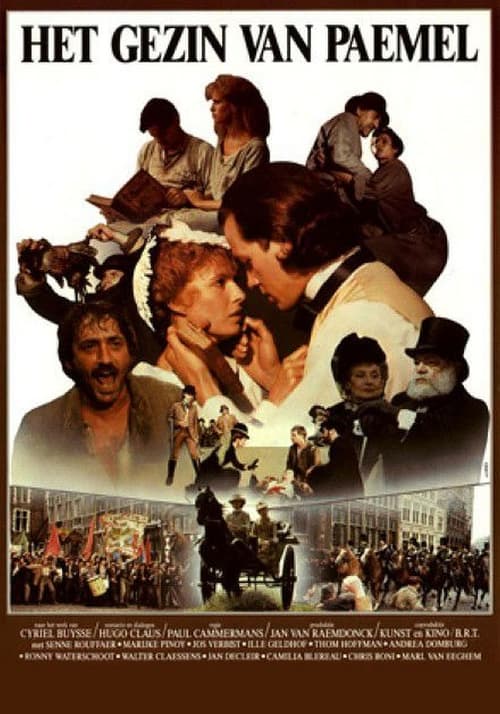
The family patriarch Van Paemel is a farmer on baron de Wilde's estate. His mild-mannered son Désire is accidentally shot during a hunting party on the estate and remains an invalid. Eduard, the eldest son, is a member of the socialist workers' movement and involved in strike actions in the city. Against her father's wishes, his daughter Cordule starts an affair with the poacher Masco. His youngest daughter, Romanie, is forced to work as a domestic servant at the castle, where she is seduced by Maurice, the baron's son and heir, and becomes pregnant. When the youngest son Kamiel also has to leave the farm because he is drafted into the army, the lack of workers on Van Paemel's farm becomes critical. As a result, the family is evicted from their home because they cannot pay the rent. Three of the children emigrate to the USA, one becomes a nun and one dies, until only the farmer and his wife remain.
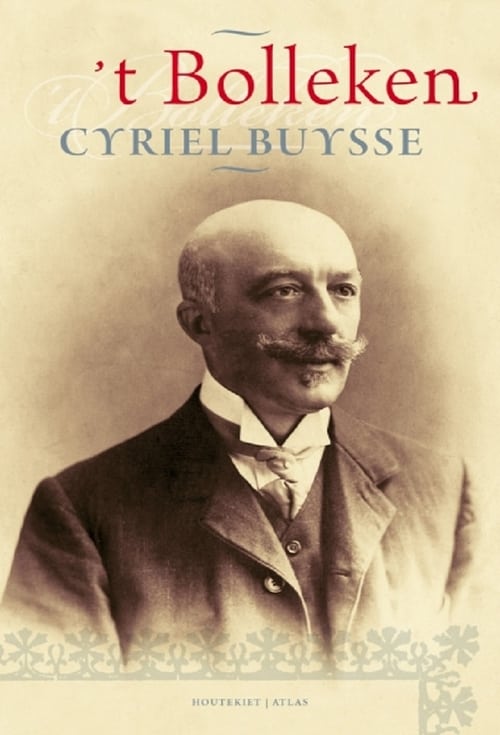
Mr. VitĂ l is the sole heir and initially very energetic nephew of an elderly rentier, Uncle Ken, who succumbs to years of excessive enjoyment of the finer things in life, especially too much gin and too much of his young maid Flavie. As the village doctor succinctly sums it up: 'L'Alcool et Flavie' broke Uncle Ken. The title refers to the esophageal ulcer, a result of alcohol abuse, which feels like a ball burning the throat. Although Mr. VitĂ l is well aware of the causes of his uncle's demise, he eventually goes down the same path.
A Flemish bourgeois family in 1920 is dominated by three wealthy aunts who constantly threaten to disinherit them. When their daughter Eggers falls in love with the gentleman farmer Flack, a bon vivant, the aunts want to quell this passion by any means necessary.
Cyriel Buysse depicts the downfall of a small East Flanders farmer and his household, at the turn of the century, in a time commonly called la belle époque, which was only nice for the ruling upper crust of chateau lords and their friends.
Leontientje, the Parisian niece of an East Flemish farming family, comes to stay. Aunt Zeunia is dying and has asked for her. Her visit completely disrupts life on the farm. The men fight for her attention, and the city girl is delighted by every bit of nature: 'Comme c'est beau!'. Her Parisian manners—two kisses for everyone—drive the farmer's wife up the wall: "All that fuss!" But the youngest farmer starts dreaming...