Acting
Fitil is a popular Soviet/Russian television satirical/comedy short film series which ran for about 500 episodes. Some of the episodes were aimed at children, and were called Фитилёк, Fitilyok, Little Fuse. Each issue contained from the few short segments: documentary, fictional and animated ones. Directed by various artists, including Leonid Gaidai who presented his famous trio of Nikulin, Vitsin and Morgunov into the cast. It was called in USSR as "the anecdotes from the Soviet government".
Living together in a workers' dorm, Katerina and her friends are determined to make it in Moscow. But when a boorish cameraman forces himself on her, Katerina finds herself pregnant and alone as her friends move on. Twenty years later, Katerina is a factory director, outpacing her old roommates career-wise, yet still alone but for her daughter. Love seems possible again when she meets a genial mechanic.
The Battle of Moscow is a 1985 Soviet multi-part war narrative, presenting a dramatized account of the 1941 Battle of Moscow and the events preceding it. The battle was the first major defeat of German Wehrmacht in the Second World War.
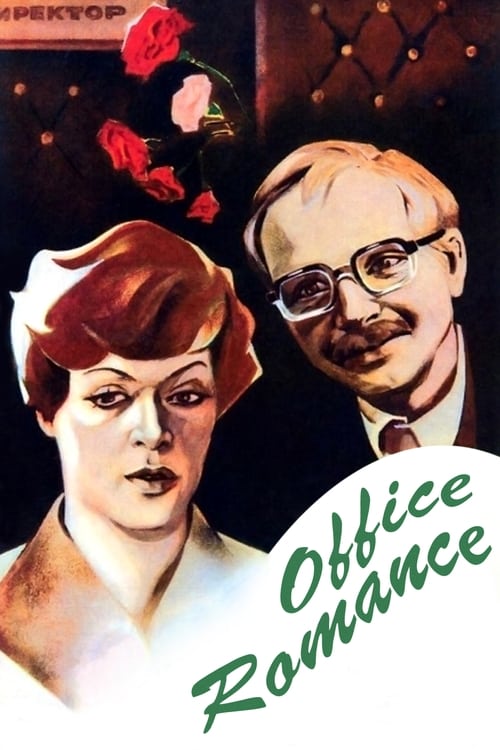
Anatoly Novoseltsev is a mousy single father and office stumblebum working at a statistics bureau in Moscow. In the hopes of being promoted, he is coaxed into charming his disagreeable and seemingly unfeeling boss, Ludmila Kalugina, or "Meany" as she's otherwise known by her subordinates. Helped by his colleagues Olya and Yura, Anatoly attempts to ease the yoke of Ms. Kalugina, and what follows in the wake of his graceless manoeuvres is completely unforeseen, as he awakens a side to her not yet known, even to herself..
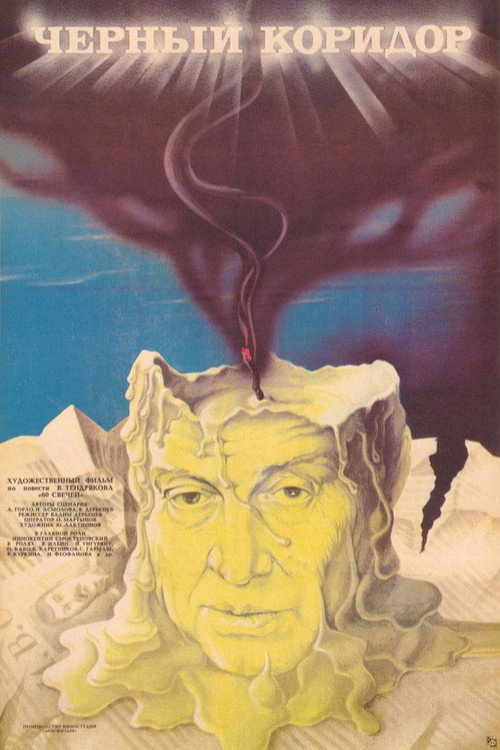
History teacher Nikolay Echevin on his sixtieth birthday receives an anonymous letter in which he is called the "center of public infection" and threatened with murder.
Based on the novel of the same name by Mikhail Sholokhov, about the fate of people broken by the First World War, the October Revolution of 1917 and the Civil War in Russia (1917-1922), about the collapse of the foundations and ideals of the Don Cossacks of Russia at the beginning of the XX century, about the personal tragedy of the protagonist — Grigoriy Melekhov.
An experienced intelligence officer arrives in the USSR as a tourist. The staff of the State Security Committee manages to find out the real reason for Miss Luster's visit, to reveal all her numerous connections with agents of foreign intelligence, to expose and eliminate the criminals.
No description available.
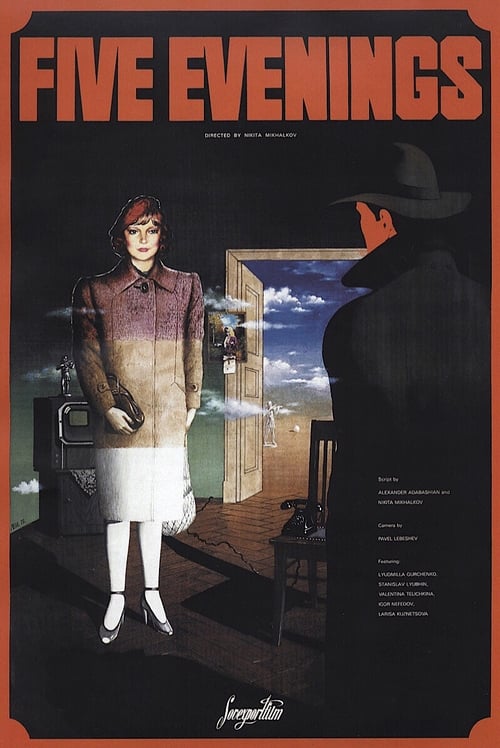
The end of the 1950s. Aleksandr Petrovich Ilyin travels to the city where he lived before the war. Visiting the telephone operator Zoya, he sees a familiar house through the window and decides to go there for only fifteen minutes. So Aleksandr gets into a communal apartment, where the love of his youth Tamara Vasilyevna lives. They met twenty years ago and fell in love, but the war separated them. Now Ilyin and Tamara Vasilyevna met again, and love broke out with renewed vigor...
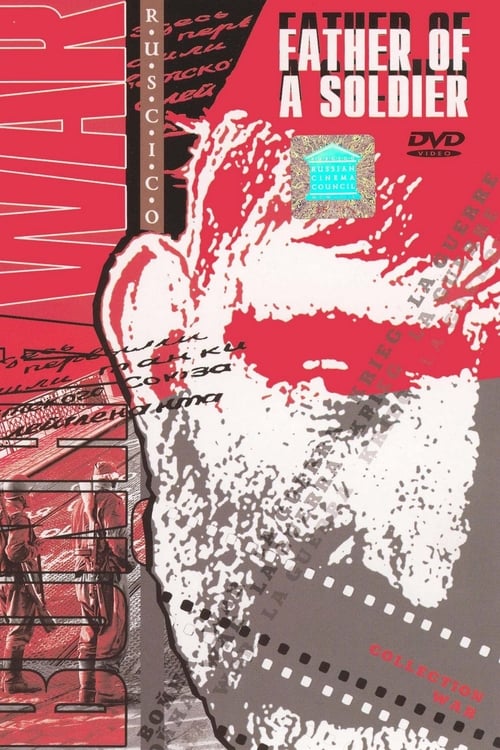
When peasant Georgy Makharashvili hears that his soldier son is lying wounded in a hospital, he sets out to visit him. However, unknown to him, his son has been sent back to the front. Reluctant to return home and in a vain attempt to locate his boy, Georgy joins the Red Army in it's unrelenting push to the west.
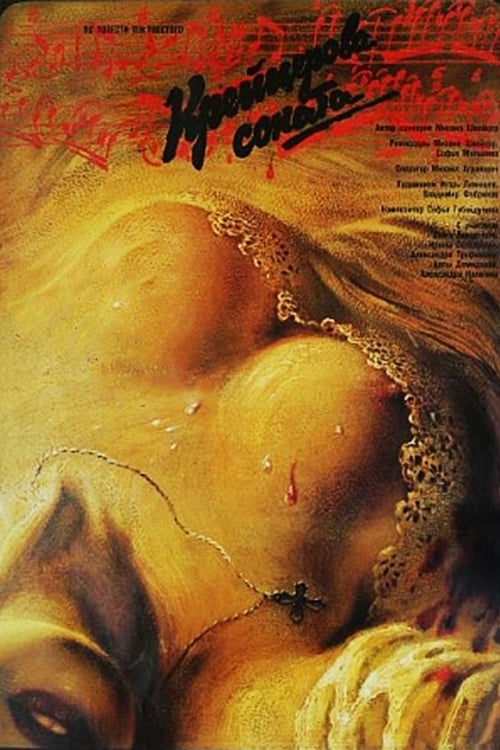
A revelatory discussion on a train. Based on Leo Tolstoy's novel of the same name.
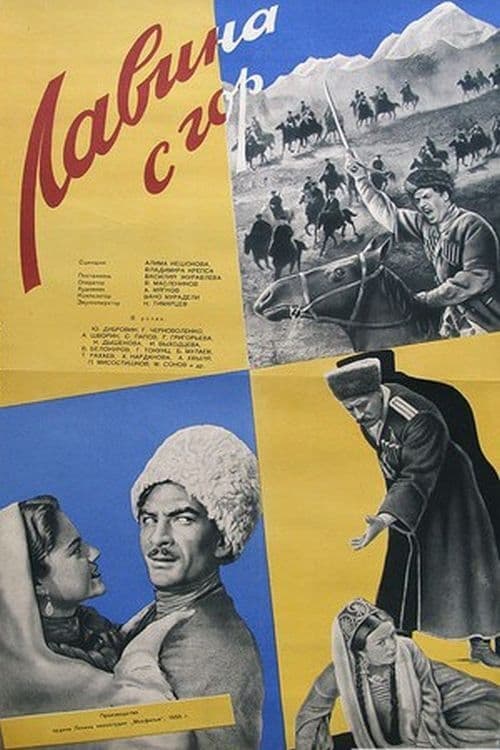
Spring of 1917. Soldiers of the former Wild Division are returning to their villages. Anzor, a footman of Prince Naurbek, commander of the Kabarda regiment, finds poverty and ruin at home - his mother and many other villagers have fallen into bondage debts to Princess Zhansurat. Anzor goes to the prince and asks him to return his land - after all, he shielded Naurbek from enemy bullets in battle. Having received a handful of millet, Anzor returns to his place. Subsequent meetings with the Bolsheviks Kantemir and Mashuko, and then with Kirov himself, convince Anzor of the necessity to fight against the princes.
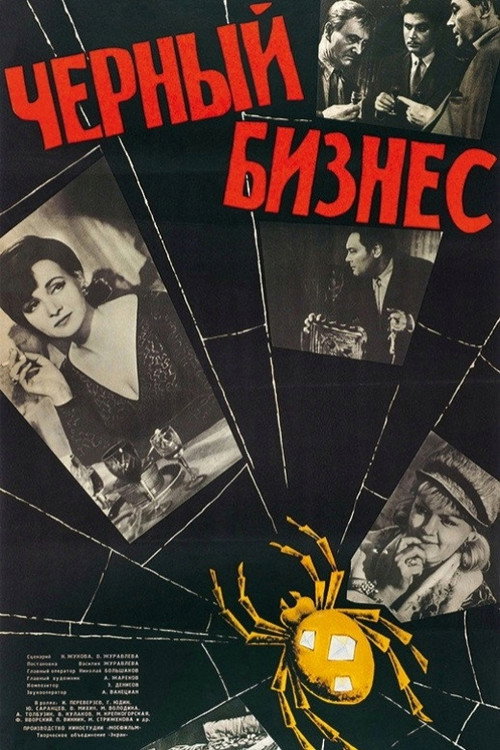
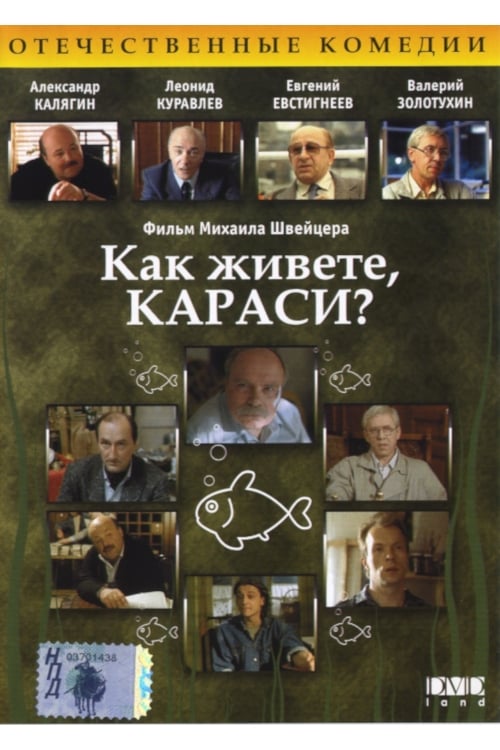
A retired KGB colonel, having collected at his country house a file cabinet of people who had cooperated with the Committee in previous years, calls them back to his house and makes them perform certain tasks. But even on it there are bigger sharks - representatives of the mafia, who have guessed how much money they can now get from the former "peasants". However, one of them, dreaming to finish with the archive, will somewhat disrupt the plans of the above-mentioned characters.
There were three sisters — Vera, Nadezhda and Lyubov. Vera, having survived unhappy love, goes to the monastery, where she gives birth to a child. The child dies, Vera commits suicide. Lyuba and grandmother attend church and maintain relations with priest Aleksandr. To Nadezhda that condemns their religiosity, it seems that Lyuba is in love with father Aleksandr. She comes home to him and demands that he stop dating Lyuba. However, it turns out that Aleksandr is in love with Nadezhda. Knowing him better, she reciprocates him, facing a difficult choice, Aleksandr breaks with religion.
The orphanage's pupils are sent by the district Komsomol committee to eliminate illiteracy in the remote village of Penki.
A little girl's longing for her father, a military pilot who died in the line of duty, becomes unbearable. But then Major Lukyanov, who resembles Tanya's father, appears in the house. Having found a friend, the girl dreams of getting her father back. But anxiety settles in her childish soul once again. After all, he is also a pilot.
Young engineer Pavel Kaurov goes to his first destination — to the port city of Sibirsk. He is appointed to lead a group of cranes: gantry and floating. After several troubles Pavel mastered the port work and received a serious assignment. Meanwhile, his fiancee Nina, an architect by profession, is arriving in Siberia. However, besides Pavel, fellow students came to the station to meet her — Petunin's brother and sister, in whose house she is staying. Soon Annushka, who has long loved Pavel, arrives. From that day on, he had trouble after trouble. After a crane accident, which happened through his fault, the hero pulls himself together and does everything to regain the confidence of the brigade...
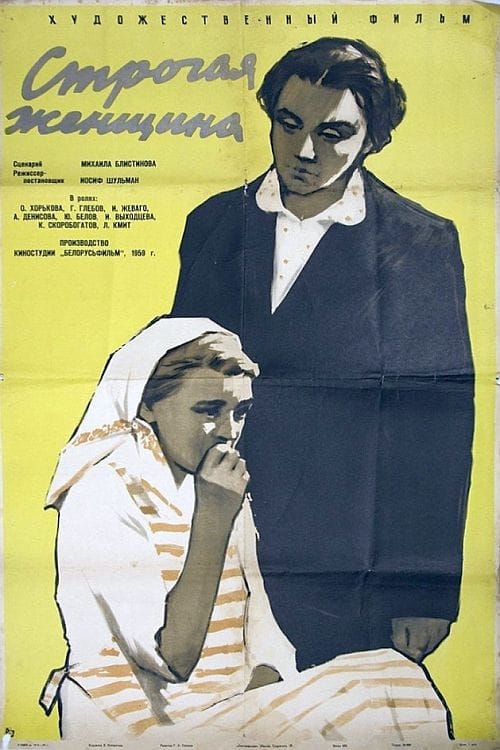
Khrystyna Zhalyuk, the chairman of the village council, has had many difficulties from the very first days of her work. The first session of the village council is disrupted due to the fault of the collective farm chairman Spyridon Zhilinka, who pretended to be sick and did not show up at the meeting. Khristina's daughter Yulka is accused of calf death and suspended from work. Makar Shulga, the former chairman of the village council, who has now settled in the district center, is weaving intrigues against Khristina. Zhalyuk discovers that Zhilinka and Shulga were engaged in eyewash, overestimating the yields of some crops.
The story follows Maria Konovalova who travels from her rural village to visit her daughter Nina in the city. Maria's arrival exposes the stark contrasts between rural and urban lifestyles and reveals deep-seated family tensions. Interestingly, Родня (Rodnya) in Russian sounds very similar to the word Родина (Rodina), which means "Motherland." The film features three generations of women — Maria, her daughter Nina, and her granddaughter Irina — symbolizing three different Russias: one from the past, one modern, and one representing the future.
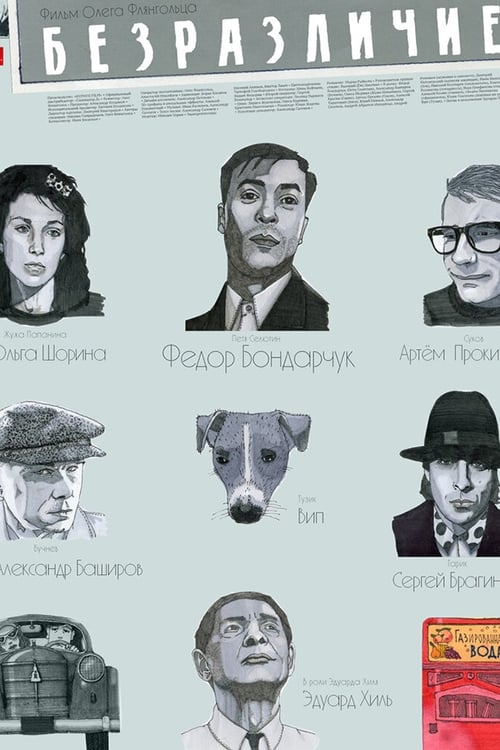
Petya plays the dulcimer and loves his Muscovite with a Zaporozhets engine. Zhuzha loves twist and movies with Gerard Philip. The third one doesn't like to talk about himself. And it's better for others to keep quiet in his presence... The story unfolds in the 60s around a few days of the life of a young man named Petya, who fell in love with an older and more experienced girl who is unable to sort out her feelings.