Directing
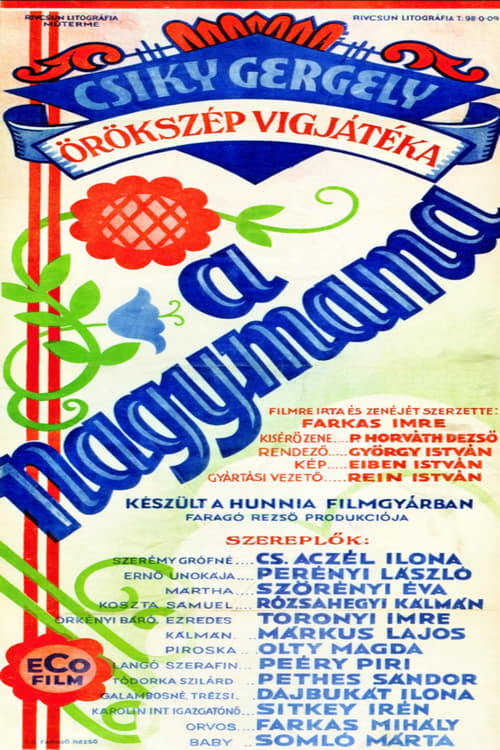
Ernő, under a pseudonym, takes up a position as a music teacher at a girls' school under the patronage of his grandmother, Countess Szerémy, to meet one of the pretty students, Martha, who later turns out to be the child of her grandmother's disowned son. The Countess agrees to the young couple's marriage, but Márta falls in love with Colonel Örkényi's nephew Kálmán. In the meantime, Ernő's feelings change, and he meets Kálmán's sister Piroska, whom he would prefer to marry. The Colonel, whose planned marriage to Countess Serémy was prevented by her mother when he was young, refuses to hear of it.
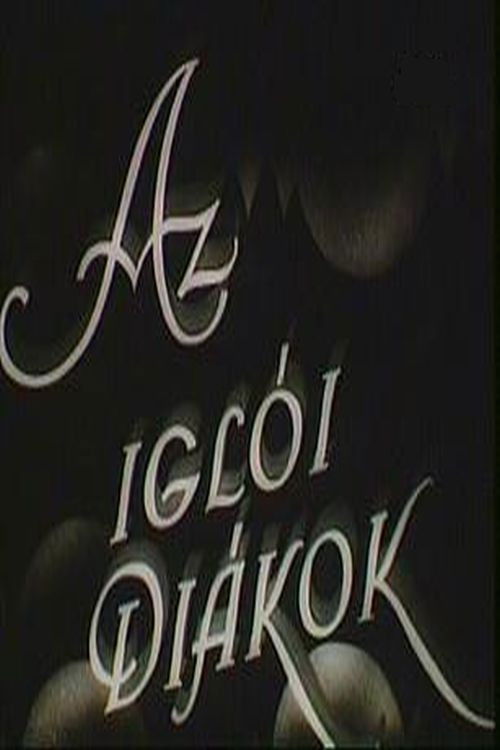
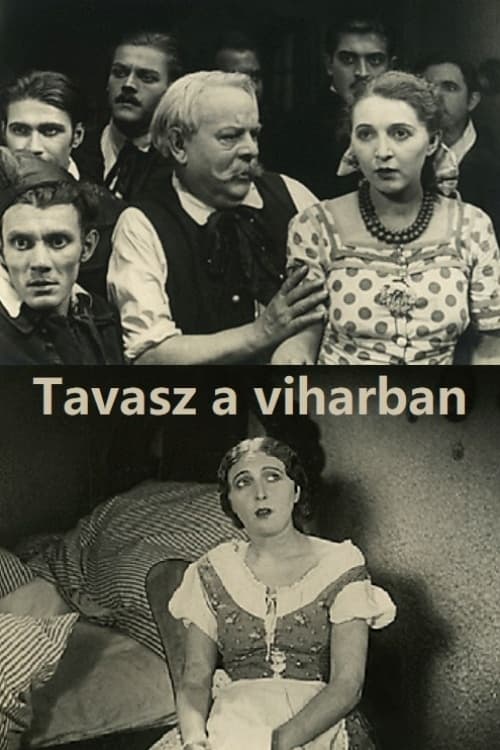
Almost all the students of the secondary school at Igló are in love with Évike, daughter of professor Tirtsák. Petky Pali, the wild, rollicking son to the mayor is dreaming about her, too. One of his competitors, Szidor Ákos, denounces him to their teachers. The mayor is also informed about his son's doings, and his personal experiences substantiate the rumours. Yet he was not the better of it in his learning years at Igló! Pali is sacked, and Szidor is reprimanded for his intriguing. The world war breaks out. Pali, as well as his fellow students, goes to the front. Évi continues to wait for him faithfully, and the returning Pali, now an officer, asks her to marry him at the party for the one-time students of Igló.
The director discusses film subjects with three screen-play writers. The three episodes are formed from readers' letters.
Hands is a visually experimental short film that uses close-ups and expressive movements of human hands to explore themes of biology, sociology, and aesthetics. Through striking imagery, it highlights how hands serve as tools of survival, communication, labor, creation, and even danger. The film juxtaposes tender gestures with more unsettling or surreal images, creating moments of intensity that feel almost shocking. As the narrative unfolds, the sequences become less structured—shifting from bold, provocative scenes to looser, more meandering imagery. While the first half is arresting in its visual power and metaphorical depth, the momentum fades toward the end, leaving the conclusion less impactful than the earlier sequences.—A/V Geeks
No description available.
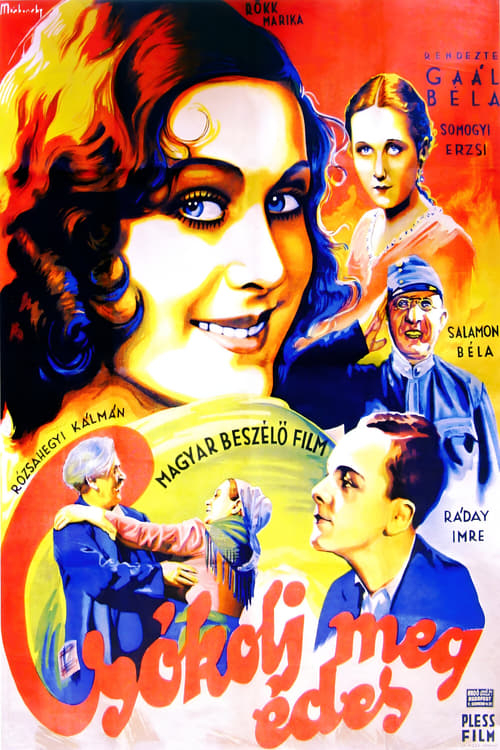
Empress Elizabeth of the Austro-Hungarian empire in the 2nd half of the 19th century is fondly remembered for unraveling the troubles of distressed lovers. There are serenades, gypsy music, army uniforms, and moonlight.