Acting
Crown Court is an afternoon television courtroom drama produced by Granada Television for the ITV network that ran from 1972, when the Crown Court system replaced Assize courts and Quarter sessions in the legal system of England and Wales, to 1984.
Theatre 625 is a British television drama anthology series, produced by the BBC and transmitted on BBC2 from 1964 to 1968. It was one of the first regular programmes in the line-up of the channel, and the title referred to its production and transmission being in the higher-definition 625-line format, which only BBC2 used at the time.
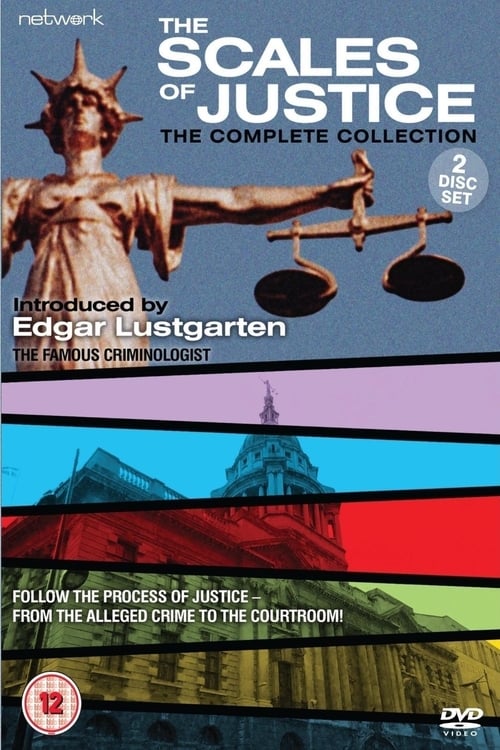
The Scales of Justice is a series of thirteen British cinema featurettes produced from 1962 to 1967 for Anglo-Amalgamated at Merton Park Studios in London. The first nine were made in black and white, and the last four in colour. The finale, Payment in Kind, was Merton Park's final production. Episodes were based on criminal cases, and each film was introduced by criminologist Edgar Lustgarten. The series derives its title from the symbolic scales held by the statue of Justice, situated above the dome of London's Central Criminal Court, The Old Bailey. The opening narration describes her as having "in her right hand, the Sword of Power and Retribution, and in her left – The Scales of Justice".
Churchill's People is a British anthology series based on A History of the English-Speaking Peoples, Winston Churchill's four-volume history of Britain and its former colonies. 26 episodes were produced by the BBC and initially broadcast from 30 December 1974 to 23 June 1975.
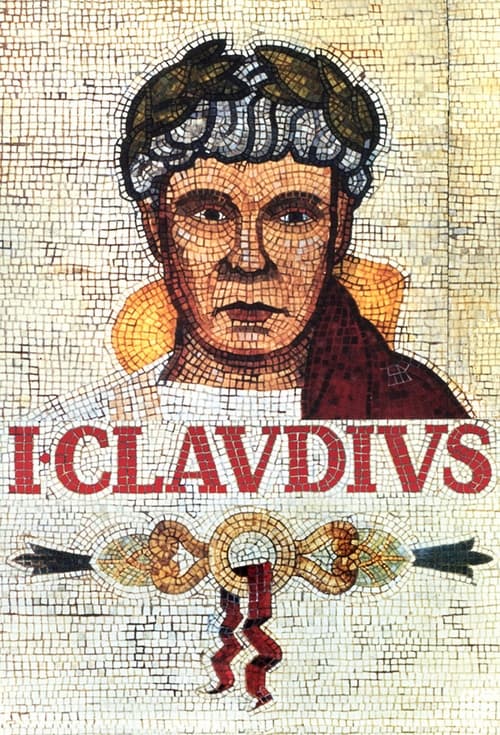
Acclaimed blackly comic historical drama series. Set amidst a web of power, corruption and lies, it chronicles the reigns of the Roman emperors - Augustus, Tiberius, Caligula and finally Claudius.
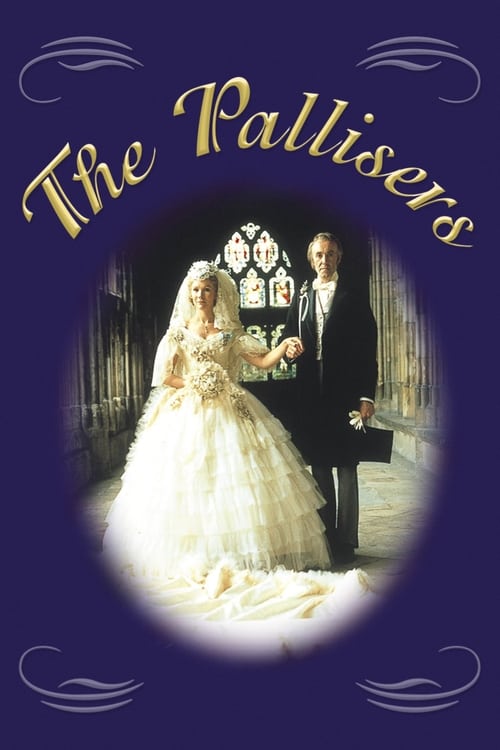
This sprawling BBC saga follows an aristocratic family through three generations of power, wealth, intrigue, and scandal in Victorian England. Based on Anthony Trollope’s “political” novels .
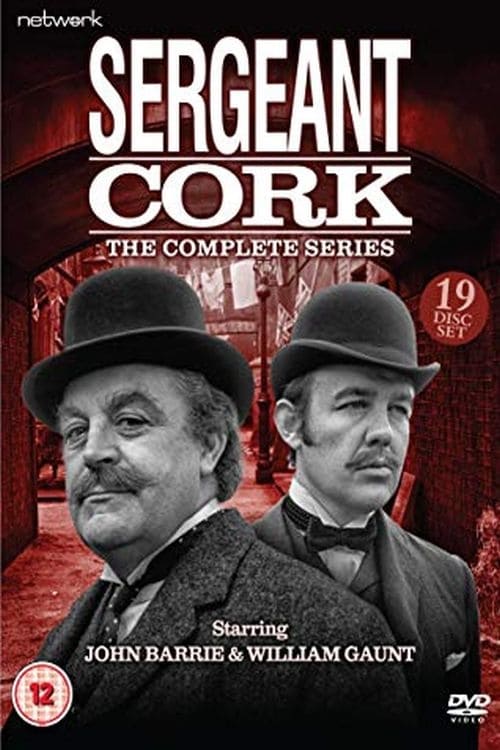
Sergeant Cork is a British detective television series which first aired between 1963 and 1968 on ITV. It was a police procedural show that followed the efforts of two police officers and their battle against crime in Victorian London. In all 66 hour-long episodes were aired during the five-year run, although the last episode was not broadcast until January 1968, 16 months after the others. Journalist Tom Sutcliffe has credited it as a first example of the use of the Victorian-era policeman in a television crime series. A 1969 review in The Age opined that rather than suspense, the strengths of the series were its "excellent period settings and wonderfully thick pea-soupers" which "add up to splendid evocative stuff", as well as the performance of star John Barrie. At no time during the whole series is Sergeant Cork's first name given.
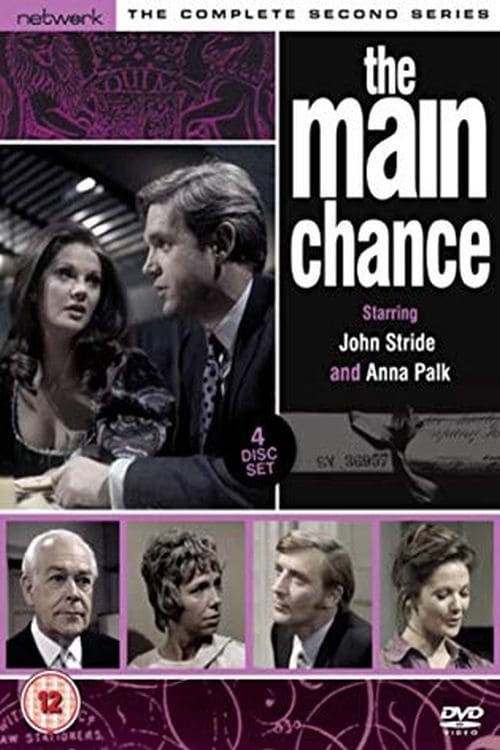
The Main Chance was a British television series which first aired on ITV between 1969,1970,1972 and 1975. A drama, it depicts the sudden transformation in the life of solicitor David Main who relocates from London to Leeds.
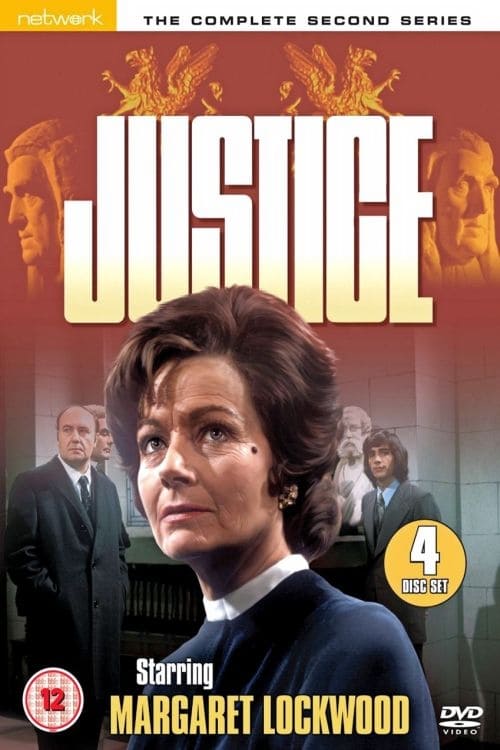
Justice is a British drama television series which originally aired on ITV in 39 hour-long episodes between 8 August 1971 and 16 October 1974. Margaret Lockwood stars as Harriet Peterson a female barrister in the North of England. It was made by Yorkshire Television and was based loosely on Justice Is a Woman, an episode of ITV Playhouse broadcast in 1969 in which Lockwood had previously also played a barrister. The theme music was Crown Imperial by William Walton.
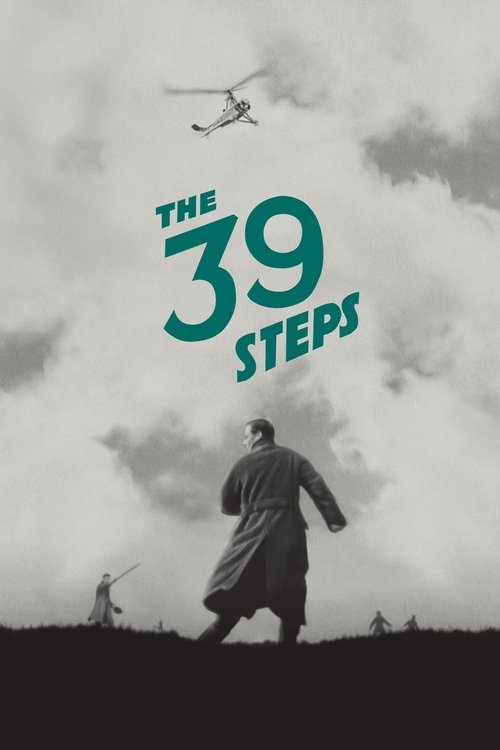
Richard Hanney has a rude awakening when a glamorous female spy falls into his bed - with a knife in her back. Having a bit of trouble explaining it all to Scotland Yard, he heads for the hills of Scotland to try to clear his name by locating the spy ring known as The 39 Steps.
Anthology series of love stories.
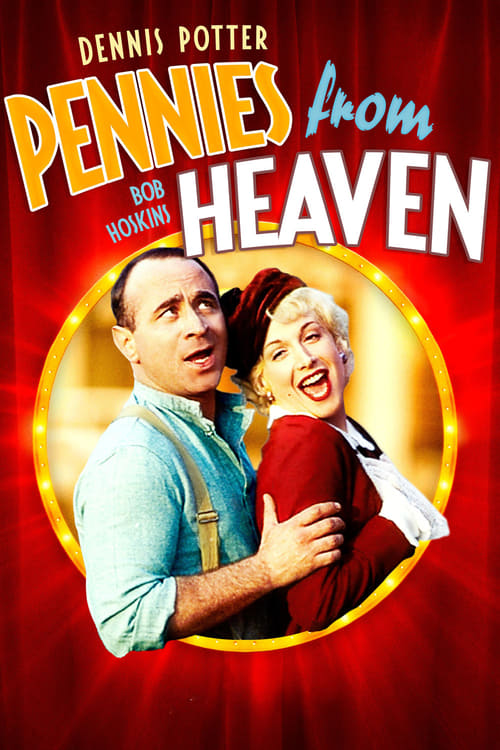
Pennies From Heaven is a 1978 BBC television drama serial written by Dennis Potter. The title is taken from a song of the same name written by Johnny Burke and Arthur Johnston. It was one of several Potter serials to mix the reality of the drama with a dark fantasy content, and the earliest of his works where the characters burst into miming to popular 1930s songs. During the Great Depression, a sheet music salesman seeks to escape his dreary life through popular music and a love affair with an innocent schoolteacher.
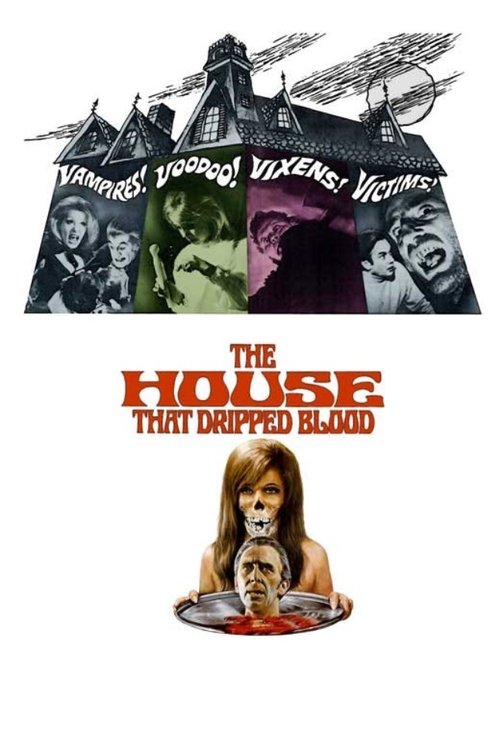
A Scotland Yard investigator looks into four mysterious cases involving an unoccupied house.
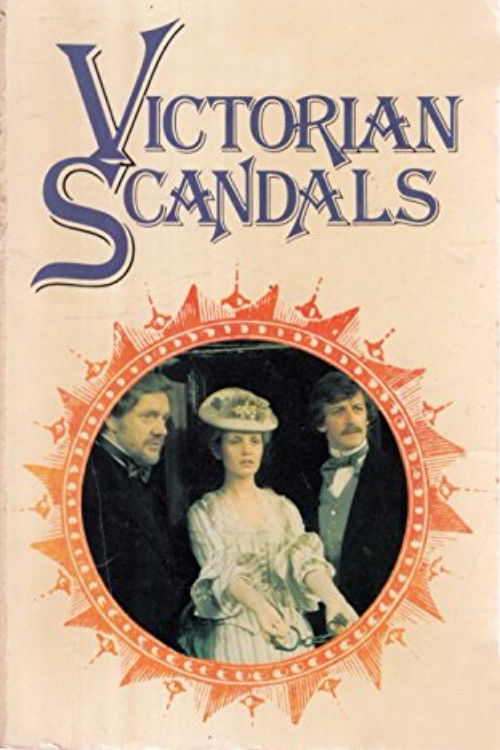
Featuring dramatised versions of true stories that shocked mainstream Victorian society.
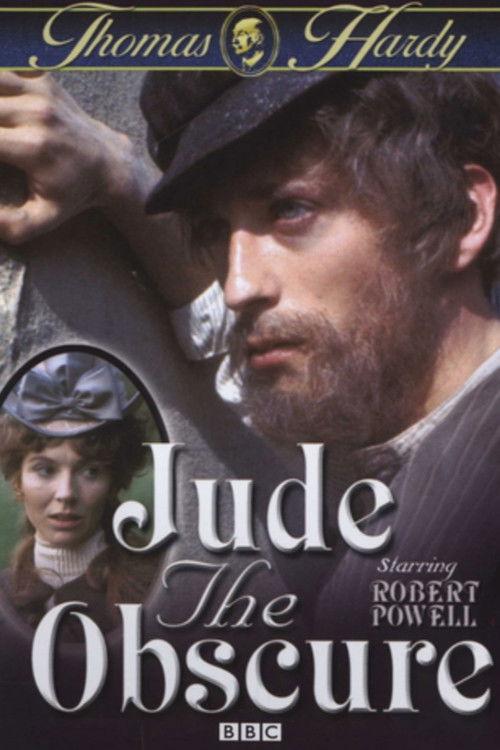
Jude the Obscure is a British television serial directed by Hugh David and dramatised by Harry Green, based on Thomas Hardy's 1895 novel of the same name. Born into poverty, young Jude Fawley refuses to accept his lot in life. As his dreams are shattered one by one, his life gradually descends into tragedy.
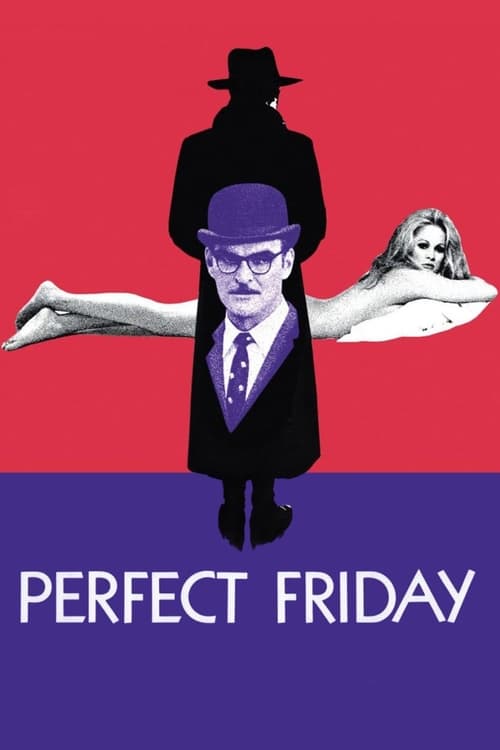
The deputy manager of a London bank has worked out a way to rob the branch of £200,000. When he becomes involved with the attractive Lady Dorset he decides to go ahead with his plan. He needs her help and that of her philandering spendthrift husband. It all comes down to a matter of trust.
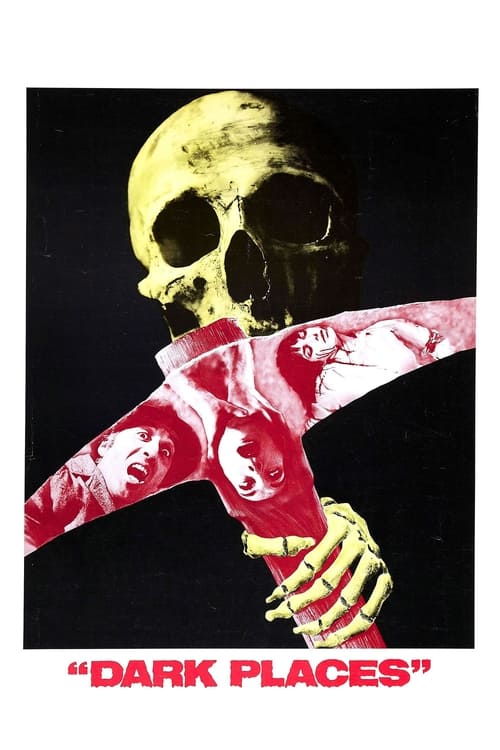
The heir of a mysterious estate must unveil its secrets and discover its treasures before a scheming doctor and his seductive sister can steal what is rightfully his.
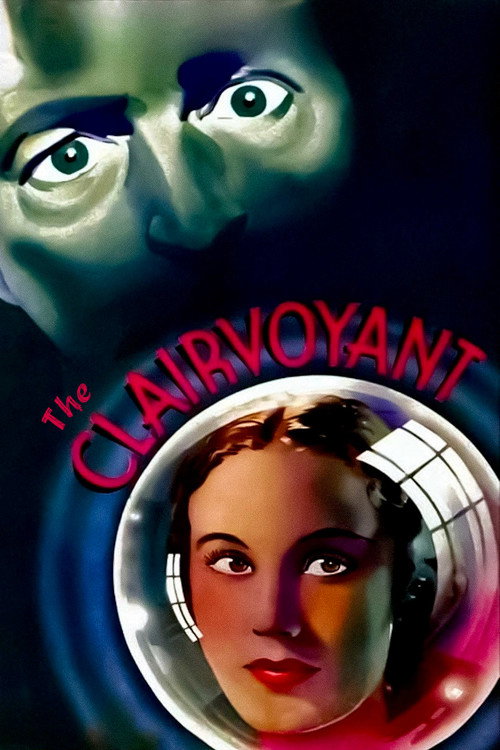
A fake psychic suddenly turns into the real thing when he meets a young beauty. (TCM)
A documentary looking at a day at Croydon Airport south of London.
Dr Saint's offer of a free place in his comfortable old-folks' home appears entirely philanthropic to Miss Claythorpe. However, he is suspiciously vague about the treatment that goes with it.