Directing
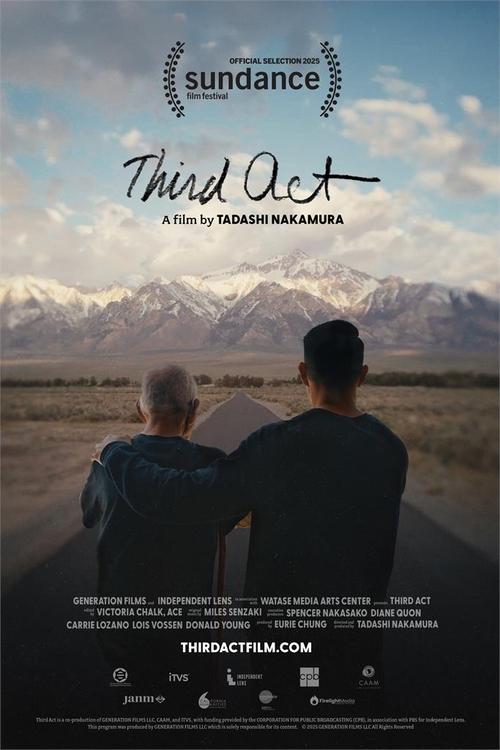
Filmmaker Tadashi explores his father Robert A. Nakamura's life as an influential Asian American artist and activist, while grappling with Robert's Parkinson's diagnosis, navigating themes of art, grief, and their father-son relationship.
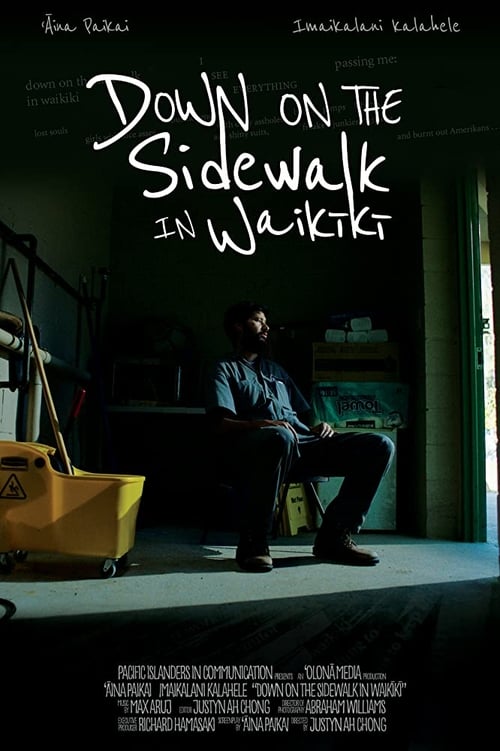
In between growing frustrations toward cleaning up after an endless parade of tourists and reflections on a traumatizing memory, a voice rises from within a soft-spoken Hawaiian janitor down on the sidewalk in Waikiki. This narrative short film is inspired by a collection of poetry published posthumously featuring the work of Kānaka Maoli poet Wayne Kaumualii Westlake (1947-84).
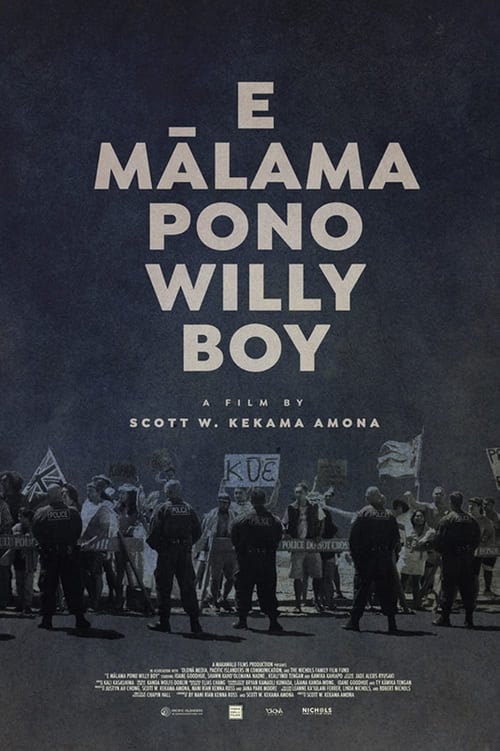
When a Native Hawaiian Police Officer is called in on his day off to evict the protesting Native Hawaiian residents of a homeless settlement deemed “illegal” by the State of Hawaii, he is forced to choose between supporting his family, upholding the law, and doing what is morally right . . . or PONO.
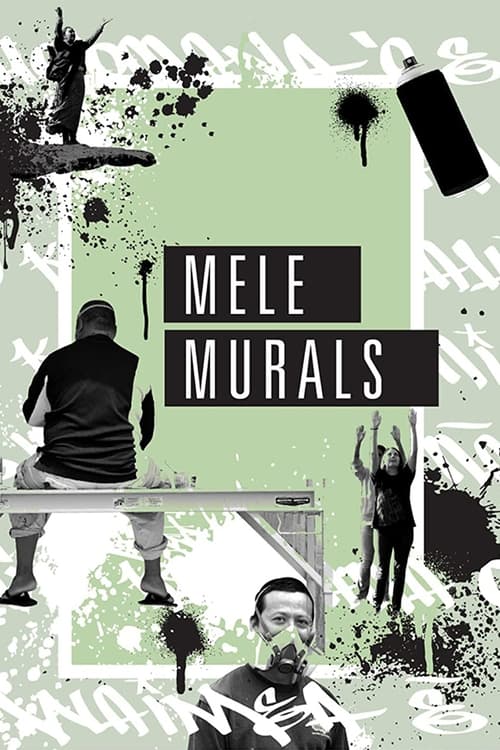
Mele Murals is a documentary on the transformative power of modern graffiti art and ancient Hawaiian culture for a new generation of Native Hawaiians. At the center of the story are two renowned street artists - Estria Miyashiro (aka Estria) and John Hina (aka Prime) - a group of Native Hawaiian youth, and the rural community of Waimea. Set against the resurgence of Hawaiian language and culture of the past twenty years, Estria and Prime tell how their street art has taken them on personal journeys to discover their history, identity and responsibilities as Hawaiian people.
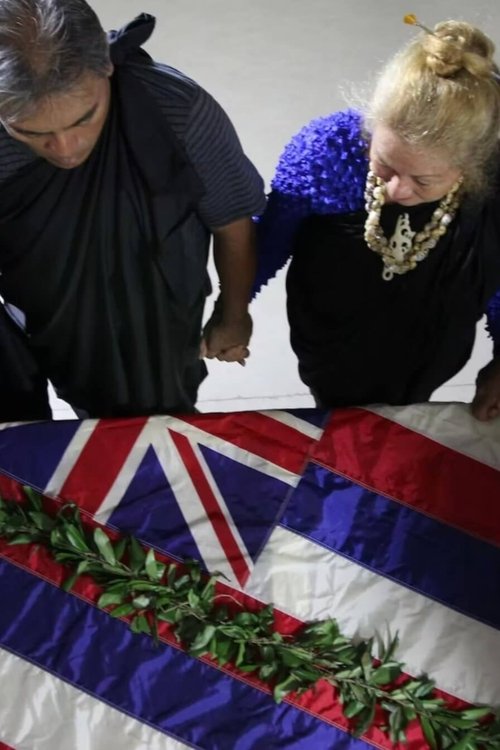
Ka Hoʻina documents members of Hui Mālama I Nā Kūpuna O Hawaiʻi Nei's final repatriation of over 140 sets of iwi kupuna and provides an intimate look into the legacy forged by these committed and passionate few, ensuring that Hawaiians will mālama or care for kupuna for generations to come.
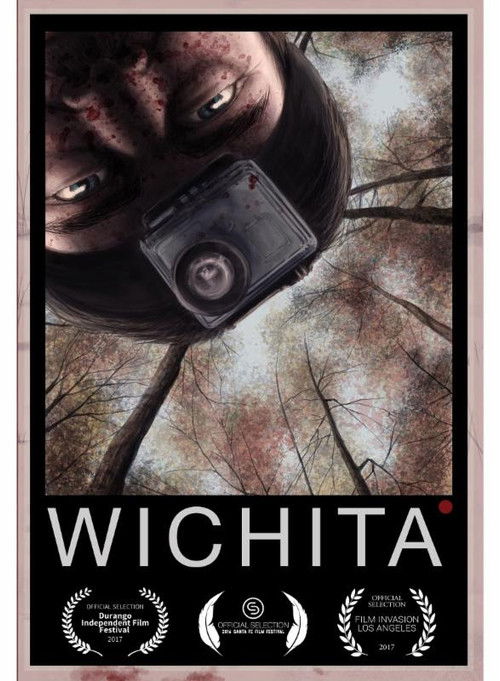
A lonely man's voyeuristic obsession with the private lives of his co-workers spirals into a desperate attempt for attention and a violent spectacle of horror.
The Fukumitsu ‘Ohana (family) of Hakipu’u are Native Hawaiian taro farmers and keepers of this generational practice. While much of O’ahu has become urbanized, Hakipu’u remains a kīpuka (oasis) of traditional knowledge where great chiefs once resided and their bones still remain.
After receiving a kahea (calling) from ancestral lineages on Maui to create kapa for unearthed iwi kūpuna (skeletal remains), cultural practitioner Aʻiaʻi Bello extended the calling to her circle of women in the community. Those that stepped forth were propelled on a transformative journey, and as they learned to transform the wauke plant into sacred kapa, they found themselves changed in the process as well.