Jahar Ganguly
Acting
Biography
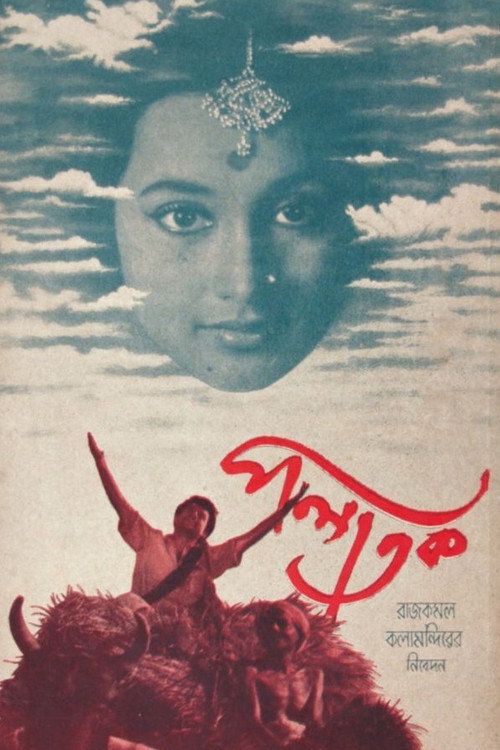
Jahar Ganguly (October 1904 – 1969) was an Indian actor and theater personality. He received the Best Actor award in the 6th Annual Bengal Film Journalists' Association Awards in 1943 for his performance in Bandi. Ganguly was born in undivided 24 Parganas Dist., British India. He worked in several Bengali and Hindi films in the 40s and 50s as a supporting actor in comedy counterparts to the dramatic lead. He got a breakthrough in Dena Paona directed by Premankur Atorthy. Ganguly acted under Satyajit Ray's direction in Parash Pathar and Chiriyakhana.[2] He also performed as a stage actor until 1960.
Known For

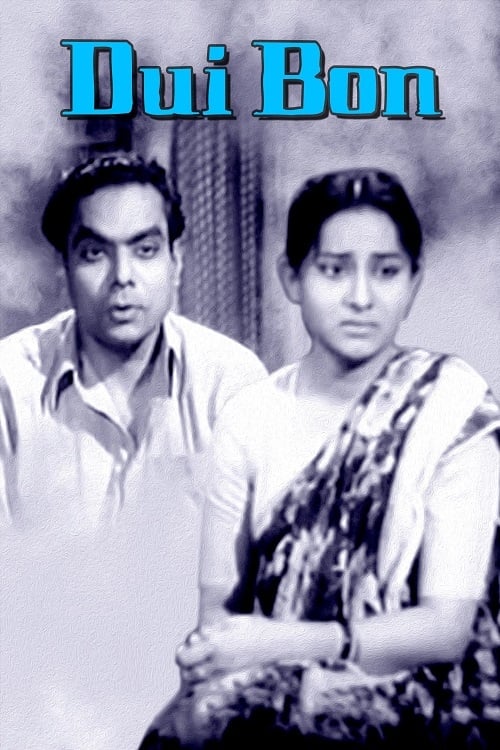
A story of love and sacrifice of a mother who did everything to protect her child ,even from her husband.
Uttar Falguni

A philanderer, the only son of a wealthy doctor, is attracted to a poor orphaned artist. Her stepbrother loathes rich people, and would go to any extent to get money off them. What would happen if the roles reversed?
Jiban Trishna

The film explores the tragic fall of feudalism in Bengal during the British Raj. The title of the movie and the story is a reference to the plot simultaneously exploring a platonic relationship between a beautiful, forlorn wife of an aristocrat and a career-driven clerk.
Saheb Bibi Golam

A middle-aged bank clerk happens on a stone with alchemical properties, allowing him to turn steel into gold.
The Philosopher's Stone

Pradyut Sen is an allopathic doctor who moves to Nabagram to run his practice. However, as the village already has an ayurvedic doctor, Jibon Sen, Pradyut develops a dislike for him.
Arogya Niketan

The story is a simple tale of a great soul Sarbananda based on a simple village. Shambhu is a small boy raised up by his mother and grandfather. Shambhu is extremely mischievous and does things. Everybody in the village knows each other and all share a common feeling of love and concern for each other. But Shambhu belongs to lower caste and so every time he and his family is met with intense insult. Social stigmas like caste discrimination were strongly prevalent in those times. Purna da loves him but also hates his naughty ways. Meanwhile a Brahmin high class family residing in the same village too is plagued by problems of their own. One of the two sons of the family does not like earning a livelihood simply by performing prayers around. He does not learn his scriptures well or anything expected from a Brahmin boy. His family falls in trouble often and is considered the laughing stock for this.
Baksiddha

Manik is mentally and physically abused by the manager of the orphanage he lives in. However, when he runs away to Calcutta, he finds himself in deeper trouble in a far more dangerous world.
Manik

Deciding to start a school for girls named after his wife, a zamindar looks for a married couple to manage the establishment. They apply for and get the job. The two are not actually married; they posed as a couple to obtain the job. After a series of complications and delicate situations, love blooms between the two and they marry.
Manmoyee Girls' School

Kamona is a Bengali drama film directed by Nabendu Sundar. This movie was released on 4 March 1949 under the banner of Kirti Pictures. This is the second film of Bengali actor Uttam Kumar after Drishtidan and his debut as the leading person crediting him as Uttam Chatterjee instead of Arun Kumar Chatterjee.
Kamona

Niren Lahiri directs this social-minded melodrama about the complicated relationship between a traditional Hindu family headed by Madhab Thakur (Choudhury) and their progressive next-door neighbor Mukherjee (Chhabi Biswas). Thakur's daughter, Malati (Sheila Haldar), and Mukherjee's son, Robi (Robin Majumdar), run a school teaching traditional Hindu values which they hope will become a countrywide franchise. Their planned nuptials are impeded when Malati's older sister is forced to marry a Brahmin against her will, resulting in a full-scale revolt in both households. Eventually, the rift is settled, the hero and heroine marry, and a sort of Hindu-laden modernity reigns in the two families.
Garmil

The widower land-lord fixes his wayward step-brother's alliance with priest's daughter. Groom disappears on wedding day, and he is forced to marry her. The brother comes back and when the elder brother dies, tries to dispossess the widow.
Mahashweta

Feeling lonely after his father's death, Chandranath meets and falls in love with a poor widow's daughter during his travels. Later, secrets from her past come to haunt him.
Chandranath

A 1955 Bengali Drama Film directed by Haridas Bhattacharya.
Debatra

Abani, a young man from a poor family, elopes with Sudha after her uncle forces her to marry a sick man. However, a misunderstanding among his family members threatens to destroy their relationship.
Anupama

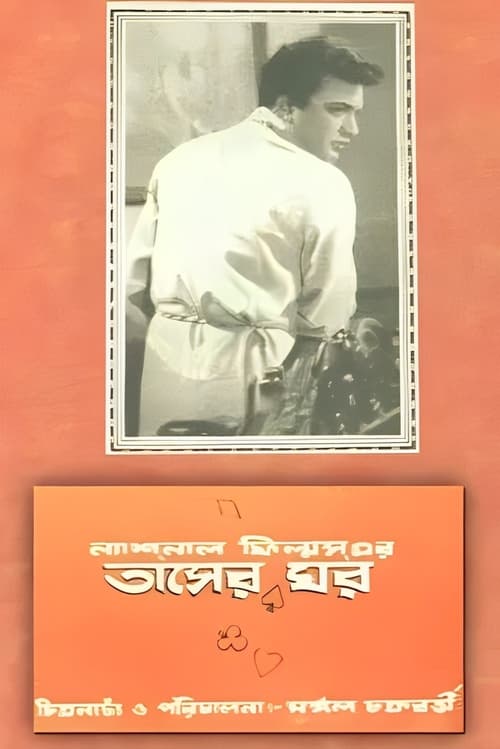
When a wealthy man accidentally stumbles upon his lookalike who is poor, the two of them decide to swap places in a bid to escape from their problems. Things take quite an interesting turn after that.
Tasher Ghawr

A 1958 Bengali Romantic Family Drama Film directed by Chitta Bose.
Bandhu

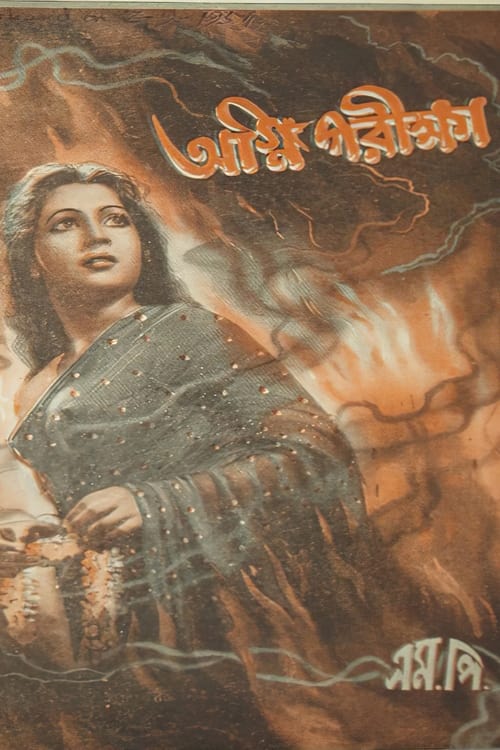
Love story of Tapasi and Kiriti in the backdrop of social and cultural conflict regarding marriages and progressiveness.
Agni Pariksha

A LOST 1958 Bengali Film Directed by Agragami.
Daak Harkara

The story revolves around a group of hardened bachelors who meet regularly, and eventually settle for marriage. Purna is a newcomer to the group of bachelors at Professor Chandra Basu's house. Also attending are three other bachelors Akshay, Bipin, and Shirish. Akshay is ousted from the committee when he gets married. He suggests that all members meet at his place instead. Nirmala, the Professor's daughter also joins the crowd becoming the only female member. Purna is attracted to Nirmala and suggests marriage, which Nirmala refuses. Akshay has three sisters Shailabala a child widow, Nripabala and Nirabala. His mother is busy fixing matches for Nripabala and Nirabala. Finally, the two sisters are matched with Shirish and Bipin, while Nirmala and Purna get together.
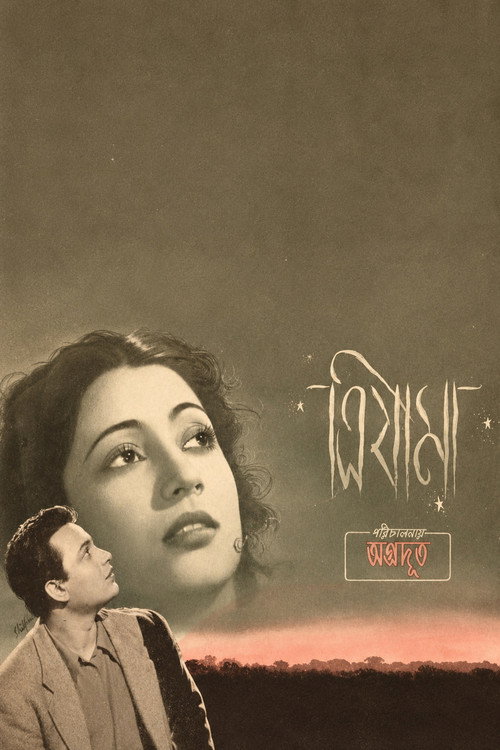
Chirakumar Sabha

The all-time favourite on-screen couple of the Bengali cinema not just created many memorable romantic moments but also shattered many taboos around romance, just like in the 1956 classic ‘Sagarika’. Made by the directorial group Agragami, its story follows a young talented lad Arun (Uttam Kumar) with a big dream of studying medicine abroad and the women he comes across. Arun, after being blind for a period, finally reunites with his love and life becomes all good.