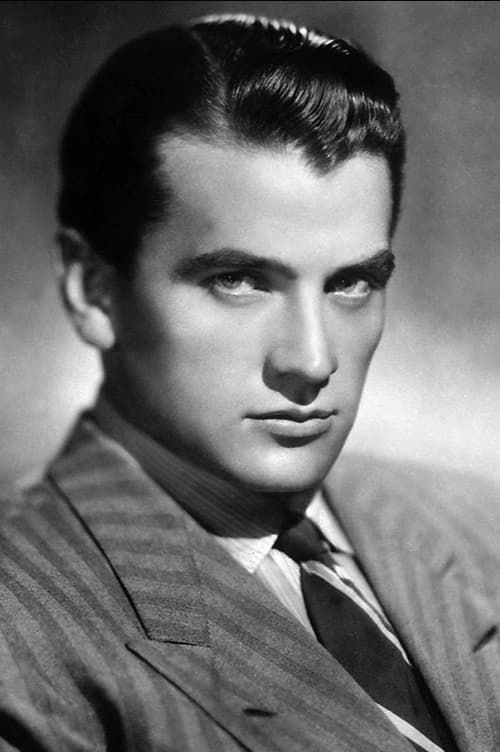
Massimo Girotti
Acting
Biography
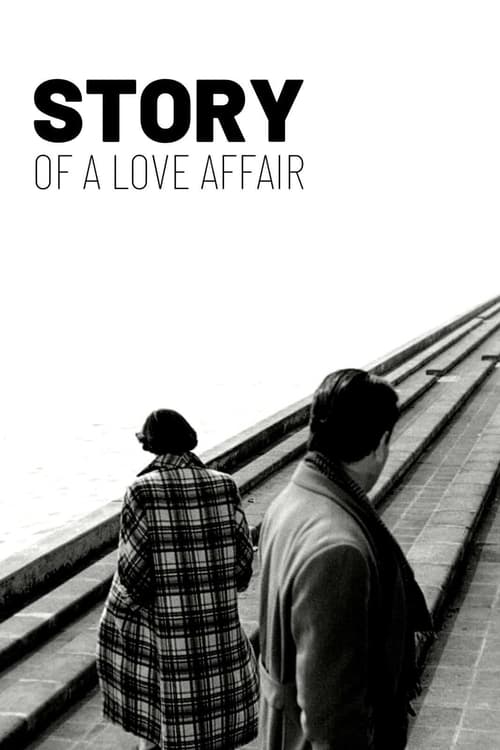
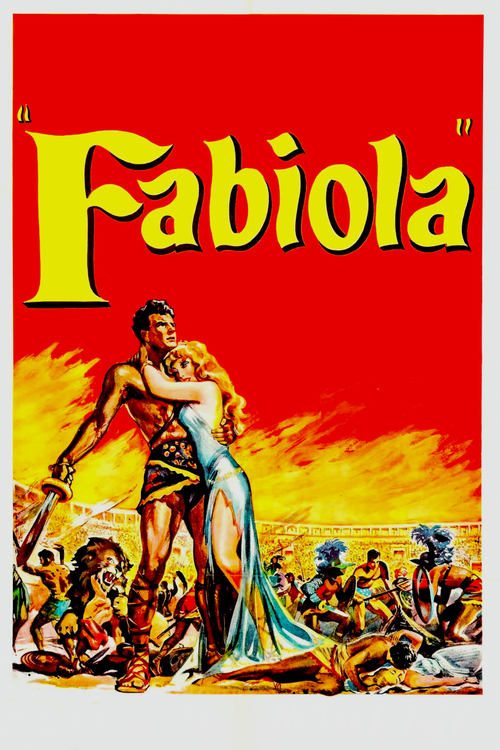
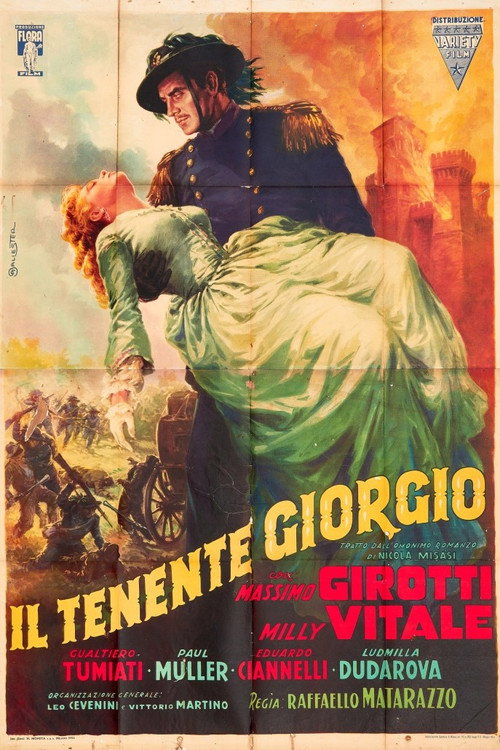
Massimo Girotti (18 May 1918 – 5 January 2003) was an Italian film actor whose career spanned seven decades. Born in Mogliano, in the province of Macerata, Girotti developed his athletic physique by swimming and playing polo. While studying engineering, he attracted the attention of Mario Soldati, who offered him a small part in the film Dora Nelson (1939), but it was not until later, in Alessandro Blasetti's La corona di ferro (The Iron Crown) (1941) and Roberto Rossellini's Un Pilota ritorna (A Pilot Returns) (1942), that he began to make an impression as a serious actor. In 1943 came a turning point in his career when Luchino Visconti cast him opposite the torrid Clara Calamai in Ossessione (Obsession), an earlier adaptation of the same novel on which Hollywood's The Postman Always Rings Twice is based. The film marked, in a sense, the birth of Italian neo-realism. Some of his notable post-war films include Caccia tragica (The Tragic Hunt) (1946) by Giuseppe De Santis and In nome della legge (1949) (In the Name of the Law) by Pietro Germi. In 1950, he starred opposite Lucia Bosé in Michelangelo Antonioni's first full-length feature, Cronaca di un amore (Story of a Love Affair) (1950). In 1953, he played Spartacus in an Italian epic film known in the US as Sins of Rome and then, returned to work again for Visconti, in Senso (1954), giving perhaps the finest performance of his career. In the years which followed, he appeared in many mainly Italian films for directors such as Lizzani, Bolognini, Vittorio Cottafavi, Lattuada, but it was not until 1968 that he once again played a role worthy of his talents - that of the father in Pasolini's Teorema (Theorem) with Terence Stamp and Silvana Mangano. Two years later, Pasolini cast him as Creonte opposite Maria Callas in his Medea (1969). In 1972, he was in Bernardo Bertolucci's Last Tango in Paris. That same year he made a rare appearance in a horror film when he agreed to a supporting role in Baron Blood as a favor to its director Mario Bava. He continued to act in character roles for the next thirty years. Some of the films he appeared in have been notable, including Joseph Losey's Monsieur Klein (1976) with Alain Delon and Jeanne Moreau, Art of Love (1983) by Walerian Borowczyk, the 1985 television miniseries Quo Vadis?, Roberto Benigni's Il mostro (The Monster) (1994). He died in Rome of a heart attack after having just completed his last film, Ferzan Özpetek's La Finestra di fronte (Facing Windows) (2003). Source: Article "Massimo Girotti" from Wikipedia in English, licensed under CC-BY-SA.
Known For

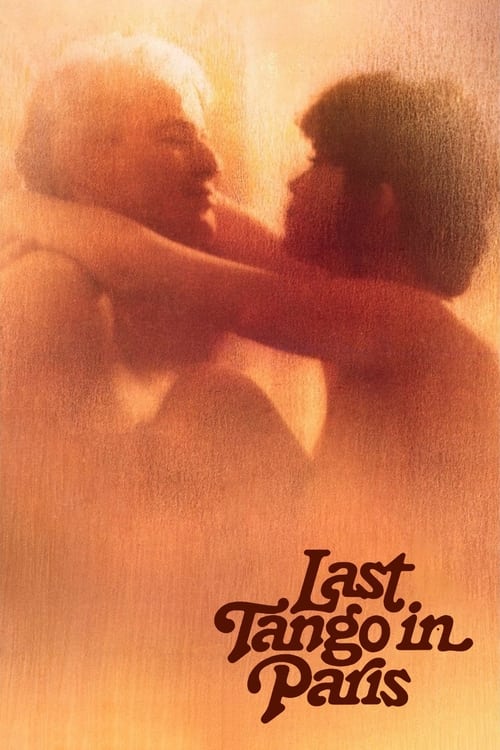
A recently widowed American begins an anonymous sexual relationship with a young Parisian woman.
Last Tango in Paris

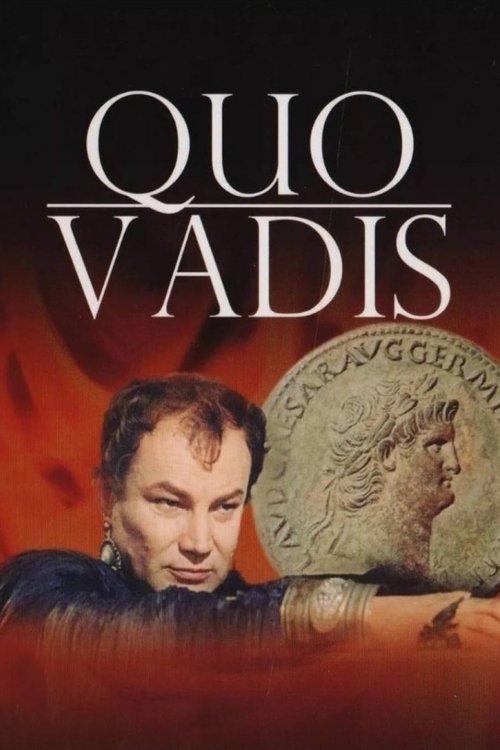
Drama about love and intrigues in ancient Rome during the times of Nero.
Quo Vadis?

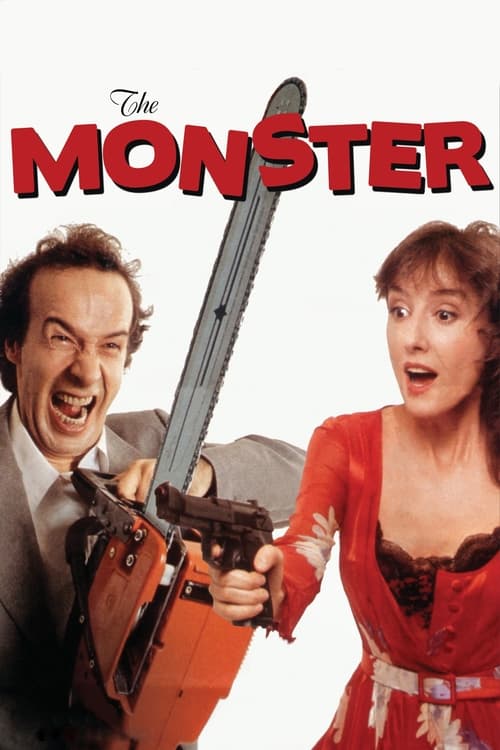
A vicious serial sex killer is on the loose, and landscape gardener and shop-window outfitter Loris is the prime suspect, thanks to his unfortunate habit of getting caught in compromising situations (for which there is always a totally innocent explanation that the police fail to spot). Undercover policewoman Jessica is assigned by eccentric police psychologist Taccone to follow Loris.
The Monster

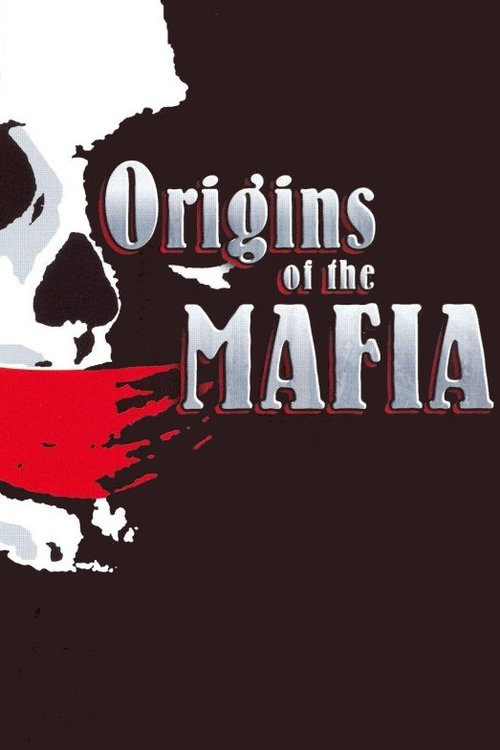
Journey back more than 400 years to 16th century Sicily, where the small Italian islands have fallen victim to corruption, intimidation, extortion, and brutality.
Origins of the Mafia

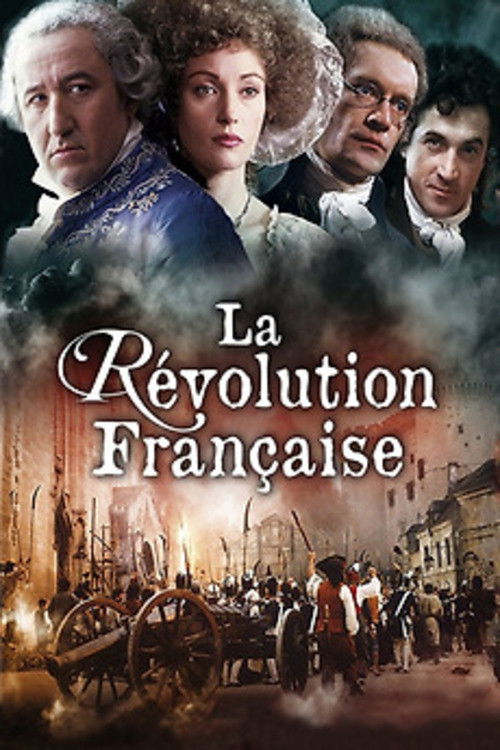
A history of the French Revolution from the decision of the king to convene the Etats-Generaux in 1789 in order to deal with France's debt problem. The first part of the movie tells the story from 1789 until August 10, 1792 (when the King Louis XVI lost all his authority and was put in prison). The second part carries the story through the end of the terror in 1794, including the deaths by guillotine of Louis XVI, Marie-Antoinette, Danton, and Desmoulins.
The French Revolution

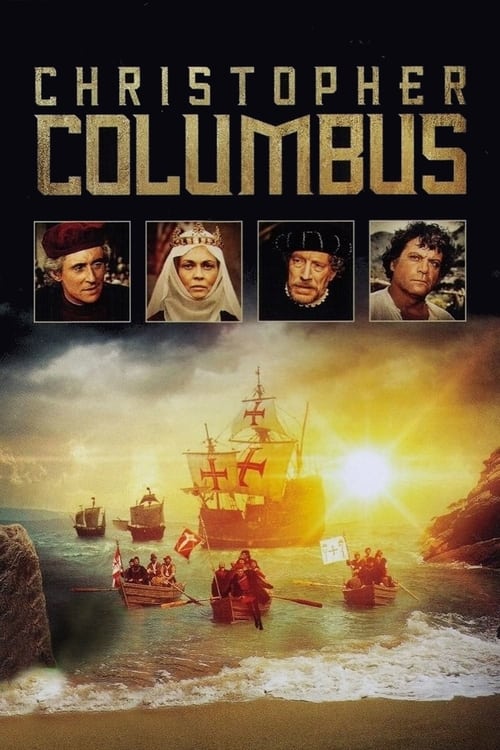
After his proposal to sail west to the East Indies is rejected by Portugal, Columbus overcomes court intrigue in Spain to gain support for his expedition.
Christopher Columbus

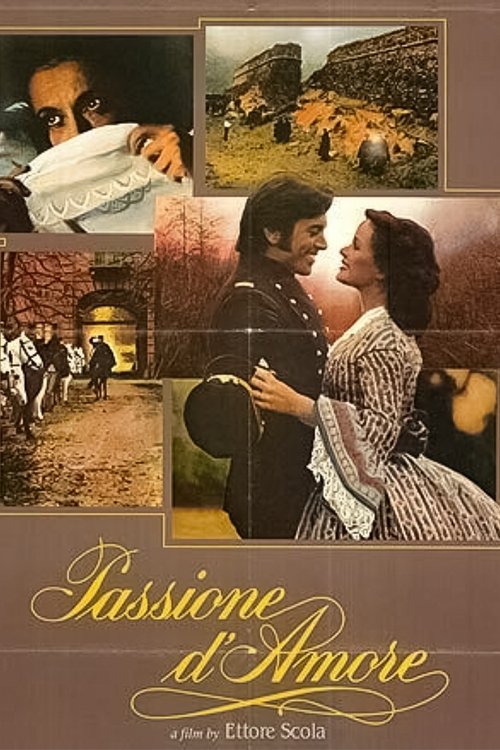
In the 1860's, Giorgio (Giraudeau), a young Italian soldier is sent to a remote post, far away from his lover, Clara (Antonelli). He is lodged in the house of the colonel (Girotti). He becames friends with the colonel and the local doctor (Trintignant). Among the inhabitants of the house, there is a strange young woman - Fosca (d'Obici) who is both unattractive and mad. However, she has a passion that Giorgio will have to cope with.
Passion of Love

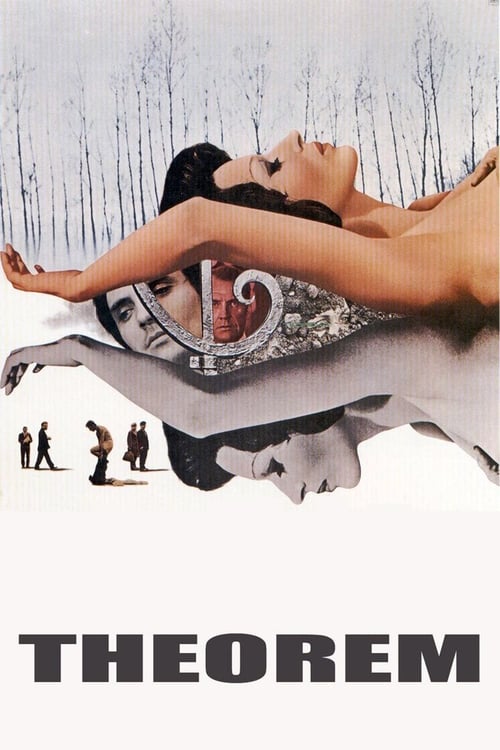
A wealthy Italian household is turned upside down when a handsome stranger arrives, seduces every family member and then disappears. Each has an epiphany of sorts, but none can figure out who the seductive visitor was or why he came.
Theorem

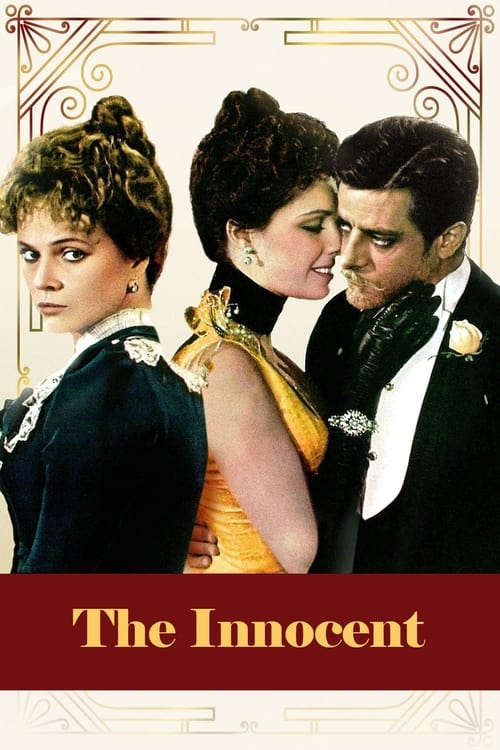
Tullio Hermil is a chauvinist aristocrat who flaunts his mistress to his wife, but when he believes she has been unfaithful he becomes enamored of her again.
The Innocent

Based on the plot of Euripides' Medea. Medea centers on the barbarian protagonist as she finds her position in the Greek world threatened, and the revenge she takes against her husband Jason who has betrayed her for another woman.
Medea

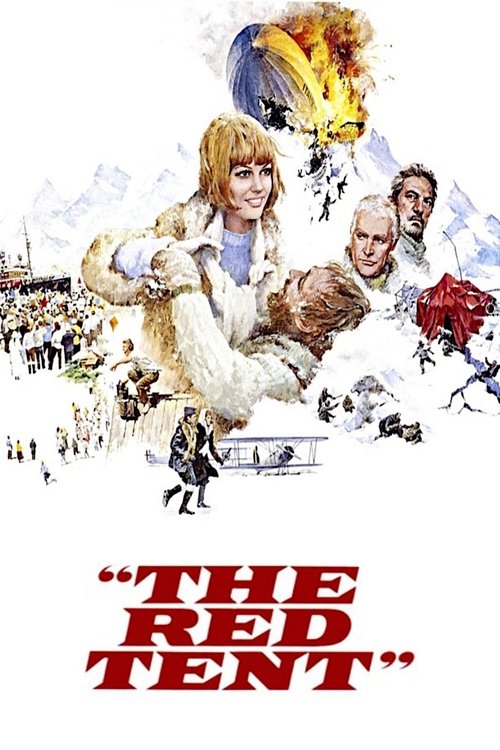
Torn by personal guilt, Italian General Umberto Nobile reminisces about his 1928 failed Arctic expedition aboard the airship Italia.
The Red Tent

A history of the French Revolution beginning from the decision of the king to convene the Etats-Generaux in 1789 in order to deal with France's debt problem. Part one spans the event until August 10, 1792 (when the King Louis XVI lost all authority and was imprisoned). Part two carries the story through the end of the terror in 1794.
The French Revolution

A troubled and neurotic Italian Countess betrays her entire country for a self-destructive love affair with an Austrian Lieutenant.
Senso

Gino, a drifter, begins an affair with inn-owner Giovanna as they plan to get rid of her older husband.
Obsession

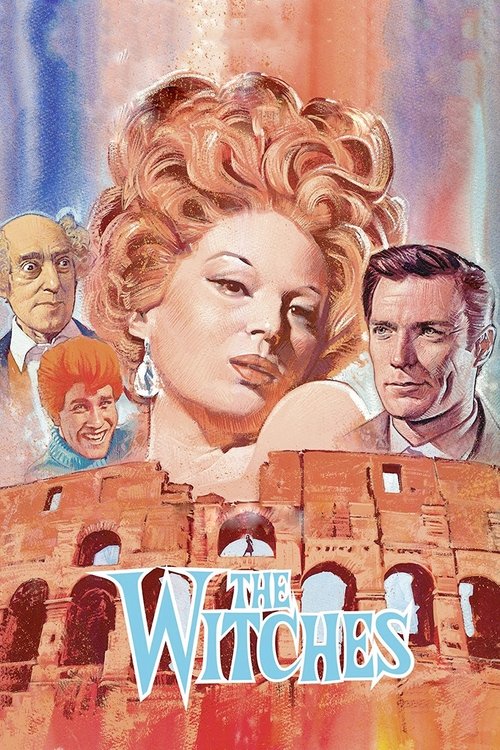
Five short stories loosely dealing with the roles of women in society. A superstar actress travels to a mountain resort, only to evoke jealousy from women and lust from men. A woman offers to take an injured man to the hospital. A widowed father and his son seek for a new wife/mother. A man seeks revenge for a woman's honor. A bored housewife tries to explain to her husband that he's not as romantic as he used to be.
The Witches

Miniseries based on a 1914 historical novel by the German writer Ludwig Ganghofer - The War of the Oxen - set against the backdrop of the War of the Oxen in the 1420s.
Der Ochsenkrieg

Twin brothers were raised by wolves, revolt against tyranny in pre-Roman Italy and then come to a parting of the ways as they lead their people toward the founding of a new city, the founders of Rome.
Romulus and Remus

Paola, a Milan call girl, returns home to her village in the Abruzzi mountains in an attempt to go straight. Rejected by her father, blackmailed by a former lover, and lusted after by her brother-in-law, she turns to her beloved sister for support. Denied succor, like so many of Rossellini’s isolated figures, Paola awaits the arrival of her fiancé, who has offered her a new start, but instead decides that life is untenable.
Desire

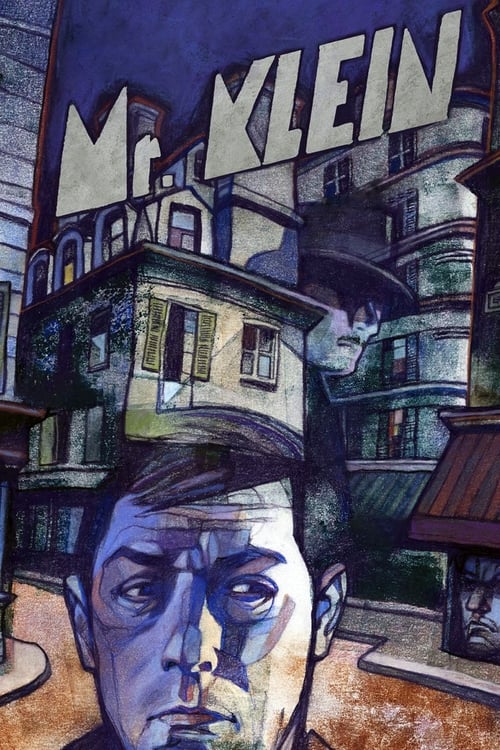
Paris, France, 1942, during the Nazi occupation. Robert Klein, a successful art dealer who benefits from the misfortunes of those who are ruthlessly persecuted, discovers by chance that there is another Robert Klein, apparently a Jewish man; someone with whom he could be mistakenly identified, something dangerous in such harsh times.
Mr. Klein

Cinecitta is today known as the center of the Italian film industry. But there is a dark past. The film city was solemnly inaugurated in 1937 by Mussolini. Here, propaganda films would be produced to strengthen the dictator's position.