Editing
An Italian-American woman traveling to Sicily picks up a teenager who claims to be in trouble with some drug dealers.
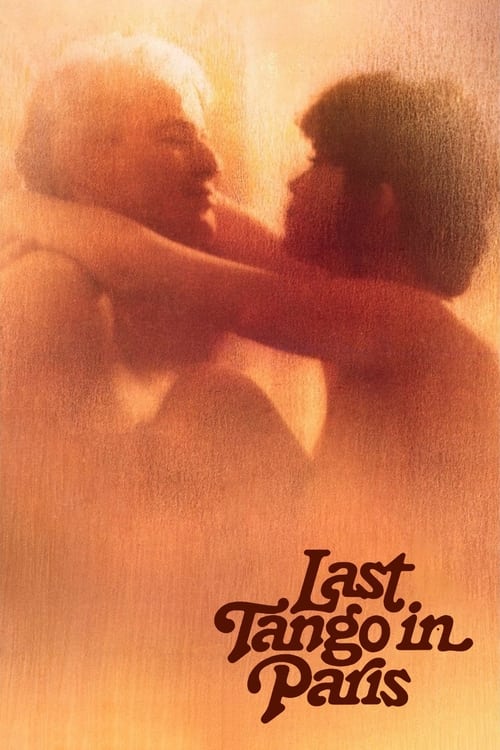
A recently widowed American begins an anonymous sexual relationship with a young Parisian woman.
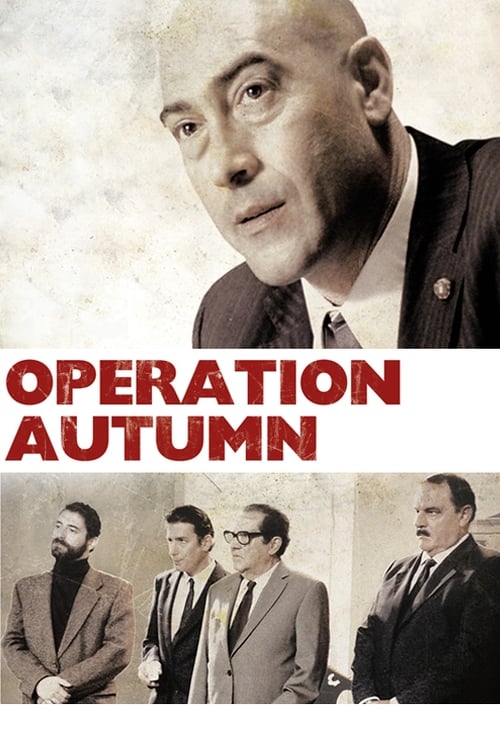
A film about General Humberto Delgado's brutal assassination by the Portuguese fascist police in 1965.
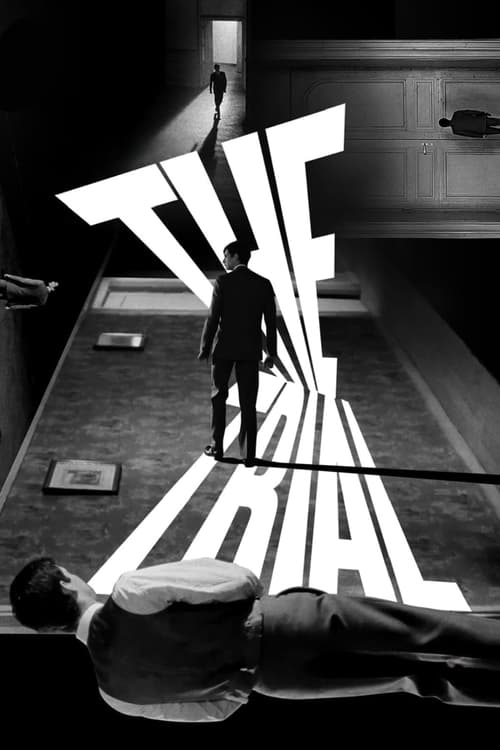
Arrested for an unnamed crime, Josef K. is trapped in a surreal bureaucratic maze where justice is unknowable and guilt is assumed.
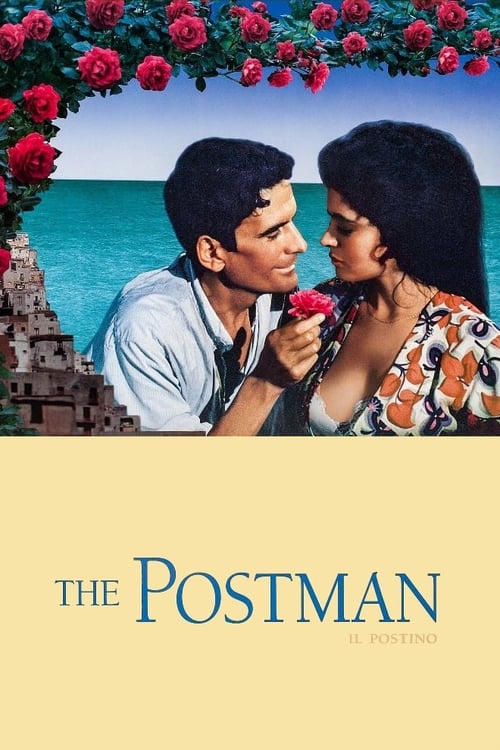
Simple Italian postman learns to love poetry while delivering mail to a famous poet; he uses this to woo local beauty Beatrice.
A surreal erotic fantasy about a young woman who checks into a bizarre, labyrinthine hotel.
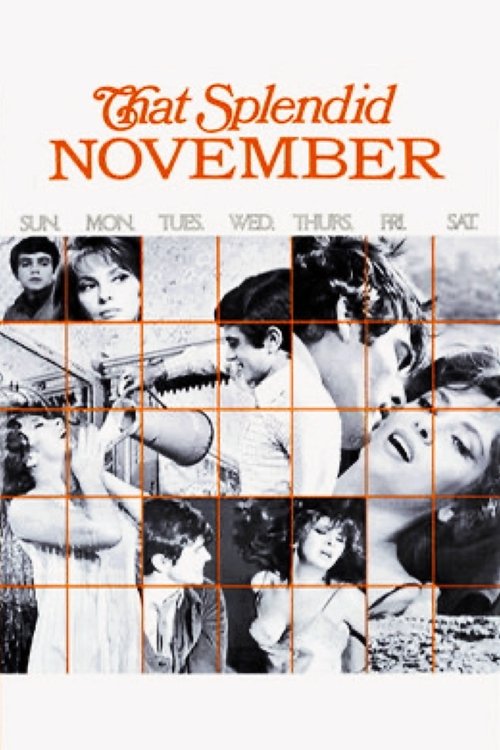
In the most traditional Sicilian, a 18 year old is in full arousal. His relationship with breathtaking mature woman will create a great controversy in the retrograde Sicilian society.
An old lady left alone seriously thinks about suicide, when a young woman suddenly bursts into her life and puts her into a vortex of suspicions, generosity, ambiguity, which will give her back a glimmer of life and joy, even if final.
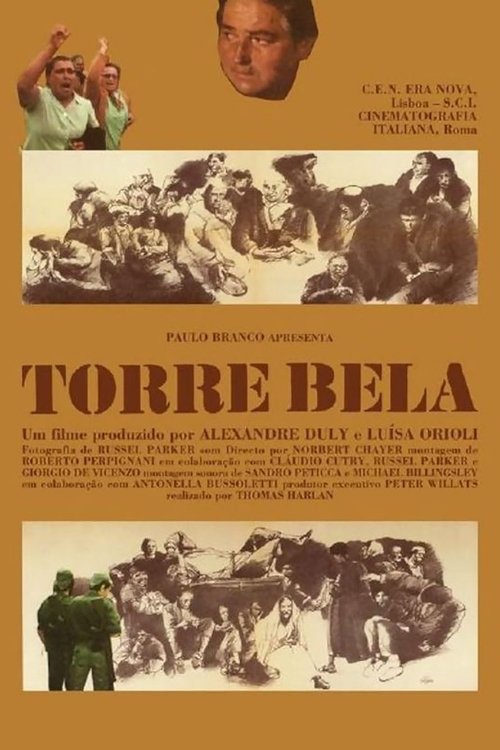
In 1975, Thomas Harlan's crew filmed Torre Bela's homestead occupation, in the center of Portugal. Three decades later, RED LINE revisits this emblematic film of the Portuguese revolutionary period: in which way did Harlan interfered in the events that seems to naturally develop in front of the camera? What was the impact of the film on the lives of the occupants and the memory of that period?
A tale of the three funerals for the ashes of Italian writer Luigi Pirandello intertwined with a murder committed by a young Sicilian immigrant boy in 1930s Brooklyn for what is described as a surreal, grotesque, complex narrative.
The rise and fall of a revolutionary cooperative movement established in a large private farm in Ribatejo, Portugal, from March to December 1975 (most part of the land occupations occurred in Alentejo, promoted by the communist party). In direct speech, sometimes to the camera, sometimes among themselves, the uneducated rural workers expose their misery, their suffering, their hopes, and ultimately their despair - when a socialist government orders the restitution of the land to their primitive owners, and these transform the land into a hunting reserve.
At the end of the XIX century in Russia, Prince Dimitri Necklivdov is called as a jury-man in a trial. The defendant is Katiuscia Maslova, accused of murdering a merchant in order to rob him. Dimitri recognizes Katiuscia: she was the girl he seduced many years before. Dimitri decides to save her.
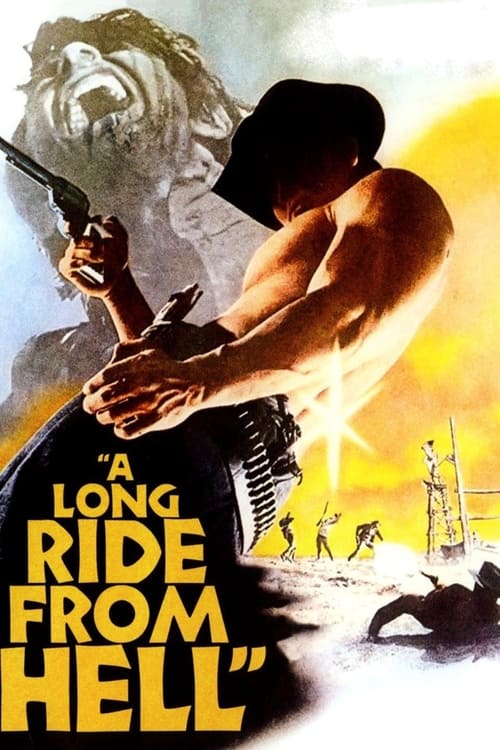
Mike Sturges and his younger brother, Roy, are sentenced to Yuma Penitentiary on a trumped-up train robbery charge. Both endure cruel treatment before Mike escapes to extract revenge on their enemies.
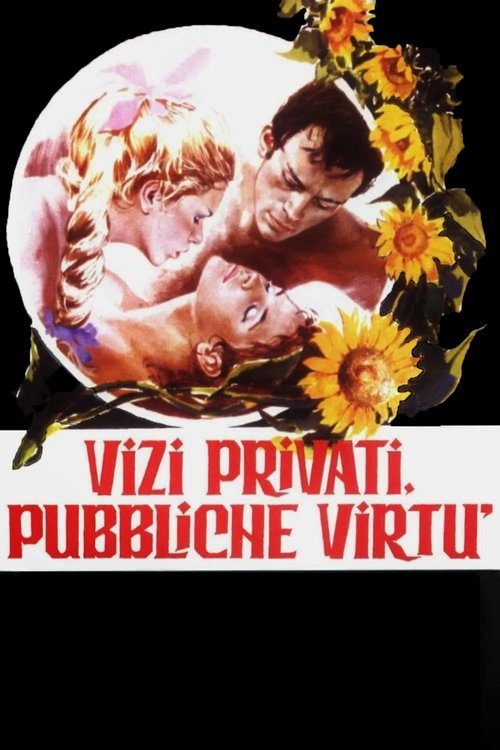
The setting is a Central European kingdom, near the turn of the century. Bored by his very proper wife, the youthful heir to the throne spends his time in amorous dalliances at a sprawling country estate. His wife departs at the arrival of his friends, and they organize a celebration which becomes a wild orgy and culminates in death and tragedy.
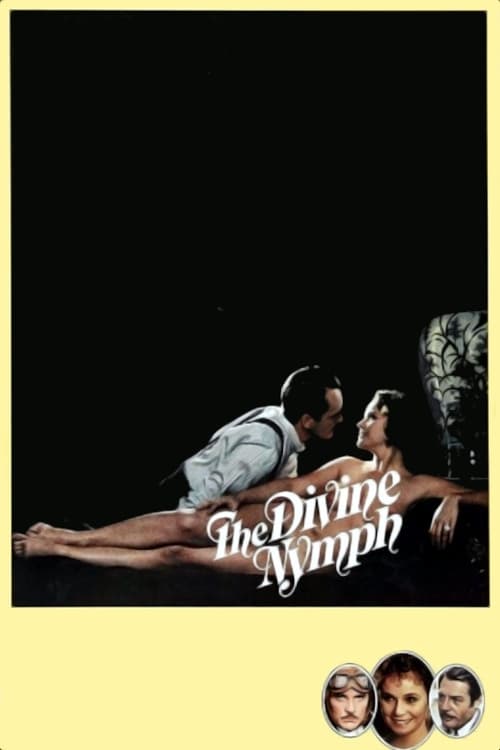
In the decadent Roaring Twenties, a beautiful woman engages in affairs with two men, playing them against each other.
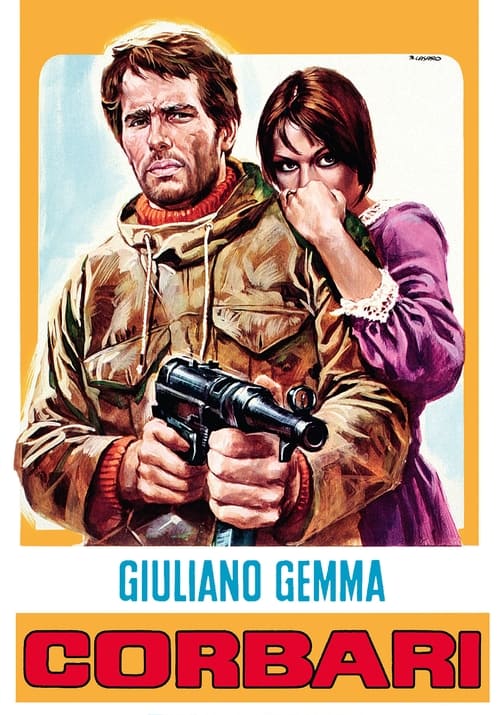
The real story of the partisan Silvio Corbari (Giuliano Gemma). Silvio forms a band of partisans in Northern Italy, completely independent from the Italian organized resistance (CLN). Ines (Tina Aumont), leaves her husband to join the band and becomes Silvio's lover. Silvio seems to suceed in creating a free-zone, his personal republic, independent from Nazi-occupied Italy, in a little village called Tregnano.
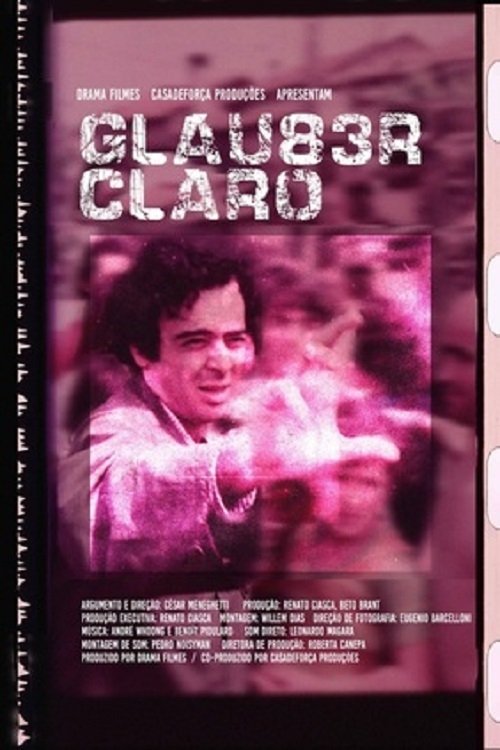
A deep dive into Glauber Rocha's years exiled in Italy in the 70s. Through a collection of interviews and archives, the movie shows the making of his film Claro (1975) and his relation with European auteurs in their filmic and political views.
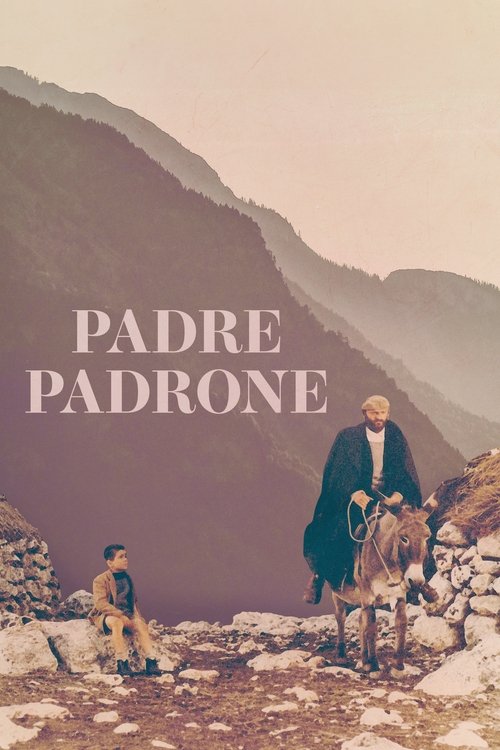
The true story of the life of Gavino Ledda, the son of a Sardinian shepherd, and how he managed to escape his harsh, almost barbaric existence by slowly educating himself, despite violent opposition from his brutal father.
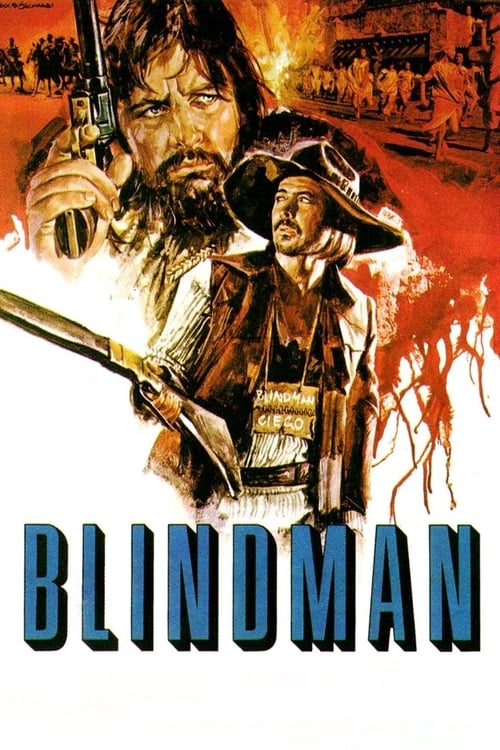
A blind, but deadly, gunman, is hired to escort fifty mail order brides to their miner husbands. His business partners double cross him, selling the women to bandit Domingo. Blindman heads into Mexico in pursuit.
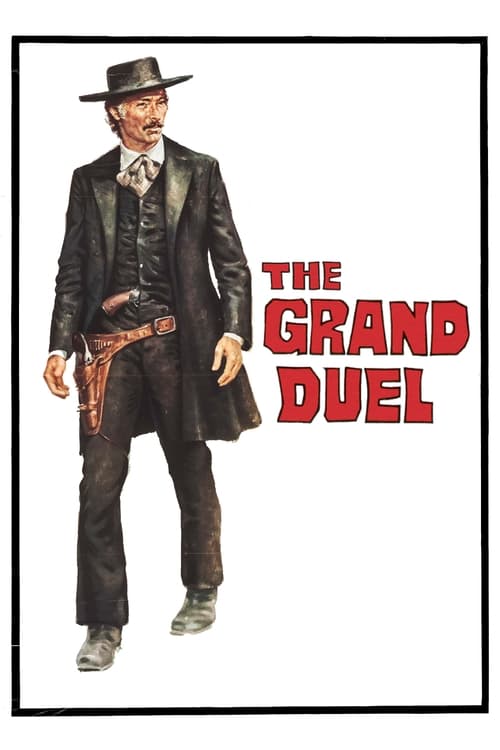
A grizzled ex-sheriff helps a man framed for murder to confront the powerful trio of brothers who want him dead.