Acting
Polizeiruf 110 is a long-running German language detective television series. The first episode was broadcast 27 June 1971 in the German Democratic Republic, and after the dissolution of Fernsehen der DDR the series was picked up by ARD. It was originally created as a counterpart to the West German series Tatort, and quickly became a public favorite.
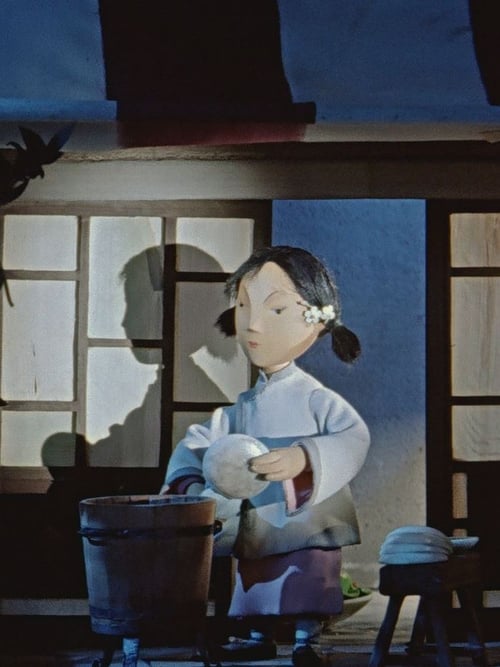
In ancient China, there is a poet named Lo who lives in the emperor’s palace. While the hardworking people long for peace and happiness, Lo writes hymns in honor of the militant emperor, who is perpetually hungry for conquest. The monarch is pleased by the poet’s words, but the people do not want to hear the hymns praising him anymore. Lo is completely unaware of this and is surprised when the kitchen maid Hsi-Hua refuses to sing his hymns. With her help, Lo learns what the people really want and is able to see how cruel the emperor is.
Russian soldier Grisha escapes from a German prisoner-of-war camp in the spring of 1917. He is caught and is to be shot as a spy. This decision is controversial. The dispute continues. Grisha is executed on the orders of the army high command.
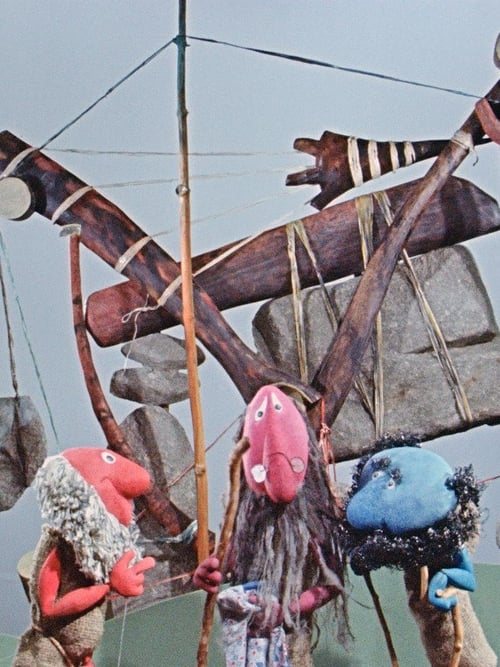
The invention of the chariot seems too daring for the Neanderthal experts. In collective consultation, they decide to reinvent the dugout canoe that has been known for ages. For this reason, the Neanderthals had to hump their way through life for quite a while.
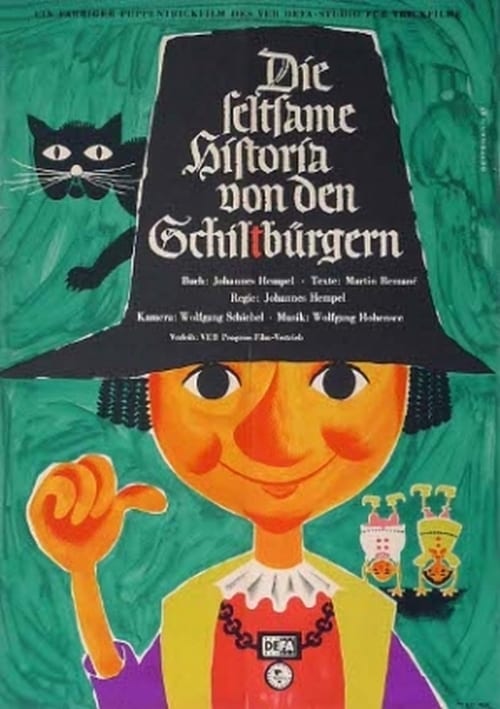
The first animated feature film made in East Germany. The people of Shilda were once welcome at the courts of princes all over the world, but back at the Shilda castle work remained and had to be carried out by the women of the town. The women grew tired of this and called their men back. After many foolish decisions, the townspeople were victims of their own devices, and eventually set fire to their own city. The fire destroyed everything, and the citizens of Shilda fled out into the world.
No description available.
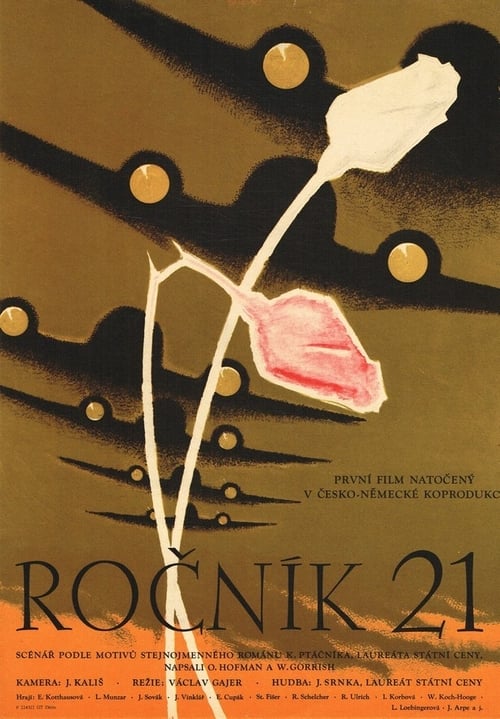
At the beginning of the Second World War, Czech music student Honsik comes to Germany from Prague to join a "foreign worker company". After rescuing a boy from the rubble of a bombed-out house, he himself is seriously injured and taken to a hospital in Stralsund. There he is regarded as a second-class citizen and the Germans are preferred to him. Nurse Käthe stands up for him, cares for him and defies all prohibitions. A love affair is kindled between the two, but it is not under a good star. Honsik tries to flee to his homeland with his comrades and Käthe supports him. At the last moment, however, Honsik realizes that his love for Käthe is stronger than his homesickness and makes his way back. Once back home, he can only watch as Käthe is arrested by the Gestapo. With the help of a resistance fighter, the young man from Prague manages to escape after all.
Private detective Fritsch from Munich had received a lucrative assignment: he was to obtain proof of inheritance for a Mr. Seligmann from Canada; this would bring the client a sum of five million dollars. He is therefore looking for an old document that was hidden in a valuable painting that disappeared decades ago. The starting point is a trail that leads to a town in Poland. The painting in question is said to have disappeared there in the final years of the Second World War. But the object of desire cannot be found here, and a new clue points to a grave in Frankenthal in the German state of Rhineland-Palatinate. Fretsch then found out that the painting must probably be in the villa of a personality with significant influence in the economy and politics of West Germany. Fretsch manages to get in touch with the wife of the presumed new owner of the painting and to find out the secret of his rise to multimillionaire status. But the people concerned use their resources to counterattack.
„White mouse“ Fritz controls the traffic on Dresden’s Körner Square. Helene, who crosses the junction on her motor scooter every day, has taken a shine to Fritz a long while ago. Although Fritz yields right-of-way to her remarkably often, the two have not spoken to each other. In order to finally get to know him better, Helene deliberately performs a traffic violation. Her plan is working: She is ordered to take road safety education lessons from Fritz and they get closer. New problems arise in the shape of Mrs. Messmer who must pay a monetary fine. She feels discriminated against by Fritz and complains about him to his supervisor.
Beppo Bastelmann and his dog Bolli Spürnase track down Wattfraß. He is hiding in a kitchen where numerous electrical appliances are switched on. When Beppo and Bolli find him here, the electricity devil flees on the streetcar and escapes into the room of a thoughtless employee who has surrounded himself with numerous heaters and lamps. Wattfraß feels at home here and sings his little song of joy. But Beppo and Bolli track him down and don't let him escape again.
The Paris-Munich overnight express becomes the scene of an unusual crime. Private detective Frank Winter is assigned a "case" of unknown proportions! He has 20 minutes to reach the train in Strasbourg as ordered and make contact with a stranger in the S 98 sleeping car. The task is to protect the French scientist Prof. Charles Leduc, an expert in the field of cybernetics...
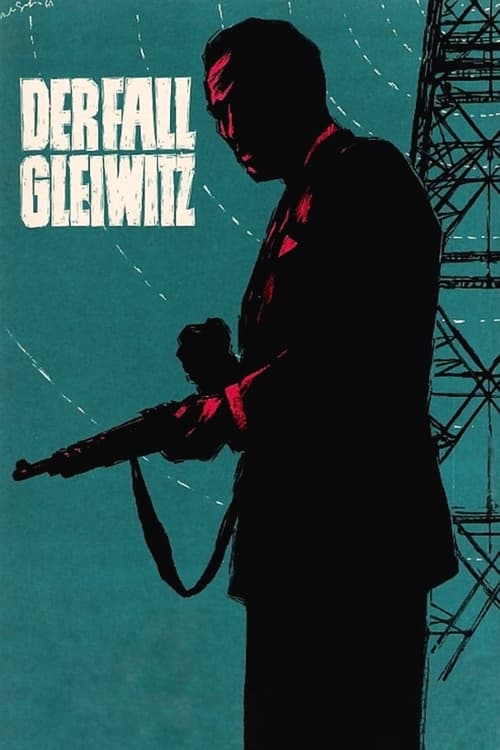
To justify their invasion of Poland at the start of WWII, Nazi high command hatches a secret plan: six Polish men from an SS training camp are sent on a special mission to the town of Gleiwitz, to fake a Polish raid on Germany. The ‘provoked’ Germans will thus launch a ‘counterattack’ on Poland.
When the old miller dies, he leaves the mill to the eldest son, the donkey to the second eldest and a tomcat to the youngest. The tomcat wants to repay his master's friendship and help him. He has his boots made, gains access to the royal castle and catches the partridges the king wants. He impersonates the miller's boy Hans as "Count of the Mill", tricks him into wearing elegant clothes and brings him together with the king and the princess. He succeeds in overcoming the evil sorcerer and winning a magnificent castle for Hans. Hans finally becomes king and his cat first minister.
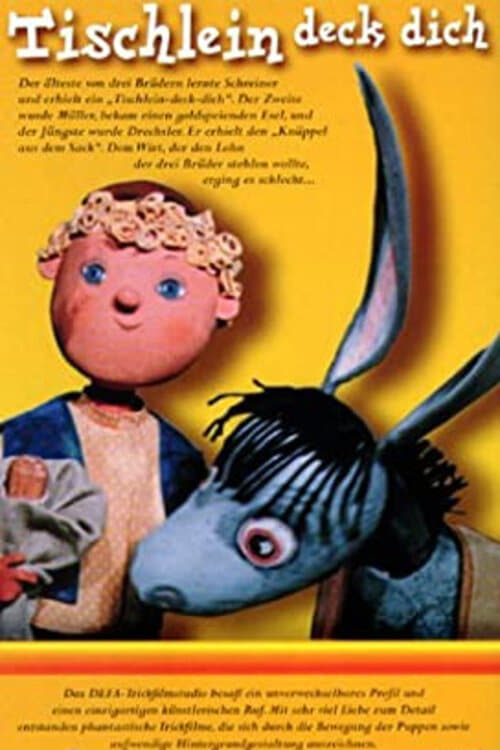
A tailor drives his three sons out of the house because he believes they have maliciously starved his beloved goat. The sons prove themselves abroad and return home with special gifts. Two of the brothers are cheated out of their wages on the way. The youngest brother exposes and punishes the thief, and everyone can enjoy the miraculous gifts.