
Frigyes Hollósi
Acting
Known For

A Kisváros egy színes, 195 részes magyar akciófilm-sorozat, ami 1993–2001 között futott a Magyar Televízióban. A történet középpontjában egy, a valóságban nem létező határmenti kisváros, Végvár áll. Ebbe a városba érkezik Hunyadi főtörzs, hogy a Határőrség akciószázadát kiképezze. A sorozat a rendőrség és a határőrség határmenti bűncselekmények ügyében való nyomozások terén történő együttműködését mutatja be, minden epizód egy-egy önálló történet, a kiemelt főszereplőkké később Járai rendőr őrnagy és beosztottja, Balogh Máté zászlós válnak. A sorozat jeleneteinek jelentős részét Szigetváron, valamint a bucsui és a bozsoki határátkelőnél forgatták. A sorozatot az MTV-n kívül 2002 táján a Hálózat TV is vetítette, a teljes sorozatot az m1 2007. június 8. és 2008. március 31. között ismételte, 2009. június 1. és szeptember 18. között ismét leadta, de akkor csak a 21. résztől a 157. részig a 156/I-II. rész kihagyásával, 2011. szeptember 5. és szeptember 30. között ismét leadta, de csak az 1. résztől a 25. részig, 2011. október 3-tól 2012. június 1-ig a Duna Televízió folytatta a sorozat ismétlését a 21. résztől a 195. részig, majd 2012. június 11. és 2013. február 11. között a Duna World is műsorra tűzte, szintén a 21. résztől a 195. részig. 2013. január 4. és március 8. között péntekenként a hajnali órákban az m2 is műsorra tűzte a sorozatot, de csak a 21. résztől a 30. részig adta le. 2013. június 17-től ismét műsorra tűzte a Duna Televízió a 21. résztől.
Kisváros
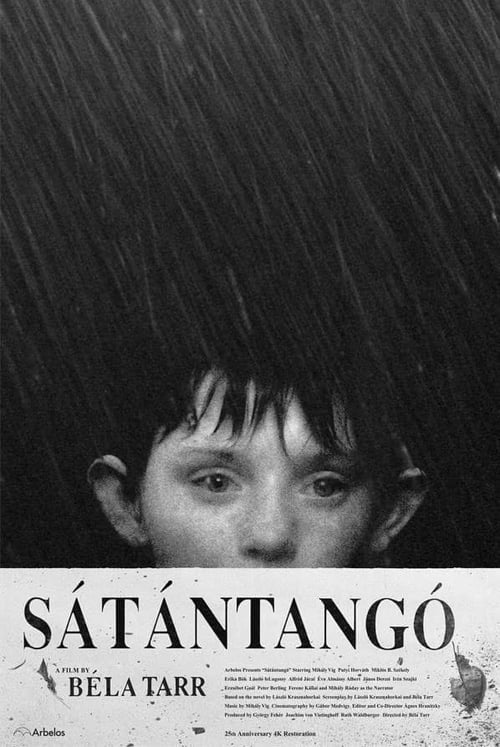
Inhabitants of a small village in Hungary deal with the effects of the fall of Communism. The town's source of revenue, a factory, has closed, and the locals, who include a doctor and three couples, await a cash payment offered in the wake of the shuttering. Irimias, a villager thought to be dead, returns and, unbeknownst to the locals, is a police informant. In a scheme, he persuades the villagers to form a commune with him.
Satantango

The fate of a Hungarian Jewish family throughout the 20th century.
Sunshine

No description available.
Sobri, ponyvafilm
No description available.
Zsarumeló
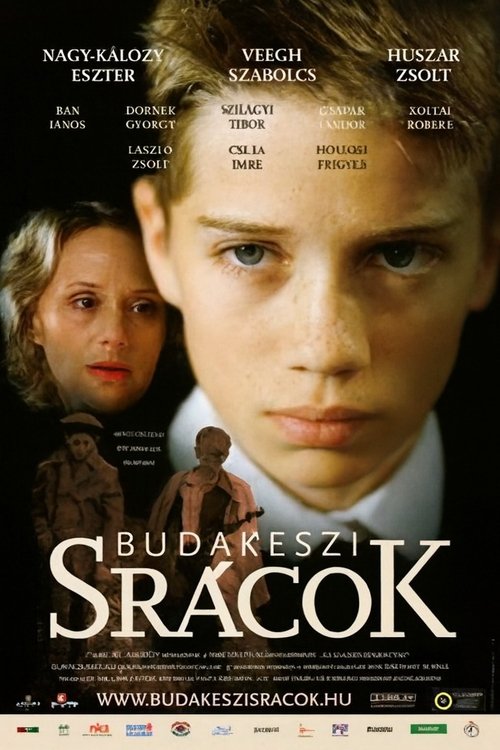
Hungary, 1950s. Istvánka is a sensitive little boy, longing for a role model and friendship, whose father died in the war before he was born. Before school starts, his mother takes him from the countryside to the capital. One day, he meets Lacy Márity, a 21-year-old big boy from Budakeszi, who from then on not only goes to play football with him, but also answers his most secret questions. He becomes his friend. Istvánka then becomes more tolerant of the local children's digs and the often incomprehensible behaviour of the adults. But the 1956 revolution intervenes. Laci Márity takes the lead in the rebellion.
Budakeszi srácok
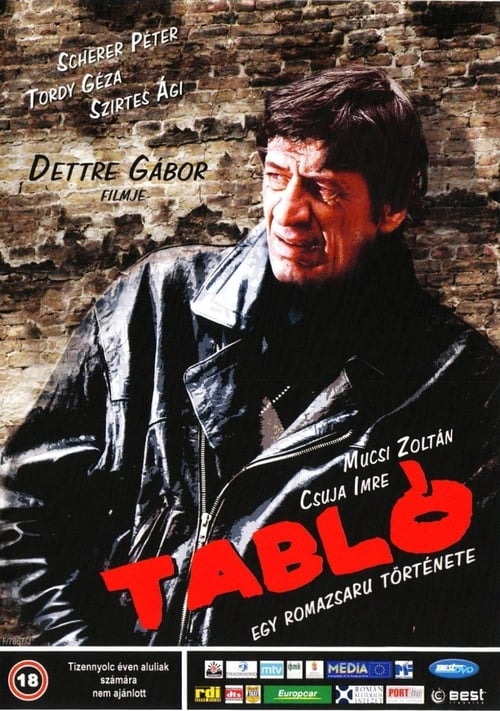
Karcsi, a Roma policeman, lives with Eva, a Swede. One day he is called to the scene of the murder of a wealthy trafficker named Schulter. He begins to investigate the crime, interrogate neighbours and suspects, and untangle a complex situation - one that he, himself, complicates even further. For he is a gypsy, who despite being adopted and raised by "regular" Hungarians, has his nose rubbed in his minority status every day. The film, which is based on the novel by Ákos Kertész, is a shrewd genre work full of dusky humour and surreal situations. Tabló follows a vivid succession of strange images that eventually lead to the emergence of the central story about a charismatic police officer on a tireless quest for the truth, though he must fight against virtually everyone and is just as fallible as the next person. Tabló makes a statement on the issue of race and racism - or, indeed, relations between any minority and majority.
Tabló
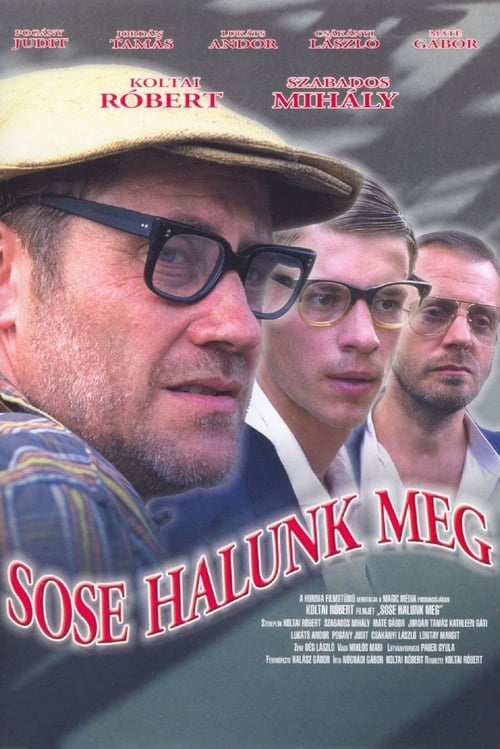
In 1960s Hungary, an introverted teenager’s life is turned upside down by a few days in the company of his coat hanger salesman uncle: a roguish charmer with a zest for life and a weakness for horse racing and women.
We Never Die!
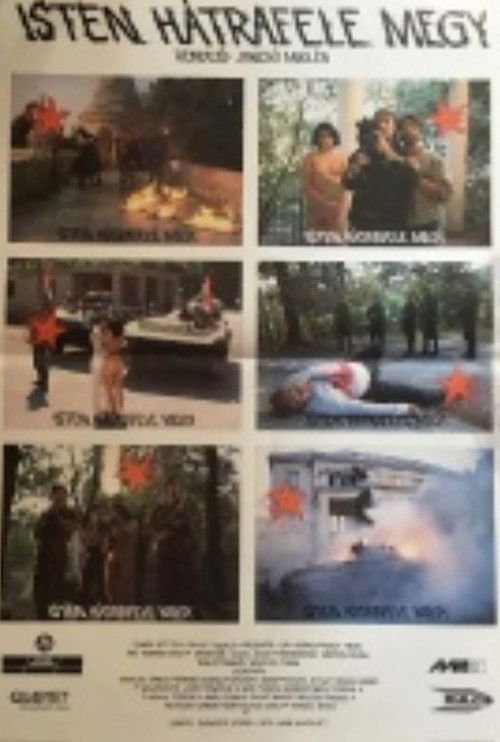
From the film-shooting in the Buda Castle Marci and his friend go to a well-paying job. The scene is a big castle in the middle of a huge park. They enjoy the company of the Kid and the beautiful naked French girl, Nathalie. Their job is to watch the monitors on which they can see the Moscow coup détat. By the time Gorbachev is executed the Communist and the Nationalists have taken turns in occupying the castle and the park.
God Walks Backwards
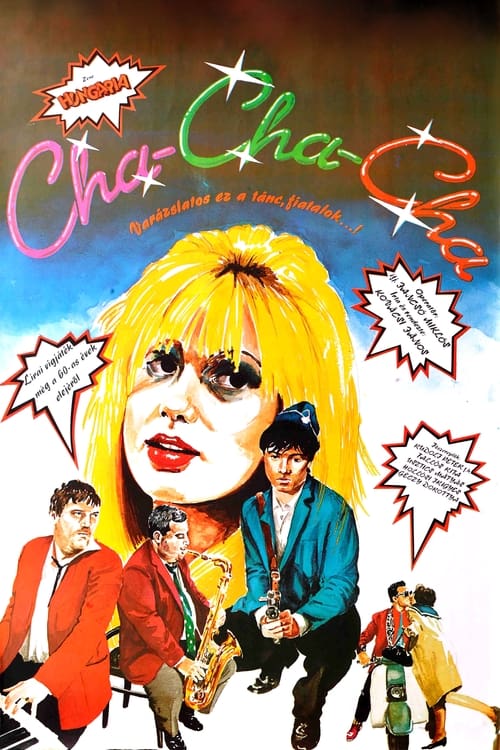
Gruber is a normal 16-year-old growing up in Budapest in 1962, but he has a problem -- how does he get to know the opposite sex? At the Sunday afternoon dance classes the young "ladies and gentlemen" hold each other while dancing, and that makes the lessons worth something. Otherwise, the pianist's attention wanders and the orchestra does not exactly play with a single-minded dedication. In fact, everybody seems to have other things on their minds, except for the enthusiastic dance instructor and his ever-smiling assistant.
Cha-Cha-Cha
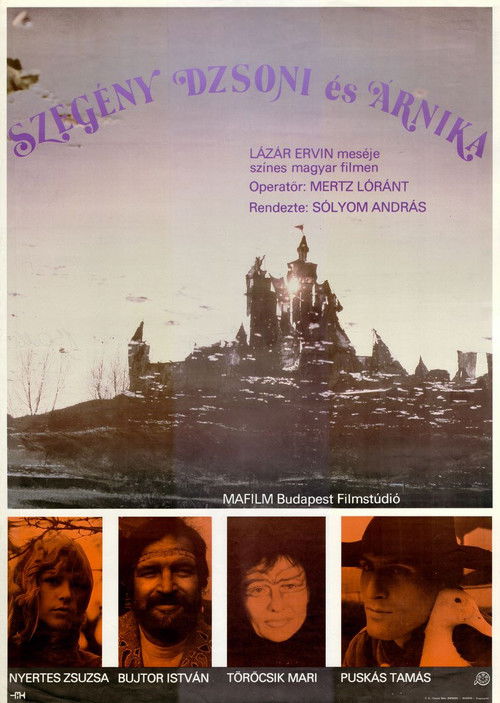
The poor but carefree vagabond Johnny meets the princess Árnika and they fall in love. An evil witch casts a spell on them which turns one of them into a duck. In order to be free of the spell they embark on a long journey to meet King Ajahtan Kutarbani, the only one who can lift the spell.
Poor Johnny and Arnika
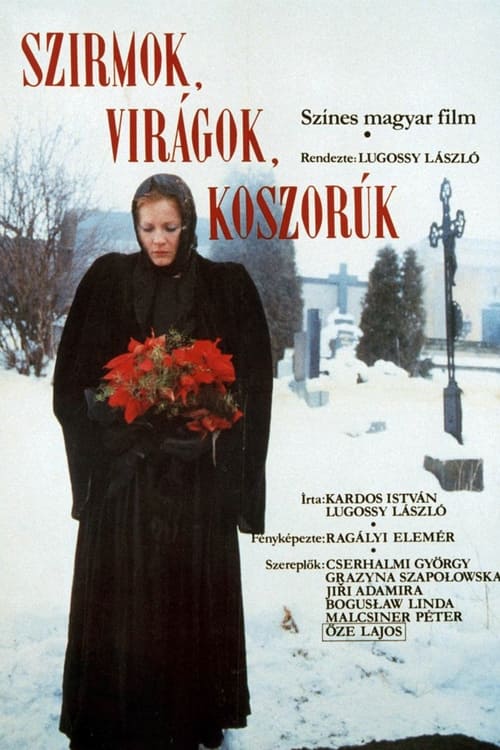
The seeming hopelessness of combatting an all-powerful government that will not tolerate political dissension is the focus of this excellent historical drama set in the mid-19th century in Hungary. In the opening scenes, Hungary has just lost its bid for independence from Austria and a Magyar officer, unable to bear the tragedy of defeat and what it means, says an affectionate good-bye to his beloved horse and then shoots the animal and himself. Two years later, Ferenc (Gyorgy Cserhalmi) is trying to eke out a living for his wife and her family -- and at the same time avoid any hint of sympathy for Hungarian independence because the Secret Police are everywhere. Just as life seems to be going well, Ferenc's former commanding officer (Lajos Oze) arrives and begins discussing revolution again -- a futile pursuit at this point in time. The next day, Ferenc is thrown into an insane asylum and everyone else is arrested as well.
Flowers of Reverie
On a single day the fate of three couples are joined and some of them sealed.
The Fall
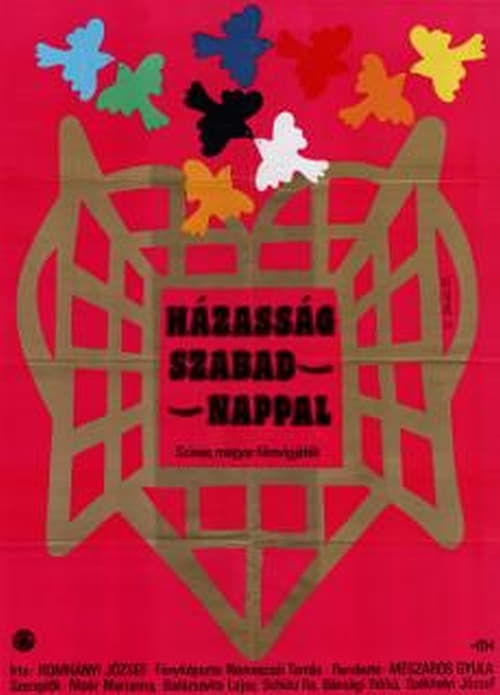
Mici, a pretty young girl is a selected swimmer. Laci, her trainer looks after her jealously, mainly because of her condition.
Marriage with Days off
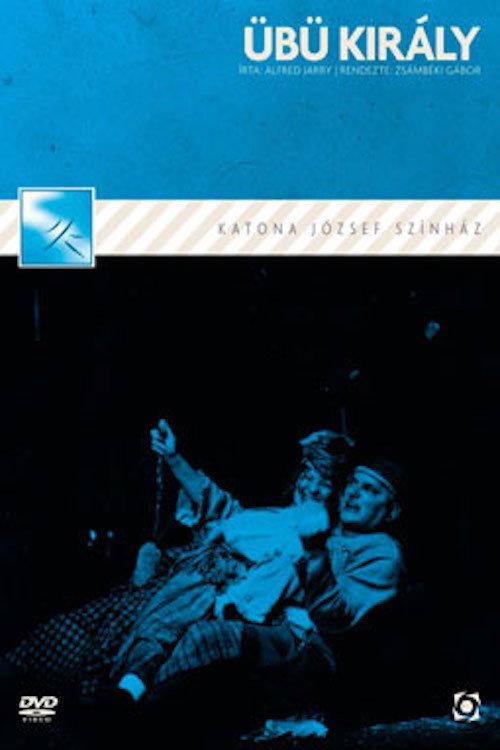
The Empty King created a mythical figure and a whole world from grotesque, archetypal images. The drama was originally conceived as a student tirade against a teacher at Jarry's school, the Lyceum of Rennes. This teacher, Hébert, was the target of public ridicule. In 1888, at the age of 15, Jarry wrote a puppet play about the exploits of the Woolly Tartar and staged it to the amusement of his friends. The figure of Übü is a crude, cruel caricature of the foolish, selfish bourgeoisie as seen through the unrelenting gaze of a schoolboy; but this Rabelaisian figure, in all his falstaffian greed and cowardice, is more than a mere social satire. It is a terrifying picture of man's animal nature, his evil and cruelty. The Katona József Theatre in Budapest premiered Jarry's play in 1984, and it ran continuously for more than 10 years.
Übü király
No description available.
Bányató
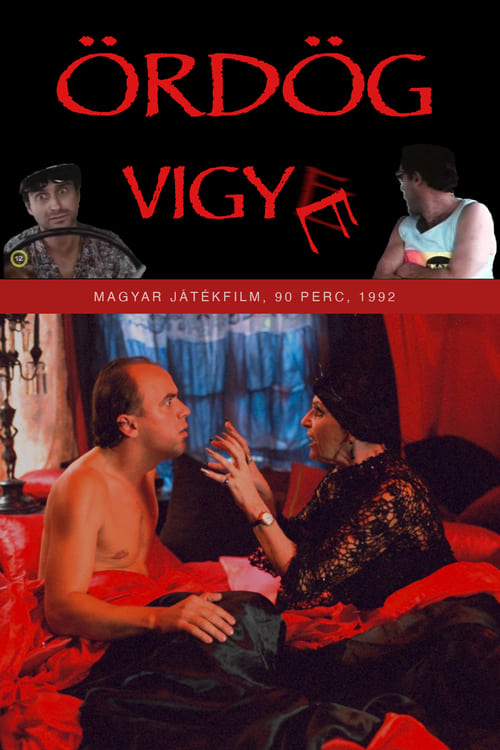
The devil arrives in Budapest because he has got wind that a hermit scientist has discovered the elixir of eternal life. Soon the lives of oh-so-some upstanding citizens living in the peace of the peaceful little people are in turmoil. Irén Psota, Zoltán Bezerédy and the unforgettable Buczella brothers.
Ördög vigye
Béla, the bad guy, is released from prison and decides to get back on the right track. But the first person he encounters is his old friend, Feri Buczella, whose brother has just arrived home from America with a suitcase of dollars.
Mami blú
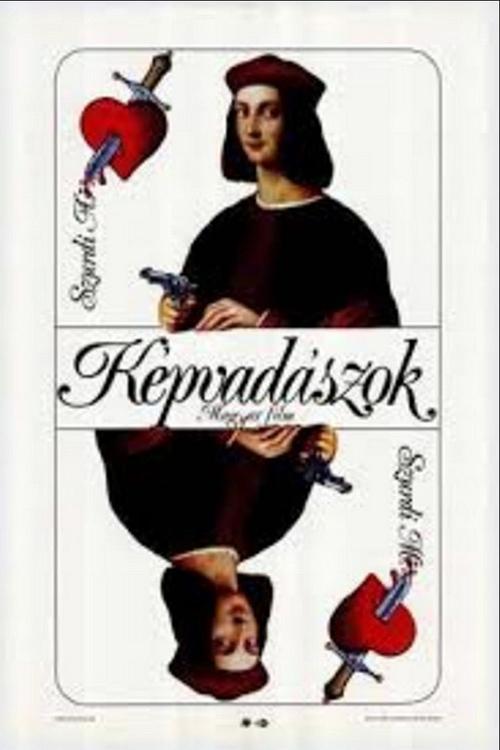
Richter, Gál and Bakos have stolen valuable paintings from a museum. During their escape, however, they accidentally exchange the black suitcase containing the booty for another. The hunting after the paintings starts.
The Picture Hunters
No description available.