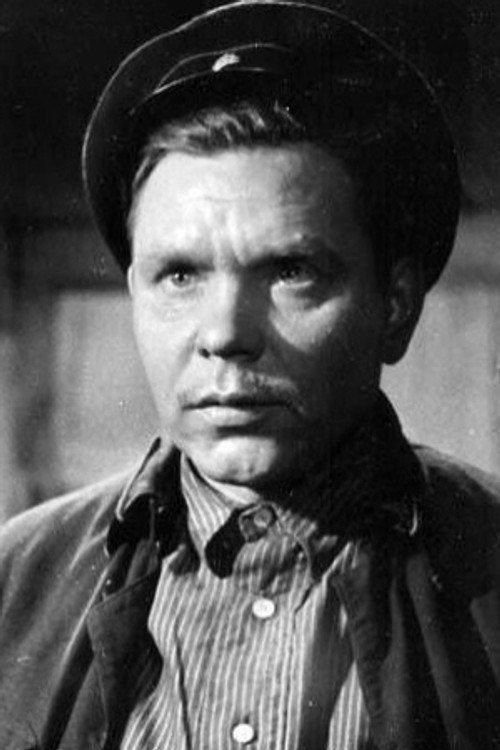
Mikhail Vorobyov
Acting
Known For
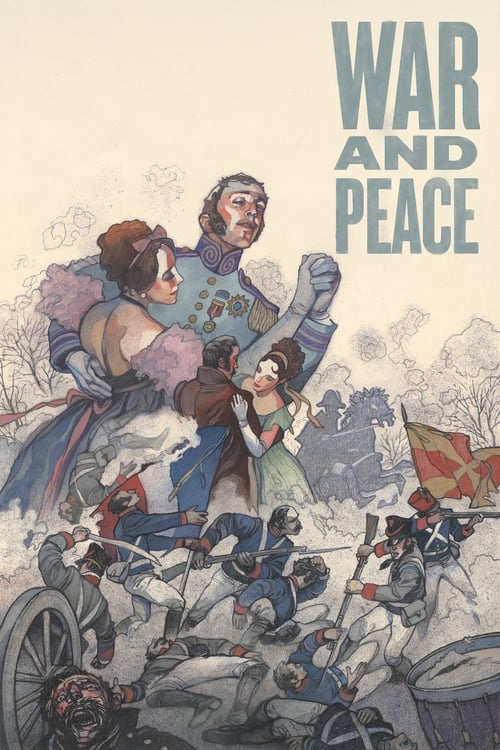
The love story of young Countess Natasha Rostova and Count Pierre Bezukhov is interwoven with the Great Patriotic War of 1812 against Napoleon's invading army.
War and Peace
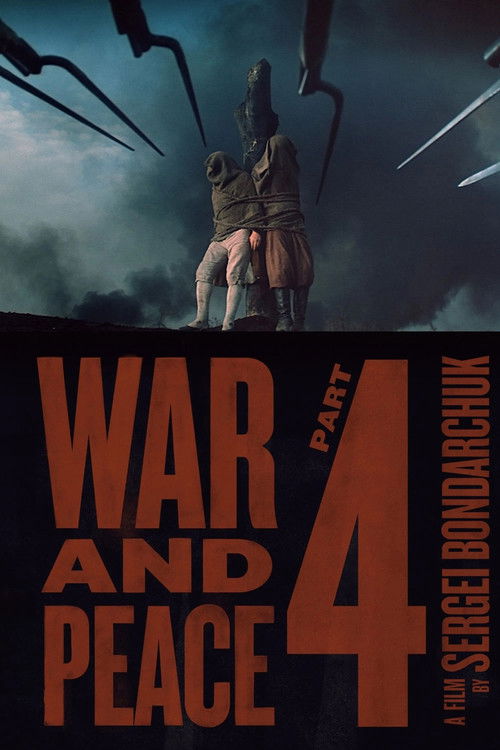
As Moscow is set ablaze by the retreating Russians, the Rostovs flee their estate, taking wounded soldiers with them, and unbeknownst to them, also Andrei. Pierre, dressed as a peasant, tries to assassinate Napoleon but is taken prisoner. As the French are forced to retreat, he's marched for months with the Grande Armée, until being freed by a raiding party. Part four of the four-part adaptation of Leo Tolstoy's 1869 novel.
War and Peace, Part IV: Pierre Bezukhov
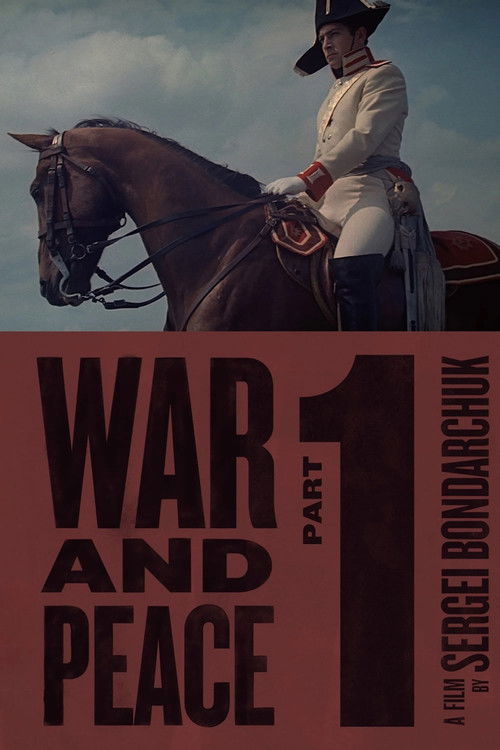
In 1805 St. Petersburg, Pierre Bezukhov, illegitimate son of a rich nobleman, is introduced to high society. His friend, Prince Andrei Bolkonsky, joins the Imperial Russian Army as aide-de-camp of General Mikhail Kutuzov in the War of the Third Coalition against General Napoleon Bonaparte. Part one of the four-part adaptation of Leo Tolstoy's 1869 novel.
War and Peace, Part I: Andrei Bolkonsky
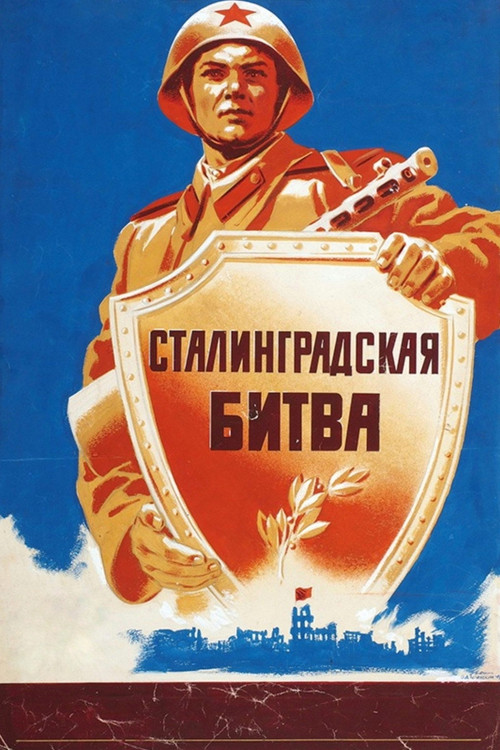
A 1949 two-part Soviet epic war film about the Battle of Stalingrad, directed by Vladimir Petrov. The script was written by Nikolai Virta.
The Battle of Stalingrad
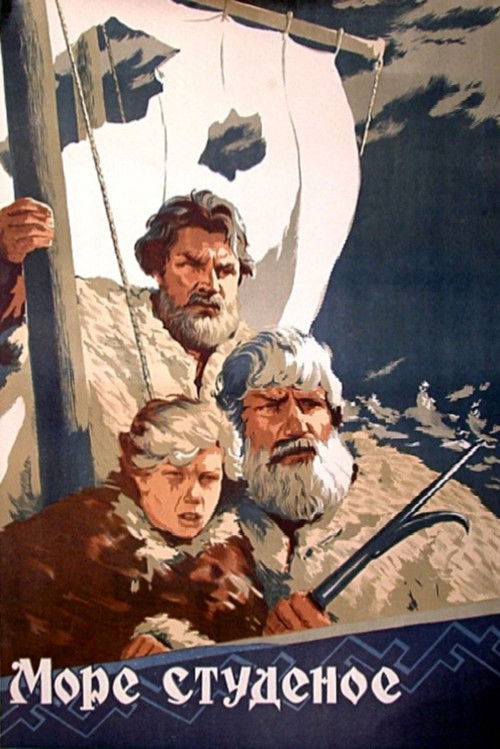
Several commercial fishermen were attacked by sea pirates and were forced to spend more than one year on a desert island. Many considered them dead - but almost all of them managed to survive ...
The Frigid Sea
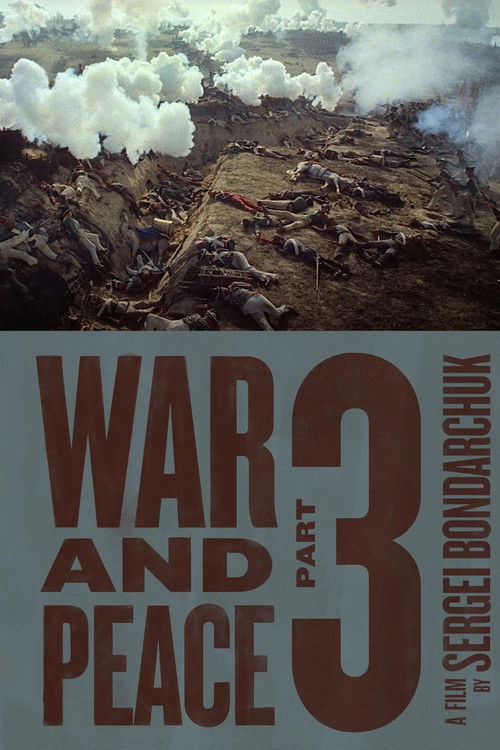
In 1812, as Napoleon's army invades Russia, Kutuzov asks Bolkonsky to join him as a staff officer, yet the prince requests a command in the field. Pierre sets out to watch the armies' impending confrontation. As the Battle of Borodino rages, he volunteers to assist in an artillery battery. Part three of the four-part adaptation of Leo Tolstoy's 1869 novel.
War and Peace, Part III: The Year 1812
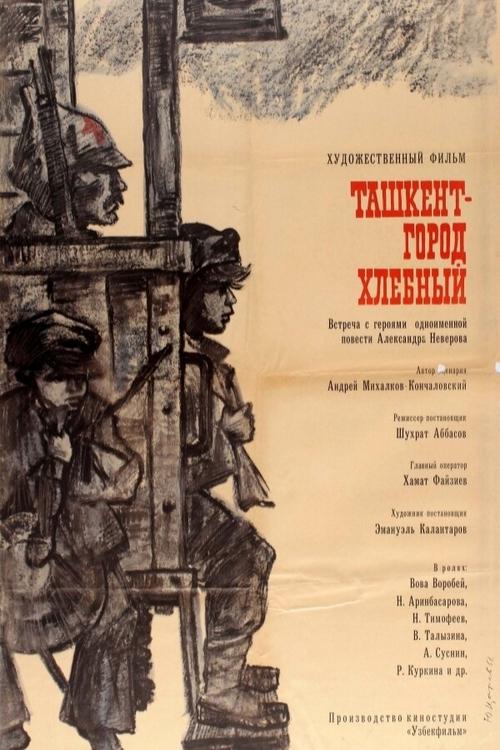
Beautifully shot in black and white, and scripted by Tarkovsky's collaborator Andrei Konchalovsky, this powerful melodrama tells the story of a young boy who undertakes the perilous journey to Uzbekistan's capital Tashkent, to earn some money for his hungry family. Filming in the periphery of the Soviet Union, in a time of relative political relaxation, director Shukhrat Abbasov actually dared to depict the poverty and famine that resulted from the Bolshevik Revolution.
Tashkent, City of Bread
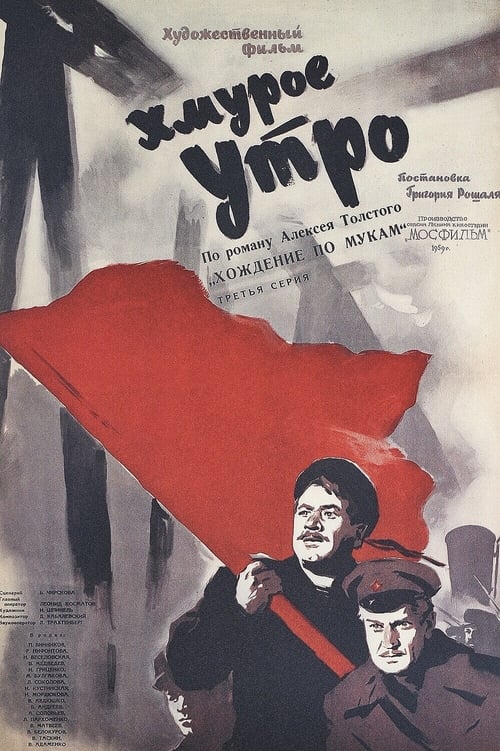
The third film in the trilogy ("The Sisters", "The Eighteenth Year", "The Gloomy Morning") based on the novel by Aleksei Tolstoy "The Road to Calvary". About the fate of the Russian intelligentsia against the background of the collapse of the Russian Empire and the civil war, which turned the lives of all the heroes of the film narration. Defending Tsaritsyn, the red commander Telegin was seriously wounded. At the hospital, he meets Dasha. After his recovery, the young spouses go together to the Red Army.
Gloomy Morning
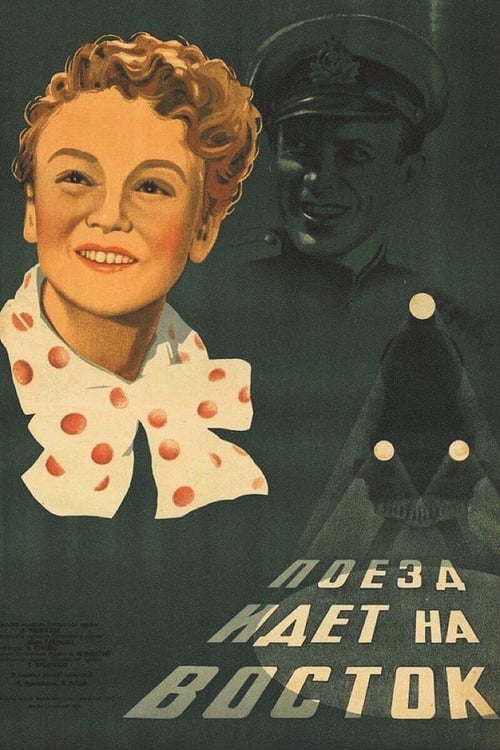
On the evening of May 9, 1945, when Moscow is noisily and cheerfully celebrating the Victory Day, a young girl agronomist Zina Sokolova and a sailor officer Lavrentyev meet in the compartment of the Moscow-Vladivostok train. The sailor takes the lively, direct character of the girl for windiness and frivolity. Sokolova also reacted frowningly and mockingly to the satellite. To get to know each other better, travelers are helped by nuisance: they are behind the train, and the rest of the way they are together, getting to know people and the life of the country along the way.
The Train Goes East
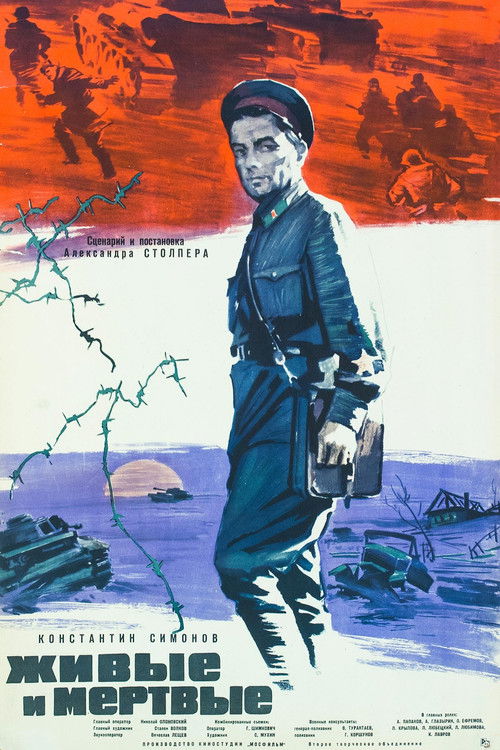
A Russian war correspondent is drafted into the war and finds himself in the middle of battle. When he loses his party card, however, he is treated as a deserter until he finds help from a kind man. This Soviet war feature was considerably outspoken for the time as it addressed issues such as anti-Stalinism, Siberia and the inhumanity of war. Adapting his screenplay from a book by Constantin Simonov, Alexandre Stolper was responsible for writing as well as directing.
The Alive and the Dead
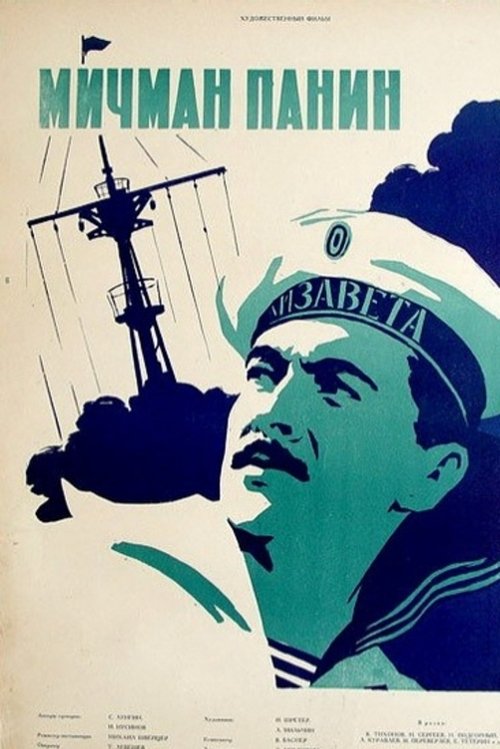
It is May 1912. Thirteen political prisoners are being tried in a naval fortress of Kronstadt. They are sentenced to death by hanging. A clandestine Bolshevik organization decides to free the prisoners during their transfer to the place of execution. Vasily Panin, a junker of a school of naval engineers, is one of those entrusted with this dangerous task.
Midshipman Panin
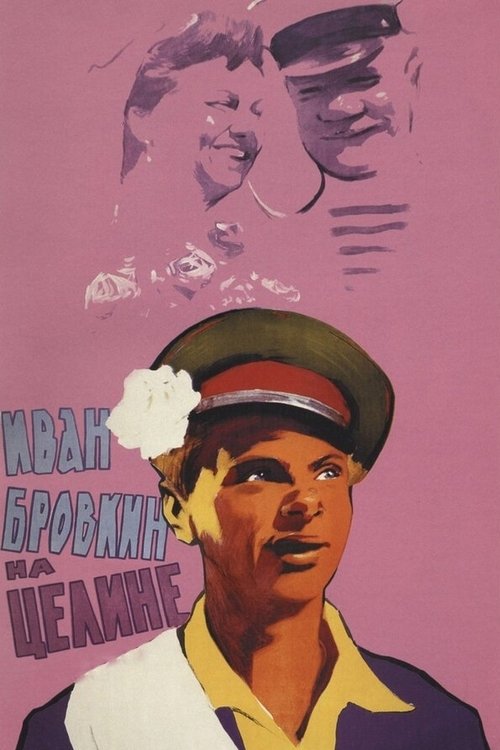
Ivan Brovkin finishes serving in the army with the rank of sergeant and, together with a group of comrades after demobilization, decides to go to the development of state farm. He arrives at his native collective farm and meets there a cool welcome: the chairman of the collective farm, the bride Lyubasha and mother — consider him a traitor. The planned wedding is canceled, and Brovkin leaves for the state farm. Brovkin comes to the state farm at the time of plowing the land. He joins the team. Winter passes after working days. In letters home he writes that everything is fine with him. News about how Ivan lives is spreading throughout the village. Lyubasha is seriously thinking about running away from home to the state farm...
Ivan Brovkin on the State Farm
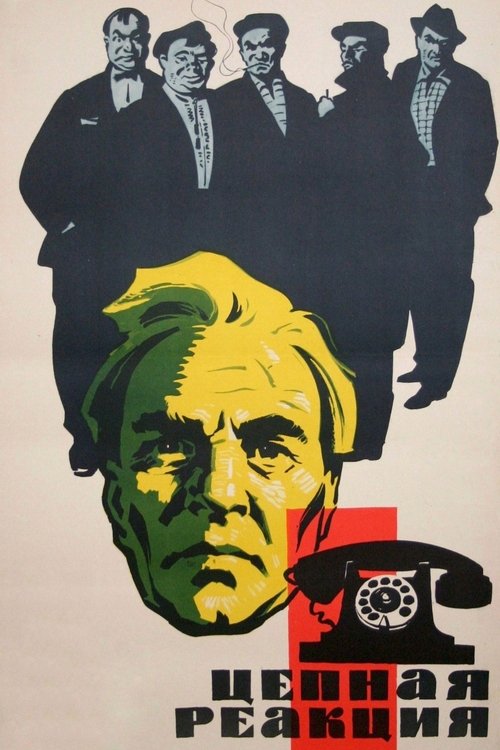
An old pickpocket named "Cardinal", during the days of the International Festival of Youth and Students, decides to gather old “personnels” to prepare small and large thefts from the festival participants. During the "conference" it turns out that a complete "personnel crisis" has come. The ensuing meeting with the former bootlegger — Senka-Moroz, who broke with his past and found happiness in his family and honest work, leads the Cardinal to confusion and mental confusion. A conversation with Professor Muromtsev, a terminally ill person who nevertheless cares about the fate of others, shock the "Cardinal" and he takes the first but decisive step towards a new life, breaking with the criminal world.