
Terje Toomistu
Directing
Biography
Feminist anthropologist, who also works as a documentary filmmaker, an independent writer, photographer, and curator to reflect the world and share experiences. Her main interests are various cross-cultural processes, visual anthropology, gender studies, and cultural memory.
Known For

Activist Jeremy Kewuan faces the invisible power of ideology and faith as he combats traditions of present-day slavery on a remote Indonesian island.
Slave Island
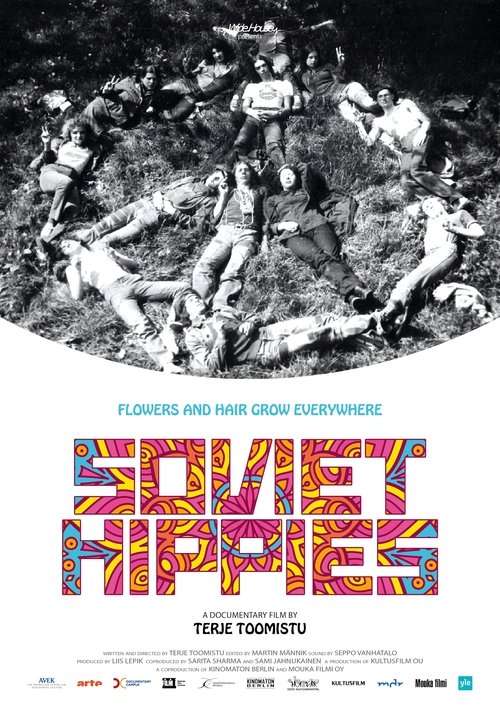
The hippie movement that captivated hundreds of thousands of young people in the West had a profound impact on the other side of the Iron Curtain. Within the Soviet system, a colorful crowd of artists, musicians, freaks, vagabonds and other long-haired drop-outs created their own system, which connected those who believed in peace, love, and freedom for their bodies and souls. More than 40 years later, a group of eccentric hippies from Estonia take a road trip to Moscow where the hippies still gather annually on the 1st of June for celebration that is related to the tragic event in 1971, when thousands of Soviet hippies were arrested by the KGB. The journey through time and dimensions goes deep into the psychedelic underground world in which these people strived for freedom.
Soviet Hippies
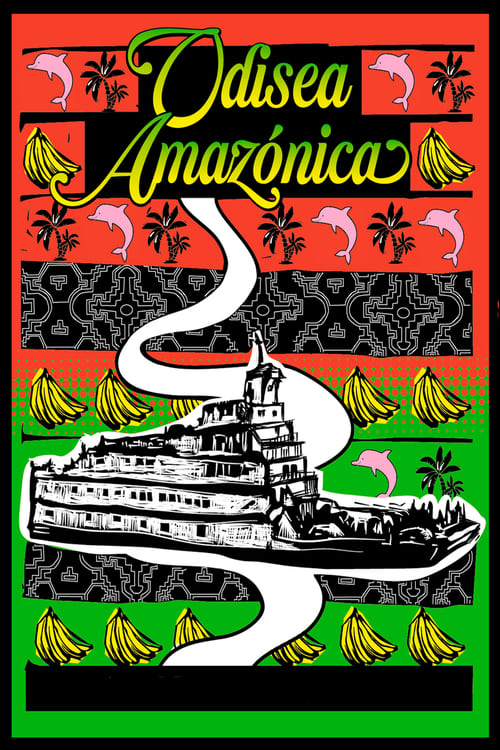
Cargo boats form a non-lieu, a space of transition for the traveler staking journeys that can last days, as well as for the indigenous communities living on the edges of the Amazon River, fighting for the survival of their cultural traditions and struggling to adapt to modernity.
Veins of the Amazon
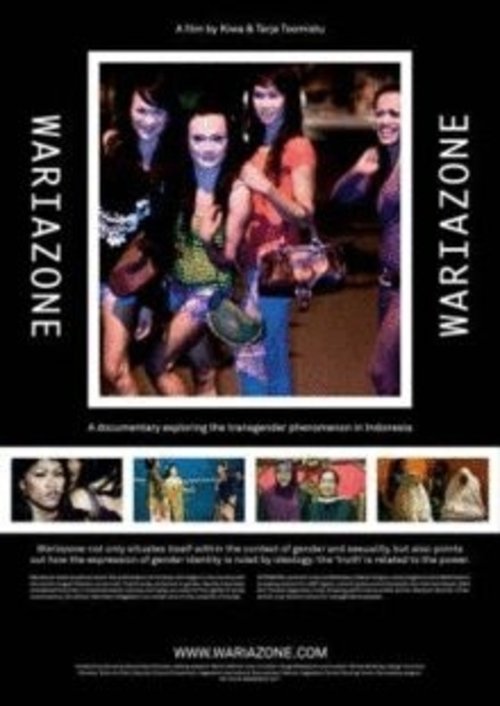
Wariazone explores the notion of transgender in Indonesia and relations between gender identity and freedom. It raises questions about the politicization of morality and religion after the reform era. Traditionally, variations in gender identity have been considered to be holy in many Indonesian cultures, but today the warias have been relegated to an outlaw zone on the outskirts of society. The consequences of the stigmatization based on the rigidity of social constructions (morals, religions, hetero-normativity, etc.) include non-recognition of their gender identity, discrimination, limited work opportunities, the sex industry, and HIV/AIDS. Wariazone not only situates itself within the context of gender and sexuality, but also points out how the expression of gender identity is ruled by ideology: the ‘truth’ is related to the power.
Wariazone
At the heart of the film is a generation born after Estonia joined the European Union and who decided to go abroad to work, study or explore the world. But years later, returning to Estonia is often not as easy. The new place of residence often offers attractive career prospects and better living conditions, and important close relationships have developed. People fall in love and get married, find new comfort zones and ways to step out of them again. Terje Toomistu's documentary brings to the viewer a story about Estonians with colorful destinies living in different parts of the world, who honestly and openly share their personal stories, thoughts and feelings about migration, belonging and roots.