Ādolfs Skulte
Sound
Known For
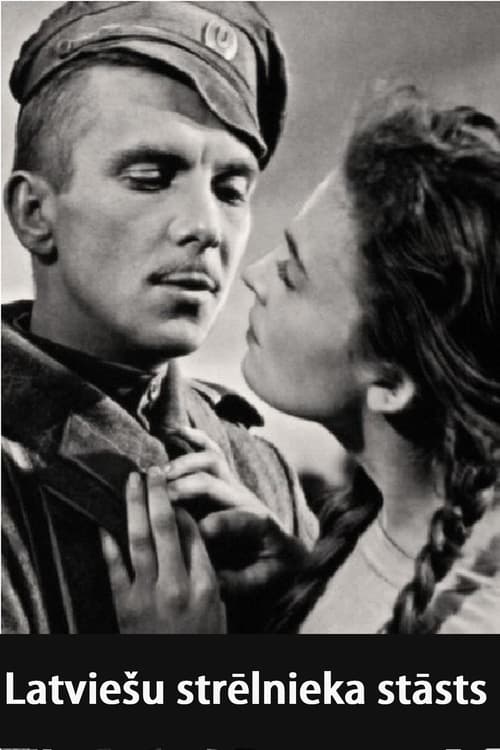
A story of a Latvian rifleman between two revolutions.
Latviešu strēlnieka stāsts
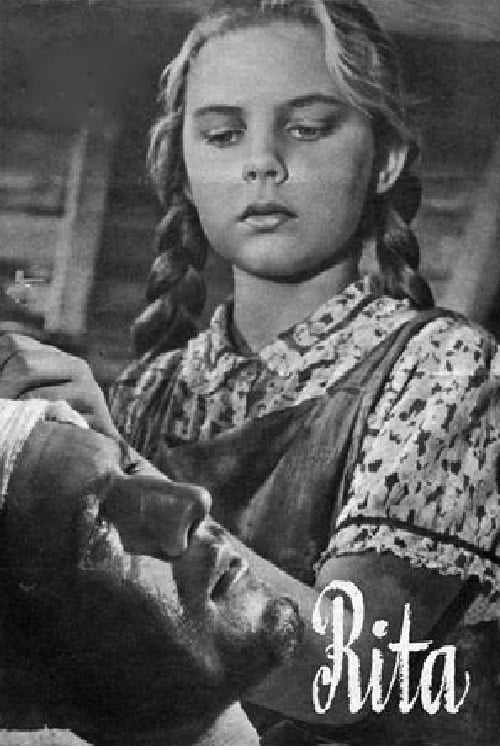
The last summer of World War II in a Latvian fishing village. Ten-year-old Rita risks her life to care for and provide everything necessary for four prisoners of war rescued by fishermen—a Frenchman, a Russian, and two Latvians—who are hidden in the attic of a school converted into a warehouse by the German army.
Rita
A biopic of Rainis (born as Jānis Pliekšāns), a Latvian poet, playwright, translator, and politician, whose works had a profound influence on the literary Latvian language, and the ethnic symbolism he employed in his major works has been central to Latvian nationalism.
Rainis
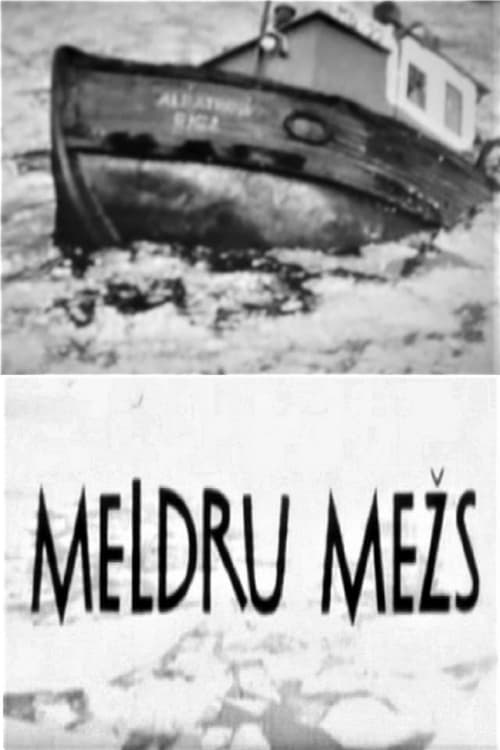
The film is about the fisherman Styopa, who alone survived the sinking of a fishing vessel.
Meldru mežs
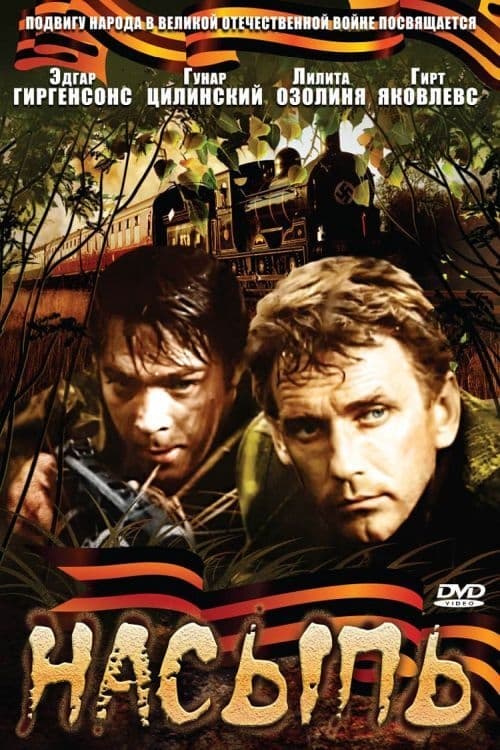
No description available.
Uzbērums
The film focuses on composer Ādolfs Skulte (1909-2000) and his life story as told through his own memories, archival materials, and music. In interviews filmed in the late 1990s, the maestro recounts his life and recalls his childhood, his studies with Professor Jāzeps Vītols, his work as a teacher, his move from Kiev to Latvia, and his most memorable students – Imants Kalniņš, Mārtiņš Brauns, Vilnis Šmīdbergs and others – the creation of the ballet Brīvības sakta (1946-1950) and other important events in his life, which culminated in the Grand Music Award for lifetime achievement in 1999. Ādolfs Skulte is filmed by his son, cinematographer Gvido Skulte, and the composer's wife Helēna and grandson, artist Kristaps Skulte, also play an important role in the film.
Nepabeigta saruna par dzīvi, mīlestību un mūziku
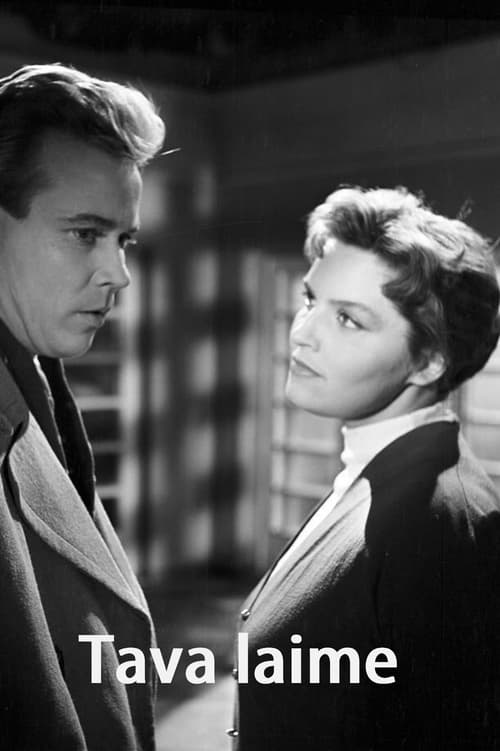
An inspector is torn between her conviction of there being a need to reconstruct a factory, and a love interest who asks of her not to do that in order for him to further his career.