Production
December 1989, director Katsuyuki Hirano took on the journey of biking across Hokkaido under extreme weather. This is the documentary about that journey.
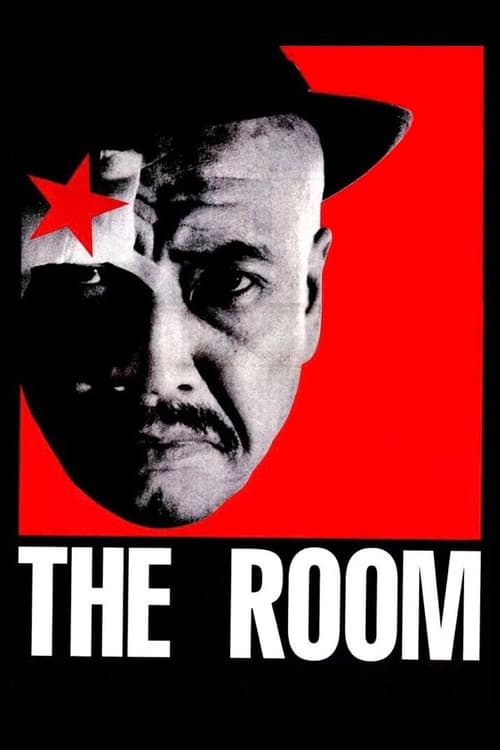
A quiet killer is looking for a room. The real state agent, shy and expressionless, guides him through Tokyo, towards the ruins the decadent economy has left behind, in hopes of finding The Room.
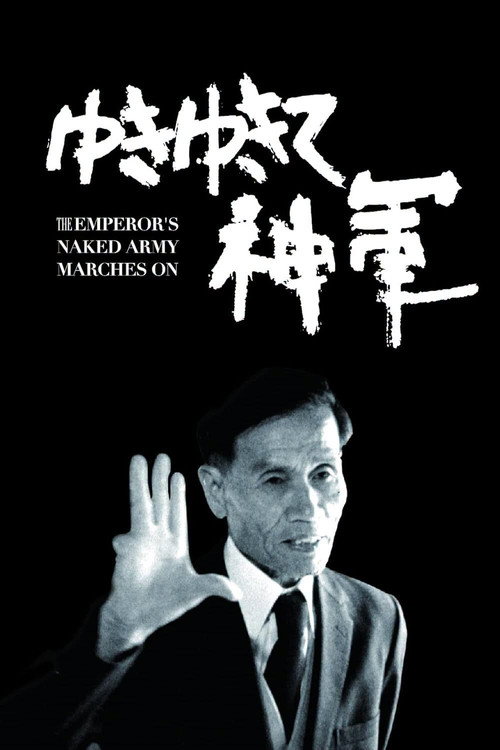
Kenzo Okuzaki, a 62-year-old veteran of the New Guinea campaign in World War II, sets out to conduct interviews with survivors and relatives to find the truth behind atrocities committed by Japanese military, in particular the unexplained killing of two Japanese privates in his unit.
Roughly chronological, from 3/96 to 11/96, with a coda in spring of 1997: inside compounds of Aum Shinrikyo, a Buddhist sect led by Shoko Asahara. (Members confessed to a murderous sarin attack in the Tokyo subway in 1995.) We see what they eat, where they sleep, and how they respond to media scrutiny, on-going trials, the shrinking of their fortunes, and the criticism of society. Central focus is placed on Hiroshi Araki, a young man who finds himself elevated to chief spokesman for Aum after its leaders are arrested. Araki faces extreme hostility from the Japanese public, who find it hard to believe that most followers of the cult had no idea of the attacks and even harder to understand why these followers remain devoted to the religion, if not the violence.
In the slums of Osaka, various marginalized misfits have their own interpretations of love. Completely alienated from the outside world, they commit sexual perversions, violence and cannibalism.
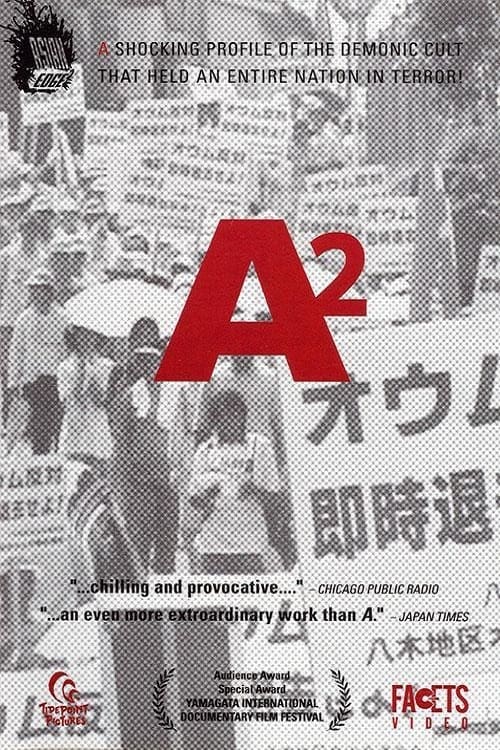
A2 is a continuation of director Tatsuya Mori's film A (1998), an incredible view inside the compound of Japan's Aum Shinrikyo cult after its leaders carried out the deadly sarin gas attacks on the Tokyo subway in 1995. Most followers had no idea that the attacks were being planned, or even that their new religion had violent aspirations. After the attacks, these followers were left to rebuild the religion where they had once found peace in the face of overwhelming, and understandable, condemnation from the rest of Japan. Central focus is placed on Hiroshi Araki, a young man who finds himself elevated to chief spokesman for Aum after its leaders are arrested. Araki faces extreme hostility from the Japanese public, who find it hard to believe that most followers of the cult had no idea of the attacks and even harder to understand why these followers remain devoted to the religion, if not the violence.
Sho is a loner who works at a small factory. He has no friends, hardly associates with his work-mates and is regarded as a weirdo because of his love for gun models. One day he buys a real gun from a local yakuza. This boosts his self-confidence and he overcomes his insecurities and presents a bouquet of flowers to Eiko, who lives in a classy apartment and with whom he had fallen in love.
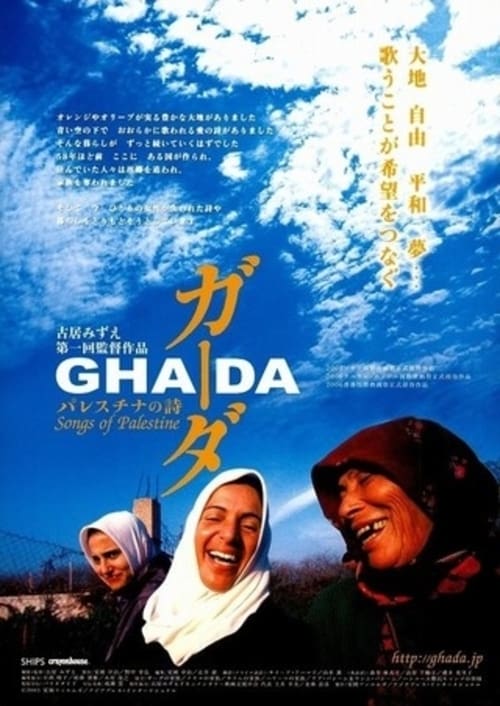
In July 1988, Mizue Furui was in the Gaza Strip and West Bank with her camera as a rookie freelance journalist. Covering the Palestinian condition, she became acquainted with Ghada Ageel, a 23-year-old teacher at an elementary school, in November 1993 and started shooting her life up to when she turned 35. The 12 years Furui spent shooting still and video images has borne fruit in a documentary titled "Ghada -- Songs of Palestine," which will be released in Uplink Theater in Shibuya Ward, Tokyo, in May as a rare report on women in the traditionally male-oriented Palestinian society.
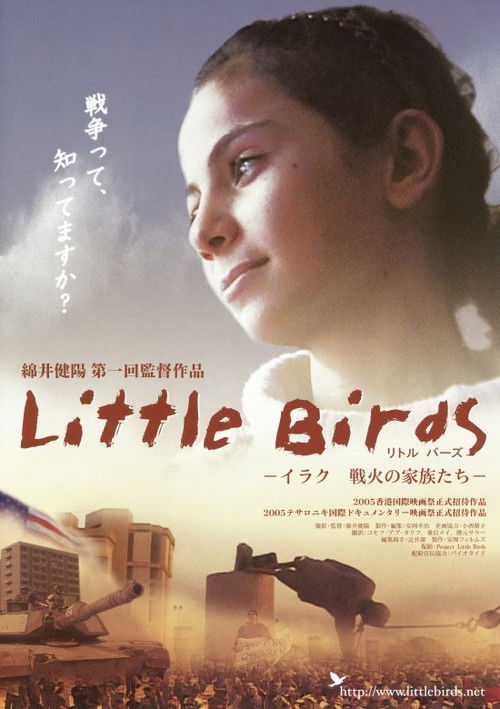
The director was already in Baghdad to cover the U.S. air raids when they began in March 2003. Shouting in front of a U.S. Army tank, he portrays the real situation that befell the Iraqi civilians. As he shows how different families fall victim to heavy air raids and the horrors of war, he questions the “meaning” of war.
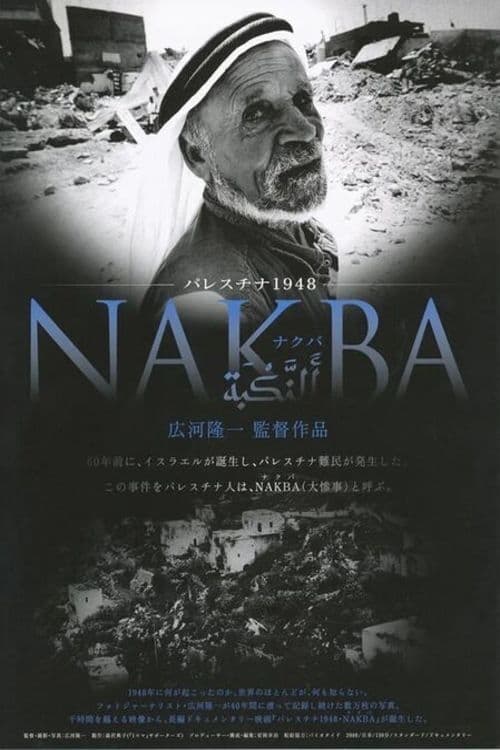
The year 2008 marks the 60th anniversary of the foundation of Israel. It marks also the beginning of 60 years of the suffering for the Palestinian people. This tragedy is referred to as the “Nakba,” meaning catastrophe in Arabic. Since 1948 at least 420 Palestinian villages have vanished. The photo journalist Ryuichi Hirokawa has filmed over 1,000 hours of footage and has taken thousands of photographs of the Palestinian people and their vanished villages. This film is a distillation of this footage
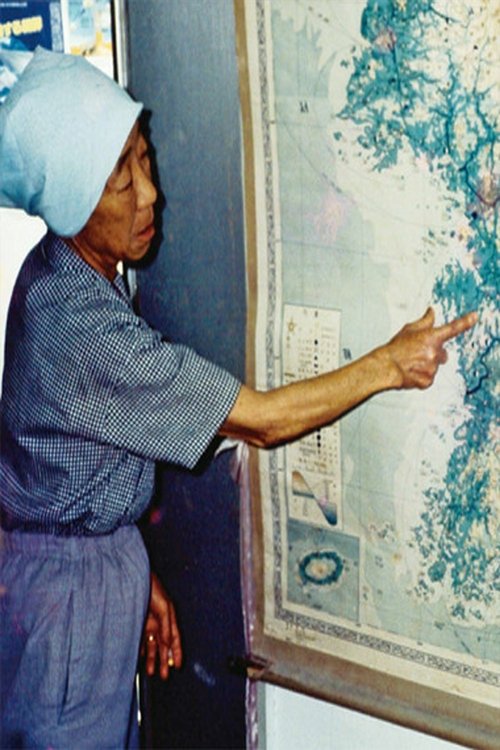
Bae Ponggi, a Korean woman who became a comfort woman for the former Japanese military in 1944, testifies for the first time in Okinawa in 1975, after Okinawa was returned to the mainland. In the "red-tiled house" on Tokashiki Island, Okinawa, which was turned into a comfort station, she talks about her life and relationships, her situation after being left behind on the Korean Peninsula and unable to return to it after the war, and what happened afterwards.
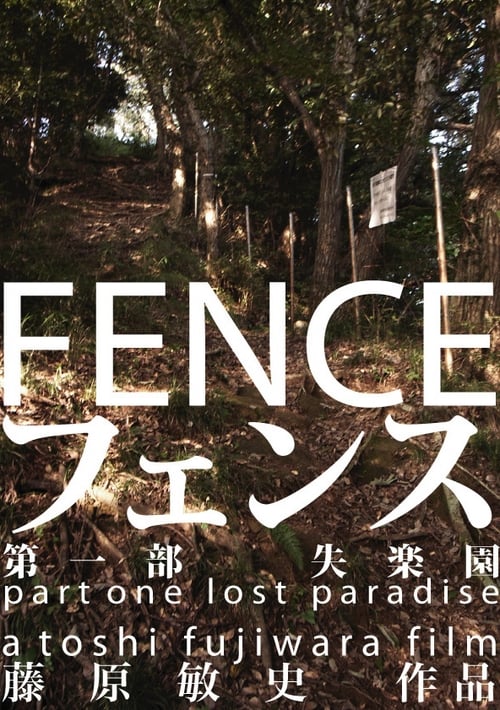
Before World War II, Ikego village was an idyllic agriculture community. The Imperial Navy took over the village and the hills to build the largest ammunition preserve in Asia. When Japan lost, these facilities were taken over by the US Navy, and are now housing for the American soldiers.
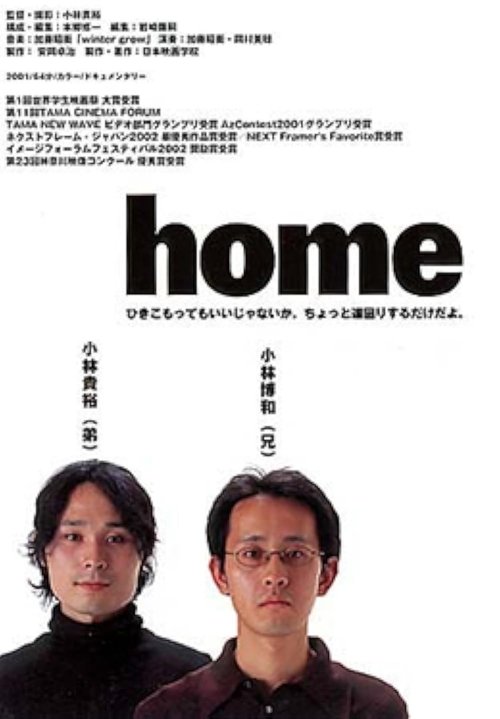
A 25-year-old film student with a socially withdrawn brother films his family.
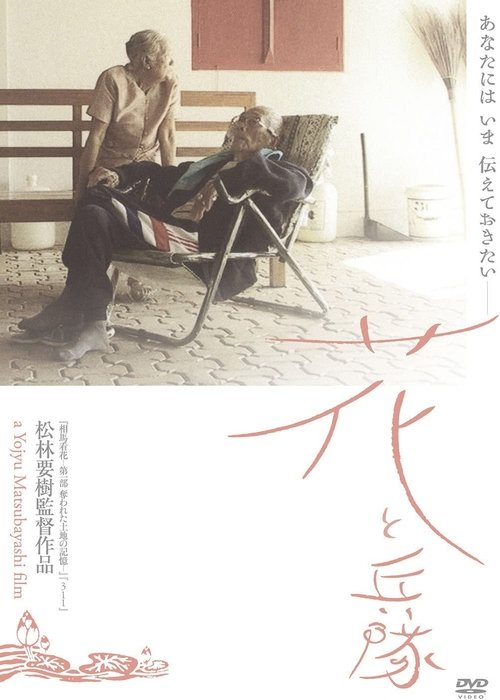
A documentary series of interviews with elderly Japanese men, former soldiers in Thailand or Burma, who hid from the departing Japanese troops at the end of WWII and made their lives with native families.
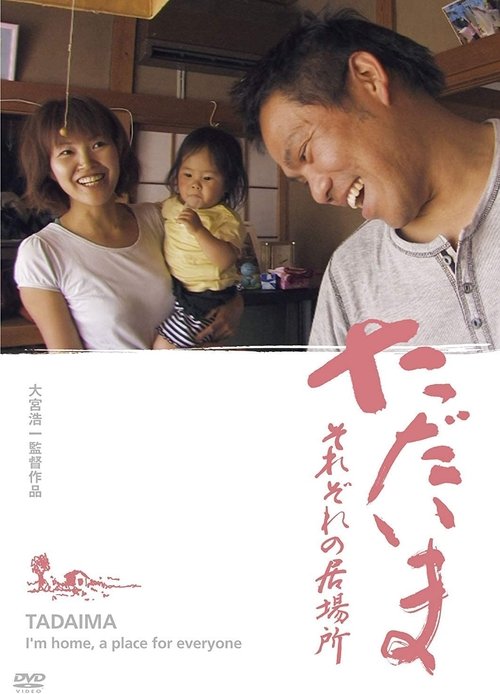
Ten years after the introduction of the long-term care insurance system, some people question the uniformity of long-term care services and set up new long-term care facilities on their own. The film covers three welfare facilities and documents the young staff struggling to make ends meet.