Directing
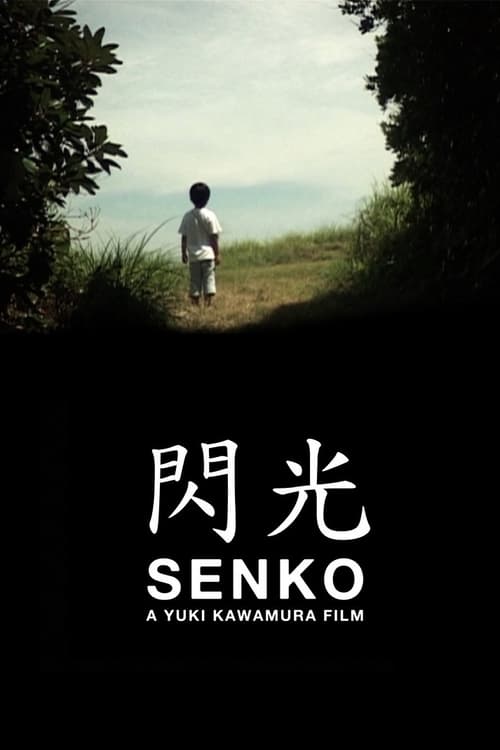
Yuki lost his mother after a long illness, when he and his sister were still children. For loved ones, she is now only a distant voice, a foreign face on photos, a ghost who visits them in their dreams, an increasingly blurred memory. Munemitsu, his father, has done all he could to fill this unfathomable emptiness, even forgetting. But to no avail, given that Norie is still there, like a latent and sprawling presence, entwining the invisible bonds of the family. But who really was Norie?
Running in a snow landscape. Images come and go as memory does
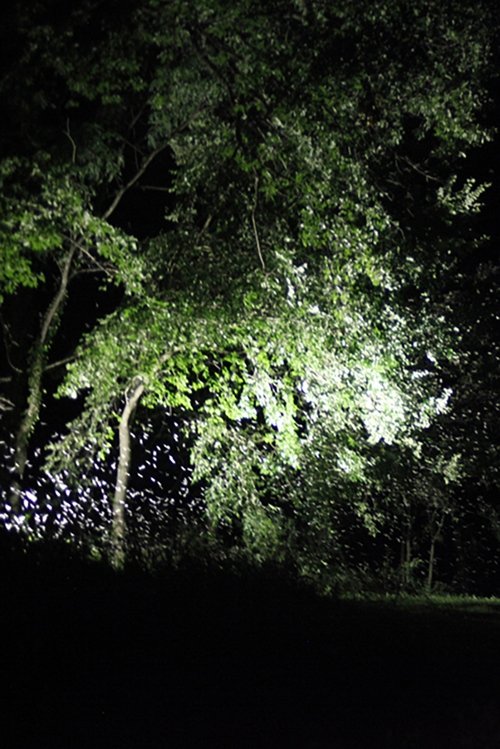
Larva for a long time, sublimago for a few hours and imagoto breed, not equipped to eat, this short-lived being is reminiscent of the legacy of the fireflies expressed by Pier Paolo Pasolini. Referring to Philippe Jaccottet, Yuki Kawamura juxtaposes time and movement without dreading the motionless moment.
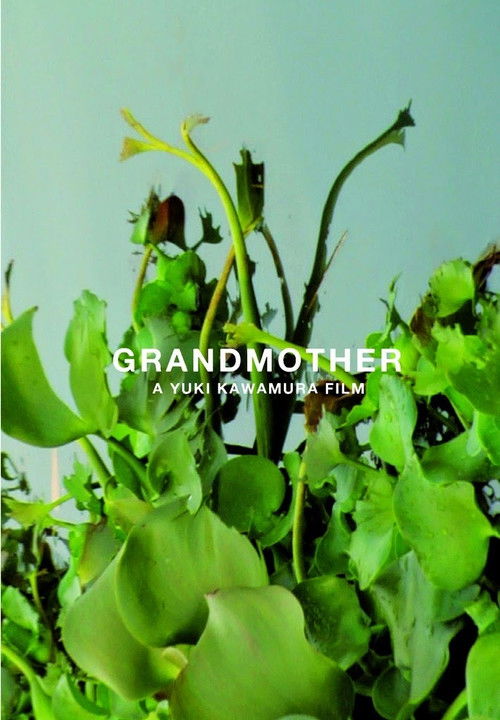
Grandmother death is an opportunity for each and everyone to reflect upon mourning, and beyond that, upon life, its multiple forms, its disappearance as well as its inexhaustible resources, and the signs of its infinite diversity. Life’s beauty is in water, mist and foam, in lichens and trees, in this grandmother’s dying face, and in her family’s care, affection and joking, in her children’s every word, every breath.
People arriving and departing from the airport seen through a revolving door. Modern live as it moves on in time and space
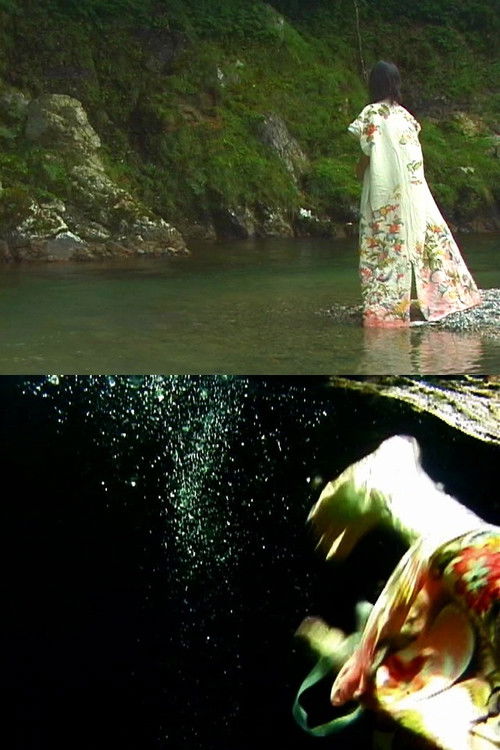
Two lovers swim in the river Lethe, the river of forgetfulness and oblivion. In Greek mythology, the river Lethe flowed through the Underworld, where all those who drank from it experiencend complete amnesia. The lovers never meet and thus drift apart. A girl dives into the river to forget an unhappy love.
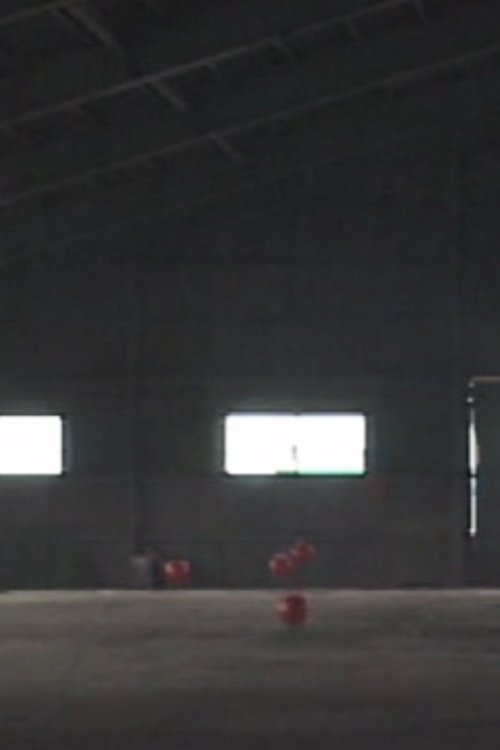
12 red balls spring from the ground into the air. They fall down, come to a stop and fade away to show the beautity of gravity's rhythm
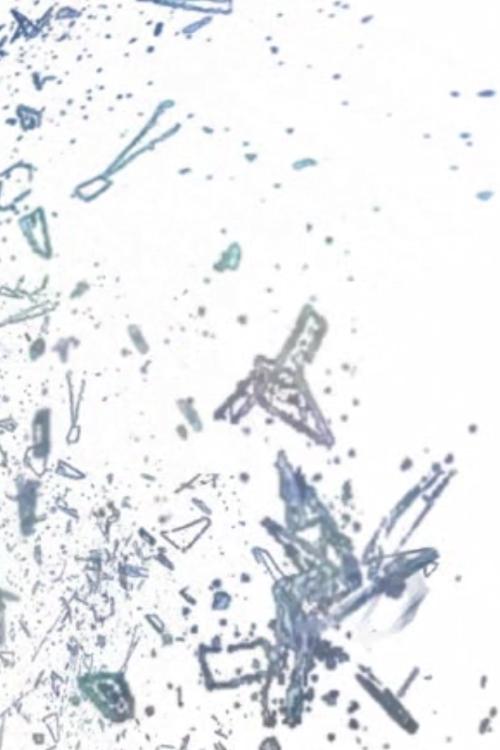
Pieces of glass float almost weightlessly in a void. Due to high fragility they fall apart when they clash. Fragility stands for beauty which is short lasting
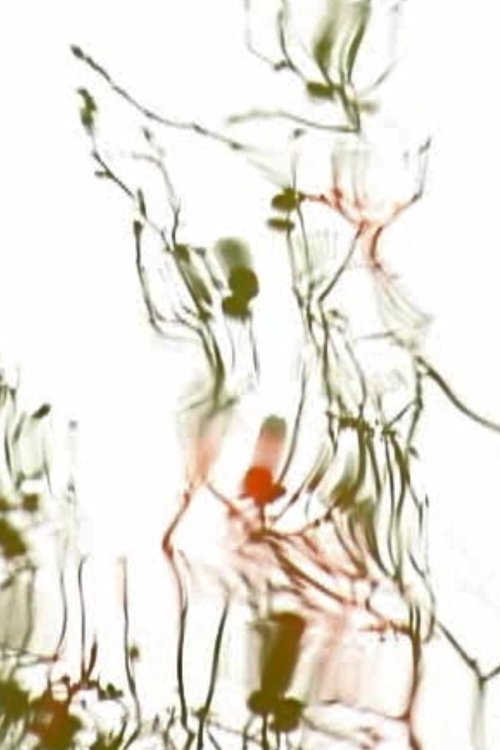
Branches of trees reflect onto the surface of the water. The movement and colors of the images are completely natural and unprocessed. Neighboring objects reveal their intrinsic beauty through the eyes of the viewer
Outlines of people turn as the people themselves walk into a light space. Everything is connected to each other. Material is transformed as spaces slide into other spaces and people become dust
In the suburbs of Kyoto, Japan, the director Yuki Kawamura's grandmother gets placed into a retirement home. For various reasons, none of her children can or want to welcome her into their own house, but some of them come to visit her at the nursing home. Little by little we get to discover the complexity of this family through interviews and family reunions. And as life goes on, with its share of weddings and births, the grandmother faces the end of her life, giving us the opportunity to reflect upon death and the relationship between a mother and her children.
A Japanese family is confronted with the mother's disease. The profoundly symbolistic images of this short film show us how Yù and his father perceive the possibility of the death and how it affectsa young boy and his vision of life.
A short video by Yuki Kawamura.
After his encounter with a blind Russian filmmaker during the 2012 Saint Petersburg film festival, Yuki, a young Japanese director, takes his camera with him and heads to the Siberian city where his new acquaintance lives, into the heartland of Russia.
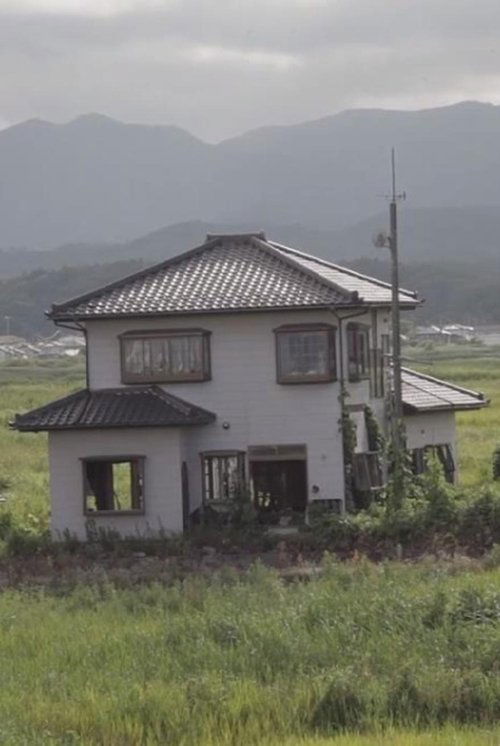
This series of three films were shot four months, four years and six years respectively after the tsunami in the region of Tohoku, in order to observe the changes in the landscape and how humans tries to resist the forces of nature. But despite all their efforts, they are helpless against the radioactivity that continues to plague the area.
Smoke, clouds and objects appear in the sky. The frame of view travels above to its upmost point demonstrating the infinity of the universe
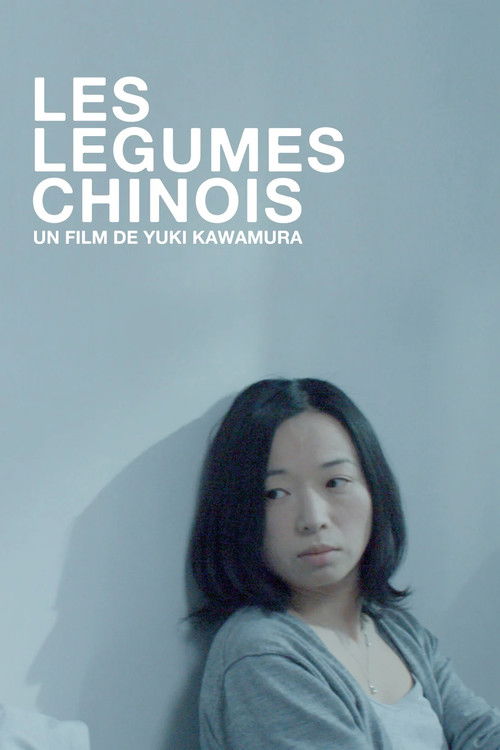
A young woman is being offered seeds of a vegetable with incredible energetic properties. The care required by the culture of these vegetables opens internal perspectives to the young woman, which transform her step by step. The insipid routine of this young woman takes slowly a direction...
1962. Nagisa, a shy and modest young city girl, leaves Tokyo for Hegura, an isolated island in the west of Japan. To stay there, she will have to join the "ama", women who dive naked to fish for shells. Free and strong, they obey only the laws of nature and those of their clan.