Harry Hornig
Directing
Known For
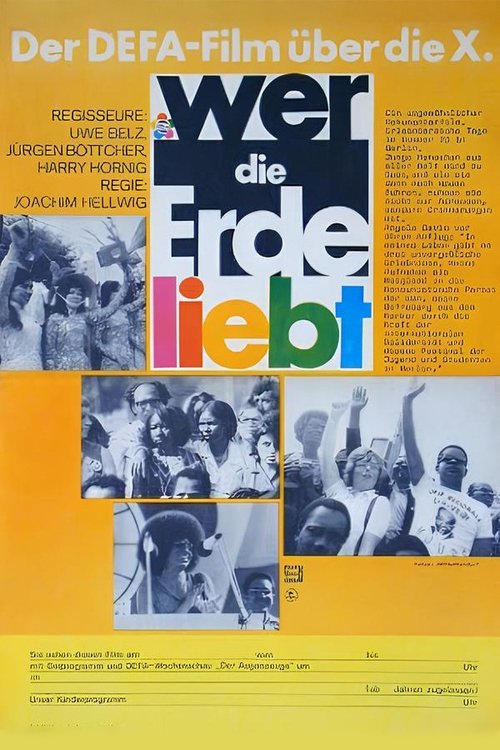
A DEFA documentary celebrating the 10th World Festival of Youth and Students, held in East Berlin in the summer of 1973. Blending reportage with staged elements, it presents the festival as a showcase of international solidarity, culture, and socialist ideals.
Who Loves the Earth
A village in the Republic celebrated its traditional clover festival in the summer of 1976. In the form of a political feuilleton, the film conveys to the viewer the new attitude to life of the people in the countryside.
Gut gemeinter Zuruf oder Das Kleefest
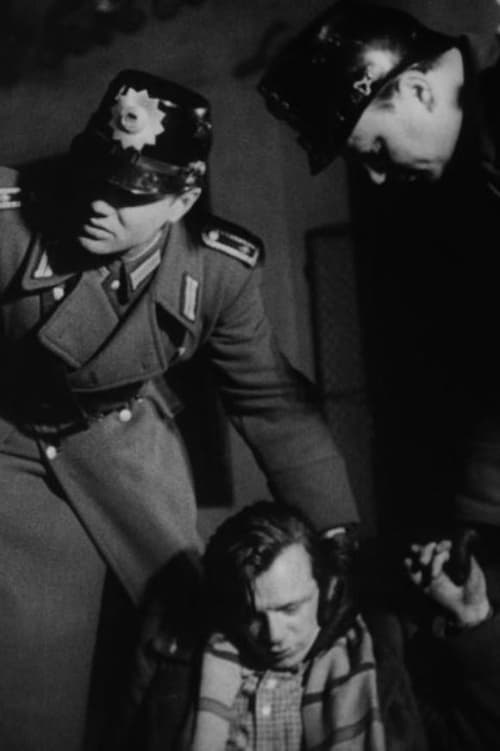
Black and white short documentary about the patrol of the EMW radio car "Toni 14" of the Berlin police.
Eine Nacht wie jede andere
This black and white documentary follows Ewa from Witunia and other girls from Poland, who work at Kabelwerk Oberspreee in Berlin since about a year. The movie tries to find out how the young women feel living in the GDR, working with their german colleagues. Ewa is critical and tries to fight widely spread prejudices about Polish and German people alike and she also speaks out about injustices at work.
Ewa - Ein Mädchen aus Witunia
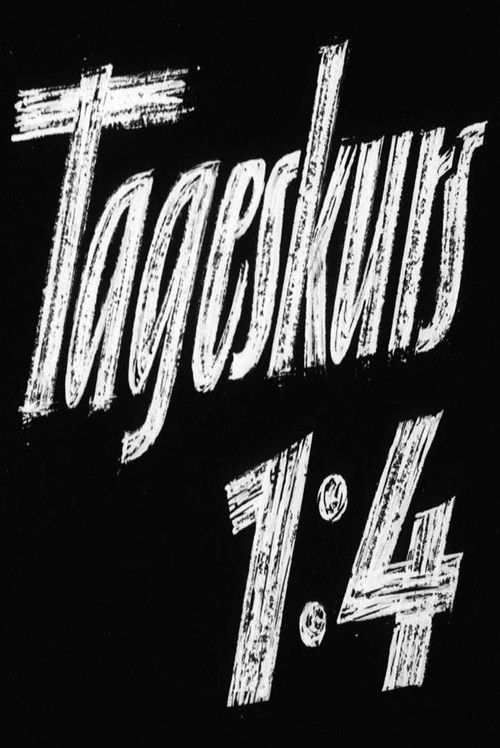
On October 13, 1957, cash was exchanged in the GDR (old bills 1:1 for new bills). The film reports on this event.
Exchange Rate 1:4
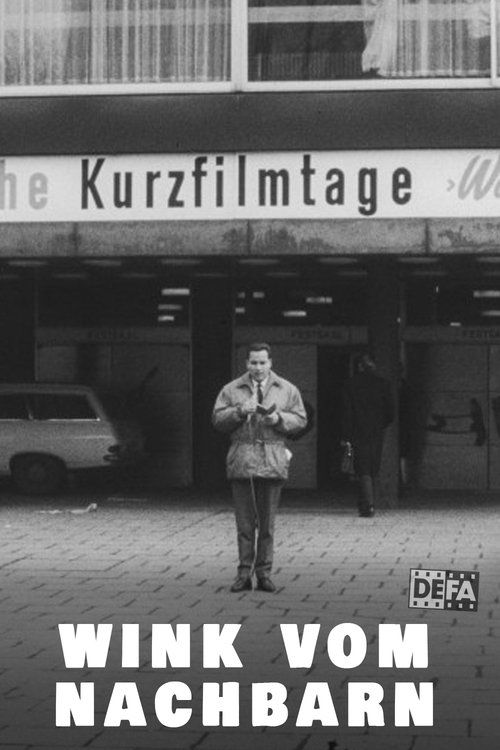
A polemical report. "Way to the neighbors" is the motto of the Oberhausen Short Film Festival. In their "Remarks on the Oberhausen 66 Film Festival," the GDR documentarians Gerhard Scheumann and Walter Heynowski take the competition selection to task: They see formal experiments as "excesses on the big screen" and instead of political themes, they discover a "surge of perversity." After her own film "Kommando 52" was rejected by the festival, a criminal complaint by the GDR lawyer Friedrich-Karl Kaul against the mercenary and commander "Kongo-Müller" is the focus of a press conference. The refusal of a cinema owner to show the film was a "hint from the neighbors", the neighboring public order office, and therefore state censorship in the Federal Republic of Germany.
Hint from a Neighbor
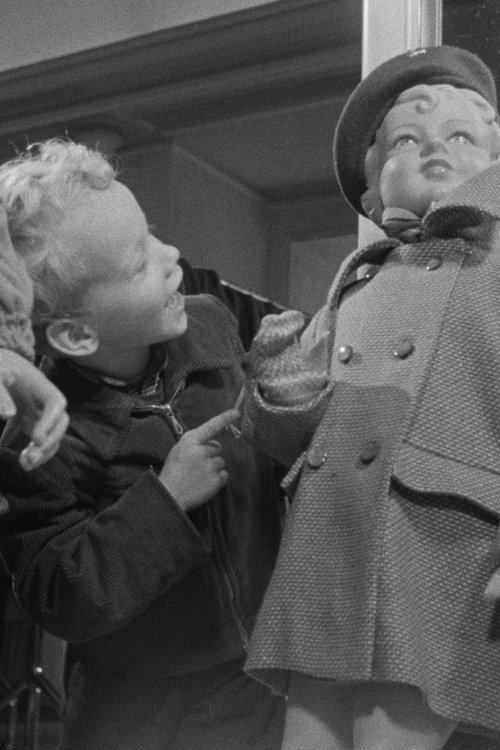
Five-year-old Norbert visits Haus des Kindes in Berlin with his parents. He runs away and visits the whole house on his own. He strolls through the clothing department, past shoes, takes the escalator and elevator up to the children's café, barely escapes an attentive waitress and ends up in the toy department while his parents are looking for him upstairs. Found and punished by his father, Norbert experiences all kinds of adventures in his dream.
Norbert, der Ausreißer
An insight into the culturally and historically significant region of Hadramaut.
Das Tal von Hadramaut
East German short documentary
Betrifft: Fabrikation
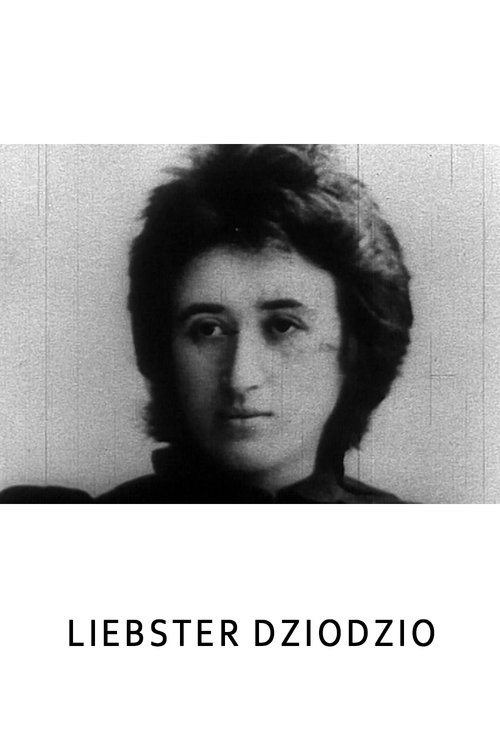
"Dearest Dziodzio" was filmed using quotes from letters Rosa Luxemburg wrote to her lover, the revolutionary labor leader Leo Jogiches, during her stays in Poland, Germany, France and Switzerland in the years 1893-1905. With historical photo and film montages, mixed with newly shot material, the film tries to give an insight into the life problems, the thoughts and feelings of Rosa Luxemburg. The film is enriched by the recordings of the original letters, which are read out by the director, as well as by drawings, watercolors and herbaria by Rosa Luxemburg.
Dearest Dziodzio
The life and work of Halle-born Georg Friedrich Händel, the Händel Museum, and the Händel Festival in Halle are presented.
Seid Hirt und Herde ohne Furcht
No description available.
...Und Sie wollen immer noch Deutscher sein...
An extraordinary documentary about a little-known aspect of Jewish life in the GDR: Róza Berger-Fiedler chronicles the Yiddish Cultural Festival, which took place for the fourth time in East Berlin in 1990. The film features performances by renowned Jewish artists from the GDR, Poland, and Lithuania, as well as conversations with prominent figures in Jewish community life and Jewish cultural production from several European countries.