Acting
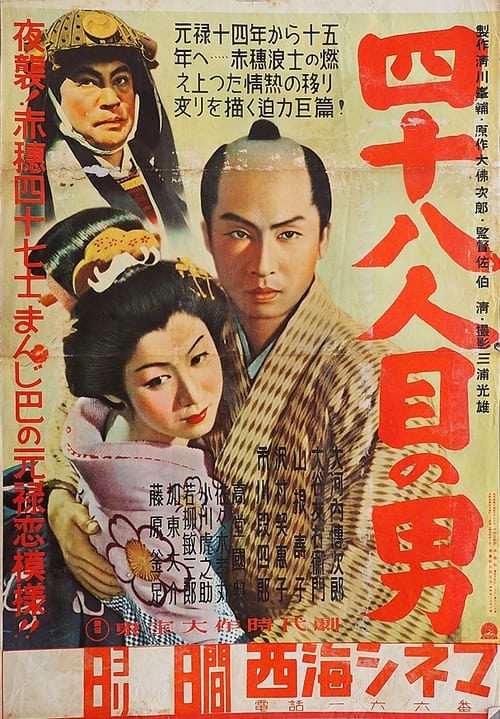
After their lord is tricked into committing ritual suicide, forty-seven samurai warriors await the chance to avenge their master and reclaim their honor.
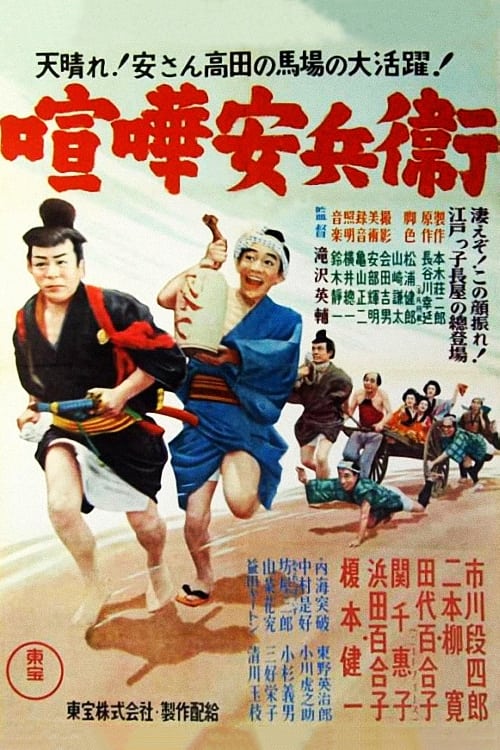
Yasube Nakayama left the clan and lives in Edo. One day, Yasubei visits his uncle Rokuroemon Kanno to borrow money from a moneylender in the amount of 13 ryo in order to save Oteru, the daughter of a merchant. However, the next day, Rokuroemon was killed in a fight by the Murakami brothers. Yasubei rushed to the scene, took revenge and became the husband of Miya, the daughter of Horibe Yahei.
1952 Japanese movie
Jidai-geki by Kiyoshi Saeki
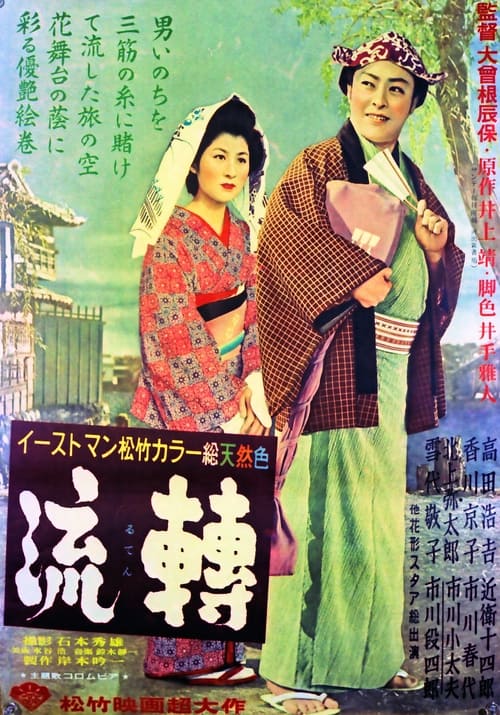
In the eleventh year of the Tenpō era, the Kawarazaki-za theater in Edo buzzed with excitement for a new production of "Kanjinchō" by Naritaya, featuring music by the master Kineya Rokusaburō. However, Naritaya's requests to change some of Rokusaburō's most painstakingly crafted parts of the composition angered his disciple, Shinjirō, leading to a conflict and Shinjirō's abandonment of the shamisen. One day, Shinjirō was captivated by the mysteriously beautiful dance of Oaki, a traveling performer's daughter, who seemed to be channeling her art into a form of revenge.
Soldiers Hayate and Yaheiji secretly escape from their besieged castle. Hayate has left behind his lover, Kano. On his way, Hayate is wounded and cared for by O’Ryo, who falls in love with him. But when Hayate accidentally kills her caretaker, he flees, with O’Ryo in pursuit. Subsequently, Hayate's comrade Yaheiji falls in love with Oryo. Kano, the lover left behind by Hayate, believes him dead, and becomes involved with another soldier, Jurota. When Jurota defects to the opposing army, he takes Kano with him. A double set of love triangles has developed, wherein each man and each woman loves one and is loved by another. Finally only combat and self-sacrifice can untangle the weave.
Written by Kawatake Shinshichi II in 1873, this play is representative of a category of works called katsureki, "Living History" plays, which sought to depict past events as accurately as possible.