
Ellen Plessow
Acting
Known For
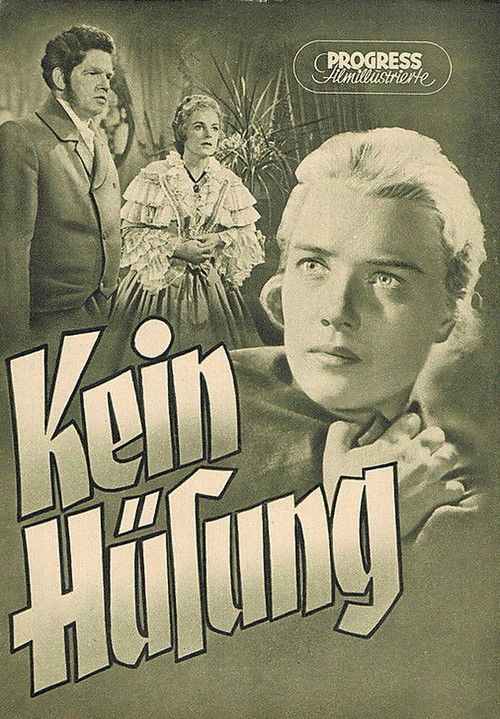
Mecklenburg, 19th century. For generations, the Brand family of farmers has worked a piece of land as tenants of the baron, who owns almost all of the village's land. The baron himself comes from a family of farmers who became rich through corruption and were ennobled. He is the absolute potentate, no one dares to contradict him, he takes what he wants and stops at nothing in his excesses. At the same time, he is the center of petty bourgeois, bigoted social life. Johann, the stable boy, wants to marry Mariken Brand and asks the baron for a piece of land so that he can build a life of his own. But the lord is harsh, not only refusing him the land, but also increasing the rent. Johann rebels, trying to rouse the farmers in the village from their lethargy—in vain. Only when Mariken dies does the mood change. A peasant uprising breaks out, and Johann kills the baron.
Kein Hüsung
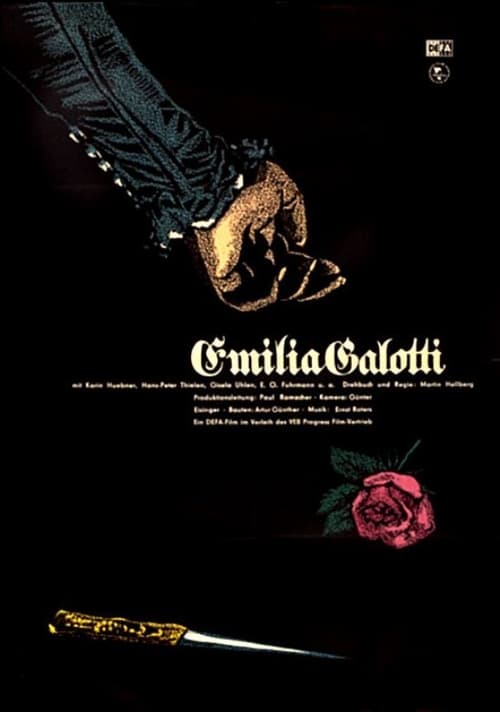
The Prince of Guastalla falls in love with the young citizen Emilia Galotti, who is soon to marry Count Appiani. In order to win Emilia, the prince tries to send the count on an "honorable" journey on his behalf with the help of his chamberlain Marinelli. However, after the Count refuses this offer, Marinelli decides to have the wedding carriage robbed on his own initiative in order to have Emilia abducted to the Prince's nearby pleasure palace. But he has not thought of the prince's mistress, Countess Orsina, and Emilia's shaken father Odoardo, both of whom soon arrive at the castle, one to meet the prince, the other to look after his daughter...
Emilia Galotti
No description available.
Wolga Wolga
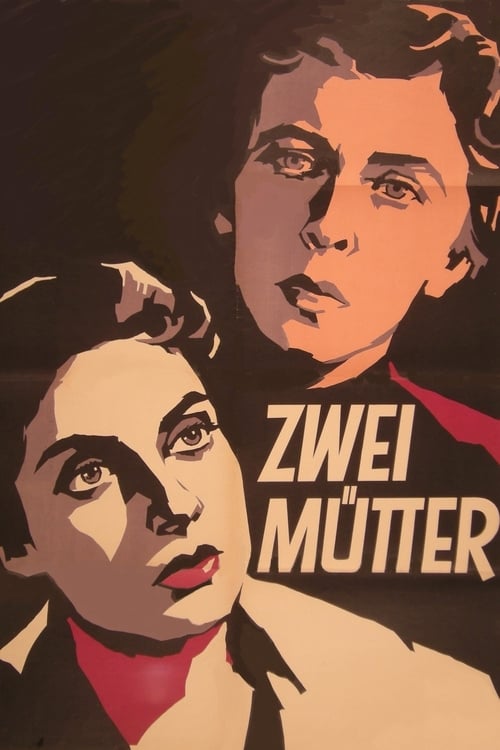
The story of two women, one French and the other German, who fight for a child who has been mistakenly taken by the Germans after a bomb raid.
Two Mothers
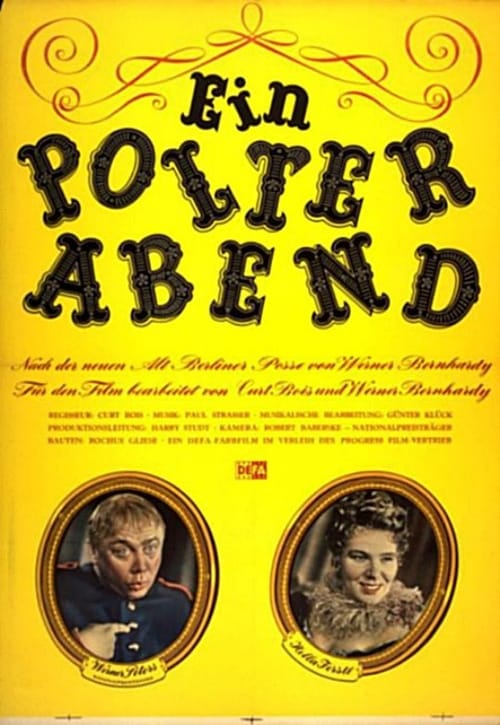
Berlin 1849: The democrat Adolf Glasbrenner, known as Brennglas, publishes the political satire magazine "Phosphor" on a shoestring budget. He plans to marry his lover, the actress Adele Peroni. But the plan comes to a standstill when Adele is to make a guest appearance at the reactionary Royal Prussian Playhouse. A democratic journalist marrying a court actress? Impossible! Together with his friend Pulecke, Brennglas tries to disrupt Adele's performance with a bachelor party...
Ein Polterabend
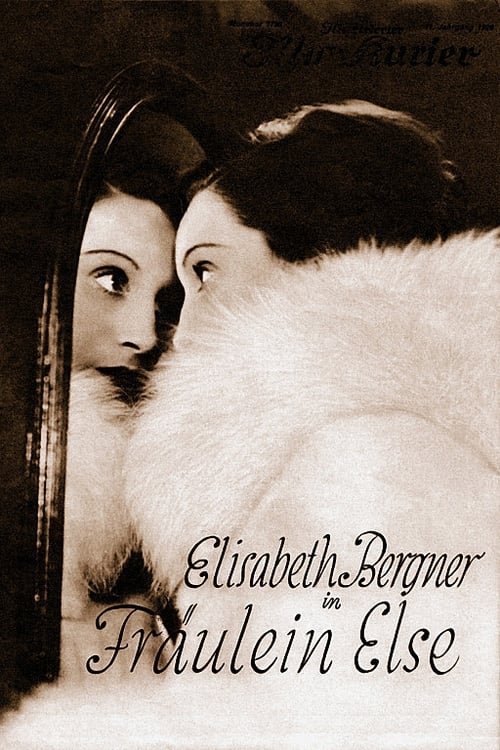
While staying with her aunt at a fashionable spa, Else receives an unexpected telegram from her mother, begging her to save her father from debtor’s jail. The only way out, it seems, is to approach an elderly acquaintance in order to borrow money from him. Through this telegram, Else is forced into the reality of a world entirely at odds with her romantic imagination – with horrific consequences.
Fräulein Else
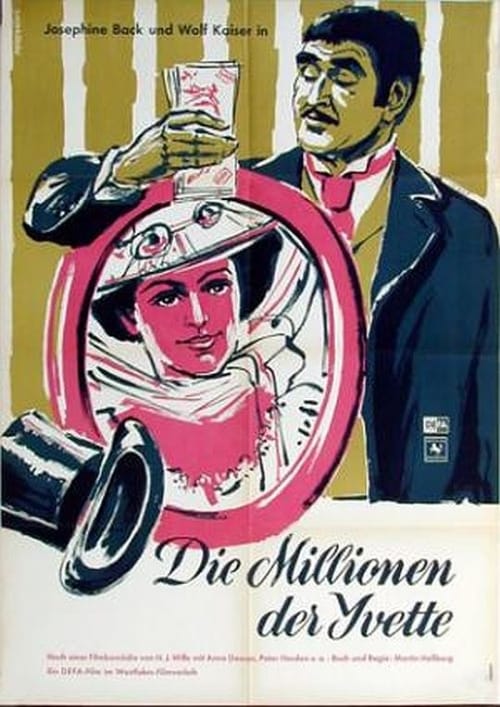
French milliner Yvette has a small fashion salon in Düsseldorf. The young gentlemen of society fall at her feet, but she is not accepted into their circles. That's why her former lover Maurice Daurignac manages to persuade her to pull off a big coup to get revenge on "high society". She pretends to be the heiress to ten million gold francs. A notary arrives from Paris accompanied by two supposed policemen and delivers the alleged money in a sealed parcel to the Bleichstetter bank in Düsseldorf, where it remains until the end of the inheritance process. The case drags on, and in the meantime the two are living large. When the bombshell bursts, Yvette has the young lawyer Dr. Hellmer to thank for the fact that she cannot be thrown to the angry citizens.
Die Millionen der Yvette
No description available.
Ledige Mütter
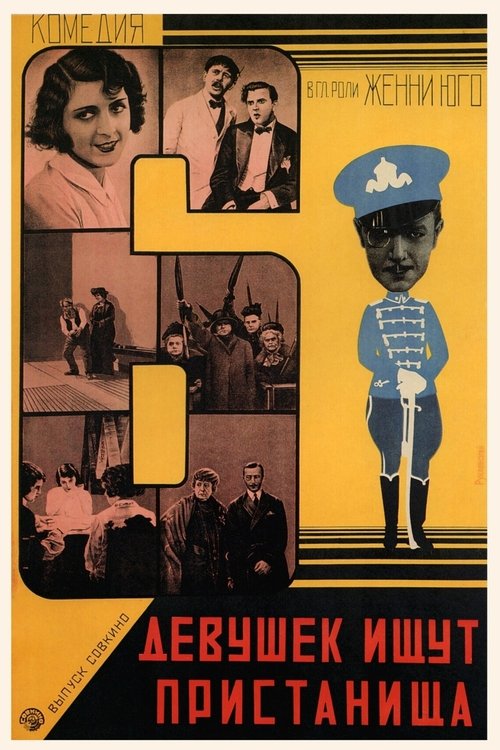
No description available.
Six Girls and a Room for the Night
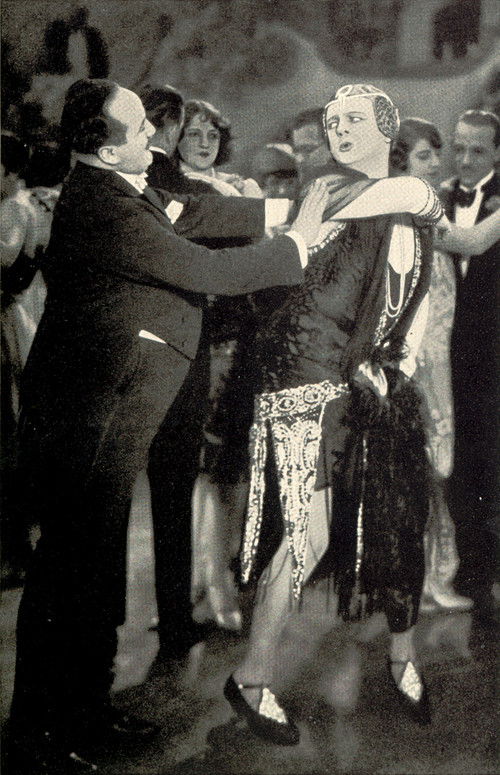
Reinhold Schünzel plays the rigid representative Traugott Bellmann, who publicly condemns the low morals of the night life. Although Belmann's stance is supported by his wife, he is strongly opposed by his father-in-law, a champagne manufacturer. But when he inherits 500 000 Marks in cash and the infamous nightclub "Der Himmel auf Erden" ("Heaven on Earth") from his deceased brother, Bellmann really gets himself into trouble: In order to fulfil his brother's will - and to get hold of the money - , he has to be at the club every night at 9 pm.
Heaven on Earth
No description available.
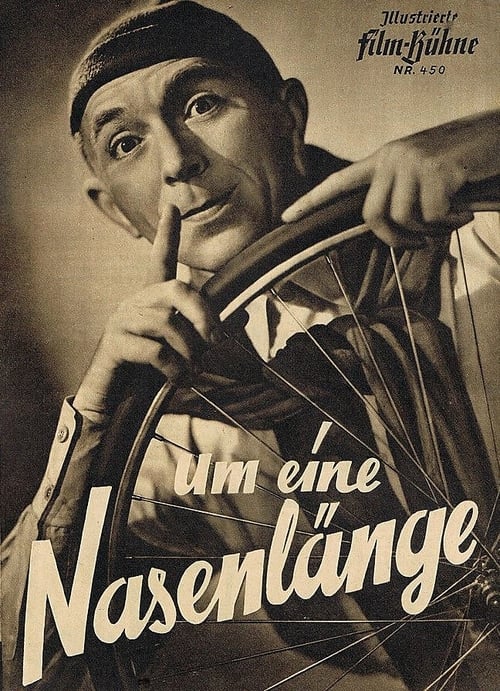
Um eine Nasenlänge

Lifelong hard work for the count makes the servant Anton a cripple. Everybody calls him Crooked Anton. When, after the end of the war, the land of the count gets divided amongst the farmers, Anton receives a piece and hopes to be able to work freely. But an old debt and intrigue keep Anton and his family from finding peace. The farmers of the village begin to discover their own power when Annegret, Anton's daughter, leaves. Is a new beginning possible for Anton? This film paints an impressive panorama of the development of a minor village in Mecklenburg from the end of the war to the uprising of 17 June 1953.
Castles and Cottages
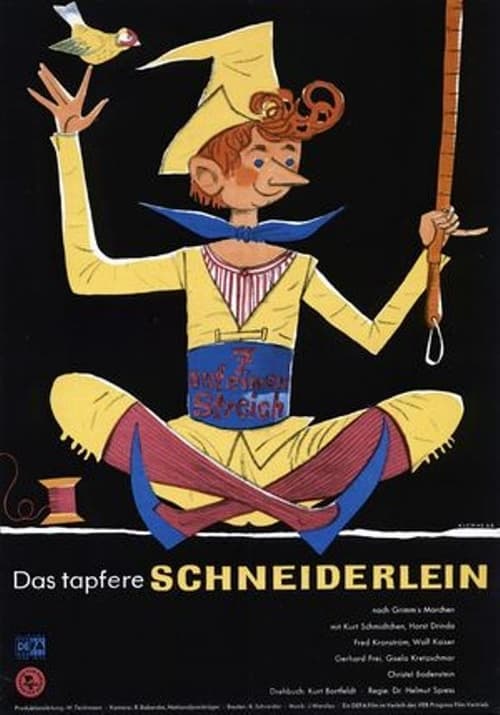
When Prince Vain got his shirt fixed, he proclaims that he had slain two lizards in front of the tailor's house - "two in one strike". When the tailor swats seven flies at once, he sows himself a banner saying "seven in one strike", and together with his bird he starts a journey into the world to pronounce his deed.
The Brave Little Tailor
No description available.
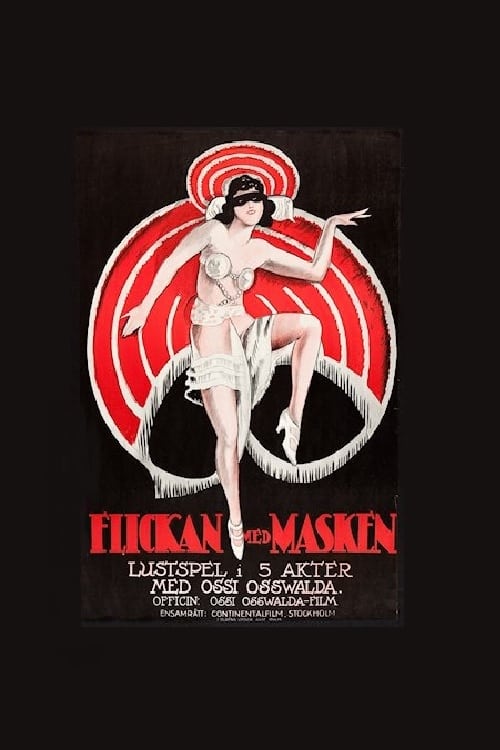
Das Mädel mit der Maske
No description available.
Küssen ist keine Sünd'
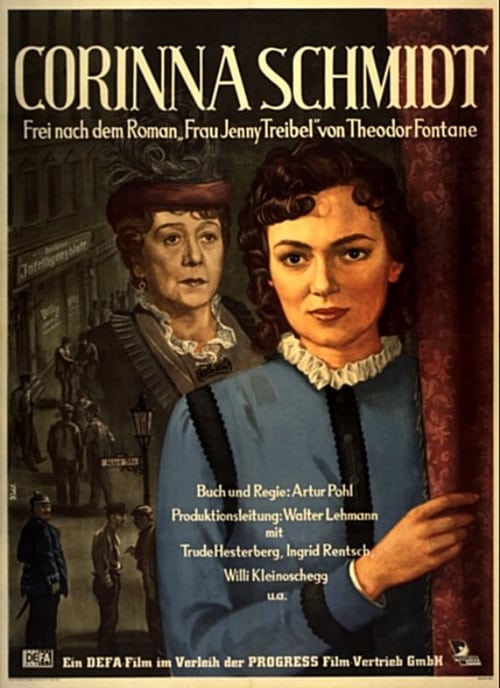
Berlin in 1878: Corinna Schmidt, who was brought up in a petit-bourgeois, academic family, is romantically interested in Leopold Treibel, the son of the lordly councillor of commerce Jenny Treibel – although Corinna is also deeply in love with her cousin Marcel. Leopold is also falling for cute Corinna, and Jenny Treibel tries to prevent their friendship by all means, but changes her opinion when their secret engagement becomes public. To avoid a scandal, she urges them to marry quickly. But Corinna soon withdraws from this complicated situation and again turns to her cousin, who is banished from the country for his social democratic beliefs.
Corinna Schmidt

No description available.
Freies Volk
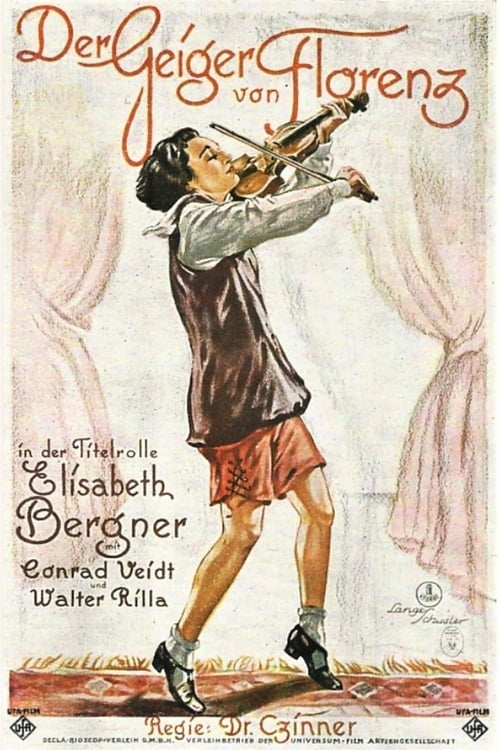
Girl dressed up as a boy falls in love with a painter.
Impetuous Youth
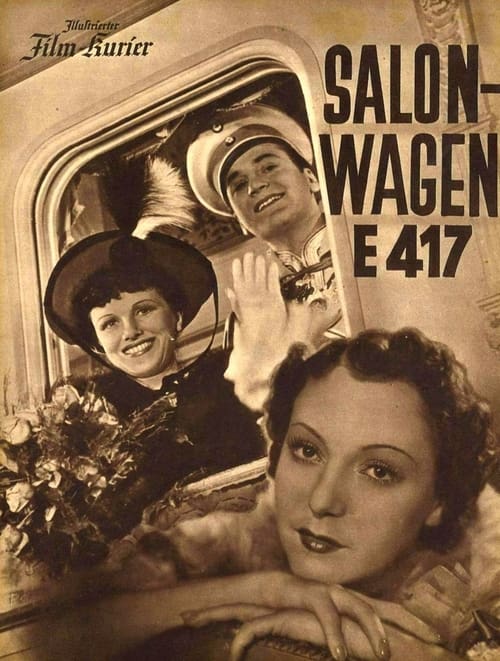
In a transport museum, the items on display begin to tell their stories. Most interesting is the history of the Pullman car. In the beginning, it served as transport for a princely family; then became the headquarters car for the military high command; and then, most adventurous of all, it ended up with a circus. Converted to a bar, it finally had its day and was supposed to serve as a placard carrier. Luckily, the museum saved it from this sad fate.
Salonwagen E 417
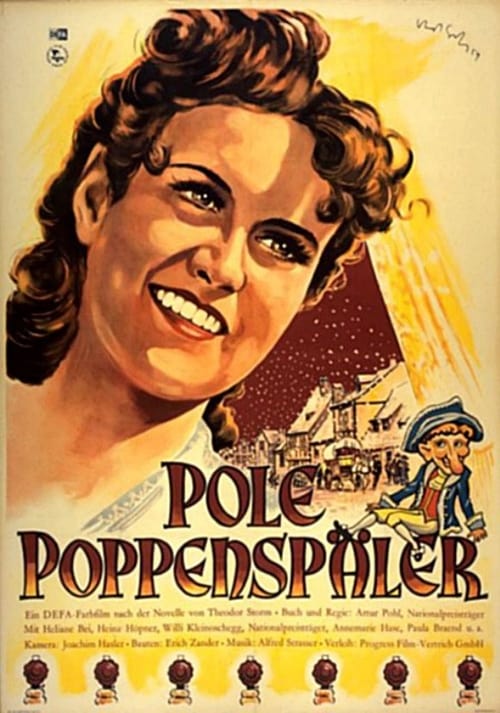
On his travels, Paul, a journeyman from northern Germany, runs into a childhood friend, Lisei, a puppeteer's daughter. They fall in love and get married. Together with Lisei's father, the young couple moves to Paul's hometown. Although Paul himself is accepted - even respected - by the stuck-up and snooty citizens, the young woman is rejected by the town dwellers, who are imbued with class arrogance. Paul stands up for his wife but the scorn and abuse heaped on her weigh heavily upon him.