Rachel Reichman
Editing
Known For

A chronological look at films by, for, or about gays and lesbians in the United States, from 1947 to 2005, Kenneth Anger's "Fireworks" to "Brokeback Mountain". Talking heads, anchored by critic and scholar B. Ruby Rich, are interspersed with an advancing timeline and with clips from two dozen films. The narrative groups the pictures around various firsts, movements, and triumphs: experimental films, indie films, sex on screen, outlaw culture and bad guys, lesbian lovers, films about AIDS and dying, emergence of romantic comedy, transgender films, films about diversity and various cultures, documentaries and then mainstream Hollywood drama. What might come next?
Fabulous! The Story of Queer Cinema
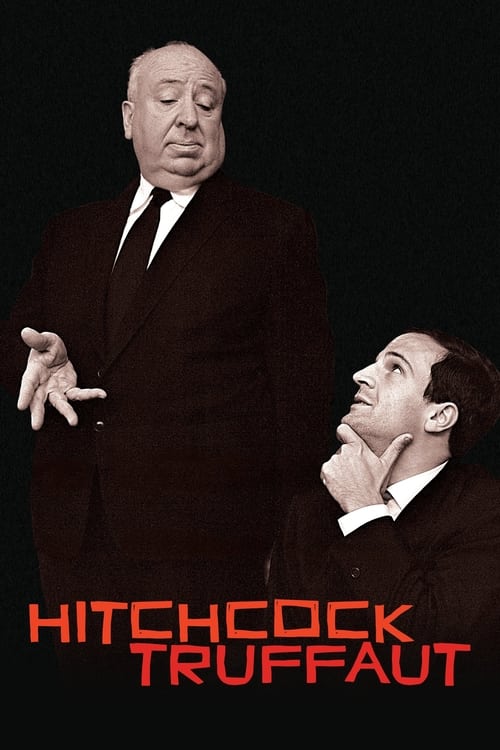
Filmmakers discuss the legacy of Alfred Hitchcock and the book “Hitchcock/Truffaut” (“Le cinéma selon Hitchcock”), written by François Truffaut and published in 1966.
Hitchcock/Truffaut
An animated globe named Spin whisks kids around the world, teaching them about animals and their habitats.
Really Wild Animals

Martin Scorsese reflects on the profound influence of director Elia Kazan, tracing his artistic journey from the Group Theatre to Hollywood success and the controversies of the blacklist era. Co-directed with Kent Jones, the film combines interviews and clips from Kazan’s classics—On the Waterfront, A Streetcar Named Desire, and America, America—to portray him as a deeply personal filmmaker within an often impersonal industry.
A Letter to Elia
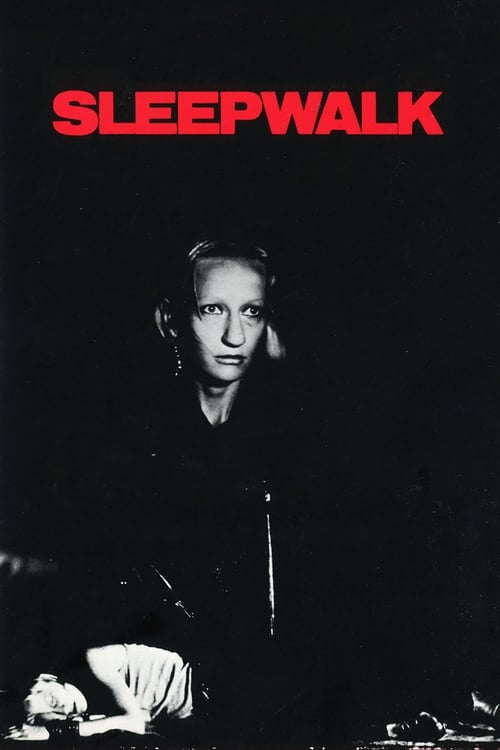
When Nicole, a young copy-shop employee, is hired to translate an ancient Chinese manuscript, she soon finds that the document has strange powers that little by little begin to exert an eerie influence over her life.
Sleepwalk

The film examines the ways that women directors have contributed to this genre and emphasizes the role that the media play in representation of sexuality and gender, underscoring the power that film has to shape our perceptions of one another. Visually, this documentary comes to life on screen through compelling and intimate original interviews, intercut with emotionally-charged archival footage, photographs, ephemera, inspired music, and film clips.
Dykes, Camera, Action!
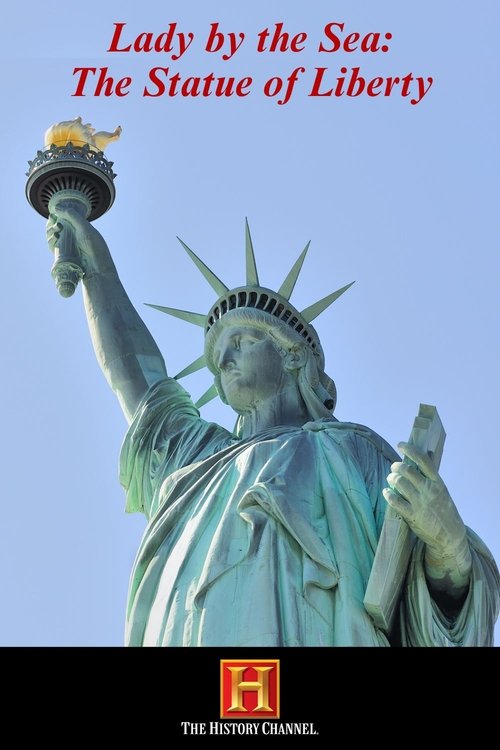
Lady by the Sea: The Statue of Liberty (2004) explores the enduring symbolism of America’s most iconic monument. Directed by Kent Jones and Martin Scorsese, the documentary reflects on the Statue of Liberty’s evolving meaning throughout the twentieth century and in the aftermath of September 11, 2001—examining how she has represented hope, freedom, and resilience to generations of Americans and newcomers alike.
Lady by the Sea: The Statue of Liberty
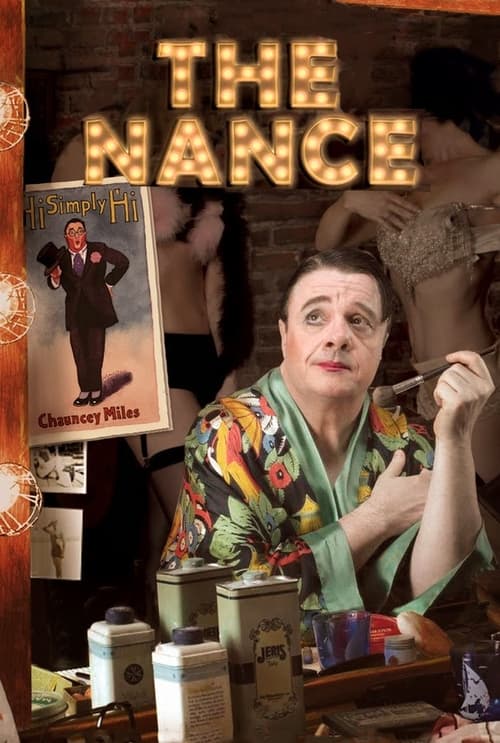
Nathan Lane portrays a comic from the 1930s who plays gay men for laughs. Originally Episode 2 from Season 40 of Live From Lincoln Center on PBS.
The Nance
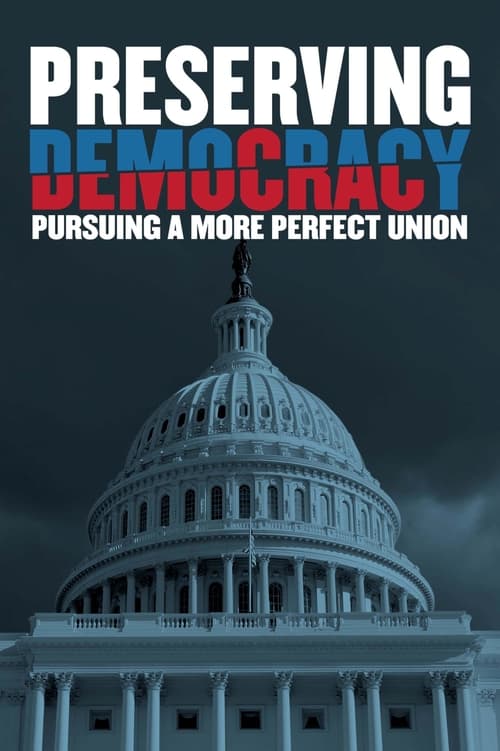
Reviewing the pursuit of democracy within the U.S. on the anniversary of the 2021 Capitol riot.
Preserving Democracy: Pursuing a More Perfect Union
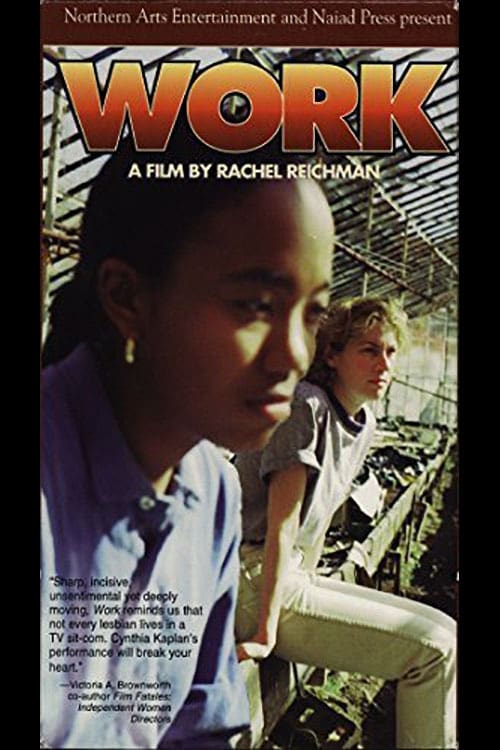
In an economically struggling small town, Jenny, a young married woman, begins an affair with June, her college-bound, African-American neighbor.
Work
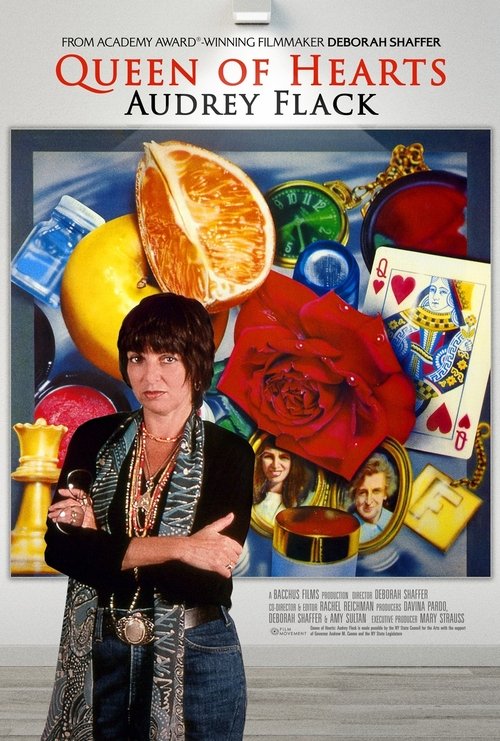
An intimate look at the life and creative process of feminist, rebel, and visual artist Audrey Flack over her oft-controversial 40-year career.
Queen of Hearts: Audrey Flack
"A young woman settles into her new life in New York City, overwhelmed by the crowds and wary of human contact. Shot in moody black and white collaging a visual language reminiscent of film noir, art horror, and street photography of the 60's and 70's, Rachel Reichman’s short film exemplifies the return to narrative in independent filmmaking following the structuralist experiments of the 1970s." - MoMA
A Child's Introduction to the Wonders of Space
"The Riverbed traces the story of a despondent drifter who stumbles across a farmhouse inhabited by a wealthy widow and her disabled daughter. Exchanging board for labour, he stays at the house. Eventually he consents to the mother's wish that he marry the girl, with his eye on financial gain. He takes the girl to the city, where the couple struggles against hardship. As the man reverts to petty theft, her health deteriorates and he is forced to take her back to the now-abandoned farmhouse." - MIFF