Acting
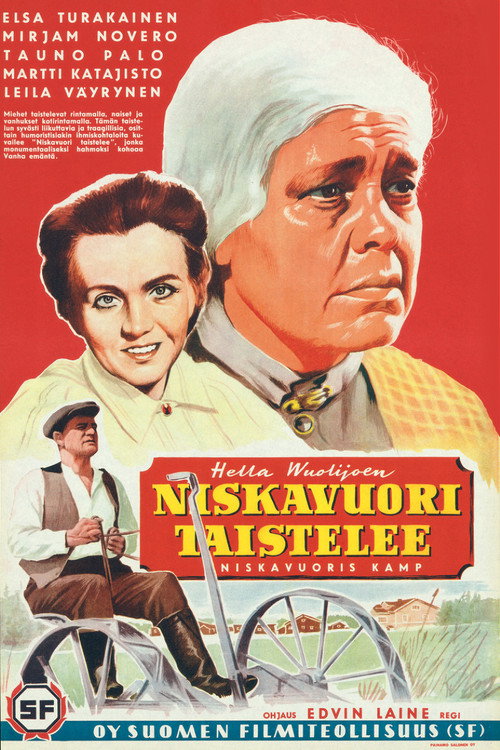
Heta, the strong-willed daughter of the Niskavuori family, who is pregnant, marries Akusti, a farmhand, and remains bitter toward Santeria, who broke her heart. Heta and Akusti begin their life together on the modest Muumäki farm, where they are assisted by their loyal maid Siipirikko.
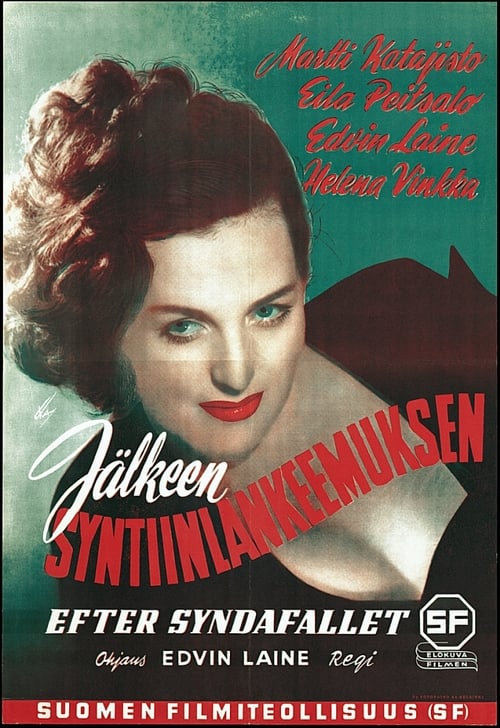
Schoolboy Klaus is convicted of theft and sent to prison. At his release Klaus feels that his life has changed a lot. Despite all his hardship and difficulties he keeps up his studies under the supervision of the grim Master Kahari.
Young woman flies to Lapland together with her father and his new female friend whom the daughter dislikes. On a lonely skiing-trip across the vast wilderness, the young lady ends up in a shack inhabited by two research engineers and a funny old Lapland man who sees peculiar dreams.
A wide-eyed doll salesman is mistaken for a bomb-wielding anarchist by the oppressive forces of the totalitarian state.
Niskavuori's Aarne (Arne från Niskavuori) is a Finnish drama film from 1954. It is based on Hella Wuolijoki's play Niskavuori's Bread. In chronological order of the Niskavuori series, the film is the fourth. Aarne has married Ilona and left the house in Niskavuori, which he hosts, where his former wife Martta still lives, while the old mistress is holding the reins. Aarne and Ilona live in Helsinki, but Aarne has not been able to completely break away from Niskavuori, but keeps secretly in touch with the headmaster and gives instructions on the farm management.
The last black-and-white film in the Niskavuori series of movies.
Three brothers, all with their own problems that could be solved by money, try to come up with a plan to get they share of their uncle's fortune. Then a murder takes place and it is the job of a detective to find out which one of the brothers did it.
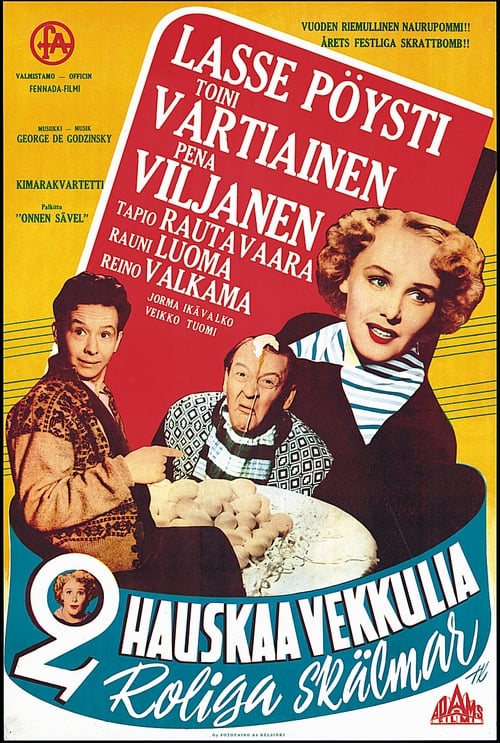
Musical comedy about two friends trying to advance in music business at any price.
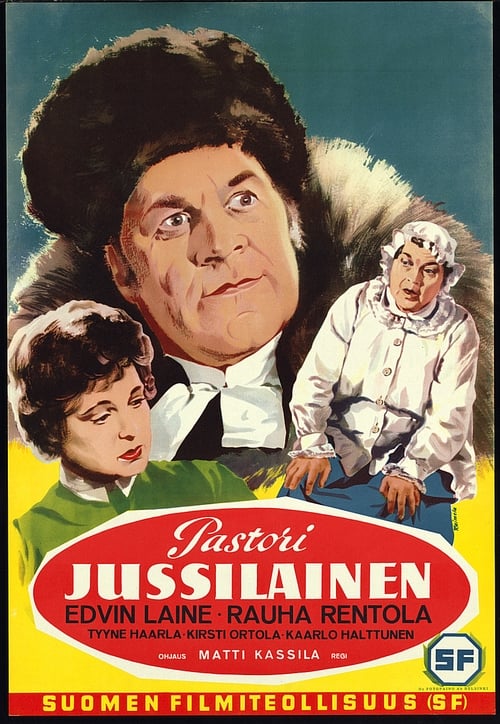
The year is 1895 in a small village in Savo, where new ideas such as women's rights and folk high schools are vehemently opposed by Pastor Jussilainen, both in his home and in the parish. His wife Eveliina, the maids, and the conservative parishioners all experience his vehemence. However, the pastor meets his match when his mother-in-law arrives for a visit.
Opri is an evacuee from Karelia and is forced to move into a nursing home when his cottage is demolished. He immediately begins to take care of other elderly residents and nursing home staff, as well as their romantic concerns, as soon as he steps into his new home.
Set in early 16th century Finland, a knight Olavi Gideoninpoika meets Mirjam Raakelintytär and falls in love. Mirjami hides in a monastery disguised as a choir boy, but is revealed by a monk Rasmus, who also desires her, and is put on trial.
Pastor Samuel Bro has lost his faith in God. He is in conflict with the Church Council and is rejected from his priesthood. He moves away to a different life.
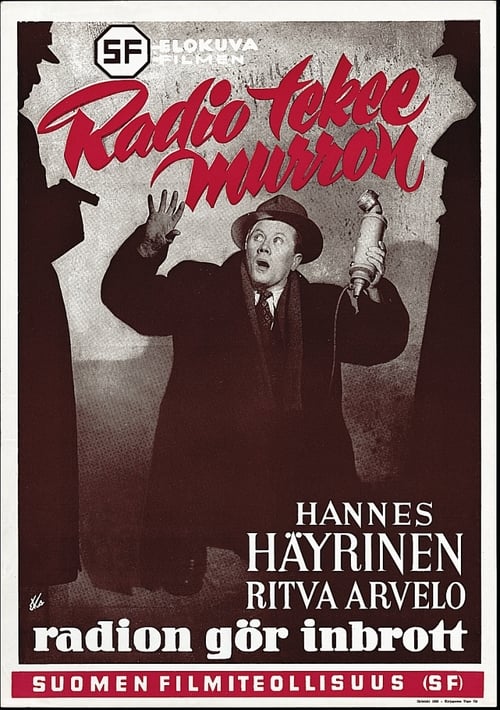
Eager young radio reporter Teräsvuori stages a one-man burglary into the Helsinki Art Museum, recorded on tape for a later broadcast by his friend Laakso. Things go awry when a gang of real criminals overhear their plans and book their heist to coincide. Teräsvuori gets caught but escapes from police custody to start his private investigations together with female radio colleague Eila.
Leeni, a country girl, leaves to seek her fortune in Helsinki, but encounters numerous difficulties.
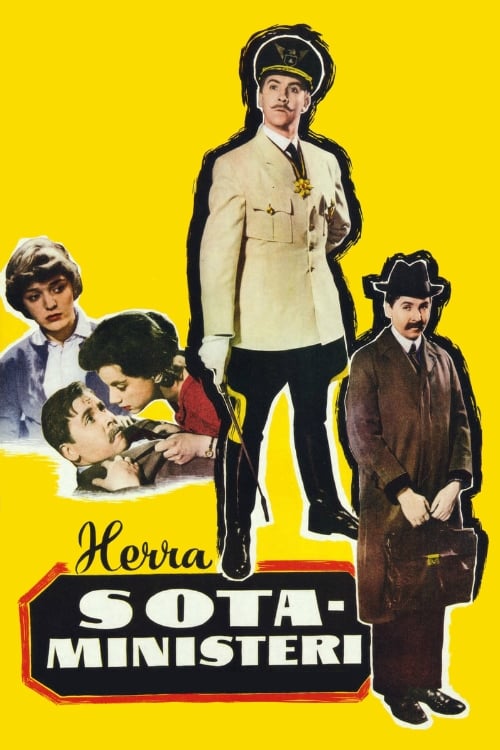
Kalle, a shy and absent-minded civil servant at the comparison agency, unwittingly becomes Minister of War. He receives help in his new role from Maria, the daughter of Finance Minister Karpio. Problems in the performance of his duties lead Kalle to a court martial, and he resigns from his ministerial post to start a new life with his neighbor Leena.
The story of Finnish singer Abraham 'Aappo' Ojanperä, who was born in the late 1850s. On his journey from a crier boy from Liminga to an international singing star, Aappo never forgets his first love Katri, who faithfully waits in Liminga for his return.
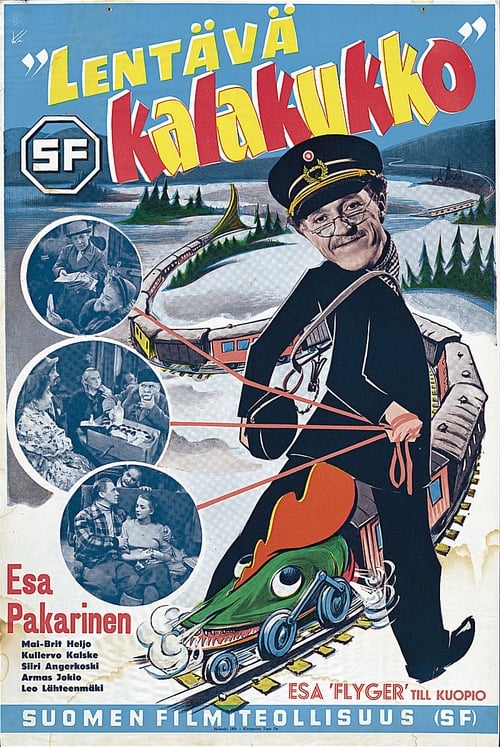
After a robbery, a gang of bandits led by Kulaus-Ramperi flees Helsinki on the Kuopio express train "Lentävä kalakukko" and tries to hide in the crowded train filled with music and singing. The cheerful conductor Saastamoinen protects the motley crew traveling on the train.
While Leena is spending time at a health resort in the countryside, her husband Esa, an accountant, finds himself falling for Kirsti, who works at his office. The breakdown of their marriage also stirs up feelings in their adult children, who begin to question their own ideas about relationships.
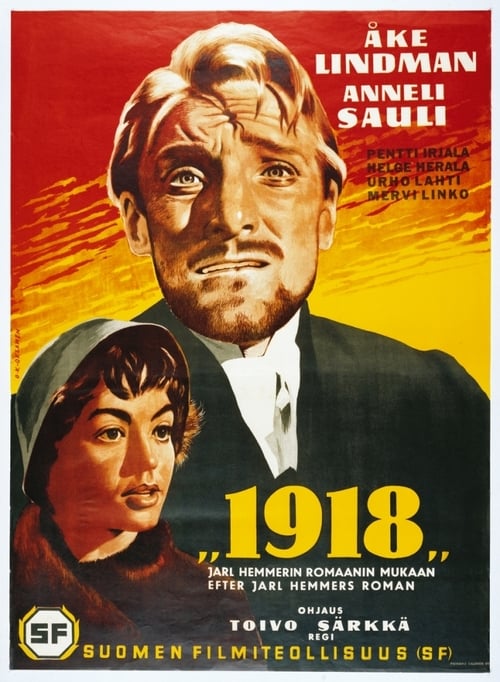
In the 1910s, beautiful young Silja loses both parents and ends up working as a maid at wealthier farms around her village. She is courted by a number of bachelors, ranging from simple farmhand Väinö to sophisticated young student Armas whom she meets when working for a charming old professor. However, Silja's health starts to deteriorate, and when the Finnish Civil War breaks up in 1918, she is inadvertently involved in a small incident after which her loyalties are questioned by both the Reds and the Whites.
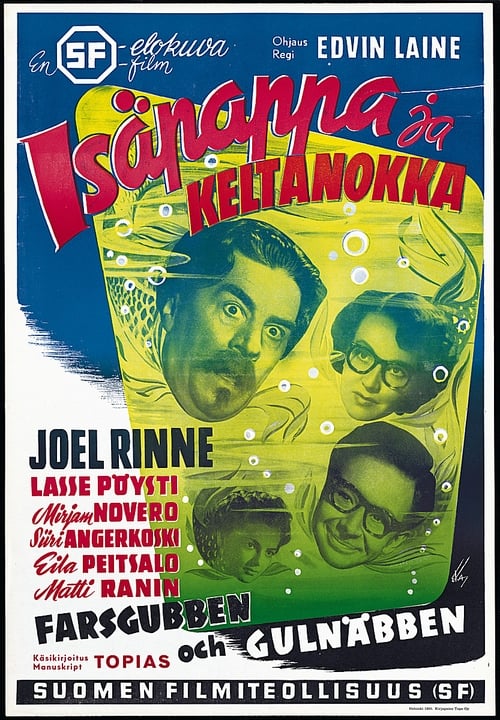
A widower takes care of his three children who are trying to find him a new wife.