Directing
"Our analysis of such a rich film should not be a rigid, either/or proposition. It remains for us, almost 55 years on from Contempt’s initial release, to fully grasp Godard’s modernist gestures, poised between a fullness of mythic and classical meaning, and the possibilities of a newly fragmented universe of signs."
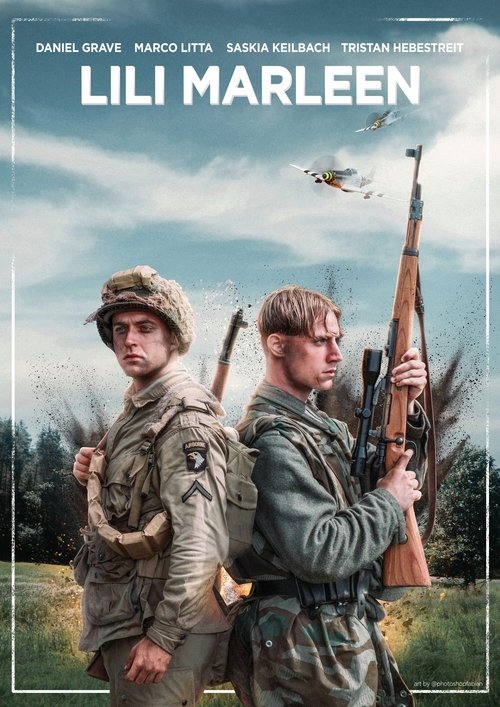
One day after D-Day and American and German soldiers are separated from their respective units. Both Paul and Manning struggle with their situation. Everyone has their own reason for wanting to return home.
Adrian Martin and Cristina Álvarez López explore the joy and regret of nostalgia with one of the cinema’s great, spare poets of sense-memory.
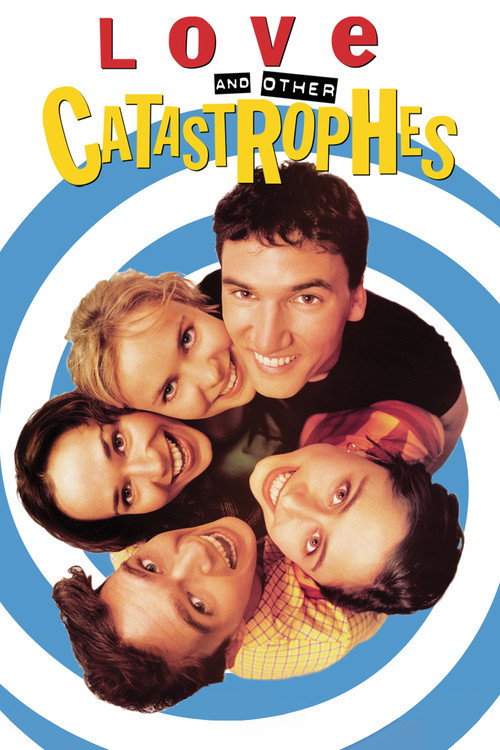
Over the course of one frantic day, five university students try to keep their heads above water.
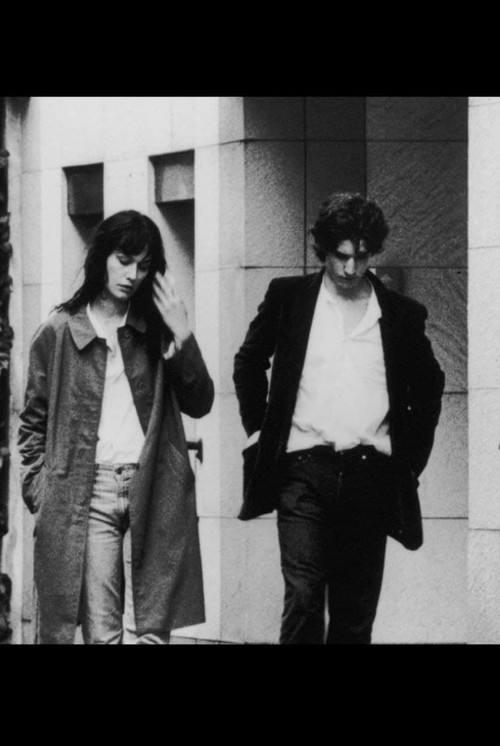
a montage of a motif in Philippe Garrel's Cinema: walking.
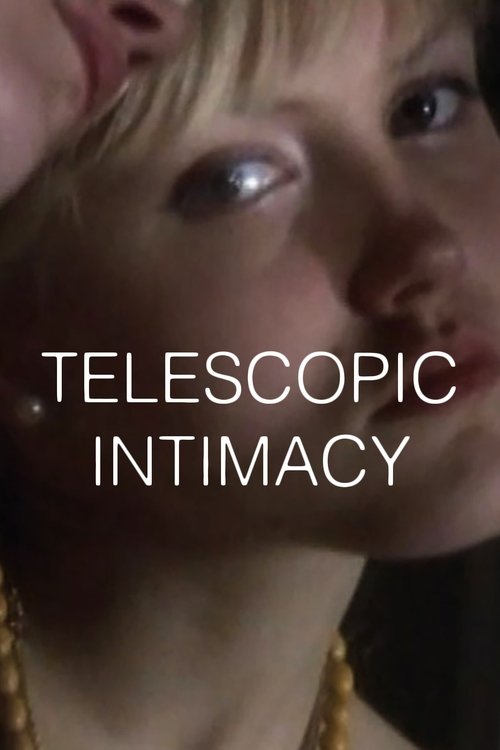
In their lyrical and philosophical video essay, “Telescopic Intimacy”, Cristina Álvarez López and Adrian Martin explore the works of avant-garde filmmaker Stephen Dwoskin. Aesthetically captivating and conceptually interesting, Dwoskin’s films focus on the nuances of the human face and the complexities of the visual gaze. Through unusual shots and enigmatic close-ups, Dwoskin creates a special form of “telescopic intimacy”, revolving around themes such as longing and desire, closeness and alienation, the subject and the ‘other’.
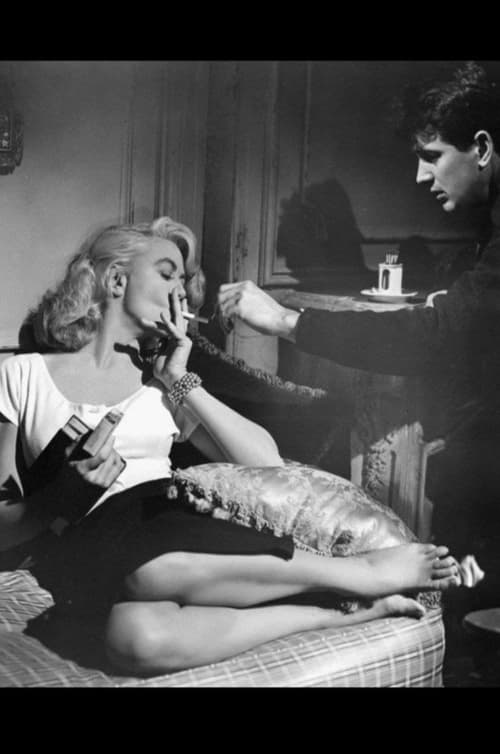
An audiovisual essay on Douglas Sirk's film The Tarnished Angels (1957). Analyzes a central scene 40 minutes into the narrative, and also refers both backward and forward in order to show the film’s richly elaborated logic of part and whole, repetition and stasis, drama and entropy.
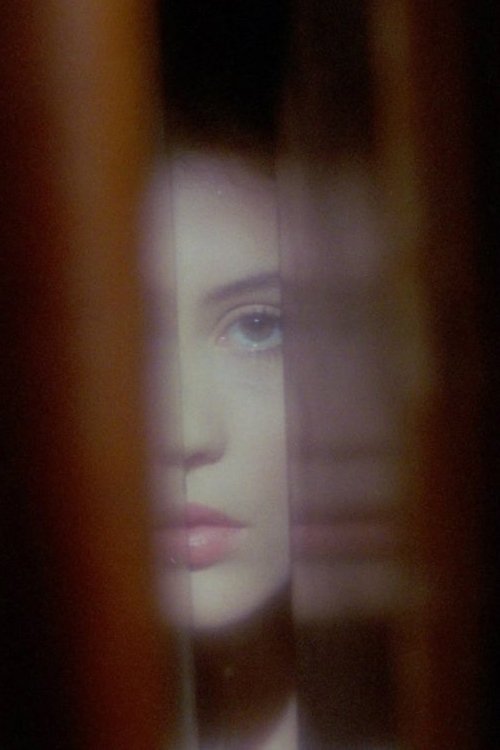
PHANTASMAGORIA OF THE INTERIOR is an audiovisual essay devoted to Walerian Borowczyk's film THE STRANGE CASE OF DR. JEKYLL AND MISS OSBOURNE. Utilising the materials of the complete, restored version of the film, and its French language soundtrack, the film offers a new way of looking at, understanding and appreciating Borowczyk's intensely cinematic art. Particular attention is paid to a painting by Vermeer of a pregnant woman, introduced early into Borowczyk's film, and reappearing at key moments. Beginning from this painting - its content, style, and historical background - particular aspects of the film are explored: its unusual pictorial compositions; the mingling of sexuality with violence; and the association of men and women with (respectively) open and closed spaces. The film argues that Borowczyk brings a surrealist sensibility to his free adaptation of the Jekyll and Hyde story, especially emphasizing the transgressive, revolutionary role of the free-spirited Lucy Osbourne.
In 1984, Raymond Bellour reflected on a method and style of film analysis that grasped – as modern cinema itself also did – for decisive moments of absolute stillness, freezing, arrest. The emblem of this revelatory stasis was (as Serge Daney attested) the face of young Jean-Pierre Léaud on the beach at the end of François Truffaut’s The 400 Blows (1959). Yet Bellour also anticipated a time when analysis would reinvent itself audiovisually as “only free gestures” – once time has passed and the freeze-frame has burned itself up. Let us look into Léaud’s face for a response…
An essay on how could Welles' Touch of Evil and his story about the border between USA and Mexico influence Trump's imagination.
In 1921, at the tender age of 24, filmmaker and theorist Jean Epstein (1897-1953) described the screen spectacle of a person smiling. In close-up. The smallest movements and vibrations on this face – designated neither male nor female – rouse Epstein to invent a delirious carnival of metaphors. The face is a landscape, a décor, a piano; a smile is an earthquake, a storm, a theatre curtain rising. Everything is dramatic, but there is not – not yet – any story. A single 30-second close-up of Carola Regnier in Stephen Dwoskin’s Behindert (1974) – a type of shot he often made – can incite the same reverie.
With the release of Nicholas Ray's debut They Live by Night in 1948, a new style emerged in American narrative film. A style full of risk and confusion, based on a deliberately shaky balance of shots, cuts, scenes, gestures, events and acting. Ray was part of a generation that sought new forms of characterization, new forms of acting and behavior, new social inputs – and a new language in framing, mise-en-scene and montage to capture all those fleeting experiences.
An audiovisual essay on Nosferatu (1922) illustrating how F.W. Murnau used poetic montage to evoke an imaginary, secretive, ‘wishful space’ driven by desire and dread in equal measure.
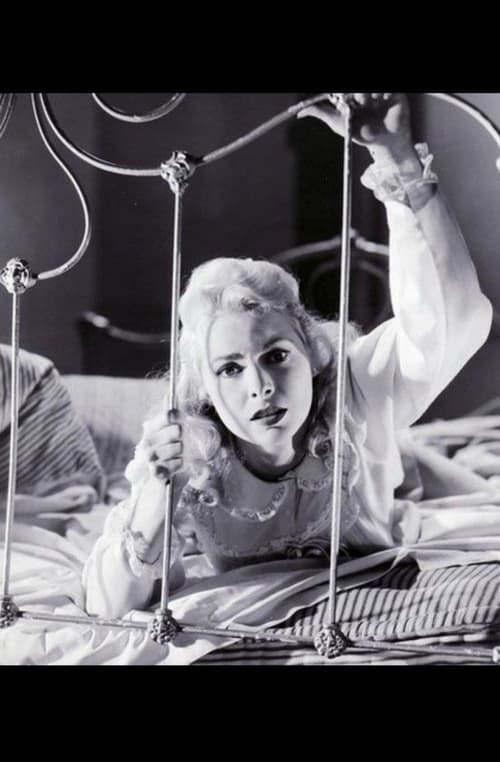
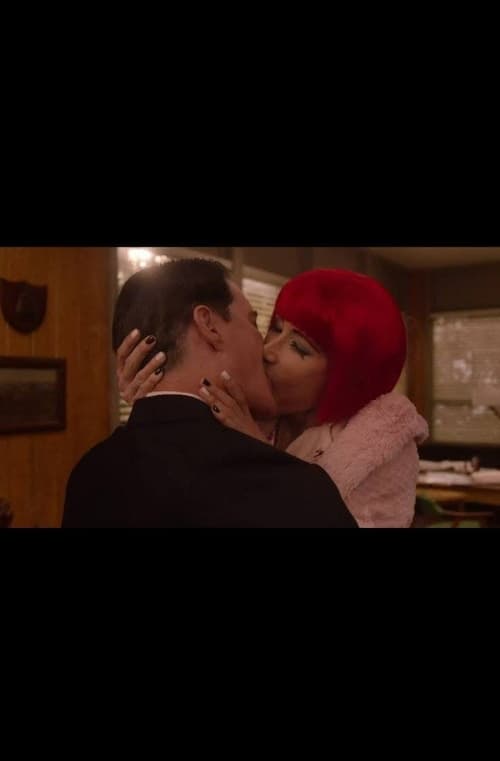
an audio-visual essay on the unconscious relationships between Fuller's Naked Kiss and David Lynch's Twin Peaks: The Return.
In 1979, film scholar Noël Burch strongly criticized the films from the 1950s by Japanese filmmaker Mikio Naruse. He would be stuck in a "western mode of representation", and his work would be "academic" and "over-edited". Maybe even almost like the soap operas on TV! What Burch failed to see is how Naruse transforms a seemingly simple decoupage into his secret form of mise-en-scene, with endless variations and modulations. Let's look at eighteen consecutive shots from Sound of the Mountain (1954)…
This visual essay focuses on the visual style and composition of the Hollywood films made together by Josef von Sternberg and Marlene Dietrich.