
Anne Wiazemsky
Acting
Biography
Princess Anne Wiazemsky (14 May 1947 - 5 October 2017) was a French actress, of the Russian Rurikid family of Princes Vyazemsky-Counts Levashov. Through her mother, she is the granddaughter of François Mauriac. She appeared in Robert Bresson's Au hasard Balthazar (1966) and in Godard's films La Chinoise (1967) and Week End (1967). She was married to Jean-Luc Godard between 1967 and 1979; they divorced. Wiazemsky is also an author. She has written several novels: Canines (1993), Une Poignée de Gens, Aux Quatre Coins du Monde and Hymnes à l’Amour (1996). The 2003 film All the Fine Promises, directed by Jean-Paul Civeyrac and starring Valérie Crunchant and Bulle Ogier, is based on Hymnes à l'Amour. Her 2007 novel, Jeune Fille, is based on her experience starring in Au hasard Balthazar at the age of 18. Description above from the Wikipedia article Anne Wiazemsky, licensed under CC-BY-SA, full list of contributors on Wikipedia.
Known For
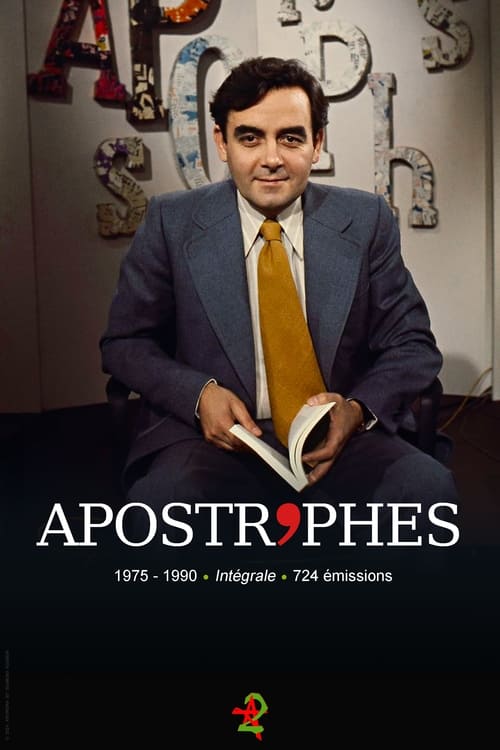
Apostrophes was a live, weekly, literary, prime-time, talk show on French television created and hosted by Bernard Pivot. It ran for fifteen years (724 episodes) from January 10, 1975, to June 22, 1990, and was one of the most watched shows on French television (around 6 million regular viewers). It was broadcast on Friday nights on the channel France 2 (which was called "Antenne 2" from 1975 to 1992). The hourlong show was devoted to books, authors and literature. The format varied between one-on-one interviews with a single author and open discussions between four or five authors.
Apostrophes

No description available.
30 millions d'amis
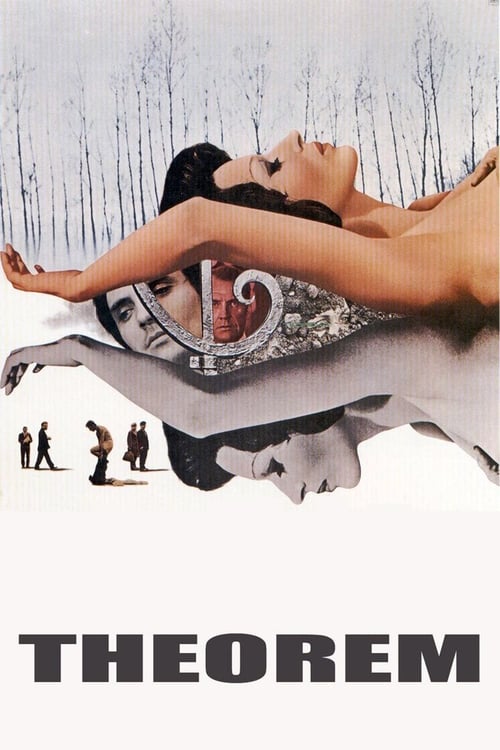
A wealthy Italian household is turned upside down when a handsome stranger arrives, seduces every family member and then disappears. Each has an epiphany of sorts, but none can figure out who the seductive visitor was or why he came.
Theorem

Two dramatic stories. In an undetermined past, a young cannibal (who killed his own father) is condemned to be torn to pieces by some wild beasts. In the second story, Julian, the young son of a post-war German industrialist, is on the way to lie down with his farm's pigs, because he doesn't like human relationships.
Pigsty
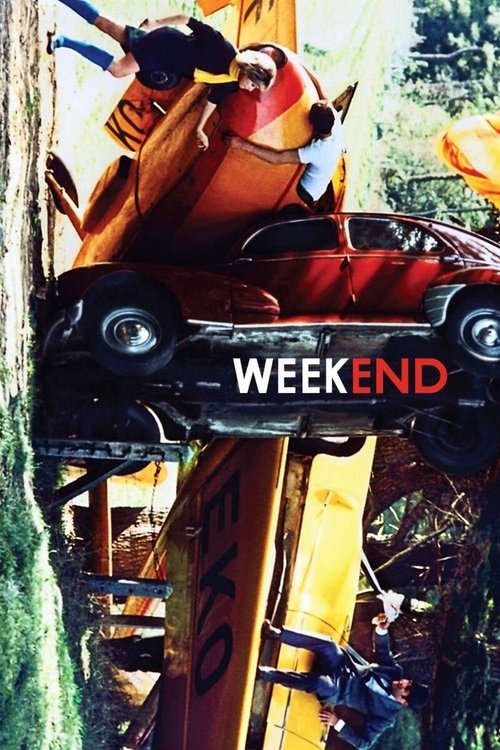
A supposedly idyllic weekend trip to the countryside turns into a never-ending nightmare of traffic jams, revolution, cannibalism and murder as French bourgeois society starts to collapse under the weight of its own consumer preoccupations.
Weekend
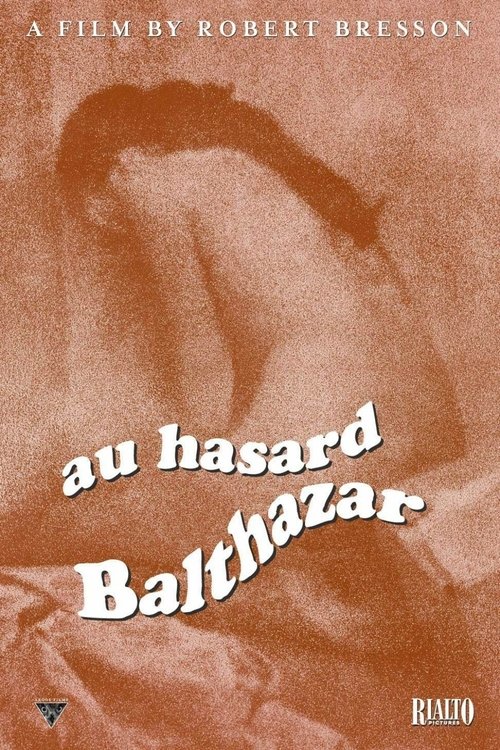
The story of a donkey Balthazar as he is passed from owner to owner, some kind and some cruel but all with motivations beyond his understanding. Balthazar, whose life parallels that of his first keeper, Marie, is truly a beast of burden, suffering the sins of humankind. But despite his powerlessness, he accepts his fate nobly.
Au Hasard Balthazar
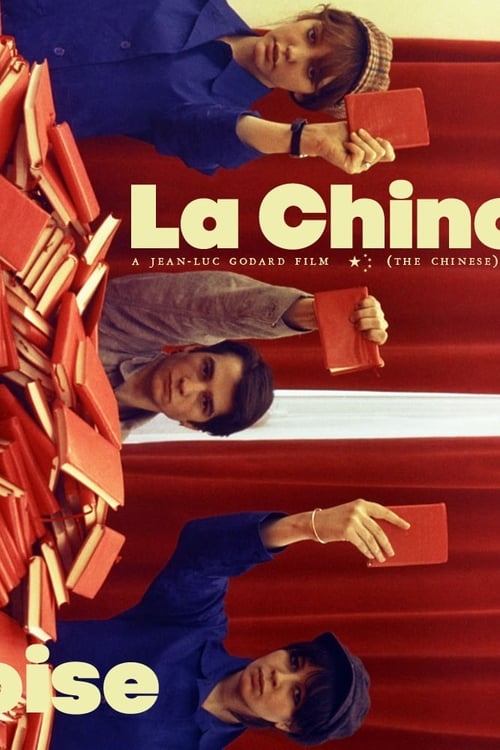
A small group of French students are studying Mao, trying to find out their position in the world and how to change the world to a Maoistic community using terrorism.
La Chinoise
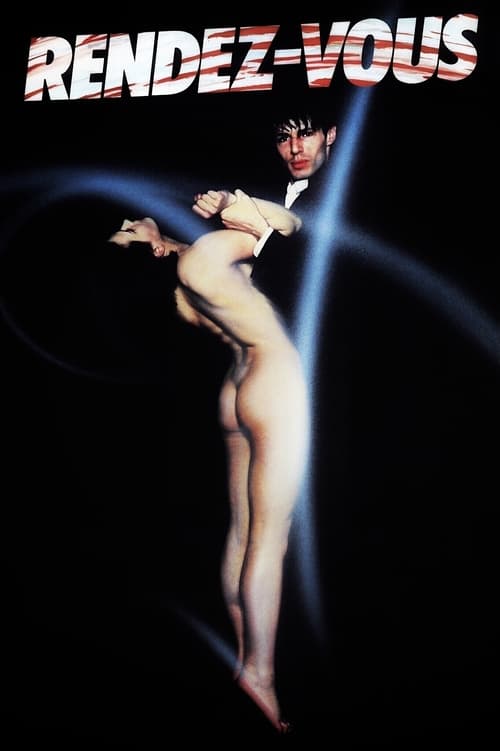
Nina is a young, carefree actress who arrives in Paris searching for her big break. There, she finds drama both on- and offstage as she becomes involved with three men: a mild-mannered real-estate agent who offers her stability, a bad-boy actor who lives dangerously on the edge, and an intense theater director who casts her in a production of “Romeo and Juliet.” As opening night approaches, the emotional extremes of Nina’s love life fuel her art.
Rendez-vous
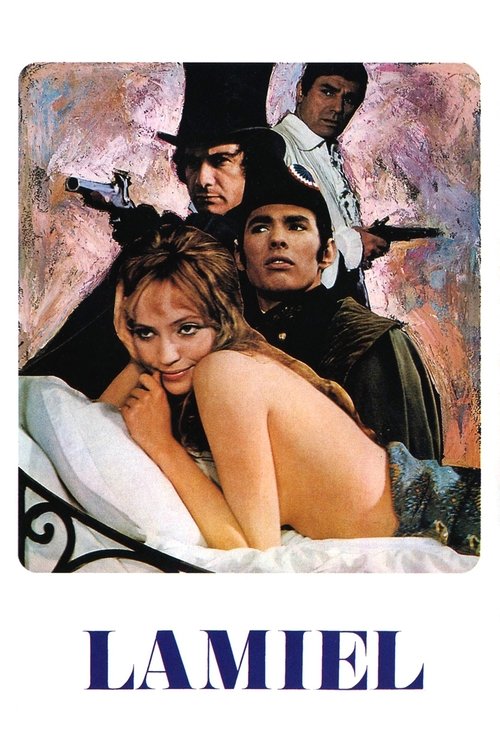
Lamiel is a poor orphan girl who climbs to the social elite in this 19th-century costume drama. Sansfin, provincial doctor, lives vicariously through her, as he oversees the progress of his female protégé. Defiant and rebellious, Lamiel goes to Paris to escape boredom and to know love.
Lamiel
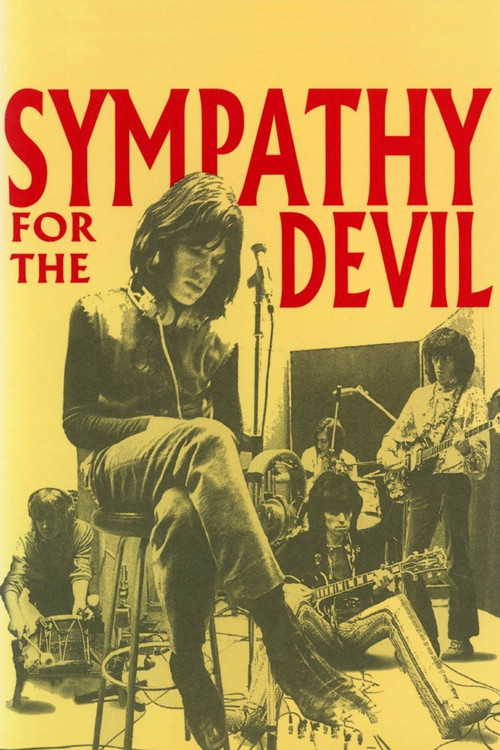
While The Rolling Stones rehearse "Sympathy for the Devil" in the studio, an alternating narrative reflects on 1968 society, politics and culture through five different vignettes.
Sympathy for the Devil
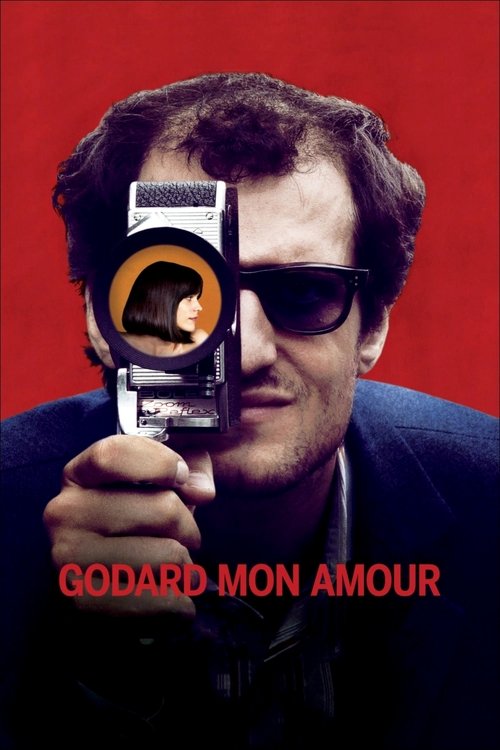
In 1967, during the making of “La Chinoise,” film director Jean-Luc Godard falls in love with 19-year-old actress Anne Wiazemsky and marries her.
Godard Mon Amour

The film is a series of interviews with various well-known film actresses, including Jenny Agutter, Maria Schneider, and Jane Fonda. The title, which is borrowed from a 1958 film with the same name by Marc Allegret, refers to the sense the actresses have of what is expected of them by the film industry.
Be Pretty and Shut Up!
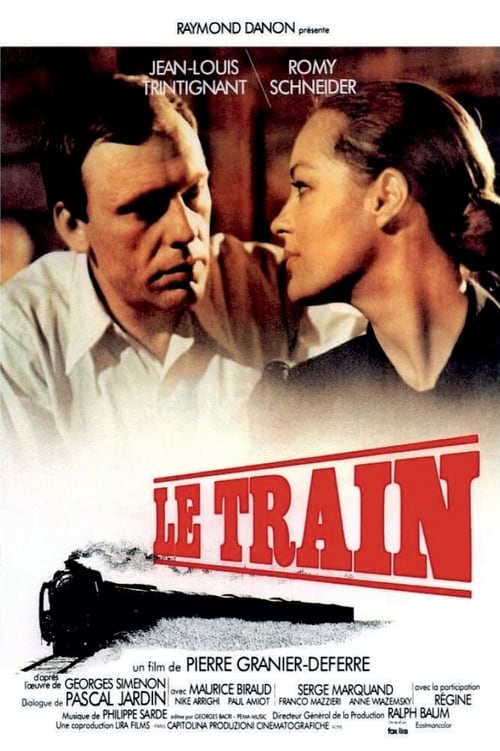
Two people, a Frenchman and a Jewish German woman, meet on a train while escaping the German army entering France.
The Last Train
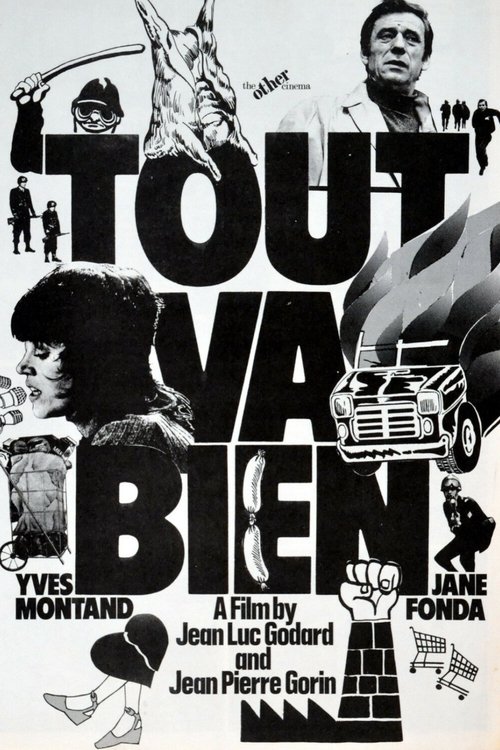
A strike at a French sausage factory contributes to the estrangement of a married filmmaker and his reporter wife.
Tout Va Bien

A politically oriented film in which images suggestive of a mock western are accompanied by an attack on all cinematic conventions to date and a debate on the nature and possibility of revolutionary cinema.
Wind from the East
In the sixties, in a suburb near Paris, Martine wants to lose her virginity.
U.S. Go Home

A 10-year-old girl lives in post WWII rural France with her parents, who are about to divorce. Her older sister leaves home to finish school, and the young girl is left with a mysterious, almost silent housekeeper. Being afraid of the dark, and of other "phenomenoms" including a haunted château nearby, she curiously accepts a stranger she finds in her mansion's barn. This fact contradicts her fearful nature, but fulfills her loneliness. The stranger has run away from a nearby psychiatric clinic, where her father was treating the stranger. She hides the stranger, protects him, and he becomes her best friend. Is this girl searching for true companionship, coming of age, or is she asserting her independence for the first time in her short life?
Call Me Elisabeth
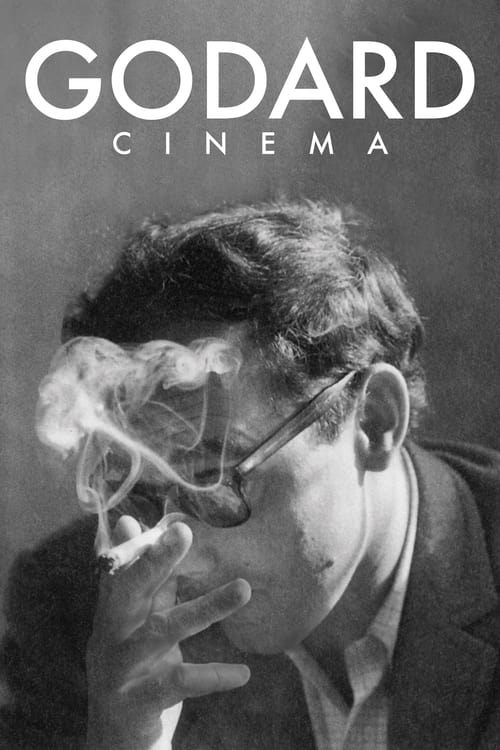
Jean-Luc Godard is synonymous with cinema. With the release of Breathless in 1960, he established himself overnight as a cinematic rebel and symbol for the era's progressive and anti-war youth. Sixty-two years and 140 films later, Godard is among the most renowned artists of all time, taught in every film school yet still shrouded in mystery. One of the founders of the French New Wave, political agitator, revolutionary misanthrope, film theorist and critic, the list of his descriptors goes on and on. Godard Cinema offers an opportunity for film lovers to look back at his career and the subjects and themes that obsessed him, while paying tribute to the ineffable essence of the most revered French director of all time.
Godard Cinema
A young Swiss couple, Vincent and Françoise, plan to leave Geneva and settle in Africa: a friend of theirs living in Algeria promises to give them a job there.
Return from Africa
In 1830s France, a virtuous widow falls for a self-destructive debauchee obsessed with death. Initial resistance gives way to a desperate and cynical romance.