Acting
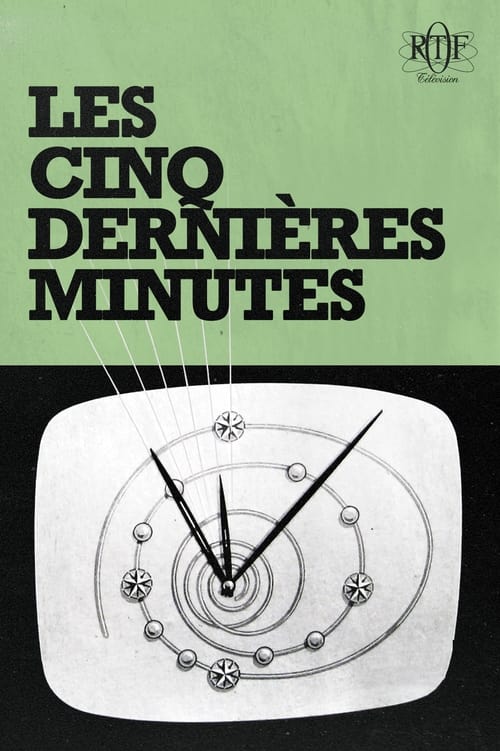
Les Cinq Dernieres Minutes is a crime based French television series
No description available.
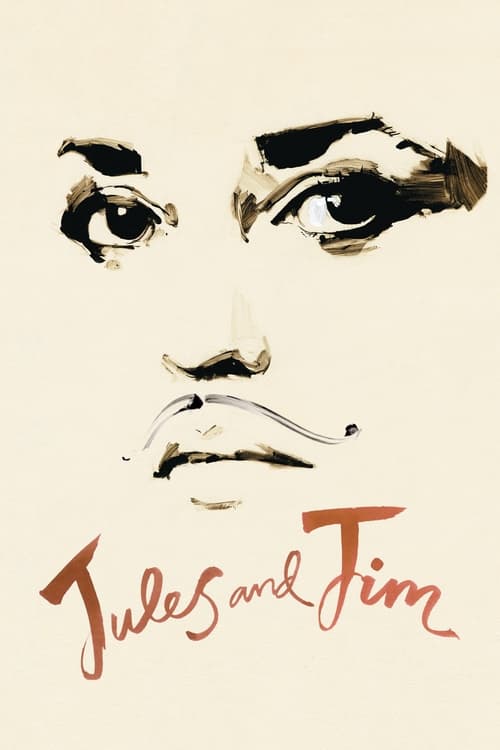
In the carefree days before World War I, introverted Austrian author Jules strikes up a friendship with the exuberant Frenchman Jim and both men fall for the impulsive and beautiful Catherine.
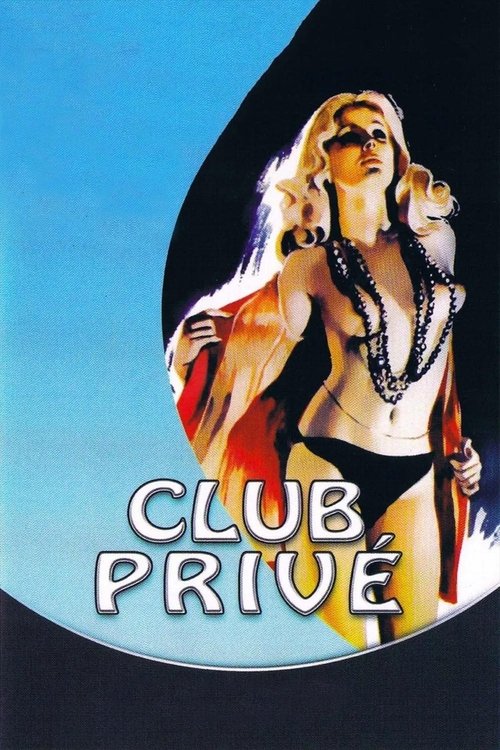
Marcel is a taxi driver who luckily pickups a gorgeous woman who begins to undress herself while in the back seat. Soon she leads him to a Private Club where he can pick any woman he wants to satisfy his sexual fantasies. After he enjoys a few exciting moments with 2 lovely ladies he is introduced to the many characters that make up the Private Club and begins enjoying the sexual games. The Private Club isn't all that's on Marcel's mind though as he is madly in love with Lisa who he met in Paris.
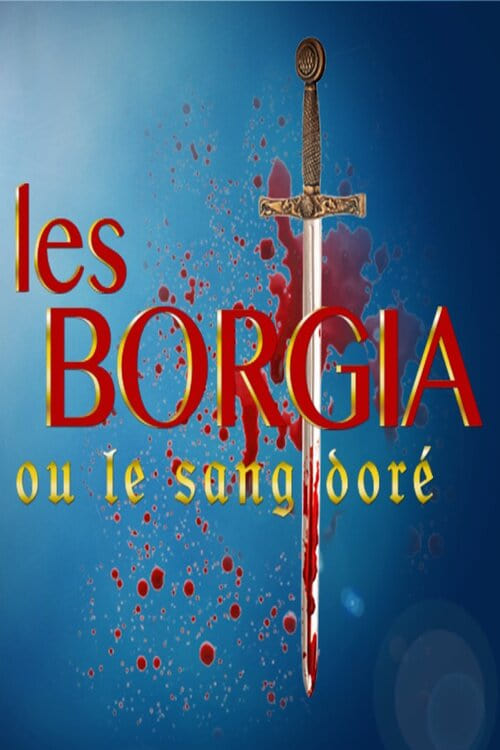
A 3 part drama series about the notorious powerful Borgia family who took power in Italy in the 15th/16th centuries.
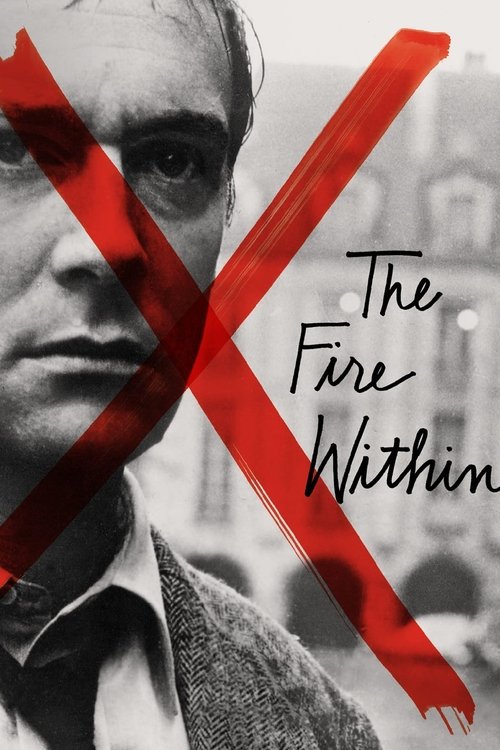
Depressed Alain Leroy leaves the clinic where he was detoxified. He meets friends, acquaintances and women, trying to find a reason to continue living.
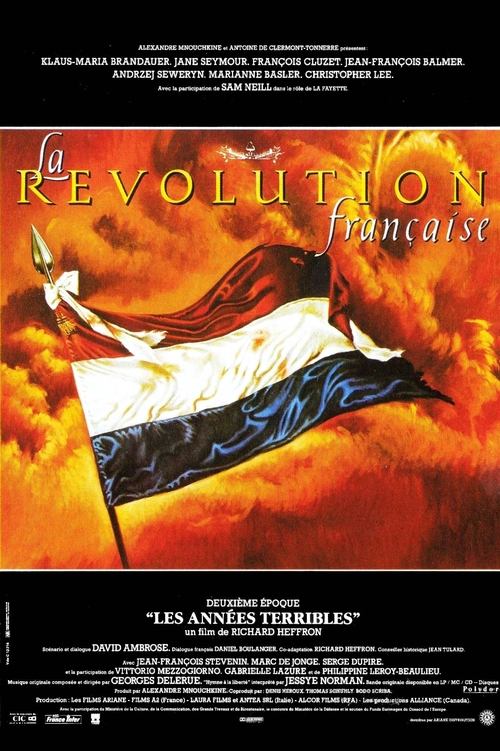
A history of the French Revolution beginning from the decision of the king to convene the Etats-Generaux in 1789 in order to deal with France's debt problem. Part one spans the event until August 10, 1792 (when the King Louis XVI lost all authority and was imprisoned). Part two carries the story through the end of the terror in 1794.
In the third and final episode of the trilogy, Fantômas imposes a head tax on the rich, threatening to kill those who do not comply.
It all begins when Lucien Lachenay (André Dussollier), famous builder of the moving sidewalk for the 1900 Universal Exhibition, saves the life of the beautiful Alice Avellano (Kristin Scott Thomas), whom her husband, who has gone mad, was trying to strangle. Lucien Lachenay is himself threatened by a group of anarchists who have instructed a young worker, Alphonse (Benno Fürmann), to suppress him. Alphonse messes up the job, but Lucien, impressed by his inexhaustible energy and thirst for knowledge, agrees to be his mentor instead of handing him over to the police. In the years that follow, Lucien, Alphonse, Alice and the young and attractive Laure (Isabelle Carré) will face the game of rivalry, betrayal and reconciliation.
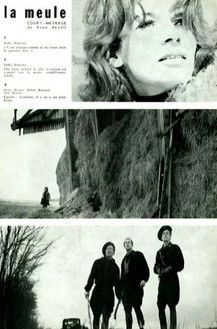
In 1943, a young couple hides food intended to be sold on the black market in a haystack. Each of their trips in the countryside represents rare, exalting moments during which they can live in harmony with nature. But one afternoon, the situation brutally changes.
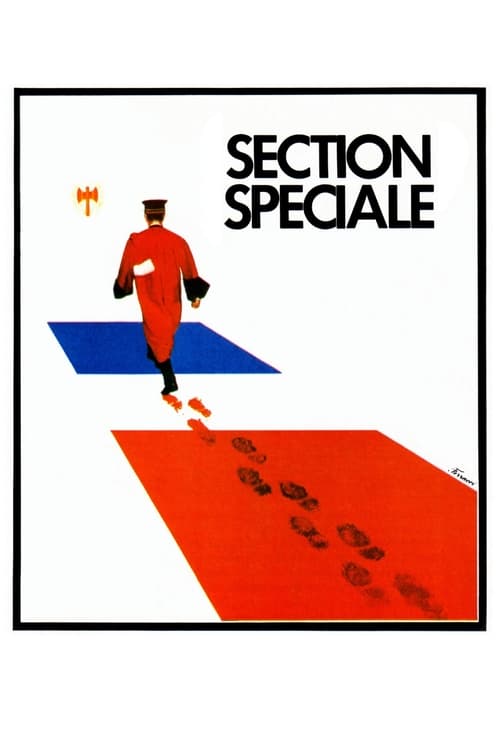
In Nazi-occupied France, a German officer is assassinated. The Germans demand justice, and the Vichy government is quick to capitulate. Unable to apprehend the actual culprits, Minister of Justice Joseph Barthélémy decides the execution of token Frenchmen will suffice, but the problem is finding judges and jurors eager to participate in a sham trial of innocent men. The solution is a Special Section, a court comprised of individuals handpicked for this exact purpose.
In a specialized, hermetic drama about love won and lost, not necessarily by the same individuals, novice director Christine Laurent has focused on the backstage melodramas of an opera company. The conductor for an upcoming performance of the Marriage of Figaro has his mind and heart on other matters -- an entrancing diva who keeps him enraptured with her presence and voice. In the meantime, he finds fault with his cast members who cannot, of course, measure up to the woman of his dreams. As singers encounter one problem or another, it is clear that something has to be done about the conductor. Director Laurent designed costumes for both theater and opera, giving her some insight into the venue.
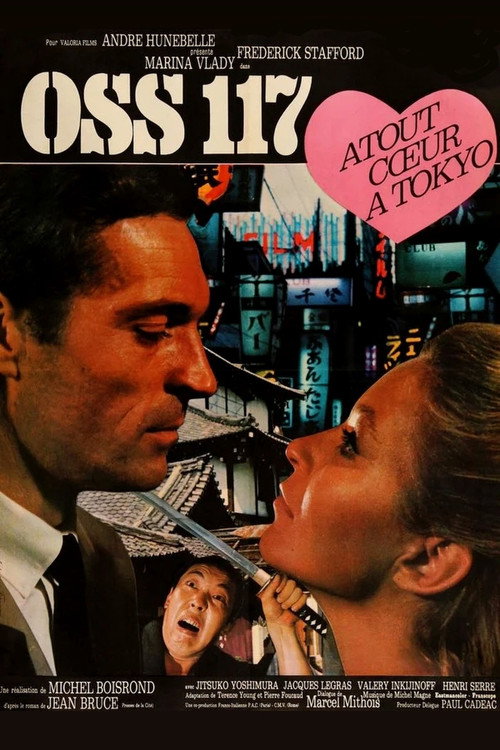
After an American Navy base is annihilated by a secret weapon, Agent OSS 117 is sent to Japan to investigate the organization that's claiming responsibility, and threatening the US with another attack, if they don't pay.
A drifter navigates the fringes of Parisian society. The protagonist, a solitary man seeking direction, becomes entangled with a group of outsiders—misfits, lovers, and wanderers—who live on the city's margins. As he moves through this world, he connects with a woman whose struggles mirror his. Their relationship is fragile, shaped by fleeting moments of intimacy and the harsh realities of their surroundings. The film captures their attempts to escape their circumstances, but fate and the weight of their pasts make change elusive.
A kaleidoscope of images from history populate this skillfully animated French feature. The story concerns a history professor whose ideas about human history cause him distress. Amid a flurry of newsreel-type images, Joan of Arc's trial is shown. Another theme which emerges is of two ages (in the far past and far future) in which naked humans fight one another with animalistic aggression.
The journey of initiation of a man and his lifeless child, from the anonymous crowds of Paris to the banks of the Oise, reinvented in the style of the Styx.
The Life of Mirrors is one of the sections of the exhibition Luis Miguel Cintra - Small Theatre of the World. A commission by Serralves Foundation to Regina Guimarães and Saguenail, and constructed after an unpublished interview with Luis Miguel Cintra, this film is the result of a long and painstaking exercise of selecting and editing excerpts from films by Manoel de Oliveira in which Cintra participates as an actor. In this way, The Life of Mirrors is a reflective, retrospective essay film, which opens the Carte Blanche, thus establishing a gateway to Luis Miguel Cintra's cinematographic and cinephile career.
The charismatic, surly son of a wealthy industrialist, Clément, leads a double life as a member of a right-wing extremist organization. When he’s ratted out after a failed assassination attempt on a prominent politician, Clément and his long-suffering wife Anne flee Paris to the idyllic country home of his childhood friend, pacifist print-maker Paul. As affection blossoms between Paul and Anne, the emotional, as well as political tensions, soar and eventually explode.