Acting
Tracing a century of movie and TV history, these four documentary specials explore the unparalleled global impact of Warner Bros. on art, commerce, and culture.
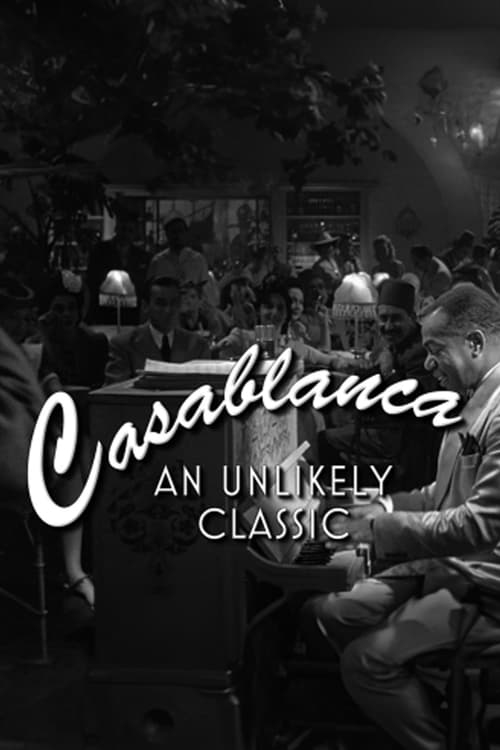
Hollywood, 1942. The US government pressures Hungarian-born film director Michael Curtiz, who is about to finish shooting Casablanca, to accentuate the film's propaganda message in order to sway public opinion in favor of the country's intervention in the European war.
Film noir expert Eddie Muller and others discuss the classic film Trapped.
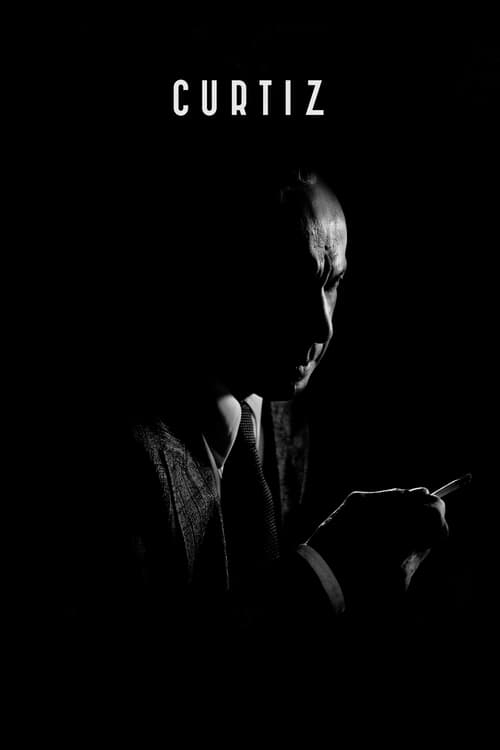
Documentary about the work of film director Michael Curtiz.
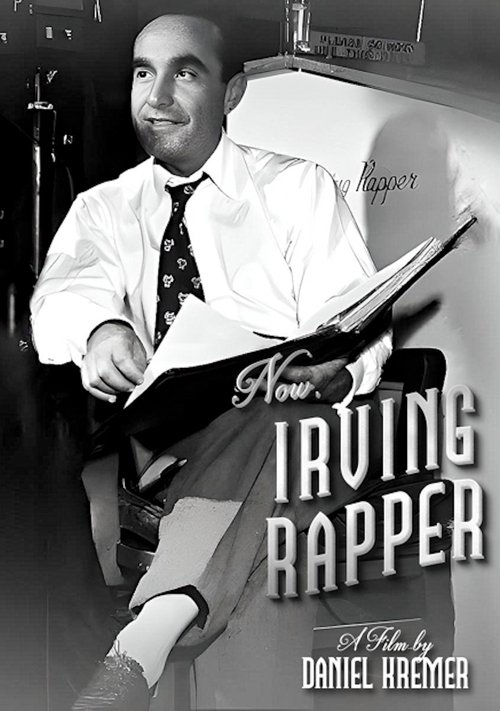
Irving Rapper is, in many ways, Hollywood's forgotten man. After getting his start as a "dialogue director" at Warner Bros. in the mid 30's, he became synonymous with the studio's "women's pictures" and rose in prominence as one of Bette Davis's most consistent collaborators, including on her biggest commercial success, Now Voyager (1942). He was a rebel who led the studio in suspensions for chronically refusing to direct the scripts handed to him by the brass, waiting instead for material that better suited his interests and thematic preoccupations. He was also one in a secretive fraternity of gay directors who had to conceal their identities and shield their private lives from potential public ruination. Daniel Kremer takes you through an unexamined and misunderstood life of a man of great artistic inclination who expressed his innermost yearnings covertly through his work in motion pictures.
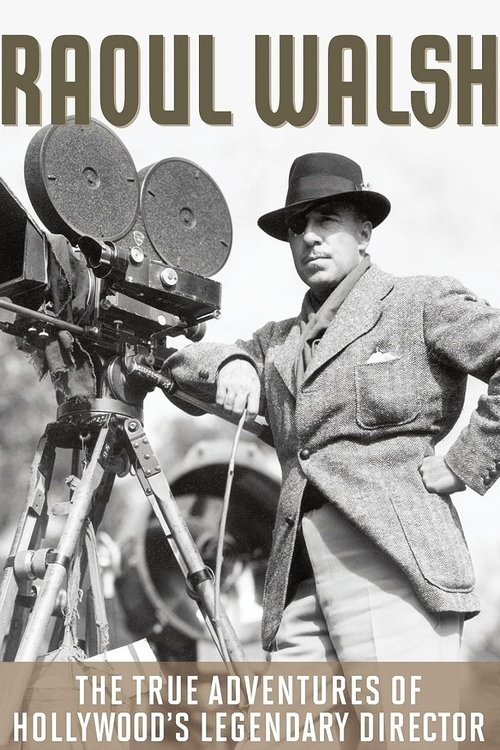
This is the first feature-length documentary on legendary director Raoul Walsh. In this 'memoir,' Walsh 'recounts' his career from the silent film era to the tumultuous 1960s. The documentary makes stunning use of rare, personal and production photos and footage, revealing Walsh's extraordinary, adventurous life on and off the set. From his apprenticeship with D.W. Griffith to his discovery of John Wayne and Rock Hudson, from the innovative 'The Thief of Bagdad' (1924) to the widescreen 'The Big Trail' (1930), from his classic work with Cagney, Bogart and Flynn to his mastery of every genre (musicals, comedies, Westerns, gangster, war), Walsh made Hollywood history. His life is nothing less than the story of Hollywood itself. Here's a full-bodied account of one of Hollywood's greatest legends.
Documentary about the use of 3-D technology in Inferno (1953) and the advent of CinemaScope, in 1953 in the film The Robe (1953).
In it, film noir expert Alan K. Rode and critic Constantine Nasr offer an enthusiastic but very fair assessment of Douglas' career and personal life as well as some of the big films he made that are now considered timeless classics. The program was produced exclusive for Via Vision Entertainment.
Behind the scenes of "The Man Who Cheated Himself" (1950)
Brief overview of the two actors at the Fox Studio.
Documentary film remembering the legacy of iconic actress Fay Wray, produced by Warner Archive to accompany their release of Wray's 1933 film Mystery of the Wax Museum.
The behind-the-scenes story of how "Casablanca" became an American film classic.
A documentary by Steven C. Smith and Alan K. Rode featuring interviews with Chris Wrather and Gretchen (Castle) Bernfeld.
An all-new documentary about filmmaker Anthony Mann and his time making films for Universal Studios in the 1950's.
A documentary by Steven C. Smith and Eddie Muller exploring the life and work of author Cornell Woolrich.
Making of Moontide talking about the production of the movie.
The documentary covers the origins, history and curious stories behind the production along with a perceptive reading of the film.
Documentary on the making of the film, from script to noir classic, produced by Steven Smith and the Film Noir Foundation.
Steven C. Smith and Alan K. Rode’s documentary about director John Reinhardt.
A history of the Eagle-Lion Studio.