Pierre Braunberger
Production
Biography
Pierre Braunberger (29 July 1905, Paris – 16 November 1990, Aubervilliers) was a French producer, executive producer, and actor. Born into a family of physicians, Braunberger at the age of seven was already determined not have the same life as his father, and not to take up medicine as a career. He saw a screening of Fantômas at the Gaumont Théâtre, the first cinema to open in Paris, and decided to work in the cinema. After the First World War, at the age of 15, he produced and directed his first film: Frankfurt in Germany. He left for successive adventures in Berlin, London at Brocklis establishments, where he worked. In 1923, he left for New York, where he worked for a few weeks at Fox Film Corporation, and became a director of production along with Ferdinand H. Adam where he also worked on films with Frank Merrill. In the course of his films in Los Angeles, he came to know Irving Thalberg who employed him at Metro-Goldwyn-Mayer as one of his assistants. He stayed there for eighteen months, and established contacts with one of the greatest directors of the time. Wanting to direct and produce in France, he returned to Paris and got to know Jean Renoir, with whom he worked on Avec qui il va tourner, The Whirlpool of Fate, Nana and Tire-au-flanc. In 1929, Braunberger created Productions Pierre Braunberger and Néofilms for the production of his first French-speaking film (La route est belle by Robert Florey). In 1930, Braunberger became head of the Pantheon Cinema and continued there for sixty years. He renovated the lobby, created 450 seats, and installed Western Electric projectors and sound equipment. Although subtitles were yet to be invented, he was the first to show foreign films in their original versions. One year later, he met with Roger Richebé to produce under the name of Établissements Braunberger-Richebé. A few films were produced, such as le Blanc et le noir by Robert Florey, Isn't Life a Bitch? by Jean Renoir, and Chocolatière et Fanny by Marc Allégret. In 1933, still only 28, he decided to continue alone, and formed studios de Billancourt, which became Paris-Studio-Cinéma. During World War two he was not able to produce a film because he was Jewish. At the end of the Second World War, Braunberger transformed a local Gestapo office into the Cinema Studio "Studio Lhmond", which he used to discover new talents of the "nouvelle vague", including Jean-Pierre Melville, Jean-Luc Godard and Alain Resnais. In 1966 he was the head of the jury at the 16th Berlin International Film Festival. Braunberger had a close relationship with philosopher Gilles Deleuze. In the late 1970s, Braunberger produced two films for Polish filmmaker Walerian Borowczyk. Braunberger died in 1990. Source: Article "Pierre Braunberger" from Wikipedia in English, licensed under CC-BY-SA 3.0.
Known For
No description available.
Samedi soir

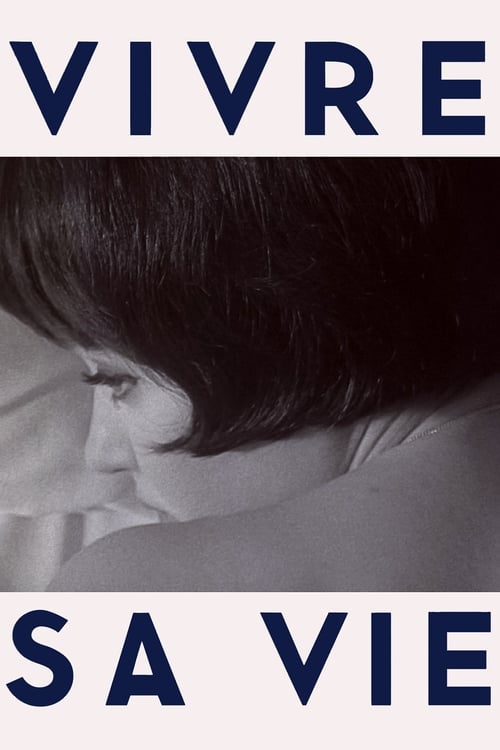
Twelve episodic tales in the life of a Parisian woman and her slow descent into prostitution.
Vivre Sa Vie

An exploration —manipulated and staged— of life in Las Hurdes, in the province of Cáceres, in Extremadura, Spain, as it was in 1932. Insalubrity, misery and lack of opportunities provoke the emigration of young people and the solitude of those who remain in the desolation of one of the poorest and least developed Spanish regions at that time.
Land Without Bread

Charlie is a former classical pianist who has changed his name and now plays jazz in a grimy Paris bar. When Charlie's brothers, Richard and Chico, surface and ask for Charlie's help while on the run from gangsters they have scammed, he aids their escape. Soon Charlie and Lena, a waitress at the same bar, face trouble when the gangsters arrive, looking for his brothers.
Shoot the Piano Player

Cashier Maurice Legrand is married to the wretched Adele. By chance, he meets Lucienne, 'Lulu', and makes her his mistress. He thinks he has finally found love, but Lulu is a streetwalker, still in love with her pimp.
La Chienne

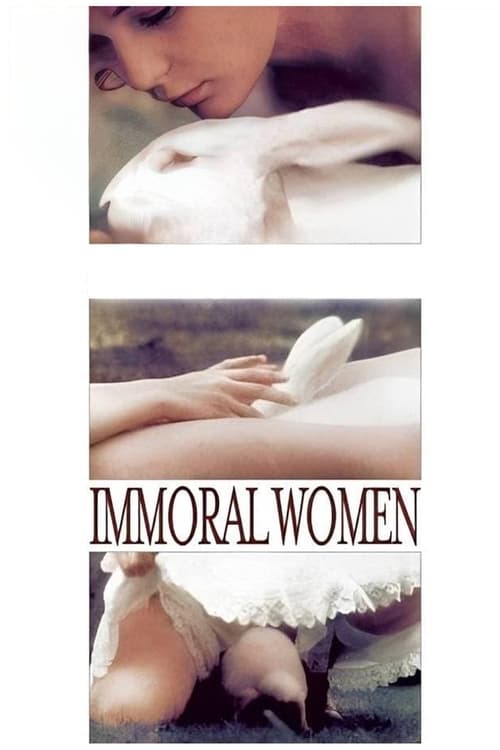
The first episode – featuring frequent Borowczyk muse Marina Pierro – is the longest and, in a way, most substantial: it’s set in Renaissance Rome, with the lusty (and perpetually nude) leading lady sexually involved with famous painters and church benefactors. The second episode is the most notorious and, consequently, gave the film its controversial poster – featuring a rabbit slowly disappearing under the skirt of a teenage girl (played by Gaelle Legrand). The third and final episode, which has a modern-day setting, is the shortest – but also, possibly, the most outrageous: Pascale Christophe is a young married woman who’s abducted on a busy Parisian street by a small-time hood hidden inside a cardboard box!
Immoral Women

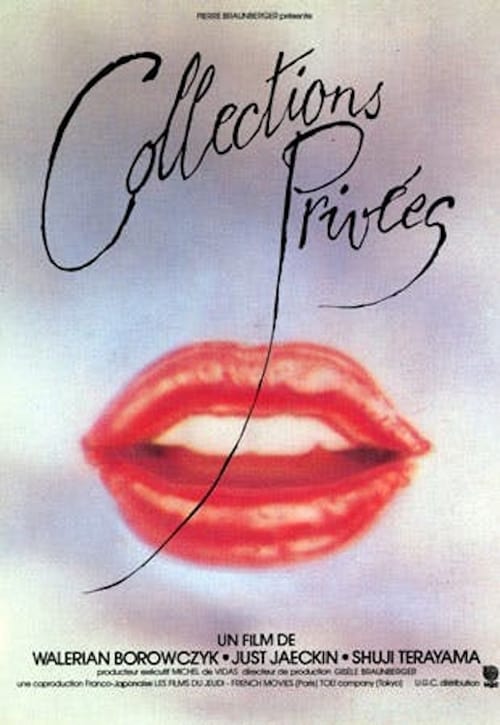
Three stories. A solitary sailor falls from his boat and washes ashore on a tropical island. While seeking rescue, he's found by a nearly naked woman who is playful and compliant. He decides to erase his signs of distress and remain on the island. What awaits? In the second, an adolescent searches for the words of a nursery rime he remembers bits of. His journey takes him into dreams, sexual awakening, and Oedipal fantasy. Third, a man of wealth in late-nineteenth century Paris hires a prostitute for the night. She's also cabaret performer and takes him to her room. He fears he's about to be robbed. What's her secret?
Private Collections

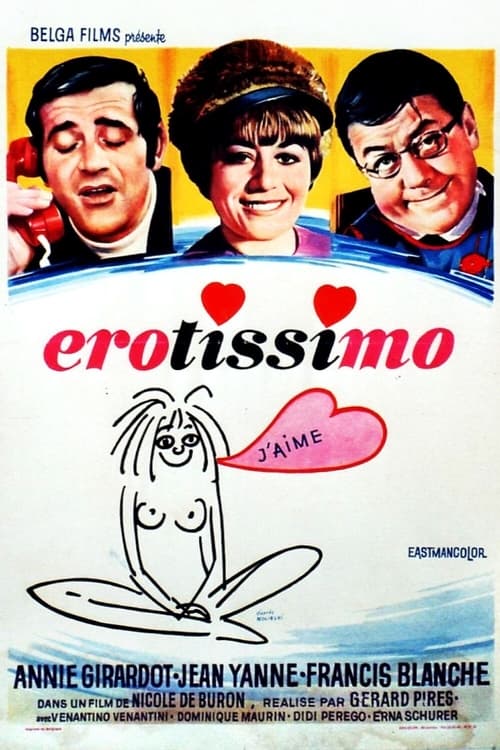
Annie is a middle-age wife, still sexy and pampered by her husband, Phillippe, who is the owner and general manager of a dynamic company. Under the deluge of sexy Swedish movies, sexy advertising on the streets, sexy intimate clothing in ladies' shops, and even talks about sex and marital infidelity with her mother and female friends, Annie starts feeling left aside by her husband, and trying to attract in a number of ways - and failing. It's not the all-purpose secretary at the office that is keeping him late, it's a tax expert that, asking the most innocent questions, is finding out how Philippe can manage a company without profits, and still manage a home, may be two... with high quality levels.
Erotissimo

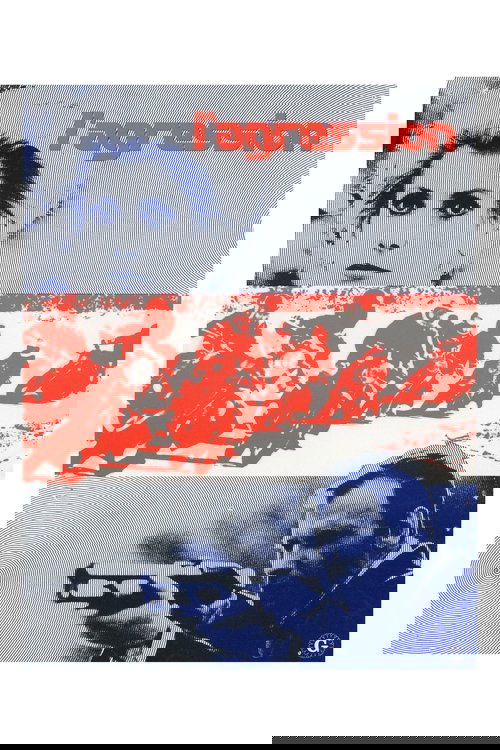
After his wife and daughter are raped and killed by a motorbike gang, a man sets out to take revenge.
Act of Aggression

The family of a Parisian shop-owner spends a day in the country. The daughter falls in love with a man at the inn, where they spend the day.
A Day in the Country

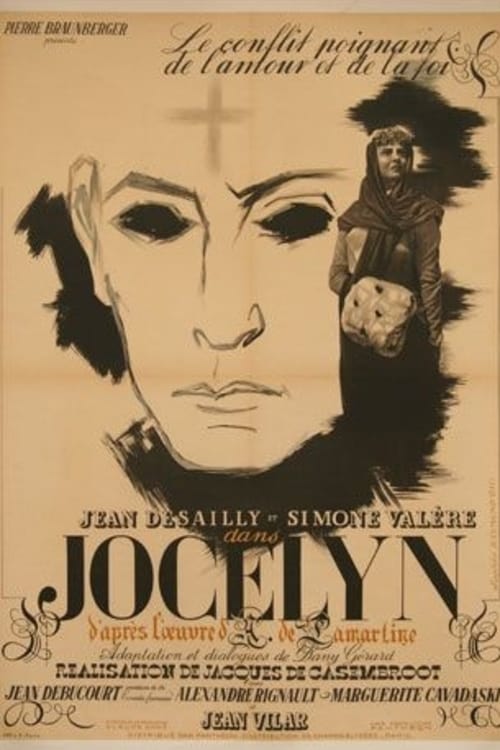
In 1786, Jocelyn entered the Seminary. He leaves his share of the inheritance to his younger sister Julie. In 1793, on the point of being ordained a priest, the Revolution forced him to take refuge in the Alps. There he meets Laurence, first disguised as a young boy. A great friendship binds them which turns into love when Jocelyn discovers the girl's true identity. Yet faithful to the promise he made to the Superior of his Seminary, Jocelyn will not abandon his faith.
Jocelyn

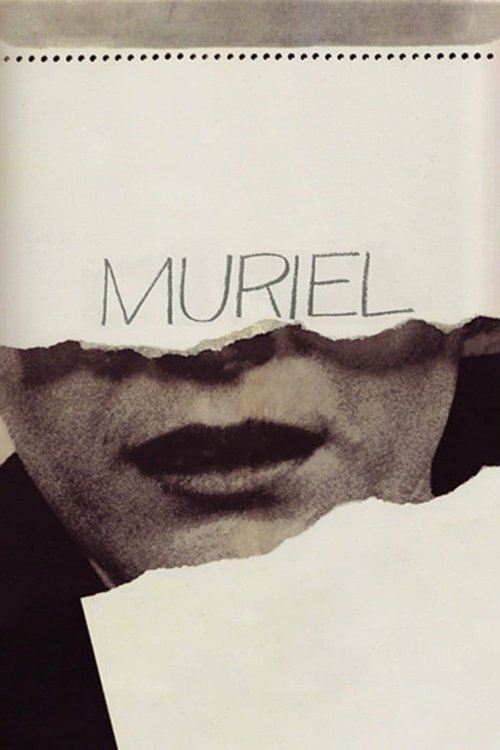
In the seacoast town of Boulogne, antique furniture saleswoman Hélène lives with her stepson, Bernard, who's back from military duty in Algiers. An old lover of Hélène's comes to visit, Alphonse, with his niece Françoise; he too is back from Algiers, where he ran a café. Bernard speaks of his fiancée, Muriel, whom Hélène has not met. The past is obscured by guilt, misperceptions, and missed possibilities. Appearances deceive, things change. As Hélène and Alphonse try to sort out a renewal, everyone seems off-kilter just enough to hint that all cannot end well.
Muriel, or the Time of Return

While escaping from prison to be with her lesbian friend, a 19-year-old girl breaks her ankle and is picked up by an ex-con, with whom she begins a passionate affair. She finally turns to prostitution and robbery to support herself.
Ankle Bone

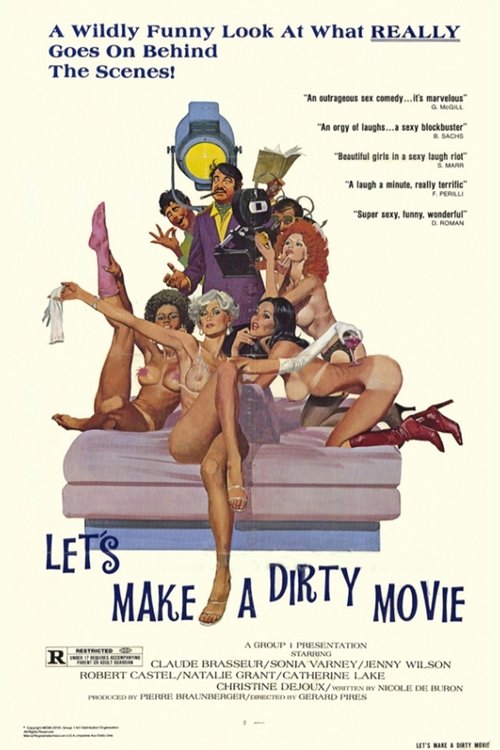
A bumbling film crew attempts to make a porno movie.
Let's Make a Dirty Movie

A troupe of French actors on tour in Normandy become involved in the events of WWII.
Soldier Martin

A young couple of burglars, waiting for trial, marry in jail. Annick writes down her observations of the women's ward. When she hears that her lover must serve a twice as long prison sentence, she plans their escape.
On the Lam

Nicole Védrès' chronicle of Paris from 1900 to 1914 is brought to life through the use of original material, all authentic, secured from more then 700 films belonging to public and private collections. A few of the celebrities of the time shown are Enrico Caruso, Sarah Bernhardt, and Maurice Chevalier.
Paris 1900

A story about a guy who still lives with his mother and sells some really awful alcohol to bartenders. The only way for him to do this is to cry and invent himself an awful life. Then he meets the beautiful woman whose goal in life is to sleep with the less exciting guys on Earth.
How to Make Good When One Is a Jerk and a Crybaby

A photoshoot on the roofs and in the streets of Paris, under the astonished eyes of the inhabitants.
Le Paris des mannequins

Miléna is living in her grandmother's baroque château when the rich lady dies. The lawyer Miguel, who had a previous relationship with Miléna, insists the other two grandchildren, Fifine and her brother Jean-Paul, visit the château for the reading of the will, even though they have been estranged from the family at an early age. However Robert, who had been living with Fifine in an open relationship, arrives and impersonates Jean-Paul. Robert falls for Fifine's cousin Miléna while Fifine has designs on Miguel. In the meantime, the butler César is focusing his lecherous intentions on Prudence, the maid he had just hired.