Editing
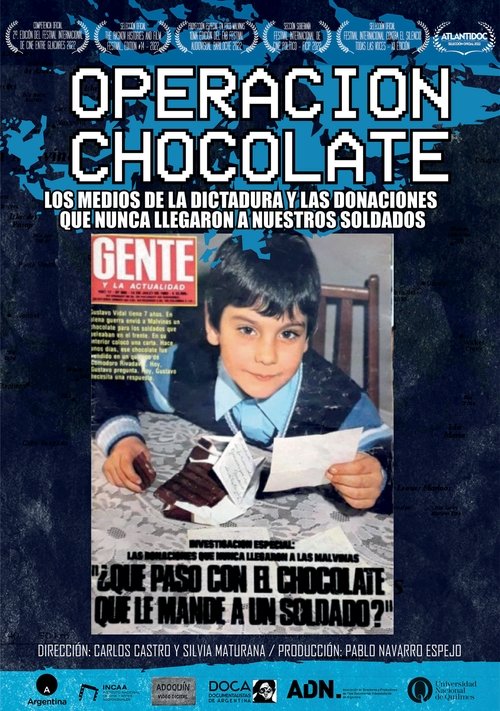
In July 1982, a month after the capitulation of Argentine troops in the Falklands war with Great Britain, GENTE magazine published on the cover a photo of a boy who had sent a letter and a chocolate to an anonymous soldier. His letter and chocolate would never reach the recipient, the chocolate being later sold at a kiosk in the Argentinian town of Comodoro Rivadavia. 38 years later, Gustavo Vidal, the chocolate boy, embarks on a journey to reconstruct the story that moved, in its time, Argentines deceived by the press before, during and after the armed conflict with the United Kingdom.
No description available.
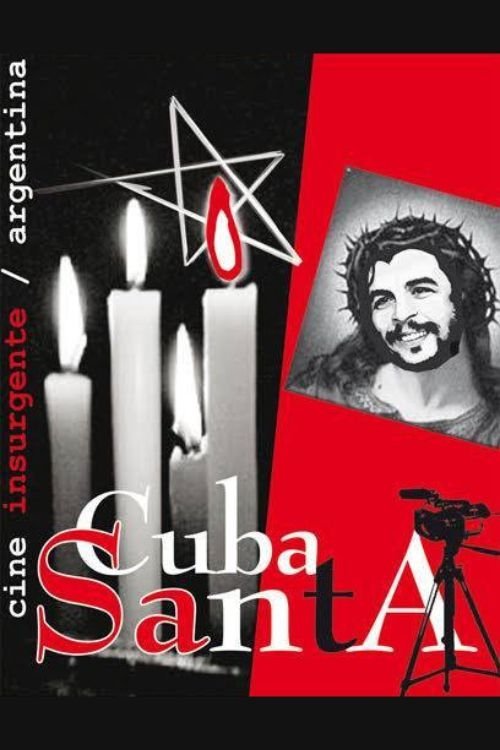
Through conversations with men and women practicing the Yoruba religion -better known as "Santeria" in Cuba-, the documentary narrates through a simple and direct record the phenomenon of faith and how it entered their lives.
On a trip through Patagonia, I search for traces of my Mapuche grandmother's silenced identity. There, I encounter the kimches (wise elders) who know how to transmit ancestral knowledge through newen (vital energy), transforming words into seeds for new generations. As I listen to their words, I recover part of that identity that was denied to me as well.
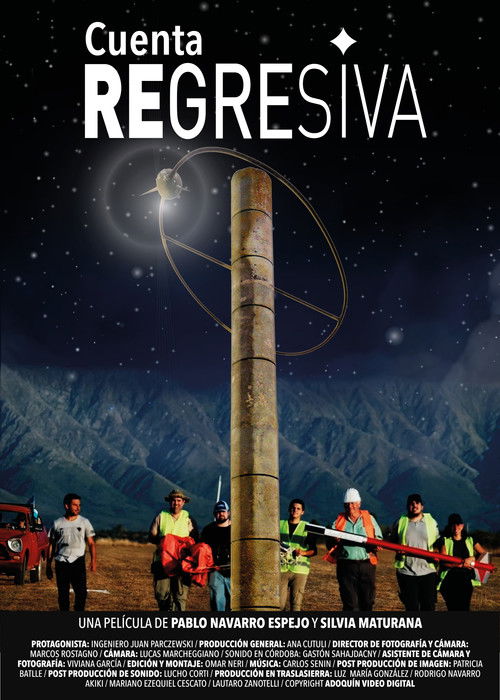
A strange monument in the Pampa de Achala, Córdoba, holds a hidden meaning. Yet there are always those who are astonished and begin to ask questions. The answers ignite passions that lead us to the past and the future, and to the discovery that Argentina's aerospace history began in the breathtaking landscape of the High Peaks. A group of young people from the Traslasierra region and an experienced engineer recreate the historic feat that placed our country at the forefront of scientific development.
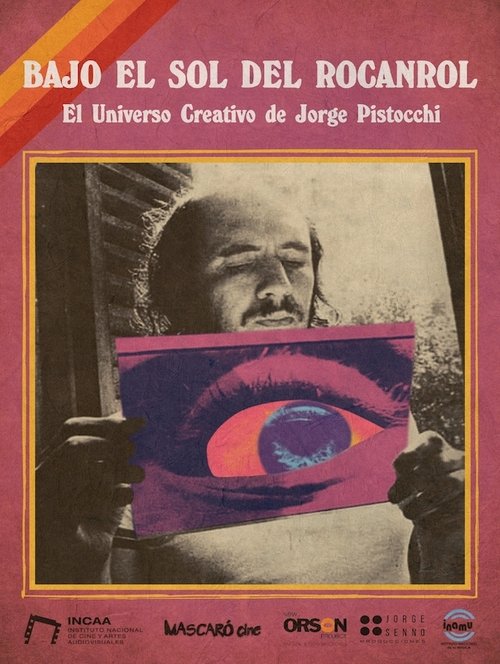
With a musical, psychedelic and poetic proposal, it portrays the editor and journalist Jorge Pistocchi and an entire generation that carries rock in its luggage, and whose driving force is to generate a space for independent thought, community action and experimentation.
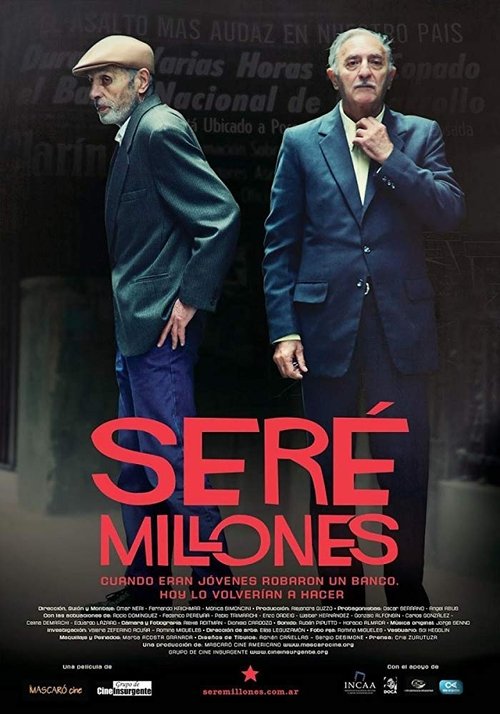
In January 1972, during General Lanusse's dictatorship in Argentina, a group of revolutionary activists occupied the National Development Bank, just meters from the Government House, expropriating 450 million pesos (approximately 10 million dollars today) for their cause. This was made possible by Oscar Serrano and Ángel Abus—activists and bank employees—who spent two years preparing what would become the biggest blow to the dictatorship's finances. Forty years later, Oscar and Ángel, along with a group of actors, recreate those events that changed their lives. In this dialogue between generations, the young people transform their perspective on activism and commitment during those years. Narrated through several cinematic layers, Seré Millones (I Will Be Millions) offers an innovative story that blends humor, rigorous historical research, and the epic spirit of the era.
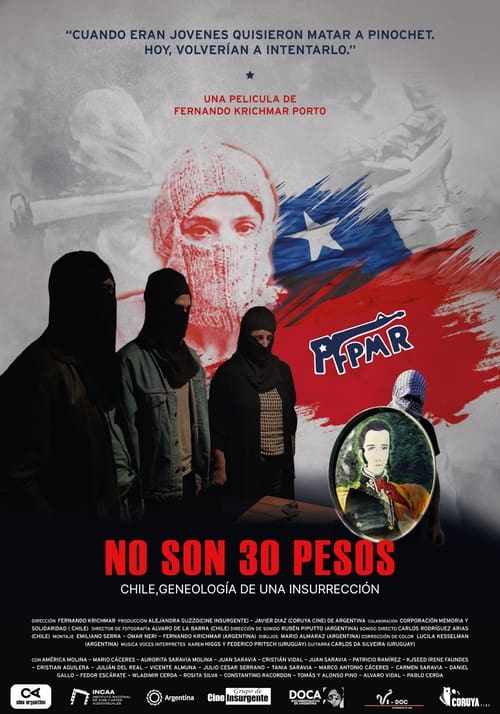
A group of young actors attempts to recreate some of the key scenes that tell the story of the Manuel Rodriguez Patriotic Front, the guerrilla group created by the Chilean Communist Party, 10 years after the start of the dictatorship of the genocidal Augusto Pinochet in December 1983.
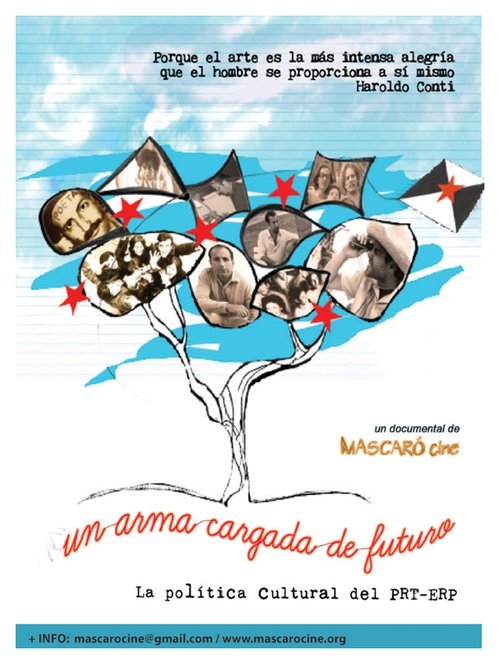
This documentary addresses the debates on culture and the diverse experiences that emerged in the 1960s and 1970s, gathered around the PRT-ERP (Revolutionary Workers' Party - People's Revolutionary Army) in the heat of the revolutionary struggle of the time. Important figures such as Raymundo Gleyzer, Haroldo Conti, Vicente Zito Lema, María Escudero, Daniel Hopen, Roberto Santoro, and Nicolás Casullo, among others, were protagonists of new experiences expressing themselves both in art and in other areas of intellectuality.
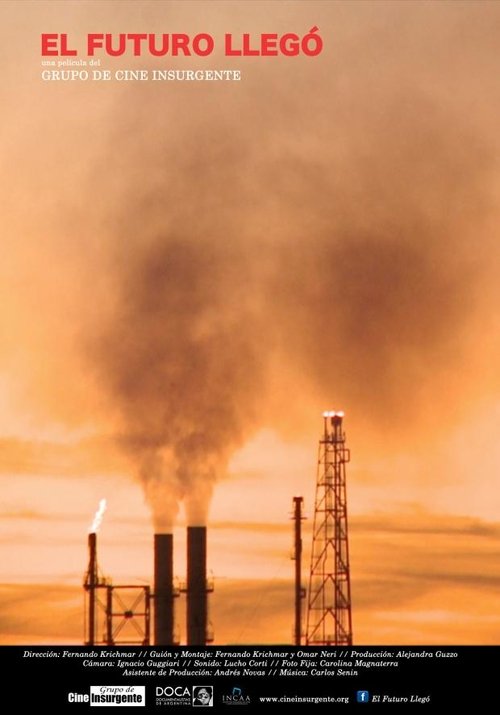
The petrochemical pole installed in Ingeniero White hand in hand with the discourse of "progress" promises that Bahía Blanca will become Argentine California. The reality is much harsher. But in this bleak panorama, the voices and bodies of the popular resistance emerge.
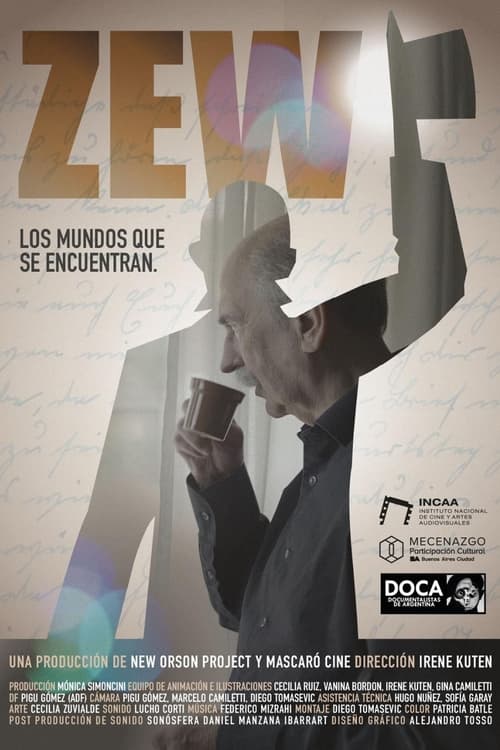
Zew was born in a prison camp on the Island of Rhodes in 1941 during World War II. Psychoanalyst and "magician's apprentice", he looks for a way to tell his grandchildren his story, in a Buenos Aires where the lives of other immigrants converge.
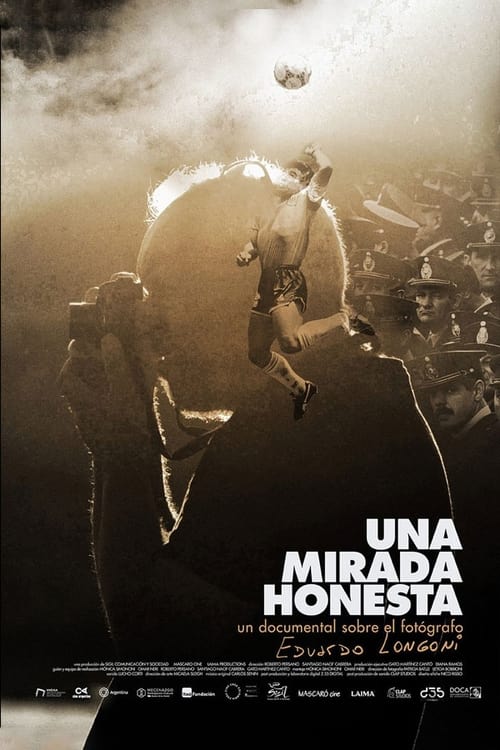
Documentary about Eduardo Longoni, the photographer who captured decisive moments in the last 40 years of Argentine history.
The documentary tells, through the life of Friar Antonio Puigjané, a Franciscan priest, a historical period in the social and political life of Argentina in which the paths of Christianity and the Revolution are inseparable and indispensable.
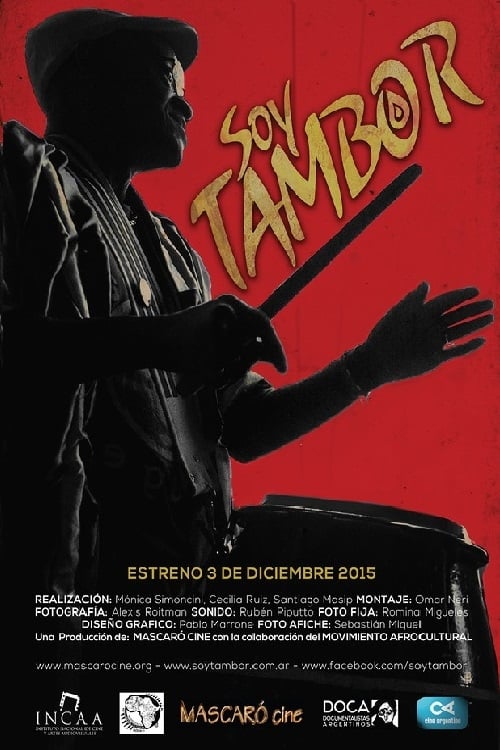
A documentary about the afro uruguayan community that lives in Buenos Aires, Argentina.
Alba is a university student who seeks to understand the link between culture and revolution in Argentina and Latin America, focusing on some experiences from the 1960s and 1970s. Through a treatment that combines fiction, documentary, and cinematic collage, the film becomes her travel diary as she traverses urban spaces and historical times.
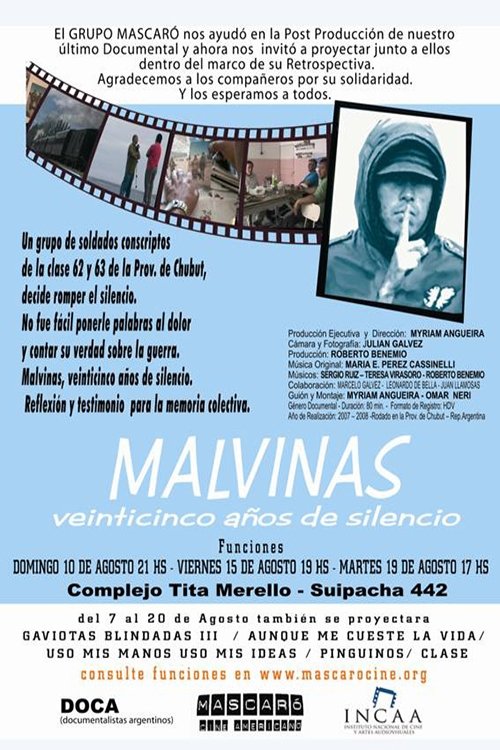
A group of soldiers from the 62nd and 63rd classes of the Chubut province, Patagonia, Argentina, decided to break the silence. It wasn't easy for them to put words to their pain and share their truth about the war.
This film tells the story of Chief Inacayal, who ended his days in the Museo de la Plata with his family. His remains were returned to his territory in 1994, but a group of university students discover that his remains are still in the museum.
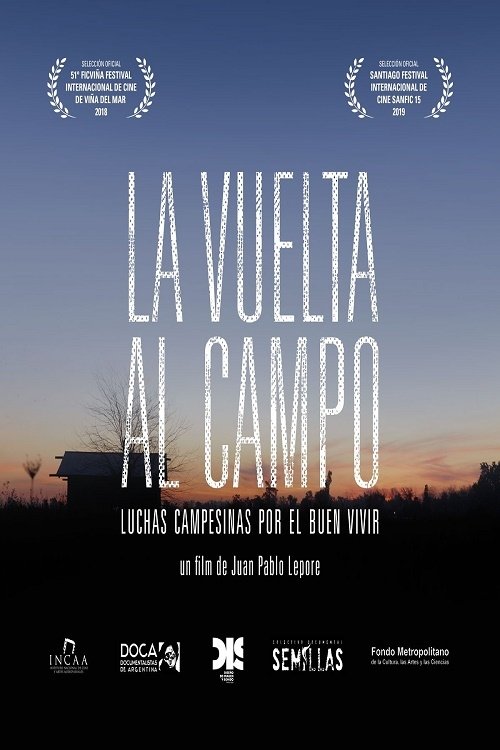
Social movements claim the "return to the countryside" as part of their struggle for justice, democracy and freedom after being expelled from the system as a result of neoliberal policies in Argentina and Brazil.