Camera
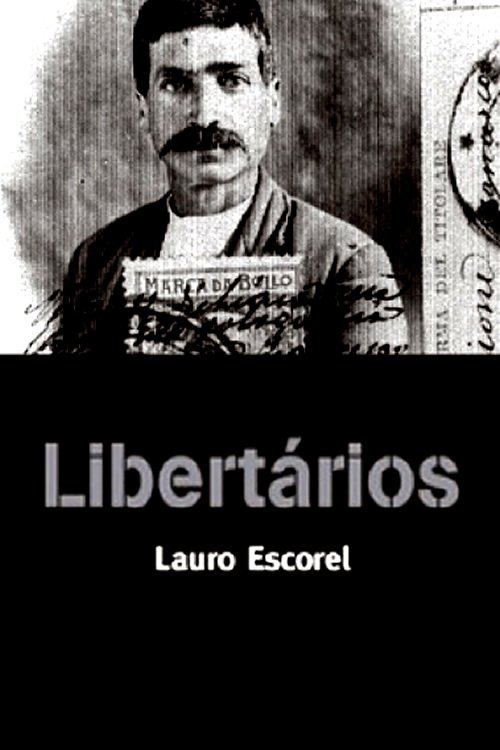
A documentary about the history of the anarchist-led workers' movement in Brazil. It shows the transformation of immigrants into the first urban workers and chronicles the most important strikes, the successes and defeats of the movement, from the end of the 19th century until 1922.
A look at the Brazilian black movement between 1977 and 1988, going by the relationship between Brazil and Africa.
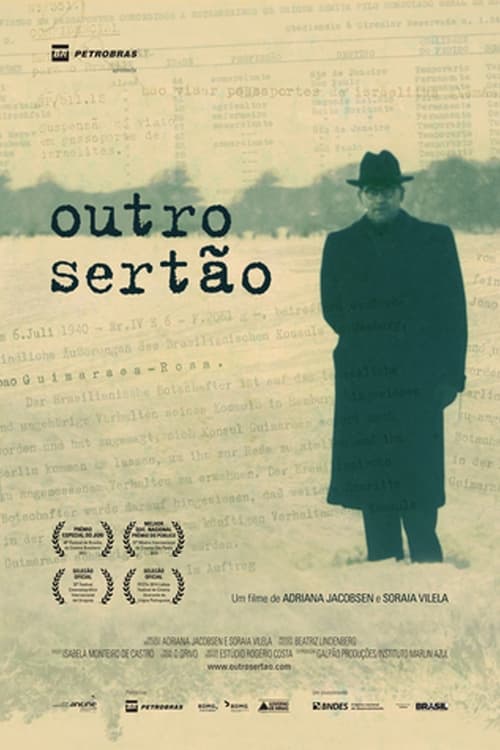
A documentary about Joao Guimaraes Rosa's stay in Nazi Germany. The film captures the experience of the Brazilian vice-consul in Hamburg between 1938 and 1942, at the height of the Nazi regime and during the first years of the World War II. Using his writings from that time, as well as archive pictures, documents, survivors testimonies, and an unpublished interview with him, the film reveals new biographical aspects of one of the greatest writers in Brazilian history.
No description available.
A revolutionary, fighting against dictatorship in Brazil, is wounded in a gun-fight with the police, and is isolated in another man's apartment, where he meets a young woman who will change his life.
In 1979, an agreement between Brazil, Paraguay, and Argentina allowed for the exploitation of water resources from the stretch of the Paraná River, starting from Sete Quedas.
Free adaptation of Machado de Assis' classic. The narrator is a rich dead man, who tells us about his life and times, making fun of both.
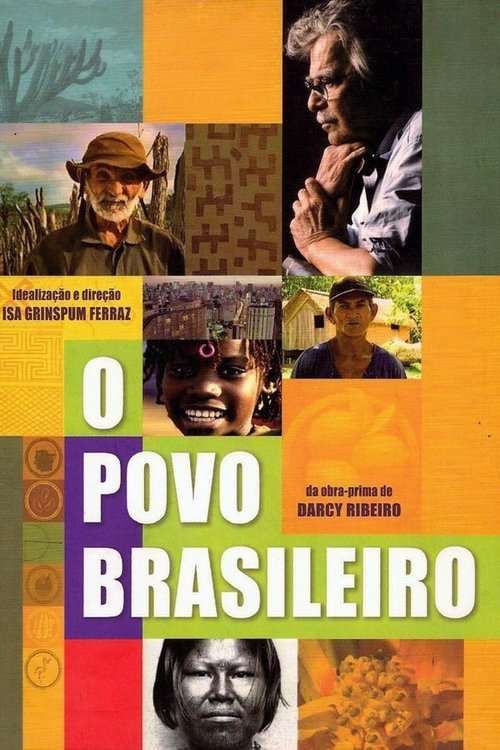
Directed by Isa Grinspum Ferraz, the series O Povo Brasileiro proposes a deep dive into the history of Brazil to talk about historical, social and cultural formations that constitute the identities of the Brazilian people. The production approaches from aspects of the native peoples to the formation of Brazil as a national unit, in a recreation of the literary narrative of the homonymous work written by the anthropologist Darcy Ribeiro.
The story of Orisbela, a young and religious woman who comes from Portugal to Brazil to marry Francisco de Albuquerque, a rude sugar-cane plantation owner, in 1570.
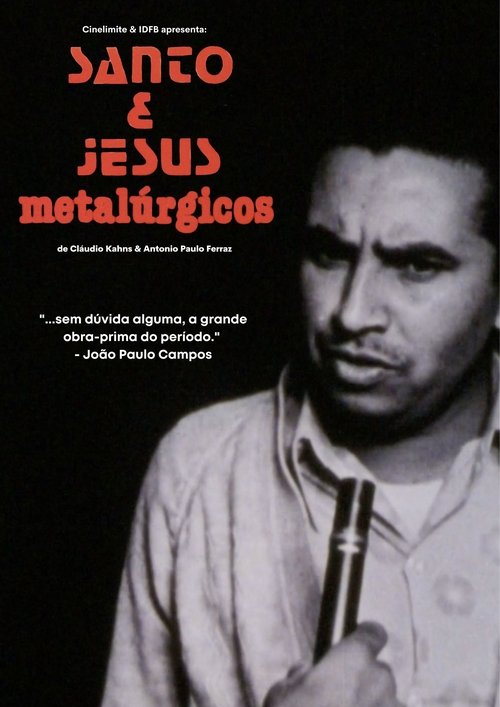
From its very title, Cláudio Kahns and Antônio Paulo Ferraz's Santo e Jesus, Metalúrgicos is crystal clear about where it stands and about its messianic flair. Through a wordplay with the religious connotation of the names of the two men, murdered during the worker strikes of the late 1970s in São Paulo, it associates sainthood and Christ himself with the working class. That association is reaffirmed throughout the film, from the very beginning, including by a priest. The martyrdom of metalworkers Nelson Pereira de Jesus and Santo Dias da Silva is the starting point to denounce the working conditions faced by factory workers, and the repression which ensues whenever they try to resist them. However, the film also presents us with the 'official' version of the facts, going so far as to feature interviews with the man who killed Nelson. Obviously, it sides with the workers, as it conveys the strength of the oppressed and the impudence of the oppressors.
Diogo, a cowboy, meets Rodrigo, a boy who dreams of becoming a cattle herder, when he drives a large herd of cattle to the Ouro Fino farm. They become friends and witness the injustices that occur in the region due to the greed of Major Batista, the owner of the property where they take the cattle.
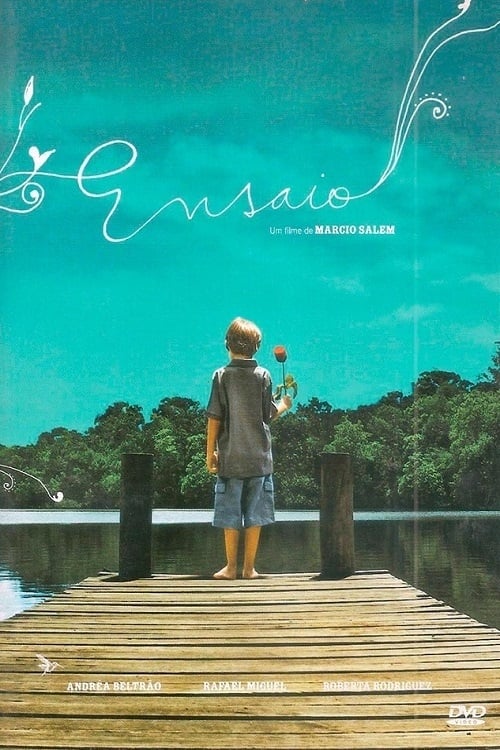
All Marina wants is to hear Bruno, her 9-year-old son, tell her he loves her. All he wants is to be able to tell her that.
An attentive and time-consuming observation of the daily life of workers in a hat factory - entering the factory, the rhythm of the machines, the rhythm of manual work, the steam, the brief and precious break for lunch, the mechanical gesture of the worker repeated over and over again countless times, the silhouettes of bodies. The only foray into direction by the prolific photographer and art director of Brazilian cinema, Adrian Cooper.
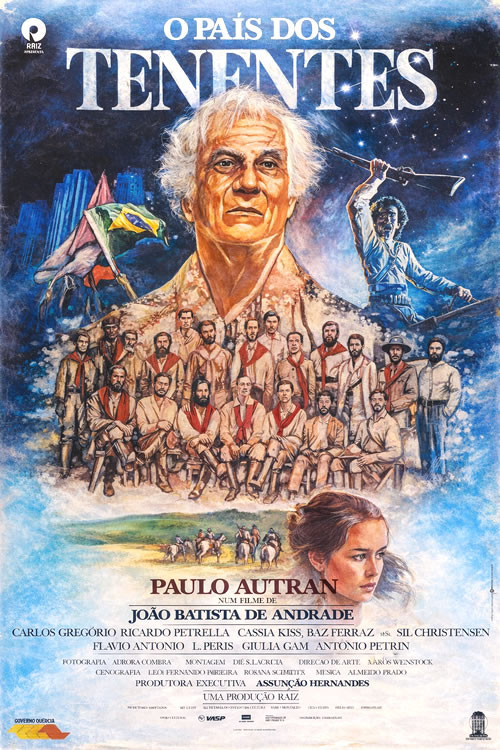
With death getting near, a retired officer remembers the most important passages in his life and his participation in historical events in Brazil, such as the Lieutenants' Movement, and the 1964 coup.
Three brothers find themselves sharing a home with the alluring new wife of the middle sibling. As they become infatuated with the same woman, a complex and enthralling tale ensues in this tropical paradise.
The story of Brazilian Antônio José da Silva, a jewish poet, playwright and lawyer living in the 18th Century Lisbon, who managed to avoid Inquisition by converting himself to Catholicism, after being tortured. But his fierce criticism of Portugal's élite led him to persecution and torture, becoming kind of a scapegoat.
A group of friends working on an offshore oil rig maintain close bounds and do their best to face the difficulties presented by living and working isolated out in the middle of the sea. A job promotion triggers events that disrupt, in an irreversible way, the group friendship and the protagonist’s own life on land. He is tested by the force of destiny and experiences the drama of an ordinary man facing a gradual process of isolation.