Eleanor Antin
Directing
Biography
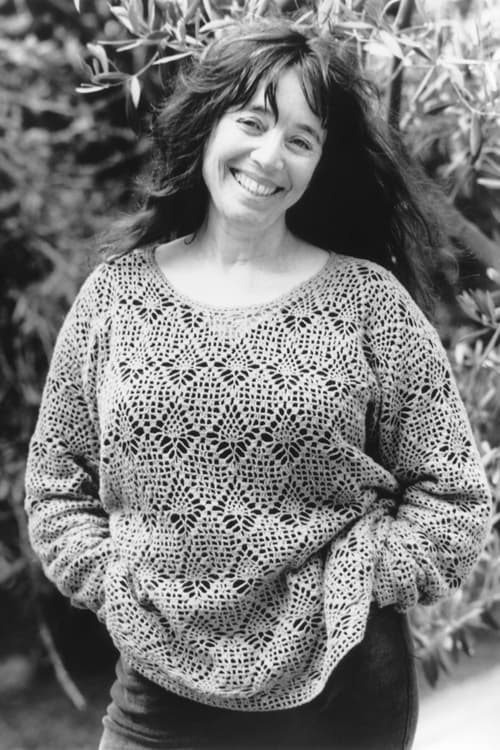
Eleanor Antin, who has worked in film, video, photography, installation, writing and performance since the 1960s, uses fictional characters, autobiography and narrative to invent histories and explore what she calls, "the slippery nature of the self." In her performance-based video works, Antin uses role-playing and artifice as conceptual devices, adopting archetypal personae — a ballerina, a king, a nurse — in her theatrical dramatizations of identity and representation. Antin was born in New York City in 1935. She studied art at The High School of Music & Art in New York, and received a B. A. in creative writing and art at City College of New York in 1958. Her work has been exhibited in solo shows at The Museum of Modern Art, New York; Whitney Museum of American Art, New York; the Museum of Contemporary Art, San Diego, CA; the Museum of Contemporary Art, Chicago; the Jewish Museum, New York, and the Ronald Feldman Gallery, New York, among others. Antin has also participated in many group exhibitions, at venues such as the Brooklyn Museum, New York; San Francisco Museum of Modern Art; Centre Pompidou, Paris; Zachęta National Gallery of Art, Warsaw, Poland; J. Paul Getty Museum, Los Angeles; Walker Art Center, Minneapolis, MN; Museum of Contemporary Art, Sydney, Australia, for the 2002 Sydney Biennale; Louisiana Museum of Modern Art, Denmark; The Hirshhorn Museum and Sculpture Garden, Washington, D.C., and the 37th Venice Biennale. Antin has been honored with several retrospectives of her work, including Eleanor Antin: I wish I had a paper doll I could call my own... at Ronald Feldman Fine Arts New York in 2016, Multiple Occupancy: Eleanor Antin's Selves held at the Wallach Art Gallery, Columbia University, New York in 2013, a survey of Antin's work was on view at the Washington University Gallery of Art in St. Louis, Missouri in 2000 and at the Los Angeles County Museum of Art in 1999. In 2006, Antin received a Lifetime Achievement Award from the College Art Association and a Lifetime Achievement in the Visual Arts Award from the Women's Caucus for Art, she was awarded a Media Achievement Award from the National Foundation for Jewish Culture in 1998, and was also awarded a John Simon Guggenheim Memorial Foundation Fellowship in 1997. She is currently Professor Emeritus of Visual Arts at the University of California, San Diego. Antin lives and works in San Diego, CA.
Known For

Through intimate interviews, provocative art, and rare, historical film and video footage, this feature documentary reveals how art addressing political consequences of discrimination and violence, the Feminist Art Revolution radically transformed the art and culture of our times.
!W.A.R.: !Women Art Revolution

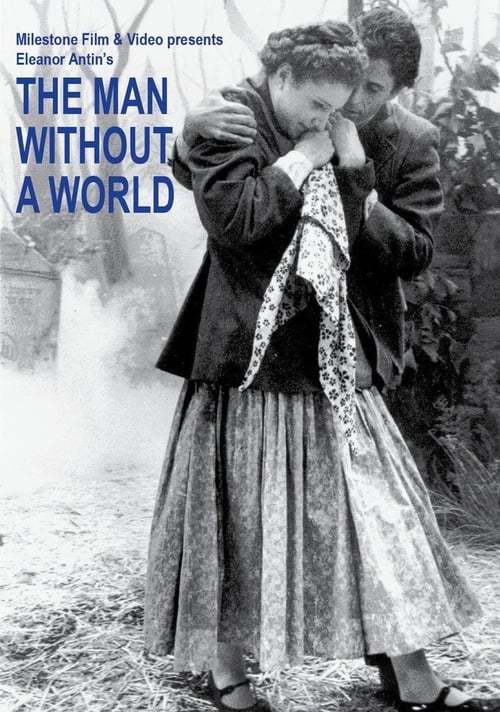
The Man Without a World is credited to the legendary (and imaginary) 1920s Soviet director, Yevgeny Antinov. But the film is anything but old. In fact, Antinov himself is the creation of contemporary filmmaker Eleanor Antin. Her film is a moving, comic melodrama set in a typical shtetl (village) in Poland. The Jews’ struggle against poverty and racial hatred is complicated by their own division into hostile political factions of the religious orthodoxy, assimilationists, socialists, Zionists, anarchists and survivors. While the Jews of the shtetl pursue their loves, politics, religion, business and dreams for the future, the Angel of Death is ever near...
The Man Without a World

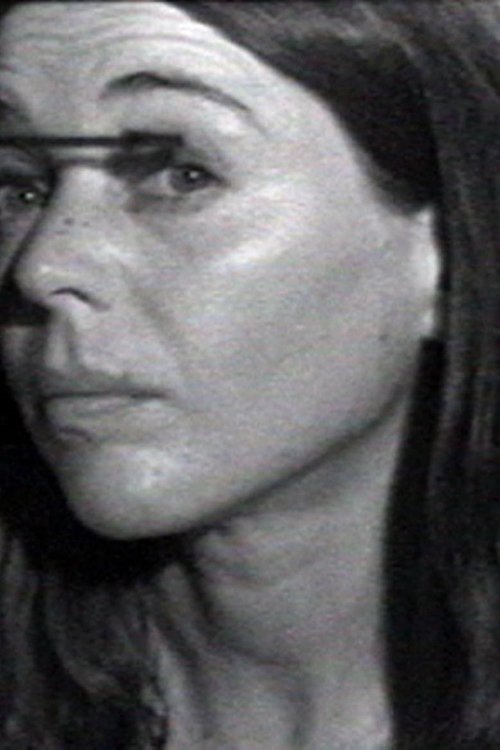
The artist explores make-up as a traditional mode of self-expression, using it to find a representation of herself with which to face the world.
Representational Painting

Television special of five episodes directed by Alfredo Di Laura dedicated to the exhibition "Attivo. Performance e Dibattiti" curated by Tommaso Trini.
The Pink Biennal

Billed as "the final orgy and dreadful end of the notorious monk, Rasputin, on the eve of the Russian Revolution," THE LAST NIGHT OF RASPUTIN tells a story of pre-revolutionary Russia. Rasputin, confidante of the Tsarina, storms through St. Petersburg in endless orgies and bachannales. Into the aristocratic decadence come three friends from the productive classes - a worker, a student and a ballerina. The troika fall victim to evil doers but heroically triumph in the end.
The Last Night of Rasputin

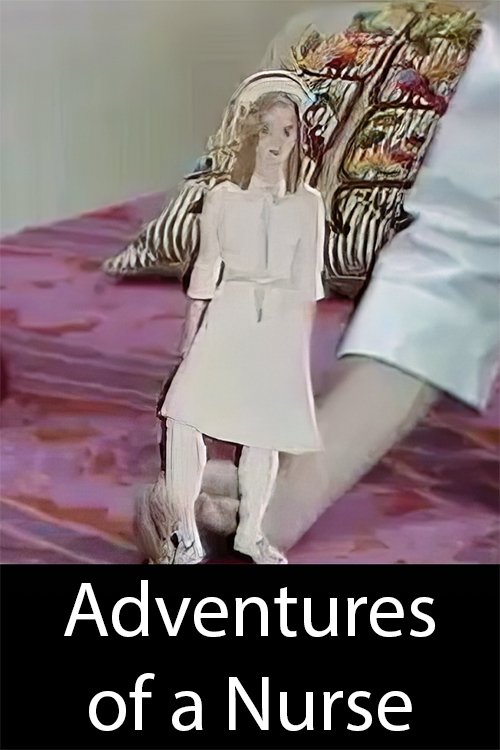
Part I: The artist, in the role of a nurse, fantasizes on romantic themes, using a set of foot-high, hand-painted paper dolls as actors. A fantasy within a fantasy. The "Nurse Eleanor" paper doll performs as a surrogate self for Nurse Eleanor Antin and is the much put-upon but brave heroine of a succession of romances with a dying poet, a biker, and a doctor. Part II: "Nurse Eleanor's" romantic odyssey continues with two new lovers — a French ski bum and an anti-war senator.
The Adventures of a Nurse (Parts I and II)

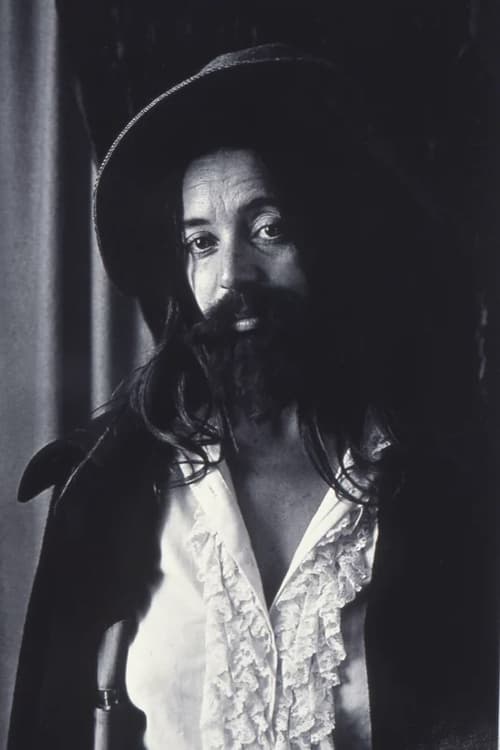
Writes Antin: "Applying hair to her face, the artist moves through a variety of bearded faces seeking the identity most appropriate to her facial structure and satisfying to her aspirations." Antin transforms herself into a man and adopts one of her recurring performance personae, "The King."
The King

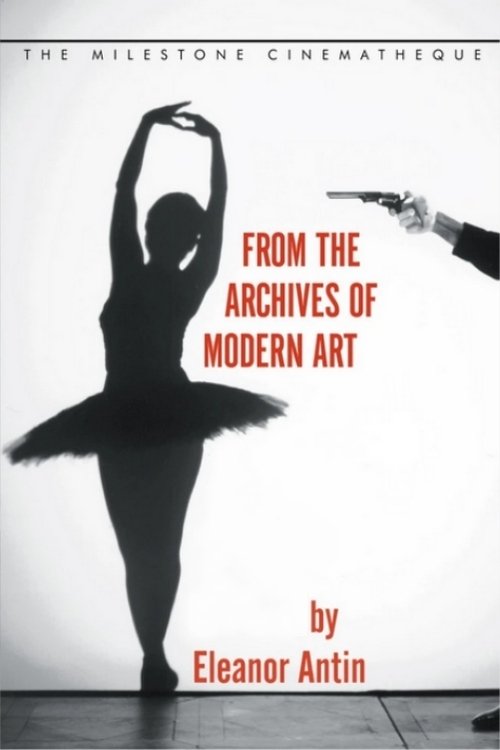
In this work of documentary fiction, an archivist attempts to put together the "lost years" of Eleanor Antinova, the once-celebrated black ballerina of Diaghilev's Ballets Russes, when she returned to her native America to eke out a meager living in vaudeville and early cinema. Eleanor Antin uses fictional characters, autobiography, and narrative to invent histories and explore what she calls "the slippery nature of the self".