Jerónimo Carranza
Editing
Known For

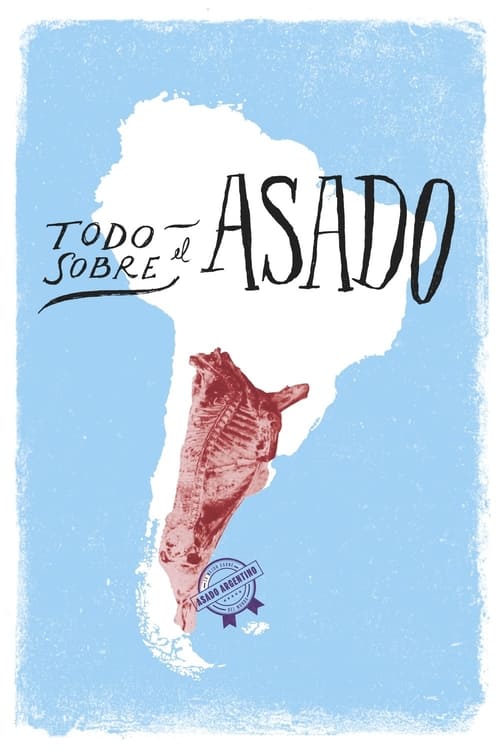
All About Asado is a trip into the culinary heart of Argentina. Asado, the tradition of grilled meat, is a food and also a ritual. It is primitive and modern, wild and sophisticated, an art and a science. Few phenomena reveal the essential characteristics of Argentina’s national identity with more originality and precision. Equal parts road-movie, documentary and fiction, Gastón Duprat and Mariano Cohn’s playful film delves into the almost sacred tradition of asado, using a sharp and irreverent gaze to explore the country’s meaty fixation.
All About Asado

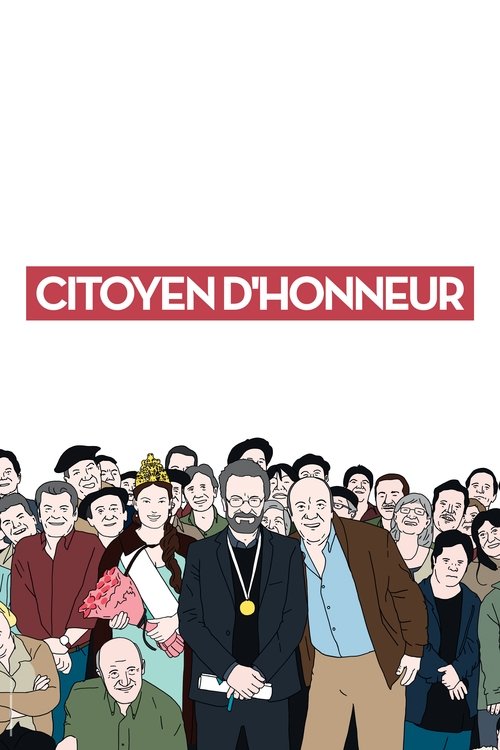
After refusing big and prestigious awards all over the world, Mr. Mantovani, Literature Nobel Prize winner, accepts an invitation to visit his hometown in Argentina, which has been the inspiration for all of his books. It turns out that accepting this invitation is the worst idea of his life. Expect the unexpected when you have used real people as characters in your novels!
The Distinguished Citizen

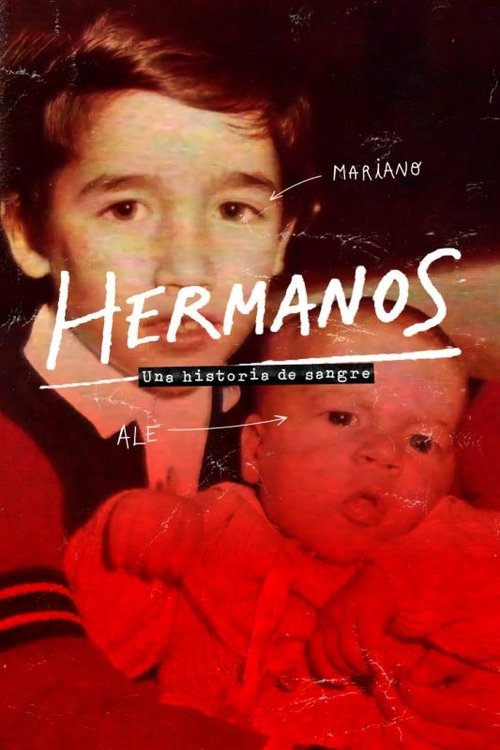
Documentary that follows filmmaker Mariano Cohn's struggle to find the truth behind the mysterious death of his brother in 2015.
Hermanos, una historia de sangre

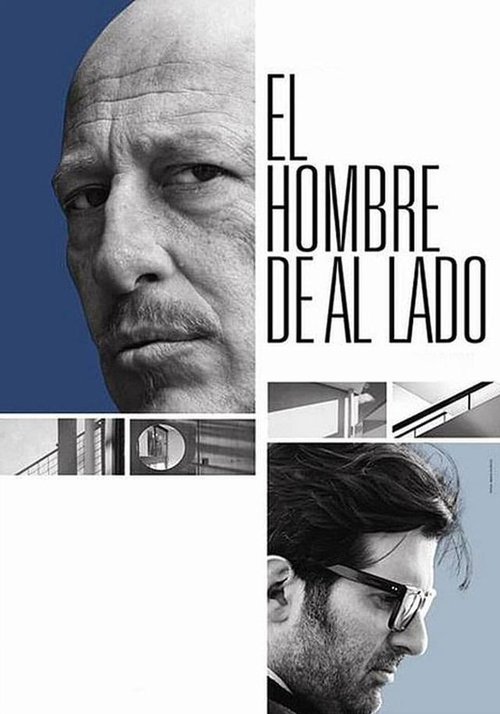
When two neighbours clash, their argument becomes less about proposed building alterations and more about the wider battle between class and social status. The hugely impressive building in question is the only example of a Le Corbusier residential home in all of Latin America, adding to the poignancy of their argument.
The Man Next Door

Based on four experiences—Francisca in the Aymara Network of ERBOL Bolivia, Almir in the Amazon incorporating the Internet, Matías in the Mapuche Radio of Patagonia, and Ariel working with video in the villages of Brazil—the documentary seeks to represent the way in which indigenous peoples use their own means of communication to resist the invasion of their territories, the plundering of their resources, legal persecution, cultural discrimination, the lack of official recognition of their institutions, the denunciation of their inequalities, and the vindication of their differences.
La guerra por otros medios

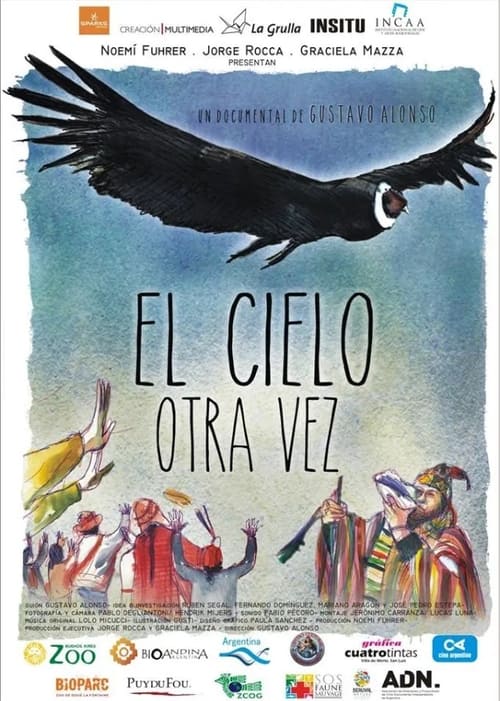
The Andean condor, the largest flying bird in the world, is once again taking to the skies of the Patagonian coasts thanks to a conservation effort that integrates the latest biotechnological advances with the worldview of native peoples, guardians of the millenary contact with these sacred birds.
El cielo otra vez
A journey through the life and work of artist Ricardo Carpani, his artistic and ideological formation, and the importance of his pictorial output, considered a symbol of the political struggle of the 1950s, 1960s, and 1970s. Once the rise of state terrorism began, Carpani was forced into exile and spent ten years in Europe. During this period, he continued his political commitment, creating works that denounce the horrors experienced in Argentina during those years.
Carpani, vida y obra

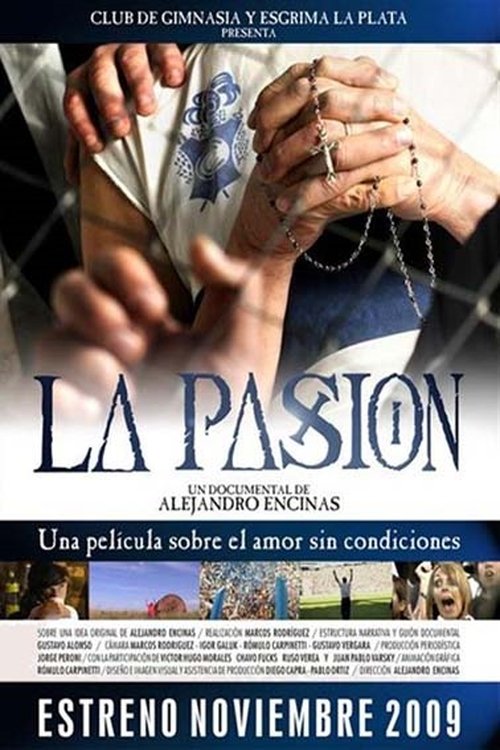
The film revolves around the suffering of an entire club that, despite being one of the most traditional in Argentine football, has only won one First Division title in the professional era, but whose fans are recognized throughout the football world as some of the most loyal and passionate in the entire world.
La pasión

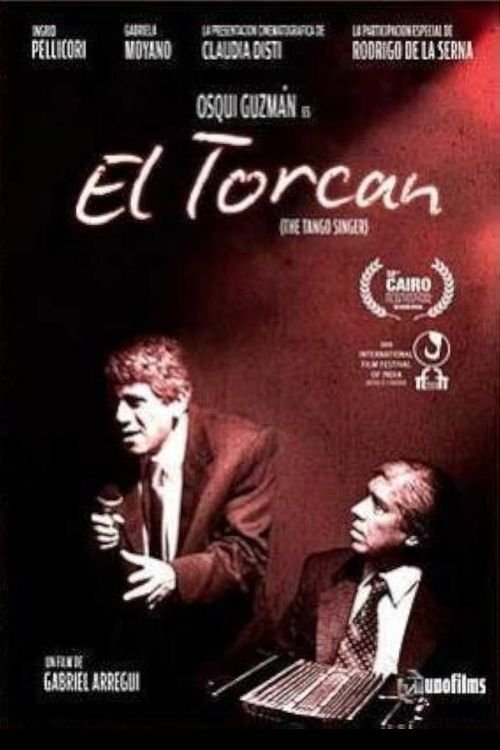
Luis Cardei is, was and will be the last "torcán" of the hundred Buenos Aires neighborhoods. Supported by the love of his family, he manages to overcome hemophilia and fulfill his dream: to be a recognized "torcán" of Buenos Aires.
El torcán

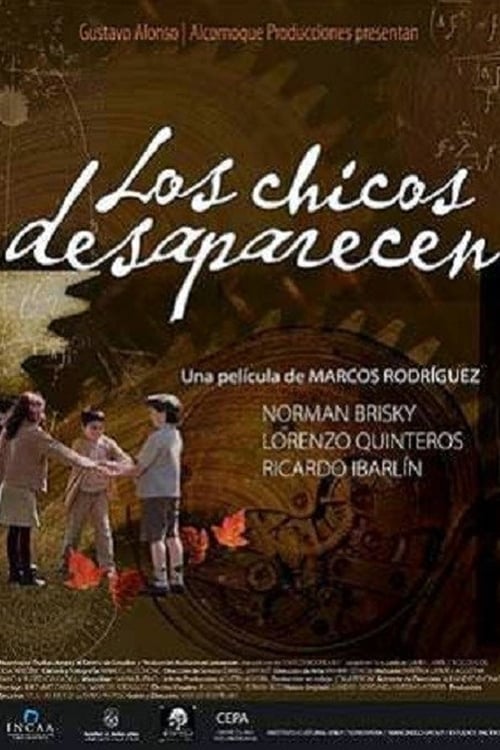
Macias Möll spends his days surrounded by clocks and immersed in calculations about time. Driven by a deep desire, every afternoon he stubbornly tries to beat the clock and launches himself down the plaza's ramps in his wheelchair. There he is happy, surrounded by cheering children. The balanced balance between his deepest desire (to return to his childhood) and his present disability is threatened by the sudden disappearance of some children in the plaza, placing him as the sole suspect in a crime that has become public knowledge. A police inspector about to retire, a judge, a bishop, a beautiful young officer, a former Irish diplomat, and a market vendor are part of the cast of characters who take sides in this plot.
Los chicos desaparecen

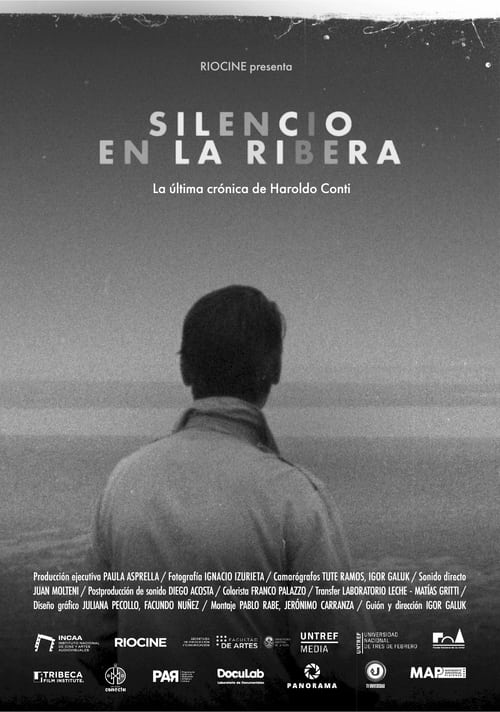
"I'm the one who disappeared," says the last chronicle Haroldo Conti wrote in April 1976. A month later, he was kidnapped and disappeared by the last Civic-Military Dictatorship. The documentary returns to the ghostly Paulino Island in Berisso, Buenos Aires province, the setting that inspired the Chacabuco-born narrator to write this text.
Silencio en la ribera

The documentary recounts UNASUR's first "extraterritorial" experience, which, following the tragic earthquake that struck Haiti in 2010, allocated special aid to the Caribbean country for health, food, housing, and human rights programs.
UNASUR en Haití, reflejos de una Argentina solidaria

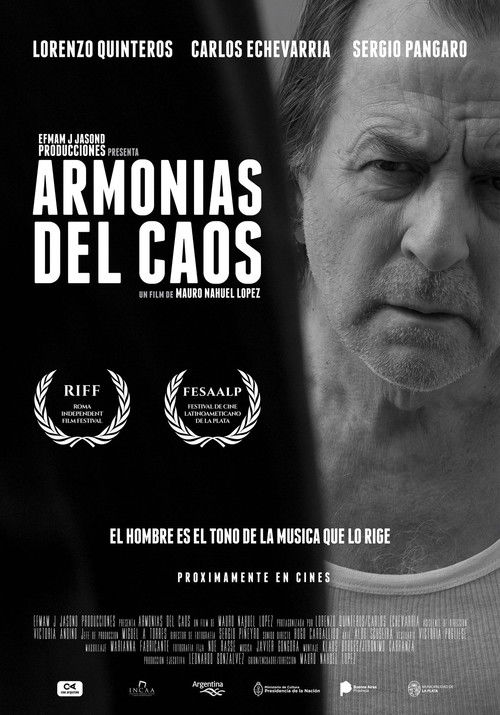
Dawn breaks and, like every day, Fernando and his wife repeat the ritual: go to the bathroom, have breakfast and go to work. Fernando's father, now alone, makes his fantasies come alive. But the irruption of an intruder changes his plans.