
Nicolás Goldschmidt
Acting
Biography
Nicolás Goldschmidt (Río Negro, born May 1, 1986) is an Argentine theatre, film, and television actor.
Known For

The series focuses about orphans living in a manor, known as Rincón de Luz, where they're guided by a young woman that represents a maternal figure for them.
Tiny Angels
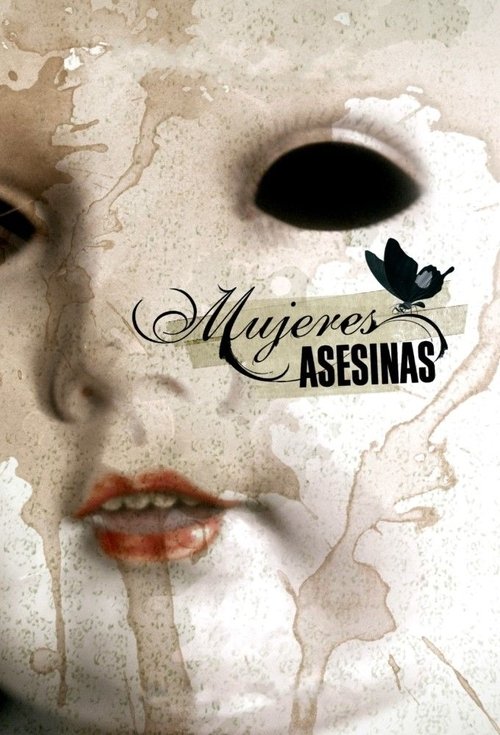
Anthology series, in which every episode introduces fictionalized versions of real cases about women who, for different reasons, ended up committing murder.
Killer Women

Rincón de Luz is a 2003 Argentinian telenovela for children and teenagers. It was originally aired in 2003 on Canal 9. The show was produced by Cris Morena, who is also the creator of the show. Rincón de Luz is a kind of spin-off of Chiquititas, Cris Morena's show.
Rincón de Luz

The controversial life and history of Argentine football legend Diego Armando Maradona. From his beginnings in Villa Fiorito, one of the poorest barrios of Buenos Aires, to achieving glory on the international football league. Earning himself a well-deserved place in history. Living a life strewn with drugs, sex and public scrutiny, he played by his own rules regardless of the consequences. Watch the man who took the world by storm and made his way into the hearts of millions.
Maradona, Blessed Dream

No description available.
Supermax
No description available.
Provócame

Time to Think proposes to address the problem of gender violence, questioning stereotypes and the ways in which women are represented in the media. Each episode poses a conflict that runs through the daily life of a woman and her environment. With a mixture of drama, romantic comedy, and humor, it addresses a socio-emotional conflict that runs through a woman's life, faced with situations that intersect opposite feelings.
Tiempo de pensar
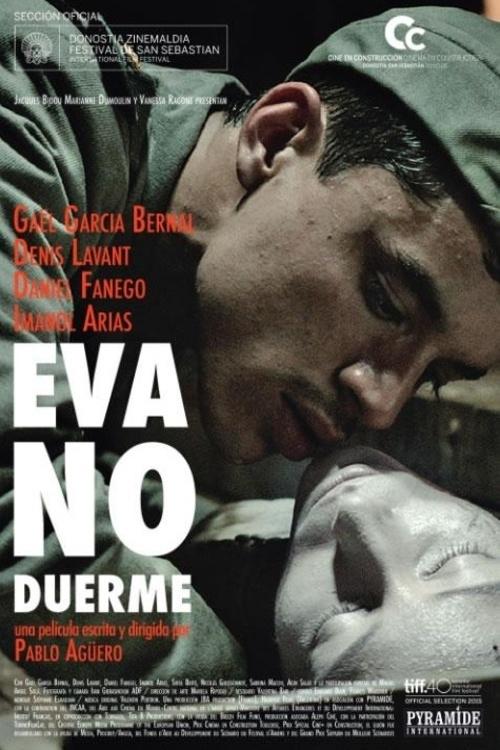
In 1952, Argentina's beloved First Lady, Eva Perón, died of cancer at the age of thirty-three. A renowned embalmer was commissioned by the grieving Juan Perón to preserve her body for display, and Argentines flocked to be near "Evita". Three years later, when his government was overthrown by a military coup, Perón fled the country before he could make arrangements for the transportation of his wife's body. The military junta now in control kidnapped the corpse; so afraid were they of Eva's symbolic power that they even made it illegal to utter her name.
Eva Doesn't Sleep

Mirtha Del Cañon is the owner of a million-dollar company. Her only son, Bartolo, is a mess, and to straighten him out, she decides to look for a woman for him, to achieve that, she organizes a casting to find the perfect daughter-in-law.
Mientras Cupido no está

She Wolf is a serial killer who traps her men in the subway in Buenos Aires. She seduces, has sex with them and kills them. But one of those men is a police officer who is investigating her crimes. Running away from him she meets a dealer with whom she stars a relationship. This romance unravels a war between her three personalities: the monster woman, the sensual woman and the human woman who can still love.
She Wolf

Leonidas, a young Huarpe destined to be the leader of his community, falls in love, going against all the mandates of his people, Lourdes, the daughter of the white landowner of the Town. To separate them, they accuse Leonidas of a crime he did not commit, for which he must serve a sentence. When they leave prison with Lourdes they undertake a bloody revenge against all those who tried to separate them and on the way they will discover that they are united by something more than their immense love.
The Furies

Eight years after the first installment, Ailén, Fernando, and Nina, meet again in the BAFICI competition. From that reunion, they decide to resume their unfinished project: Tandil/Tromso. They bring along two new collaborators: Martín and Nancy.
Upa! 2: El regreso
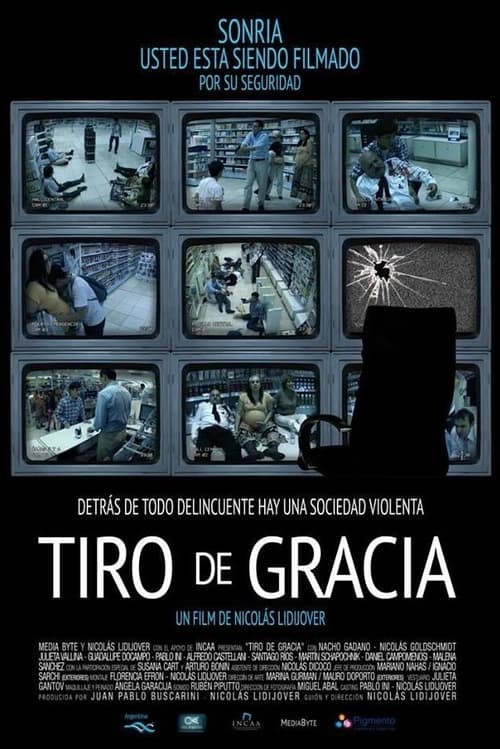
A hostage situation gone bad. Jesús, an amateur thief, holds prisoner a group of clients. But nothing is what it seems. Behind the gates of the drugstore the story will unfold in two times. On one side, to the inevitable end: the police will shoot their way inn. And on the other side, to the past, unveiling how Jesús got caught in this situation, where the hostages are not the real victims, but something more sinister. Retracing step by step, reveling the truth, playing with the prejudices and beliefs of the audience on racial hate, social prejudices, and the intolerance. How far are we willing to go to survive?
Coup de Grâce

3 friends merge their paths on a cloudy day in Berlin. As they walk along the sunset each one will turn a page on their life. Some will be left behind, others will fly away but only one will stay keeping Berlin still possible for all. —Juan Carlos Lo Sasso
Yet Another Cloudy Day

A former soldier reunites with his comrades, who are unaware that they are dead.
Regimiento 7 regresa a casa
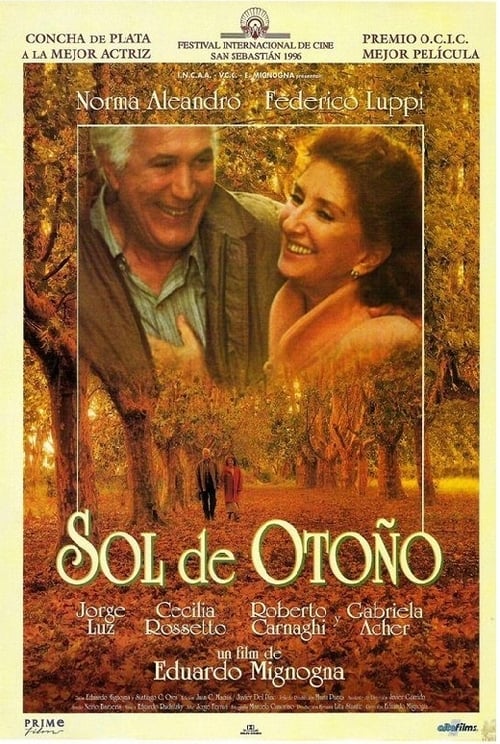
Clara Goldstein is a lovely, middle-aged Jewish woman who, because of an impending visit from her American brother, is forced to create a contrived relationship with a man of her own faith. She places an ad in a personals column and meets Raul, a well-spoken, handsome and charming man whom she soon discovers is a Gentile and does not fulfill her reason for placing the ad. Having no alternative, Clara proceeds to instruct Raul with an intensive course in Judaism. Their journey is both humorous and captivating, but not without pitfalls. These two mature people risk a last chance at a meaningful relationship in their lives.
Autumn Sun
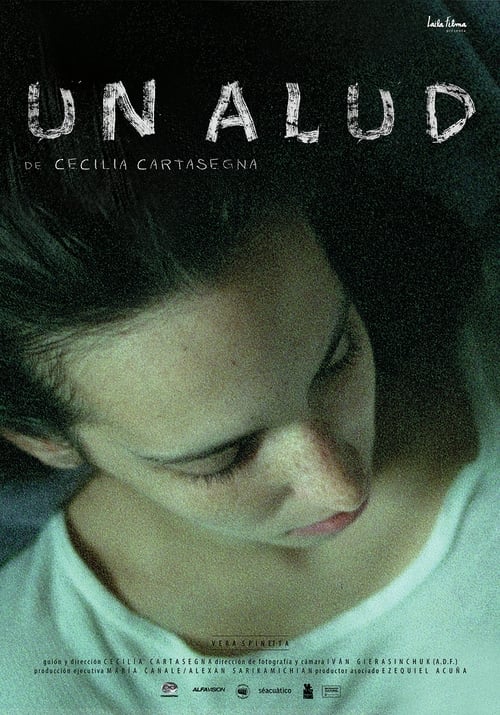
After a brutal loss, Sofia comes out of her thoughts to face an unbearable pain.
Grief

A young man has to go back to his childhood home and a neighborhood that is now unknown to him; a child suffers his father's paranoia and violence; two siblings fight to hold on to the only things they have left. Three stories intersect in what seems to be an endless blackout that will bring out their darkest sides.
El corte

No description available.
Primaveras atrás
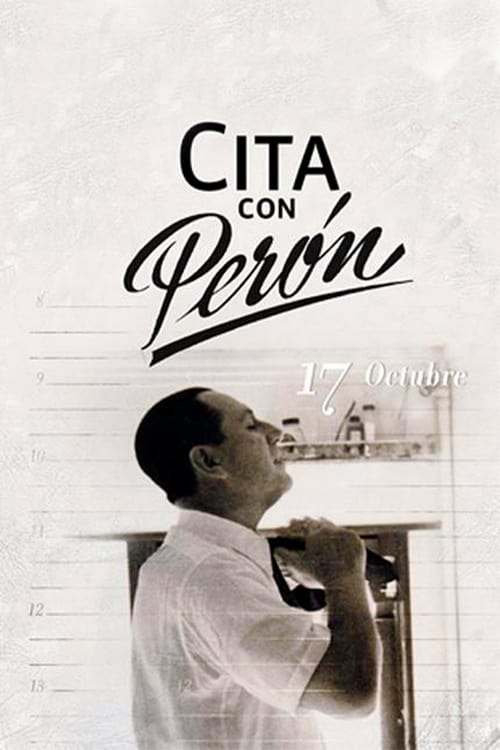
In the spring of 2015, with her 80 years of age, Eloísa prepares to participate in a new celebration commemorating October 17, 1945. 70 years have passed since that feat of the working people. Everything is fresh in Eloísa's memory, also that night in 1944 when she became a witness to a secret meeting in the mansion where she worked as a service staff. There was Colonel Juan Domingo Perón fighting a duel with the representatives of the economic power of the time who proposed to condition his actions. Meanwhile, in the kitchen, the staff debated the current employment and political situation.