Stefanie Wilke
Editing
Known For

The tax officials Thiel and Kalübbe try to confiscate two oxen, but are prevented from doing so by protesting farmers led by the community leader Reimers. The assistant editor Tredup, who takes photos of the incident, is also in the thick of things.
Farmers, Politics and Bombs
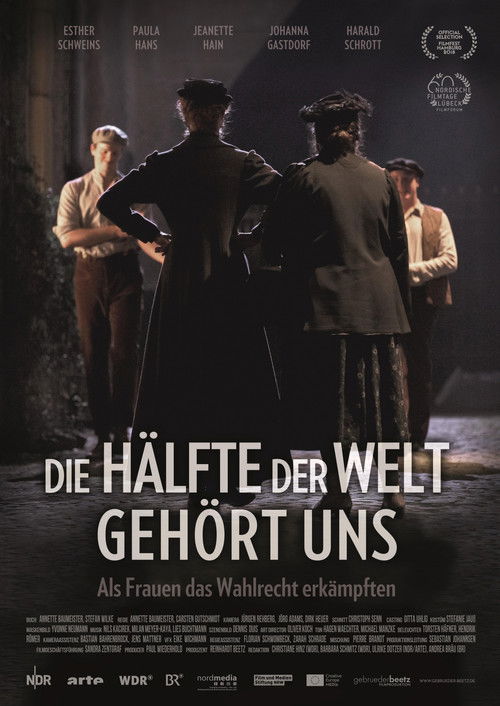
They were, at best mocked or ridiculed, at worst incarcerated, tortured, or even beheaded. But they would not be deterred. For decades ten thousands of women in Germany, Great Britain, in France, the U.S. and many other countries fought for their right to vote. Some used the institutions, others turned into media savvy politicians, and still others turned to terrorism, went on hunger strike, or died as martyrs. 100 years later we tell a multi-perspective and emotional story of the international fight, against all odds, for women’s suffrage as an important step towards equal rights.
We Are Half The World
Pepe is 15. His life in social misery changes completely when he is chosen as the main character of a film production. Shot on location where he lives with his primitive, brutal and authoritarian father, a pig farmer.
The Leading Man
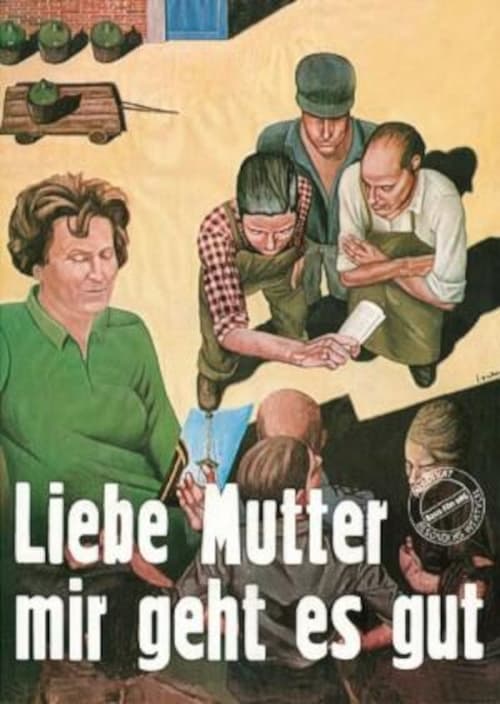
The unemployed machinist Alfred "Scheff" Schefczyk moves from Württemberg to West Berlin full of hope, where he finds a job as a transporter. There, however, he despairs at the seemingly insurmountable dependency structures and the lack of solidarity among his fellow sufferers. The rent in the workers' hostel is raised disproportionately, but nobody wants to mess things up with the landlord or janitor. At work, piecework hours are tightened, but nobody wants to go on strike, and when they do, they are quickly crushed by the management's tactics. When Scheff tries to mobilize against the dismissal of one of the delegates, he finds only one worker willing to sign. "Dear mother, I'm fine," he nevertheless writes on a postcard.
Liebe Mutter, mir geht es gut
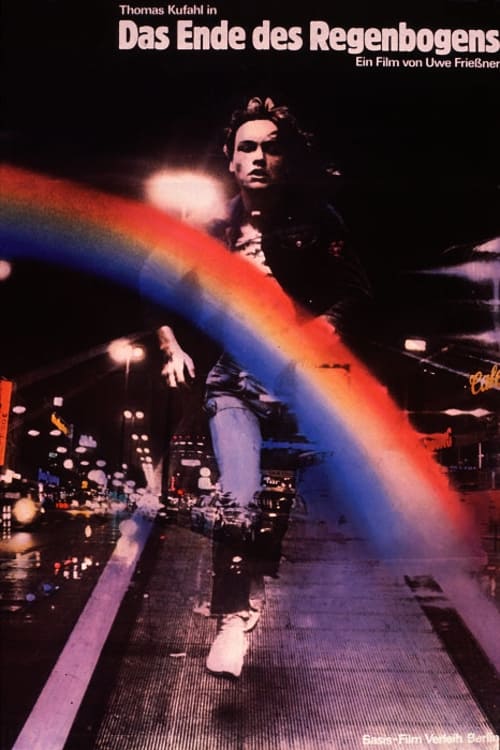
Uwe Friessner’s first feature, At the End of the Rainbow, follows the exploits of a West Berlin teenager named Jimmi who ekes out a living through petty theft and part-time hustling, hangs out in punk clubs, and who, for reasons which this film subtly details, is thoroughly unemployable. Drawing on his own experience in trying to help a young runaway who eventually committed suicide, Friessner wrote into Jimmi’s story several older students who attempt to find work for him, and who give him shelter for a time in their commune.
The End of the Rainbow

In this interesting World War I drama, Bruno Ganz gives a compelling performance as Jakob, an obsessive inventor who lives in a Swiss village. He receives unconditional support from his friend Otti (Walo Luond), but that is about all; the other villagers do not tolerate Jakob's eccentricities very well, and regard him as a crackpot. He perserveres in spite of this obstacle and finally invents a viable carriage that does not run on wheels but on a tread. Unfortunately for Jakob, the military have already come up with the same invention: the tank. The discovery finally breaks him, and he is quickly shuttled off to an asylum.
The Inventor
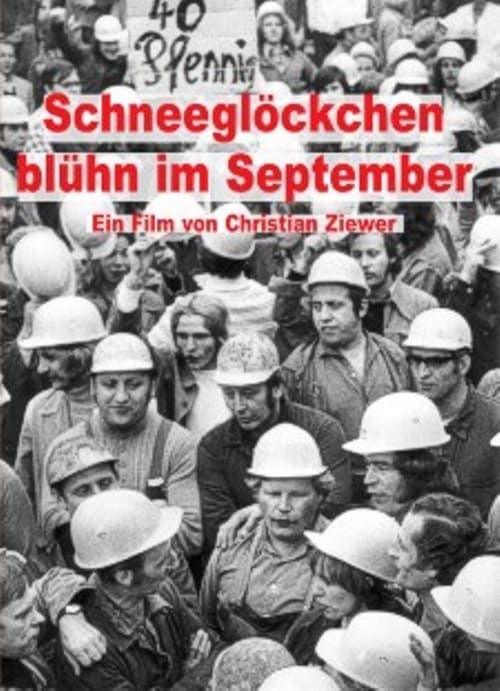
This feature film describes the labor dispute of a piecework crew in a large German industrial company and its workforce against the background of the "September strikes" in Germany.
Snowdrops Bloom in September
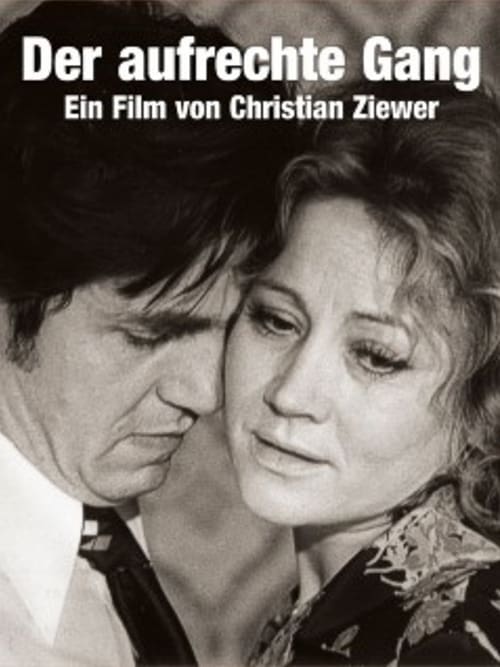
A strike for better wages puts machine fitter Dieter Wittowski in financial difficulties. This upsets his plans for the future and brings his wife a step closer to self-realization, as she now accepts a more responsible job against his will. There are also disagreements with his father, whose blacksmith business he describes as a supplier for mass sales.
Der aufrechte Gang
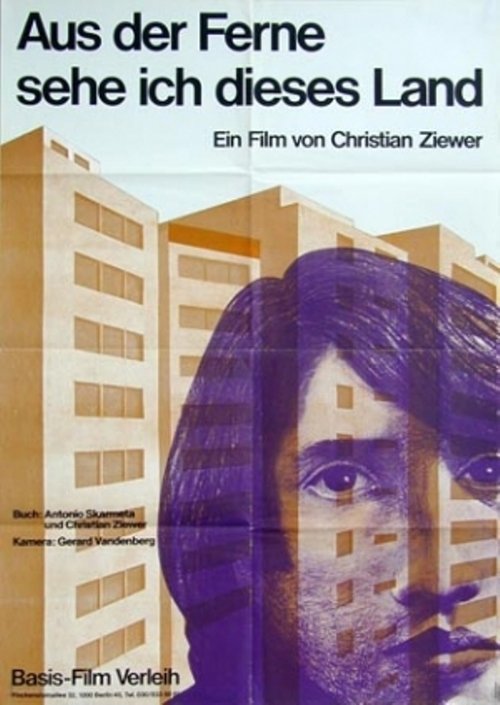
After moving to Germany from Chile with his family, 16-year-old Lucho tries to find his feet in his new home. His interests hardly differ from those of his German schoolmates: Lucho is interested in the latest pop songs and pretty girls.