Daniel Márquez
Sound
Known For
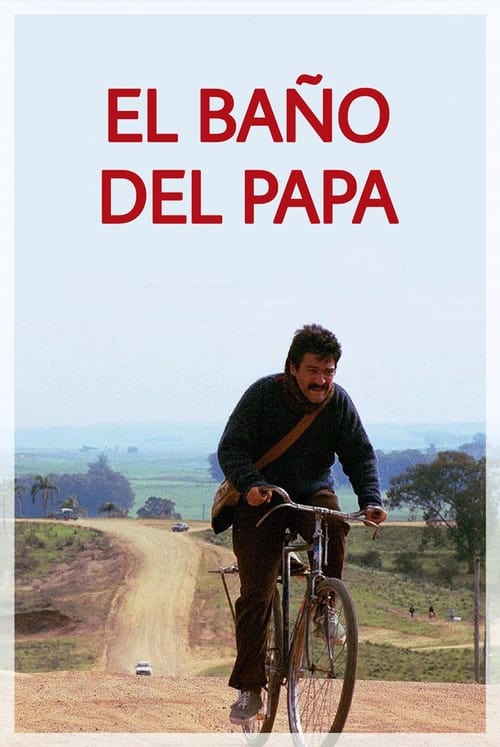
In 1998, a small South American village is in a flurry over the Pope's upcoming visit for the business opportunities that it will provide. While most of the residents plan to sell food at the parade, a smuggler family man decides to build a pay toilet.
The Pope's Toilet
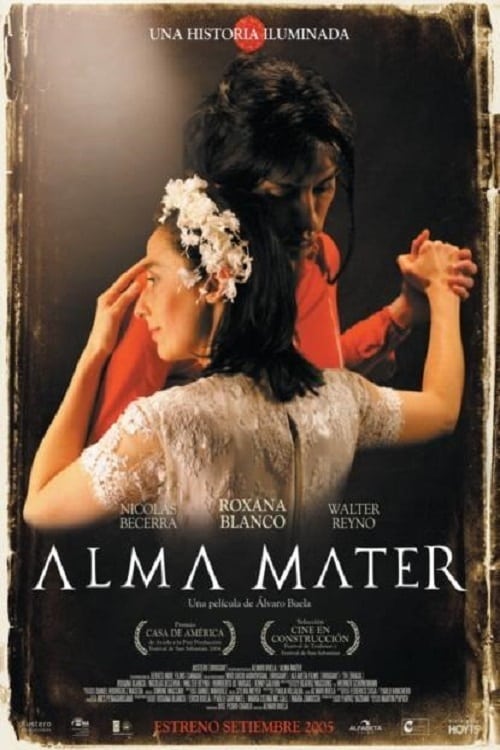
34-year-old Pamela is a small and shy woman. She works at the cash register of a supermarket. She attends a religious temple led by a Brazilian minister. She periodically visits her autistic mother. She is an anonymous character, leading a meaningless life. Suddenly, a miracle occurs. Messages of a marvelous destiny start to reach Pamela in unusual ways: a client, a gentle and charismatic transvestite, her own mother, dreams, bar codes, real and imaginary signals. The Savior of the Next Millennium is apparently on his way and everything indicates that she, being a virgin, is carrying him on her entrails. Impelled to face herself, Pamela undertakes an inner voyage. A paradoxical voyage: the more mystic she grows to be, the more human she becomes.
Alma Mater
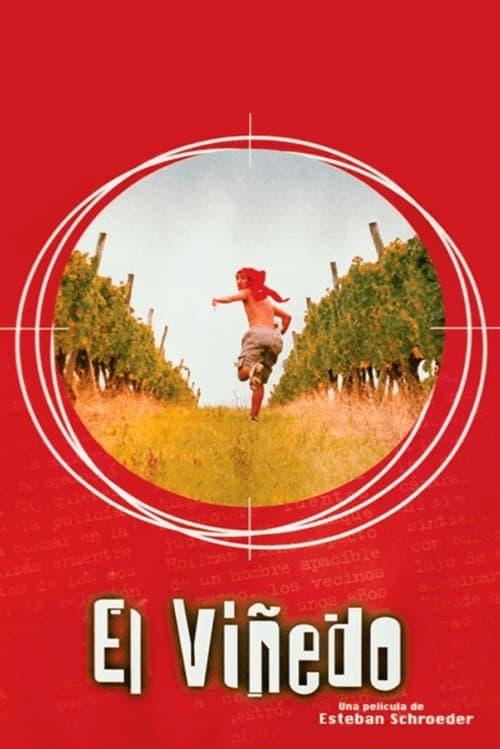
A Montevideo journalist discovers that the murder of a boy from the slums near the vineyards had political reasons, and was not an isolated incident. Developing a friendship with the victim's older brother, and then the entire family, the journalist tries to get to the bottom of this case. It is not the only case of summary executions of young poor boys in this vineyard, but nevertheless few people really want to challenge the powerful owner of the vineyards.
The Vineyard

A fake Uruguayan Chamber of Legal Marijuana travels to the United States to find 50 tons of cannabis to supply the country. President Jose Mujica is the leader of the mission.
Get the Weed

Four stories of normal Montevideans like you and me, but with one thing in common: bad luck. One figure, the master of the ceremony, ties stories together commenting on the failures of those four people, as he tries to make his fortune on a slot-machine.
A Bad Stroke of Luck
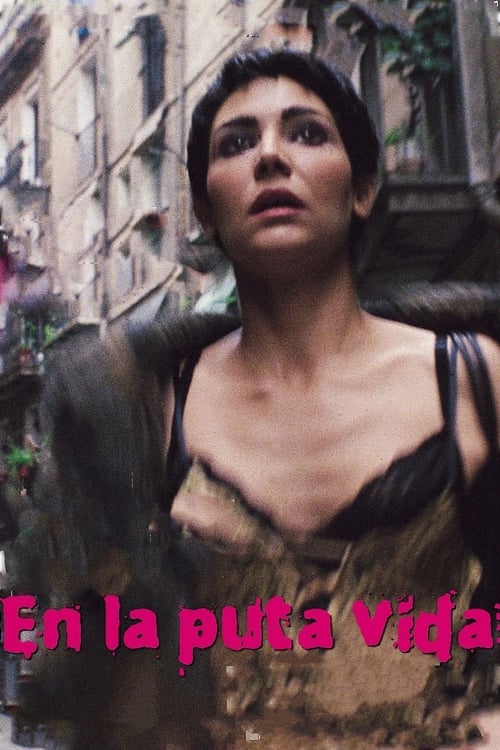
Montevideo, Uruguay. In this comedic drama, Elisa, 27, dreams of opening her own hairdressing salon in one of the rich districts of the Uruguayan capital. A bit of a rebel, one day Elisa moves out of her mother's house with her two children and breaks up with Garcia, her boss and lover who has infuriated her by not wanting to get married. So, in the space of twenty-four hours, Elisa finds herself without a roof over her head, without a man, without a job and without money. Her best friend Loulou finds her a job - in the brothel run by Dona Jacqueline. And without really being aware of it, Elisa slides into prostitution, which leads her to Barcelona. She falls in love, she is exploited, she gets involved in transvestite gang wars, and meanwhile just dreams of earning enough money for her little beauty salon back home.
In This Tricky Life
No description available.
Otario
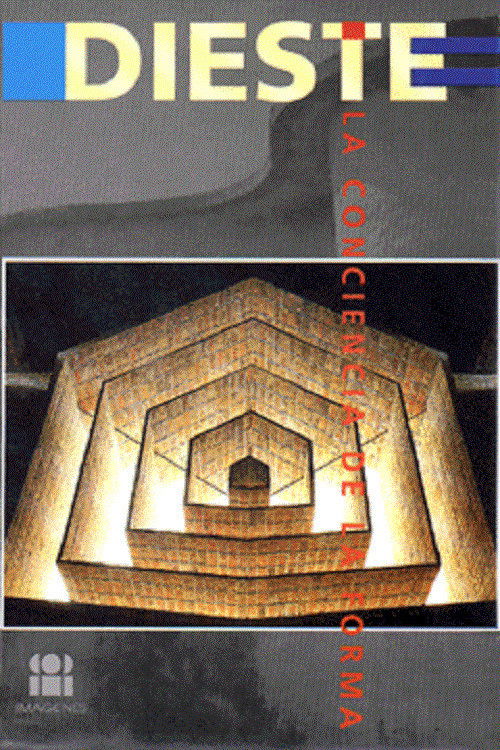
The engineer Eladio Dieste, the most innovative architect in Uruguay, is interviewed by the architect Mariano Arana. He talks about the ethical responsibility involved in creating, the idea that the things that surround us should be beautiful, and how important it is to use our intelligence and creativity to produce original responses and generate our own ways of thinking.
Dieste: the Consciousness of Form
No description available.
Chico Ferry
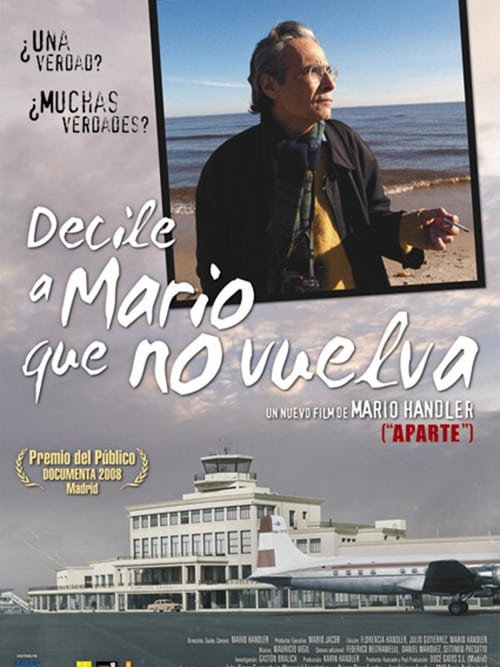
After a long exile in Venezuela, filmmaker Mario Handler returns to his country, Uruguay. There, the dictatorship is still present in the media, public opinion, and in the memory of people. The director feels he owes something to the comrades, those who could not leave the country. This debt translates into poetry, black humor and conscience, in a sharp and accurate atmosphere of this dark time of Uruguay.
Tell Mario not to Come Back

An unrepenitent Don Juan, an introverted buddy, their girlfriends, and the women they have their eyes on—all mix in the nightlife of Montevideo.
A Way of Dancing
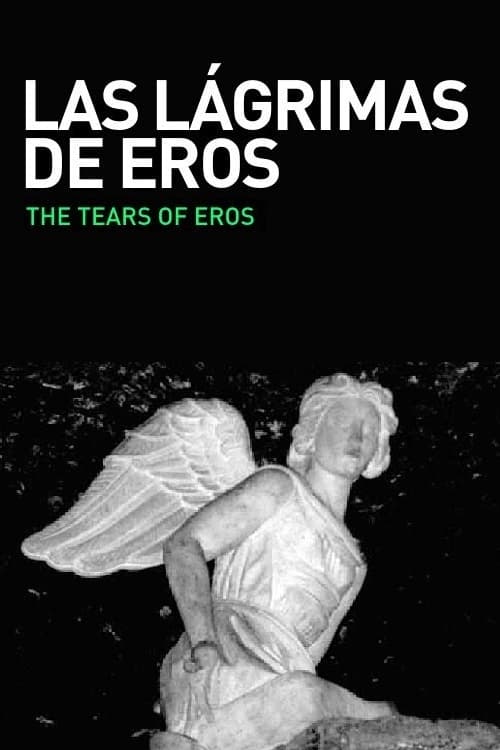
This documentary examines sexuality as seen by women and men born into Catholic families and educated at Catholic schools. These people talk about the Church's refusal to face reality and how this short-sightedness leads to lies, feelings of guilt, a block on eroticism, unwanted pregnancies, deaths resulting from illegal abortions, and ignorance about AIDS that in fact helps the disease to spread.
The Tears of Eros

Through the memories and confessions of some of the most important names in Uruguayan music, the film brings back to life the stories of the songs that defined a country and that, in some cases, helped change history.
Hit
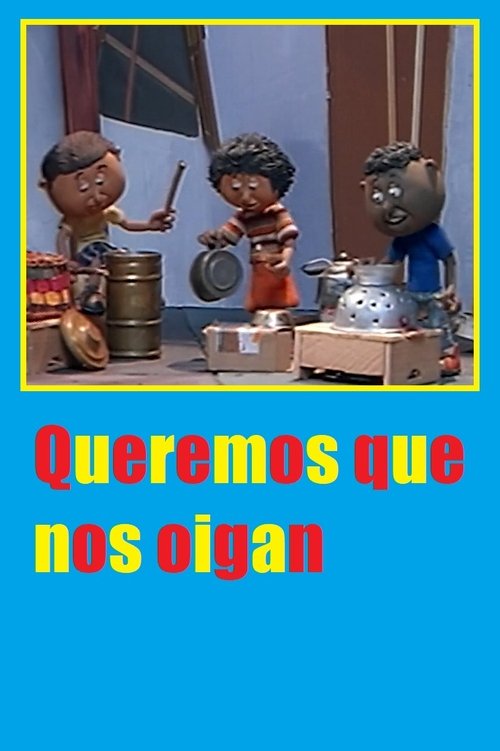
A group of kids start their own band after being inspired by the adults.
We Want to be Heard

Ten years after the Law of Expiration, this documentary analyses the historical background of Uruguay's recent past. It is a survey of the controversy stirred up in society by the fact that, thanks to this law, the armed forces personnel and police who committed crimes under the dictatorship (1973-1985) have gone unpunished, and it examines the scars the authoritarian regime left on a section of the population.
The Recourse of Memory
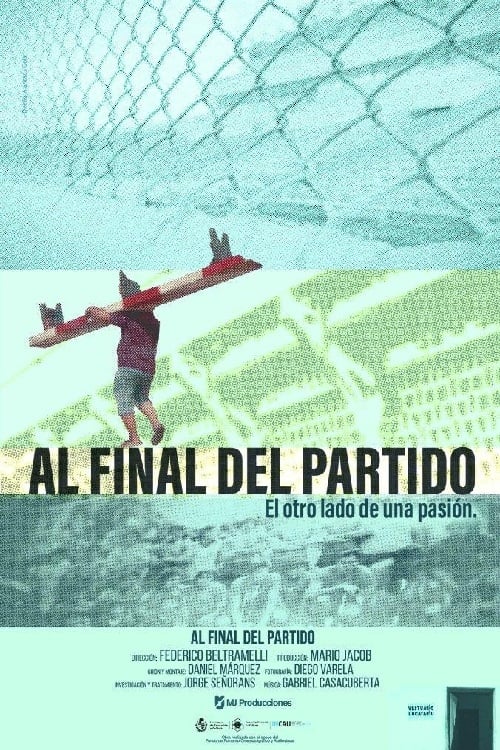
A story of five voices passionate about the legendary national sport, characters who know a reality that the vast majority of fans are unaware of. Those who live the joys and sorrows in their football clubs on a daily basis. There is something that unifies all of them: the passion for their work and their team.
Al Final del Partido
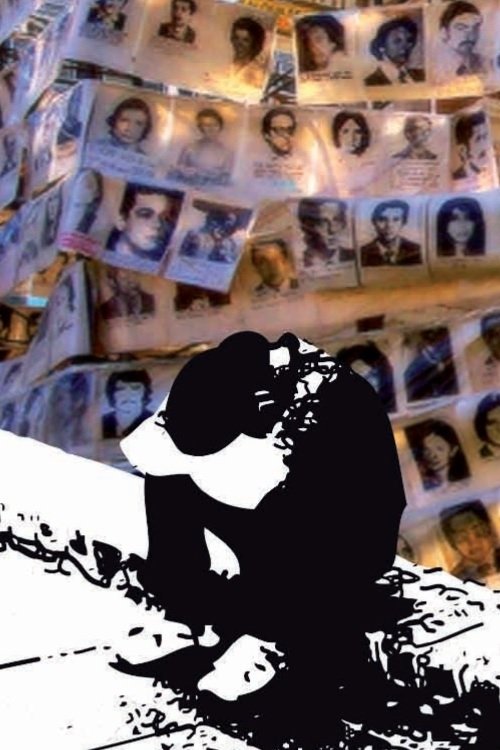
After the end of the dictatorship, Uruguay was faced with the unresolved problem of what to do with the past. In this documentary the CEMA camera team roam the city streets and find out what Montevideans think about bringing armed forces personnel to justice. This tour reveals a climate of scepticism, a climate of fear and suspicion, but also a will and a desire that justice must be done.
On the Edge
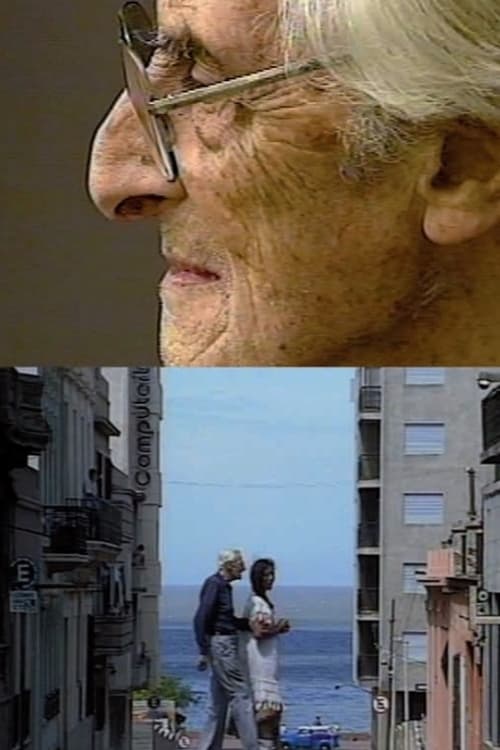
This is a documentary about the life and work of Atahualpa del Cioppo, one of the outstanding figures in Uruguayan and Latin American theatre. We are shown his life today, his old friends and his passion for the theatre, against the backdrop of his home, the city of Montevideo.
Atahualpa, Bird of Fulfilment

Idea approaches the figure of Idea Vilariño, considered as one of the greatest Spanish-language female poets. Her literary work, especially her poetry, is acclaimed by critics and public alike, a rare case in the Uruguayan culture scene. With her own testimony, pictures, poems, songs and archive footage, this documentary offers an in-depth look at the essence of Idea Vilariño's poetic universe in a frank adherence to her literary and human posture. Her childhood, her ghosts, her desolate vision of a godless world, the stormy burden of suffering from her relationship with Juan Carlos Onetti and the commitment assumed with the issues of her time define the various facets of this woman.
Idea

Women in an isolated backwater in the countryside tell the story of how they live, and talk about their work in a cooperative that processes wool to make good quality clothing.