Makoto Nagahisa
Directing
Biography
Born August 2, 1984, in Tokyo, Makoto Nagahisa directed films and music videos while working as a commercial planner at a major ad agency. Nagahisa wrote and directed the short film And So We Put Goldfish in the Pool. (2017) and was the first Japanese director to win the Short Film Grand Jury Prize at the Sundance Film Festival. WE ARE LITTLE ZOMBIES is his first feature-length film. Influences include Juzo Itami, Nagisa Oshima, Gil Evans and Boris Vian. Has long hair, which he wears braided on formal occasions. Source: Nagahisa's website
Known For

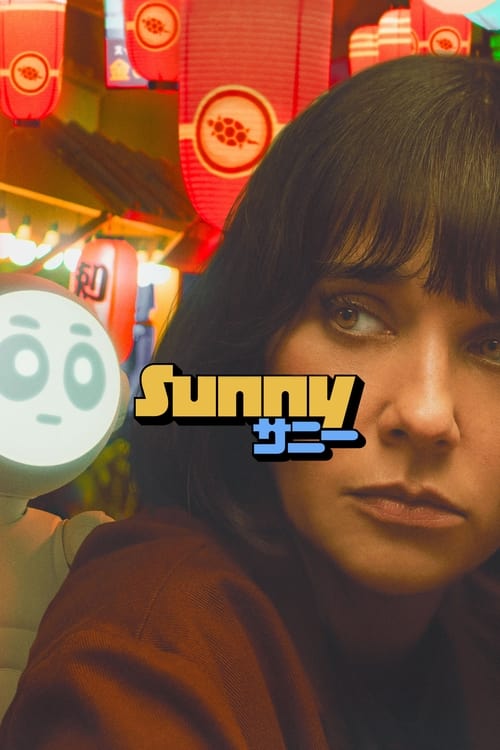
The life of an American woman living in Kyoto, Japan, is upended when her husband and son disappear in a mysterious plane crash. As consolation, she's given Sunny, one of a new class of domestic robots made by her husband's electronics company.
Sunny

Kiyomi Koike is a 16-year-old girl. She has all these different emotions intertwined in her mind. One day, she suddenly blurts out "What is a woman?" She then hears a DJ's voice in her head. The voice states "Women's Songs! Radio FM999 starts." The DJ in Kiyomi Koike’s head proceeds to spin songs that matches her worries. With her eyes closed, Kiyomi Koike meets various women in the world of music and learns from them.
FM999: 999 WOMEN'S SONGS

An unpopular host who leads an aimless life suddenly dies due to an unexpected accident and cannot be reincarnated for some reason. While living under one roof with other ghosts in the same position, he starts to reflect on his life and gradually regains his humanity.
I Am Dead!

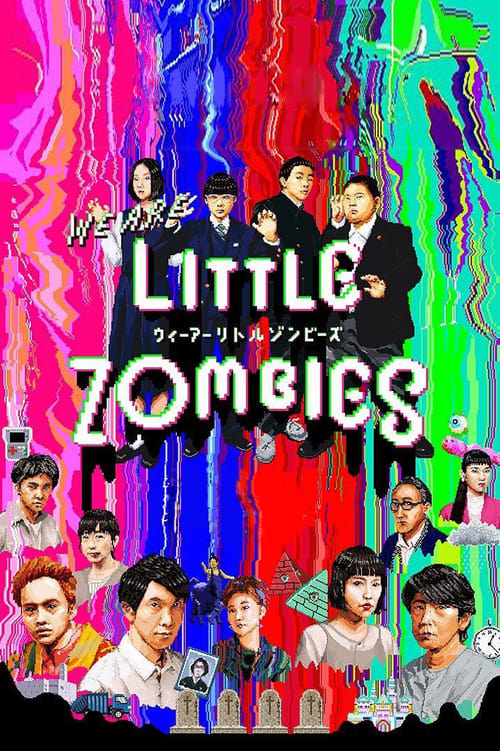
Their parents are dead. They should be sad, but they can't cry. So they form a kick-ass band. This is the story of four 13-year-olds in search of their emotions.
We Are Little Zombies

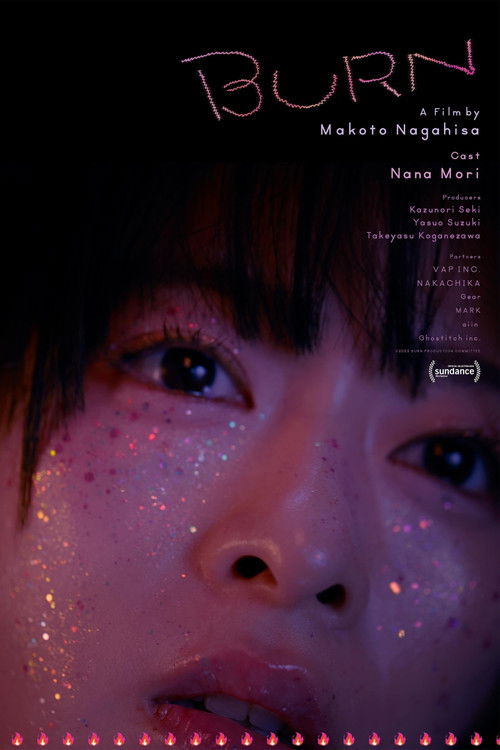
When runaway teen Ju-Ju is embraced by a tribe of misfit youths in Kabukicho, she finds belonging for the first time — until betrayal and despair twist her haven into a prison, and she's left with one way to take back control.
BURN

Under the impetus of the 75th anniversary of the bamboo top-handle bags, the House presents a contemporary retelling of an ancient Japanese story entitled ‘Taketori Monogatari (The Tale of the Bamboo Cutter).’ Makoto Nagahisa stages the plot of finding oneself, along with true love, in a Tokyo betwixt and between reality and a dream. Dressed in looks from the Gucci Love Parade collection, Hikari Mitsushima, Aoi Yamada, and Eita Nagayama star in the story shedding a new light on the Gucci Bamboo 1947 and Gucci Diana Beloved lines.
Kaguya

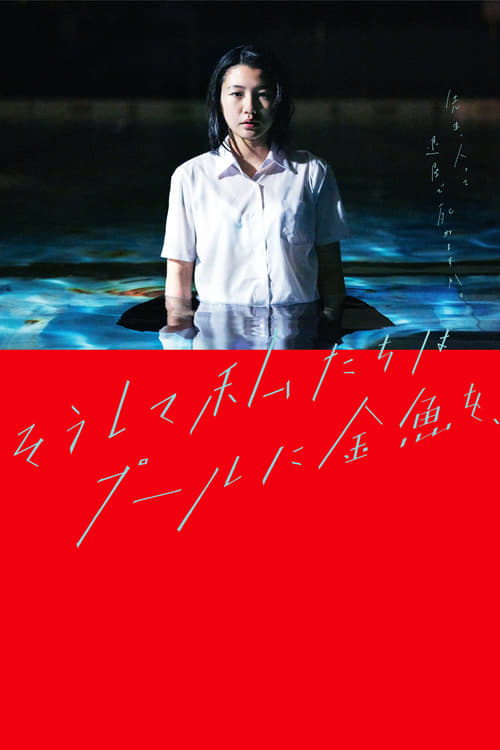
One summer day, 400 goldfish were found in the swimming pool of a secondary school. This is a story about the four 15-year-old girls who put them there.
And So We Put Goldfish in the Pool.

The movie director Makoto Nagahisa reinterprets Yukio Mishima's "Patriotism" by following a young couple during the coronavirus pandemic. This is the story of COVID-19, the live house, and the couple's self-determination.
The Rite of Love and Death (but we are still alive)

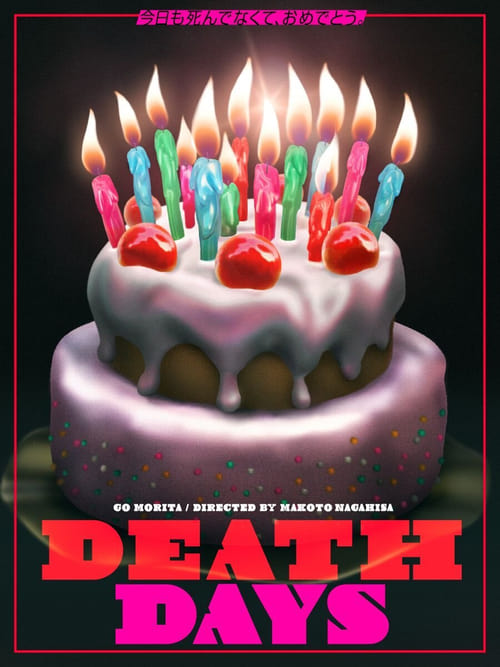
This is the story of one man’s life, set in a world where everybody knows the day they will die: their “DEATH DAY”.
DEATH DAYS

Pisko's father is a crab while her mother is human. Pisko falls in love with her teacher but is heartbroken when he leaves her because she is half-crab. Pisko finally finds love and companionship with her friend Kubokayo.
Pisko the Crab Child Is in Love

No description available.
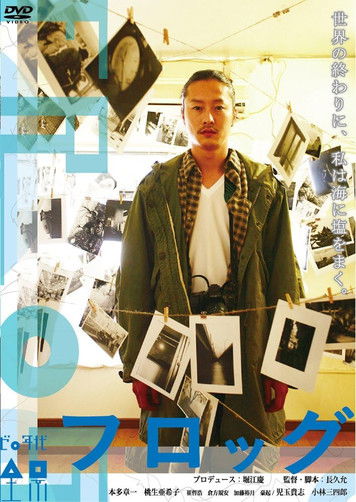
Frog

Kumiko Hoshizaki’s “Akane Sasu Heya” is the story of Maki, a 20-something temp who is sick of her boring job and life in general. The rather bizarre solution she comes up with is to conceive a child behind her boyfriend’s back. Makoto Nagahisa offers the much more impressionistic “Frog.” The story meanders around a bunch of unrelated characters, using experimental techniques like repeated scenes, hallucinatory visuals, blurred shots and disconnected sounds. Lastly, we have “Bouquet Garni,” a much more conventional work from director Junpei Hatano. The plot is centered on a reporter, the relative of a kidnapping victim, and a woman who is obsessed with the case.