Ugo Nespolo
Directing
Biography
Ugo Nespolo (Mosso, Biella, 1941), a graduate of the Accademia Albertina di Belle Arti in Turin, with a degree in Modern Letters, made his debut on the Italian art scene in the 1960s, in the climate of pop art and arte povera in Turin, spending time with artists like Pistoletto, Merz, Boetti, Zorio, but taking his own personal path involving colour and writing. A painter, sculptor, illustrator, experimenter and explorer of techniques, Nespolo – a great cinéphile – has made several artist’s films, presented over the years in various exhibitions in Italy and abroad at important cultural institutions. For many years he was the president of the National Museum of Cinema in Turin, and in recent years has continued to make films, using a digital camera.
Known For
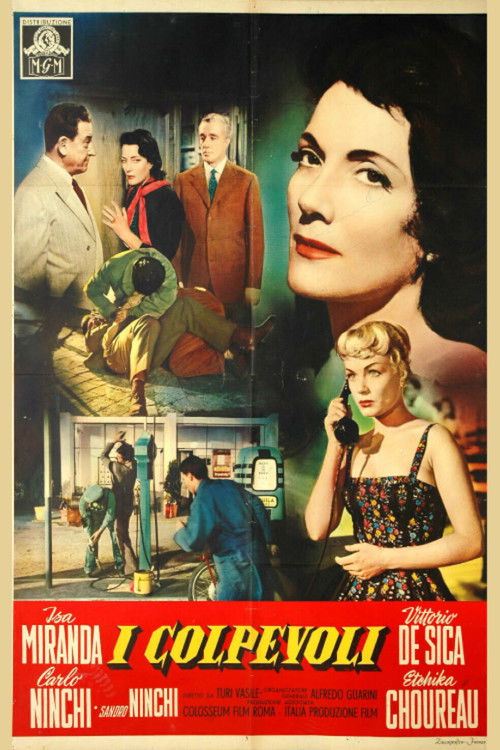
Valerio Rossello is a judge, with a rigid and uncompromising mentality. He is married to Lucia, a woman who instead follows the model of a loving and protective mother. From their union only one child was born: Maurizio. Both parents raise him completely differently, highlighting their character differences. Until the day when Maurizio, now a teenager, together with a friend commits an attack for futile reasons against a gas station attendant. Having learned of the incident, Valerio and Lucia also in this case intend to face the situation in a diametrically opposite way. The conflicts within the family thus strongly resurface, in which, amidst rebounds of responsibility, the errors of both parents emerge in the upbringing of their child.
The Guilty

Madam Butterfly is without doubt Giacomo Puccini's most beloved and performed opera, an opera that has captivated and touched the audiences of the whole world. This production was filmed in Torre del Lago, in the open-air theatre on the shores of the peaceful Tuscan lake where Puccini liked to retreat.
Madama Butterfly
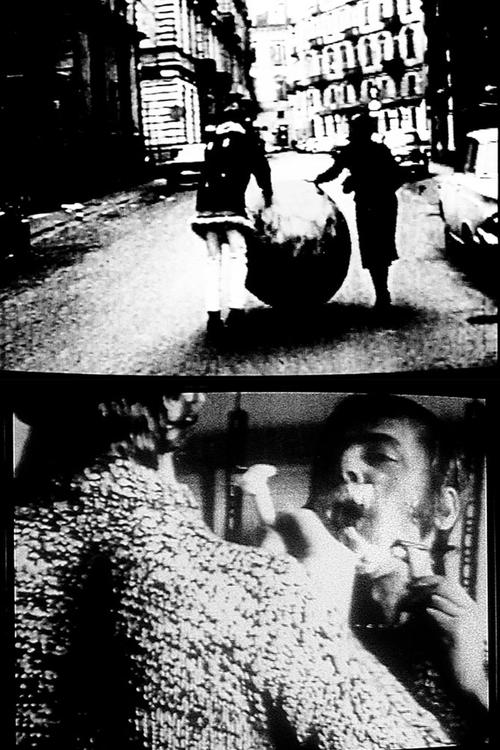
The film challenges the aura of the artwork, pushing it towards performance in urban space. During the exhibition Con-temp-l’azione (1967–68), at the three galleries Stein, Sperone and Il punto, two works by Michelangelo Pistoletto are taken out into the street. The film marks the beginning of a more militant and performative phase in Pistoletto’s career, opening up possible references to Situationism, Fluxus and nouveau réalisme. The film starts with Pistoletto shaving in front of one of his ‘mirrors’: the codes of everyday life and advertising burst into the scene. The large ball of newspapers roams Turin in a convertible automobile. The music of The Beatles accompanies the exploration of different filming and editing techniques. Intense, amused and brilliant, Buongiorno Michelangelo suggests a performative, cooperative and perhaps also playful aspect of the attitude of this short and intense period. —Tate Modern
Good Morning, Michelangelo
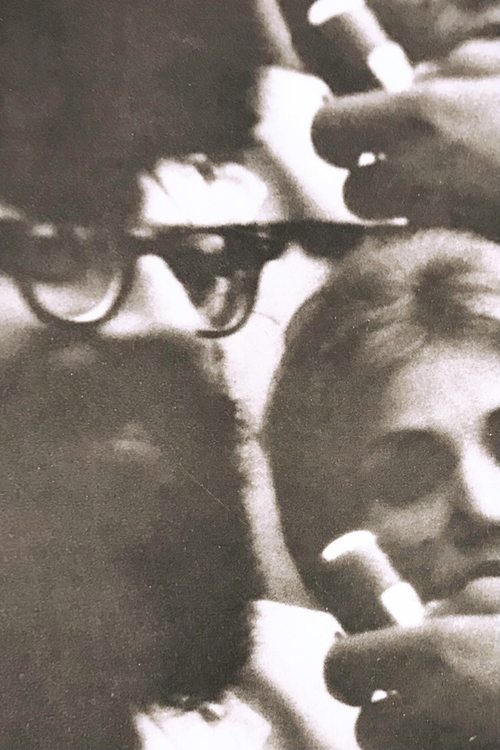
Experimental film by Ugo Nespolo.
A.G.
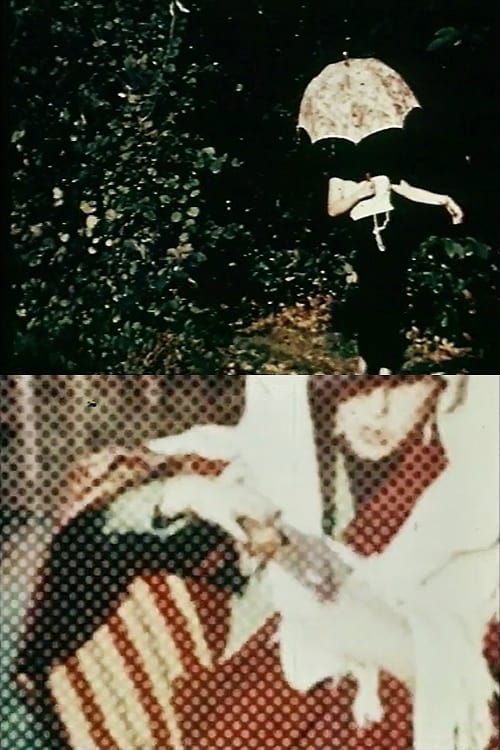
No description available.
Le gote in fiamme
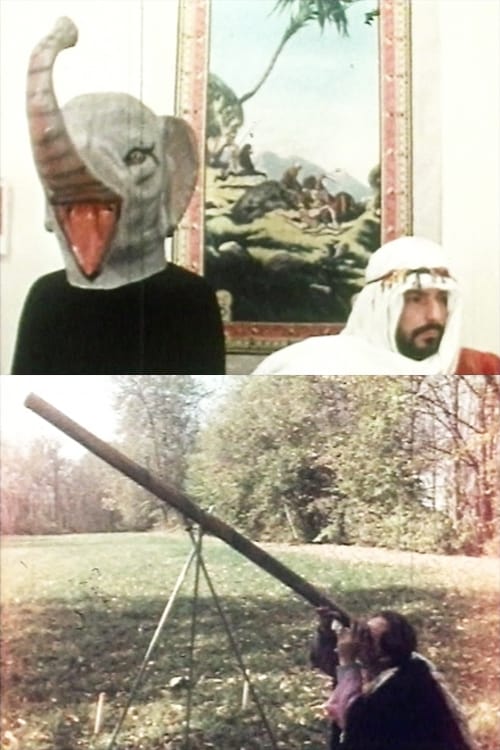
No description available.
Con-certo rituale
Short film by Ugo Nespolo.
E' l'ora del Campari in Centrale
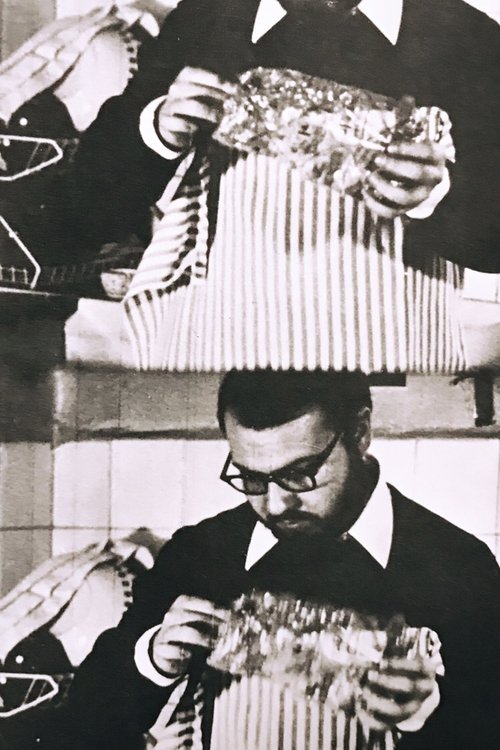
Experimental short by Ugo Nespolo.
Tucci-Ucci
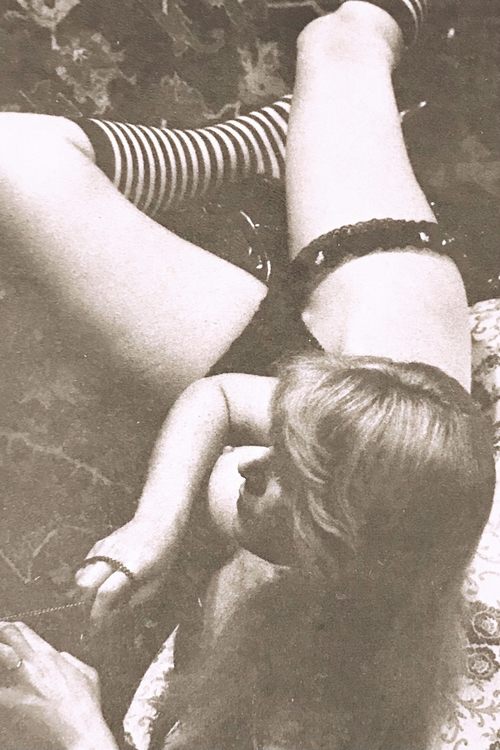
No description available.
Un Supermaschio
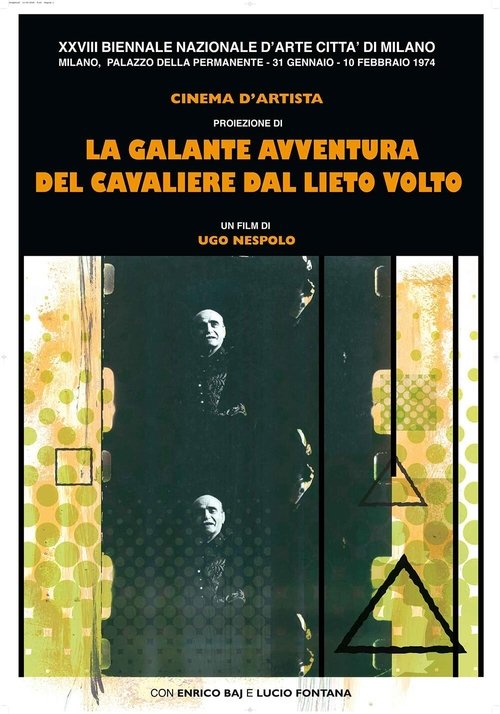
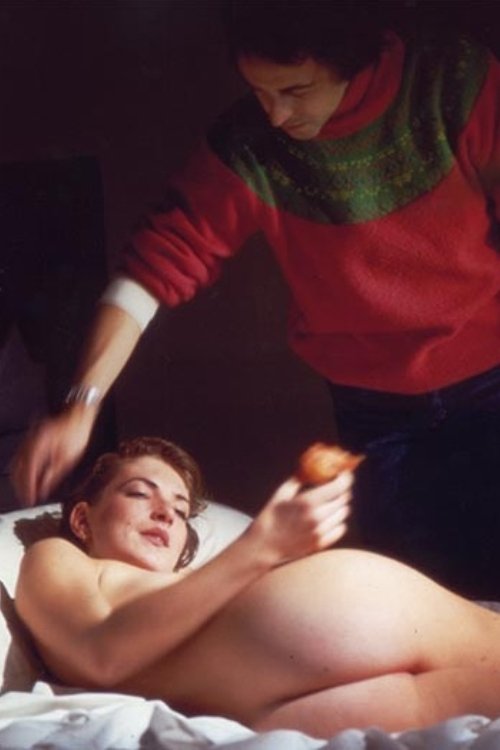
Dressed in military uniforms characters are engaged in the pursuit of a woman, during which they shamelessly expose their nudity.
La galante avventura del cavaliere dal lieto volto
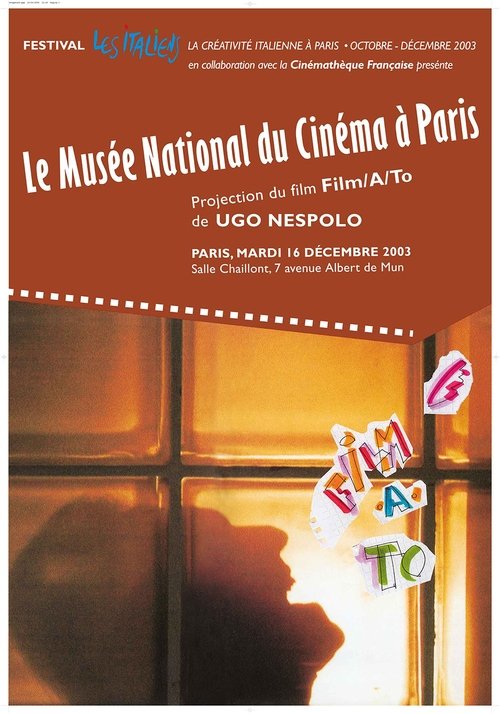
Short film by Ugo Nespolo.
Film-a-TO
Short film by Ugo Nespolo.
Campari 150
In 1967, a few months after the famous exhibition Arte povera-Im Spazio at the gallery La Bertesca in Genoa (when the critic Germano Celant defined the first guidelines of arte povera), Alighiero Boetti, at the age of 27, had a solo show at the Turin-based gallery Christian Stein. The first part the film explores the works assembled with iron, wood and industrial materials (Eternit, camouflage fabric, enamel paint), then shifts to the reactions and relations with the works of the audience at the opening (the artists Michelangelo Pistoletto, Mario Ceroli and Giulio Paolini, and the dealer Gian Enzo Sperone are recognisable). The black and white images are accompanied by a saxophone improvisation by Carlo Actis Dato. —Tate Modern
Boettinbianchenero

A puppet equipped with suction cups slides along different surfaces.
Time After Time
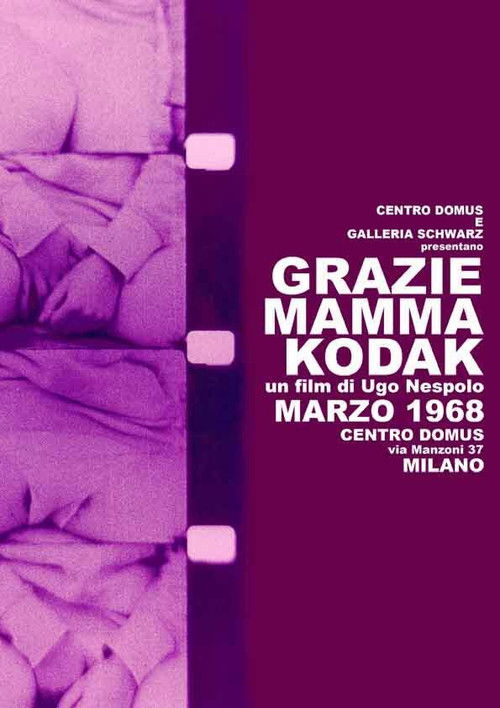
First film of Ugo Nespolo
Grazie mamma Kodak
Short film by Ugo Nespolo.
Andare a Roma
Short film by Ugo Nespolo.
Le porte girevoli
Short film by Ugo Nespolo.
Gli anni dell'avanguardia
Short film by Ugo Nespolo.
Shades on the couch
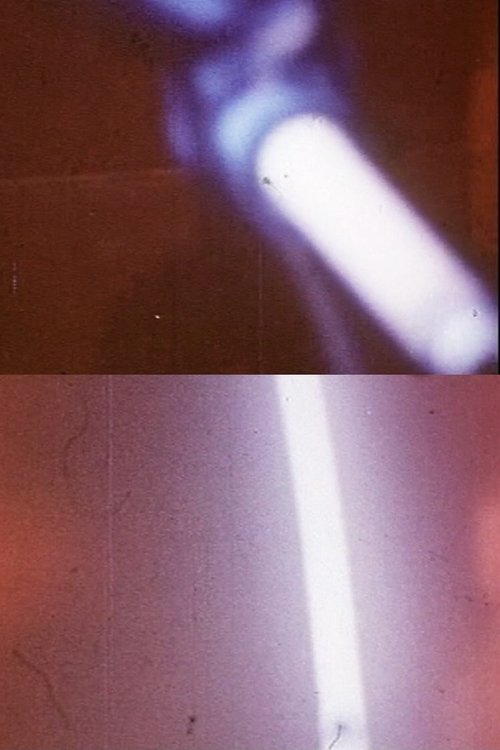
From 1967 to 1969 Ugo Nespolo made three films about three artist friends: Mario Merz, Alighiero Boetti and Michelangelo Pistoletto. Neonmerzare, featuring Merz, was shot in the gallery of Gian Enzo Sperone in Turin, in 1968. With lyrical movements, the camera tracks a series of neon tubes, establishing an ideal dialogue between the traditions of the abstract cinema of light and colour, and experimental documentary filmmaking. The symphony of lights is accompanied by jazz improvisation by the saxophonist Carlo Actis Dato. —Tate Modern