Ferenc Szabó
Sound
Known For
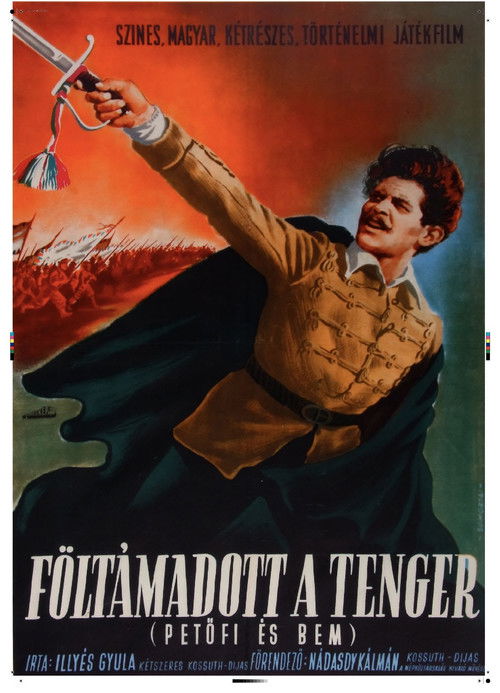
March 15, 1848; the revolution breaks out in the town of Pest. Yet at café Pilvax, in among he revolutionary youth, there is the informer of the imperial court as well. Hearing the news of the attack led by Jellasics, the inhabitants of the villages pour into the national army, and Hajdú Gyurka also escapes from his landlord. Petőfi is there at the camp of the revolutionaries, raising them to enthusiasm with his poetry.
The Sea has Risen
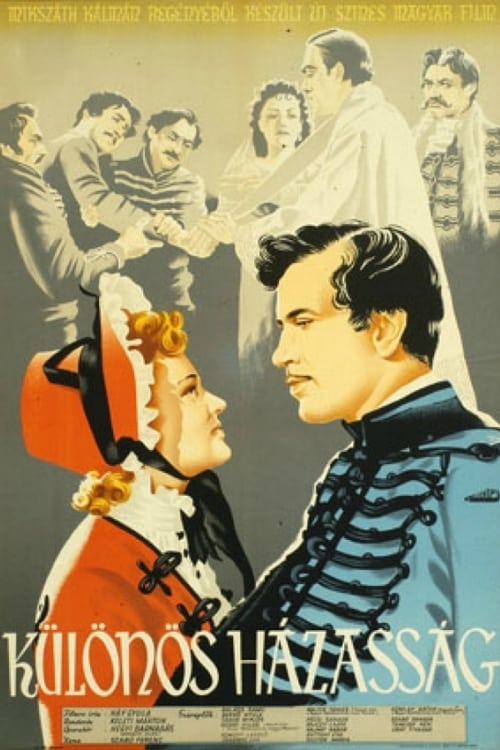
Count János Buttler rushes home to his parents and his beloved for the school holidays. On the way, they stop at Baron Dőry's house, where János is deviously trapped. In the presence of false witnesses, he is forcibly married to Baron Dőry's pregnant daughter. The swearing priest is the father of the unborn child. Although Buttler, his family and friends do their utmost to have the marriage annulled, the Church and the court, fearing for his authority, will not allow it. John Buttler and his lover therefore choose another way to divorce.
A Strange Marriage
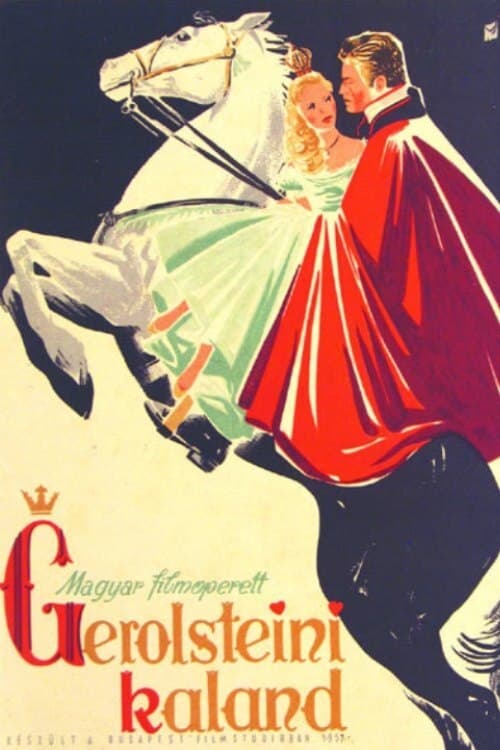
In Gerolstein, those girls who were born the same year as the princess, cannot marry until she remains maiden. An attractive and very rich husband is needed for Antónia in order to fill the treasures up. The wonderful reigning princess meets her selected bridegroom, the emperor of the neighbouring Pecunia in disguise and by accident.
Adventure in Gerolstein

A young peasant boy stands up to tyranny, aided by his trusting friend- a goose.
Goose Boy
Across the Border is a polyglot portrait of ideas about borders at the beginning of the 21st century. In an episodic journey five directors from Poland, the Czech Republic, Slovakia, Hungary and Slovenia, present their view and vision of nation, identity and Europe: By placing their personal cinematographic imprint on multifaceted portraits of their home countries, they open up a broad space for encounters with the strangers next door.
Across the Border: Five Views from Neighbours

In November 1956, many people fled to Tito in Yugoslavia and were confronted with socialism, which they called "man-faced". The film's heroes find temporary refuge on a Bunyevac farmer's farm and await their fate there, as well as in nearby Subotica, in a long-simmering family and social environment, under the supervision of local internal security officers. One of them, a participant in the 1942 massacre in Baška, later a carpenter, now posing as a revolutionary, tries to blackmail his host with old memories. A naive young man of faith tries to clear up the gendarme's past, his son, a Stalinist, and his role in the revolution, as does the penitent intellectual.
Wander-Fire
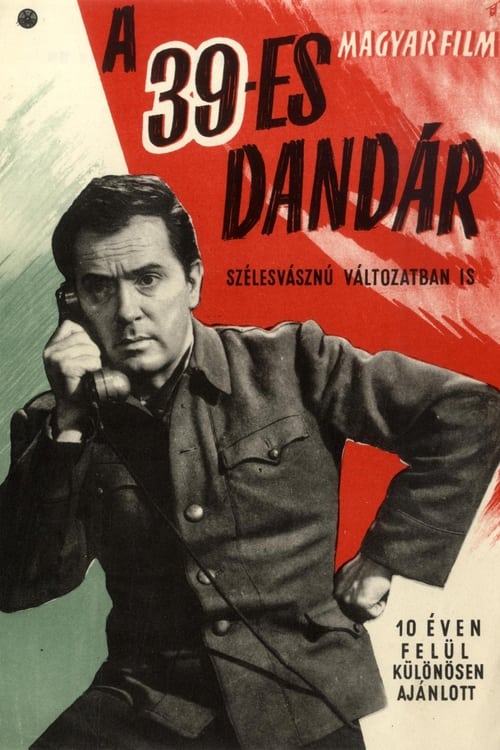
The spring of 1919. Karikás Frigyes reorganises brigade 39 at the Tisza. His most devoted soldiers are Korbély János and his followers, who remain faithful to the political commissioner under all circumstances.
The Brigade No. 39
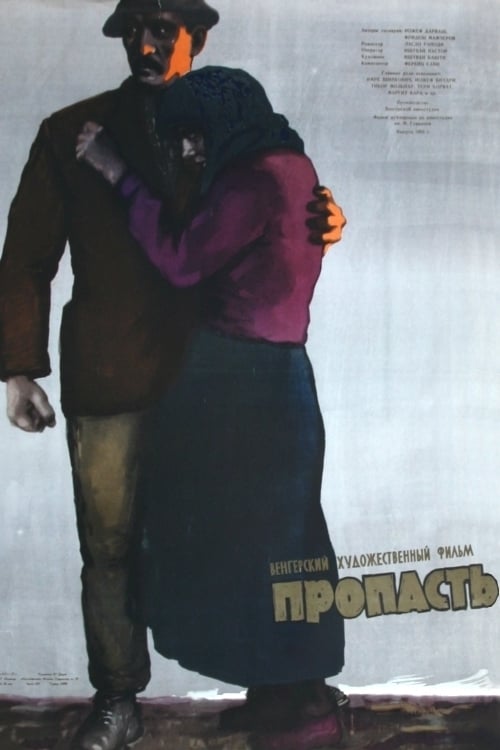
Nagy István, the formerly poor peasant boy returns to his native village as a teacher. His conviction is that the abyss between rich and poor can be diminished by good will. The rich Böröcz Horváth Klári returns his love, and also Böröcz Horváth is willing to help the poorest family, the Bakos. Bakos Jóska, who was sent to serve the tough Böröcz Horváth as a payment, dies of an infected wound and the people in the village hold the teacher liable as well. Nagy István realises, that the abyss cannot be ceased, what is more, it is impassable. He breaks up with his fiancée and stands by the side of the poor.
Abyss
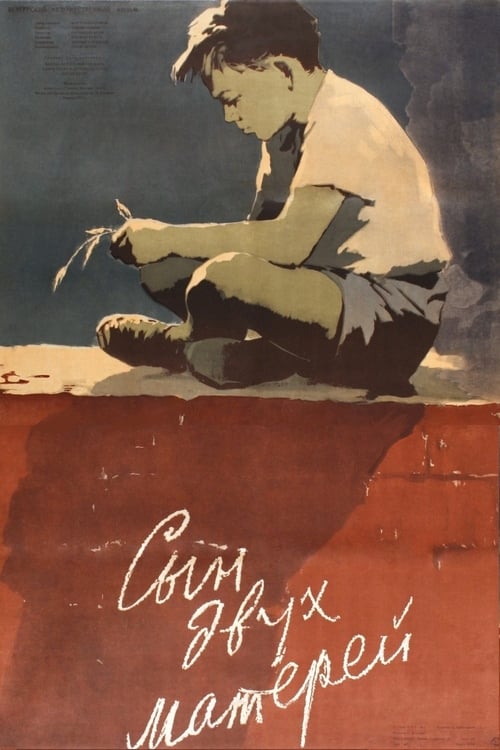
Dani, the few-month-old little boy born outside marriage is left by Eszter in the lap of her companion on the train. The widowed Aranka takes him willingly to her. The child is already ten years old and has a good life with Aranka. Then Géza enters their life and he does not welcome the child of someone else.
Dani
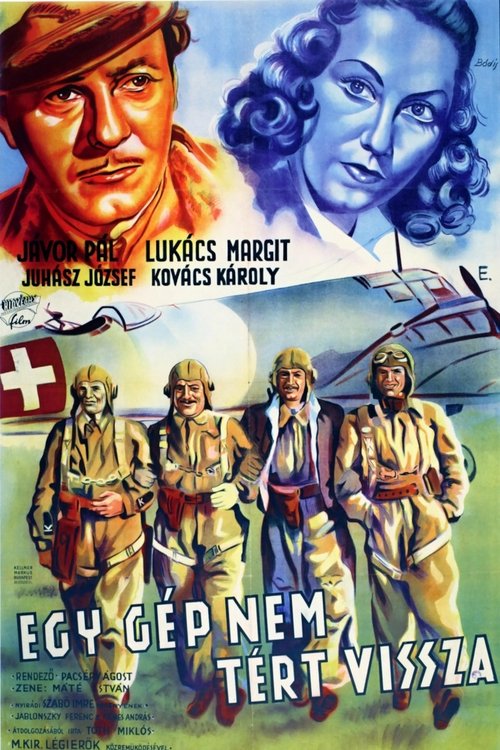
Lieutenant Gabor's plane drops intelligence officer Benkov behind enemy lines. Benkov is assisted by his sweetheart Marja, also an intelligence officer and partisan, to carry out his mission. The Gábors' next trip also takes them behind enemy lines, to photograph a hidden railway line. They prepare the shots, but are discovered, get into a firefight and have to make an emergency landing. Luckily they reach Marja's hut and Benkov hides them. The partisans discover their hiding place and Marja and Benkov are shot dead. Lieutenant Gabor covers the retreat of his comrades by sacrificing his life, so that the important recordings and Benkov's report reach their destination.