Volia Chajkouskaya
Directing
Biography
Belarusian producer and festival director. She launched Volia Films production company in 2016, the company is registered in Estonia and Belarus.
Known For

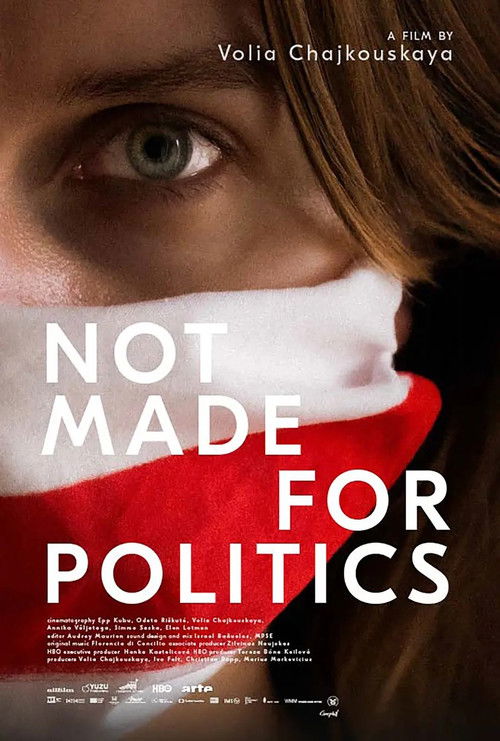
For Estonian-based filmmaker Volia Chaikouskaya, the 2020 Belarus uprising was not just news – it was personal. While thousands in Minsk rose up against the brutal regime of Alexander Lukashenko and rallied behind opposition leader Sviatlana Tsikhanouskaya, Volia felt the same pulse across borders. Unable to return home, she became both observer and participant, organising solidarity actions in Tallinn and gradually stepping into her own film as a subject. At the heart of the story are three women – Sviatlana, Nadzeya, and Masha – whose husbands were jailed as political prisoners and who themselves emerged as central figures of the movement. Their fearless defiance against dictatorship mirrored Volia’s own struggle to break free from the inherited fear of silencing, repression, and exile.
Not Made for Politics

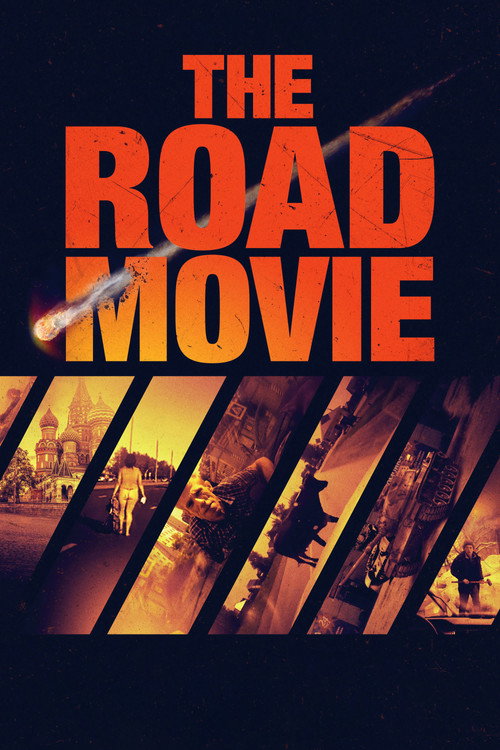
Anything can happen on Russian roads and is precisely shot by the dashboard camera. Super-objective video registration grows into the strong image of Russian national character – with its permanent awaiting for the miracle and habitual approach to real dramas. A forest on fire as a symbol of Russian hell, a military tank at a car wash and car chase in the vicinity of Kremlin shot with a dashboard cam at the same time when Boris Nemtsov, the leader of political opposition, was shot dead near Kremlin. Dashboard cam depicts life in it’s purity as an unbiased observer.
The Road Movie

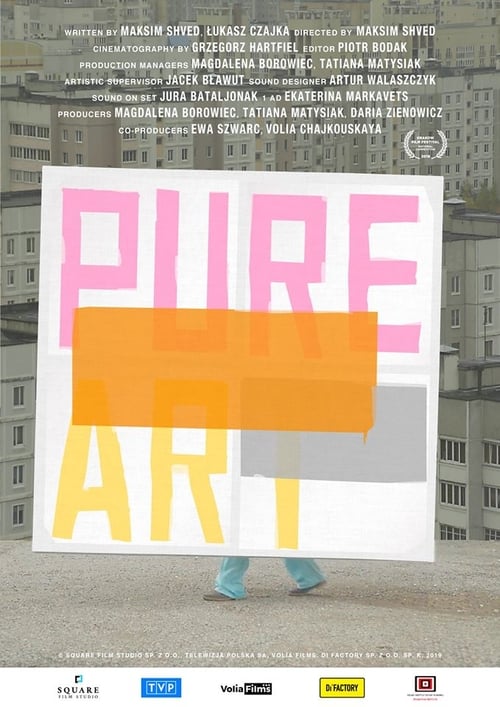
A film about contemporary Belarus, freedom and art. A mysterious artist appears on the streets of Minsk and starts to paint. Passers-by, intrigued, want to know what he is creating, but the artist will not reveal his secret. Step by step, the viewers learn more about him. His name is Zahar Cudin and he is one of the most promising Belorussian painters.
Pure Art
A woman in a self-destructive cycle, discovers that her apartment is mysteriously filling with water. To save herself, Mari must delve into her subconscious and confront what has surfaced.
Mari, Sweetie

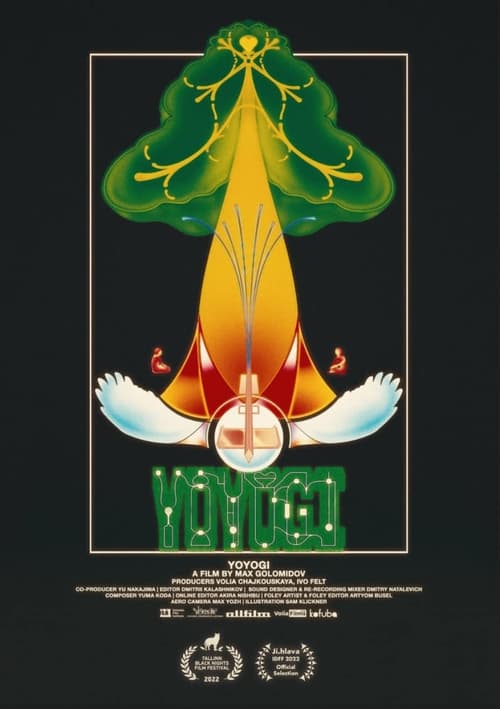
A witty and sensitive observation of people visiting Central Park of Tokyo – YoyoGi. We all live in a world of online communication and rush, but there are places where one can still come to him/herself in offline. Following Japanese tradition of contemplation and harmony, an Estonian director explores Eastern way of finding the balance through nature and solitude. Hauki poetry, written especially by a well-known Japan-researcher from Tallinn Rein Raud add a new angle to the whole picture, turning the film into an endless meditation flow.
Yoyogi

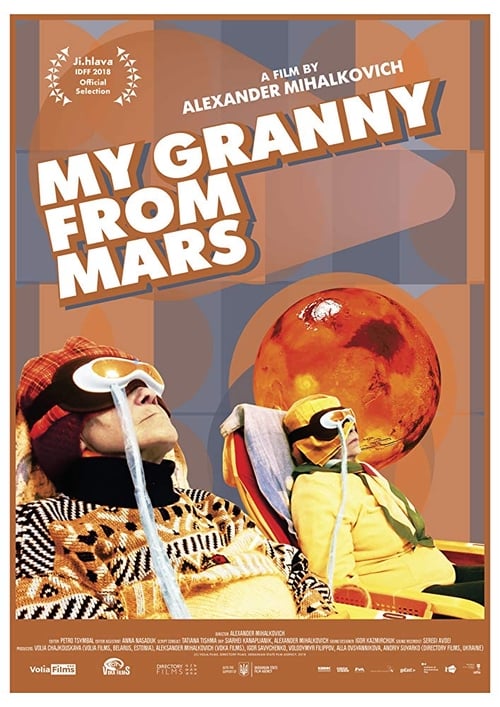
The director’s granny Zina had lived in Ukraine, Russia, Belarus, and, after retirement, she moved to Crimea. Cheerful and bossy, she has always been uniting the big family. After the annexation of Crimea by Russia, visiting her has become an endless hustle. The place has turned into ‘a distant planet’, like Mars, and its environment is unfriendly towards the lonely woman. For many reasons, the time has come for her to make a crucial decision.
My Granny From Mars

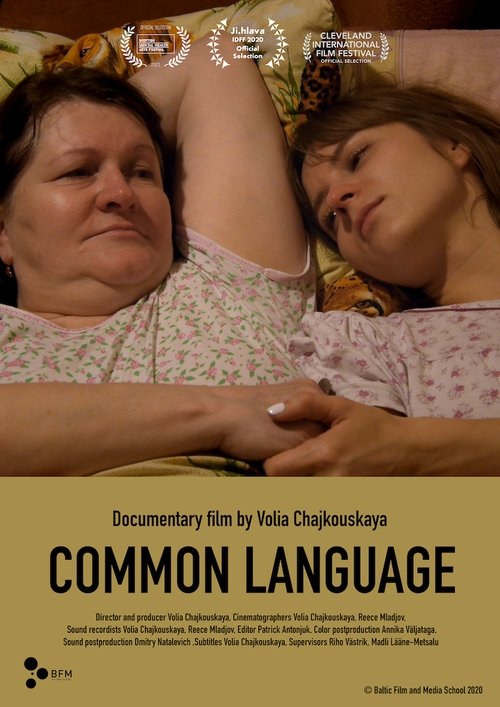
The director, who has always been viewed as the black sheep in her family, sets out to the Belarusian town of Vitebsk to talk with her parents about previous grievances and topics that were considered taboo. The effort to find a common language, which runs into stormy emotions and the inability to voice honest opinions, is captured through both personal moments and detailed shots of the protagonists’ faces.
Common Language
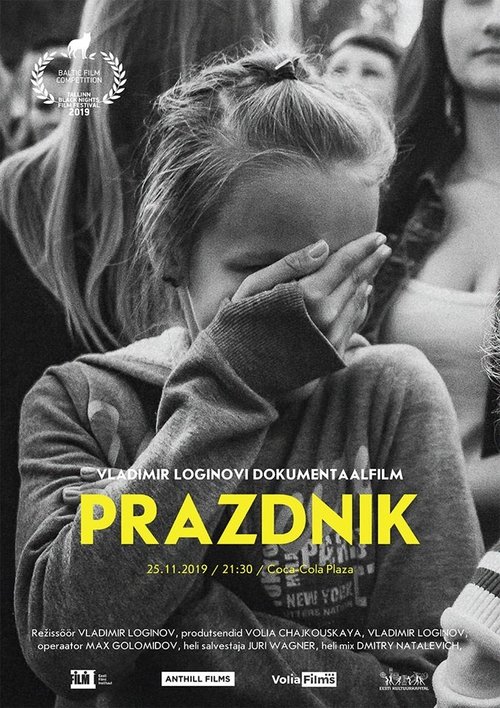
An unbiased observation of the celebration of Independence Day of Belarus in Minsk on 3rd of July 2018.
Independence Day

The town of Maardu in Estonia organises an annual Ukrainian-themed festival, called 'Sorochinsky Fair' after the short story by Nikolai Gogol. More than 15,000 people come every year. This is the largest Ukrainian fair outside of Ukraine, and it has even been entered into the Ukrainian Book of Records. This festival presents life in all its vividness, variety, and unpredictability, with the beauty contest as its central motif. The protagonists of Gogol's works are transported to the modern day in all their enchanting absurdity, and they fit in pretty well. It is a kaleidoscope of incidents and viewpoints, observed with engagement and curiosity.
Celebration

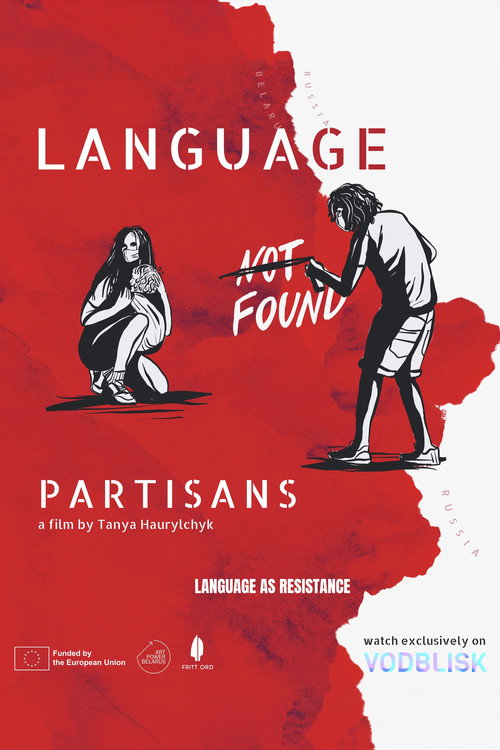
Two activists, Alina and Ihar, have been fighting for a stronger presence of the Belarusian language for over a decade. In Belarus, Belarusian, despite being a state language, has been marginalized and excluded from most public spheres. Writing appeals to state institutions and companies to enforce a current law has been for Alina and Ihar the main form of resistance against the dominance of the Russian language. This activism has put them in danger, when after the 2020 rigged elections in Belarus repressions reached an unprecedented level. Escaping persecution, Alina and Ihar have fled their house and gone into hiding inside their own country – the choice the danger of which would be rethought only much later.