
Mohamed Challouf
Directing
Biography
Mohamed Challouf was born in Tunisia in 1957. In 1983, with some help from a group of friends, he created the Giornate del Cinema Africano di Perugia and attended to its artistic direction until 1994. In 1992, he realized his first photographic book called I Figli del Sud and organized the exhibition, dedicated to his childhood in Africa (exhibited in more than 30 African and European cities). He was the co-author and producer of Italiani dell’altra Riva, a documentary about the memory of the Italian community in Tunisia and produced the film, Anastasia di Bizerta, that was selected for the Venice Cinematographic Art Exhibition. In 2000, he produced and directed the documentary, Ouaga, capitale du cinéma, selected for the Venice Cinema Exhibition in the same year and broadcast in Italy by Tele +. Since 2005 he has organized Hergla’s Film Encounter (Tunisia), a new festival dedicated to African and Mediterranean short and documentary films.
Known For
Untile '60 the italian community in Tunisia counts more of 120.000 people. Many of them came from the south of italy. Some of them talk about their peculiar situation.
Italiani dell'altra riva
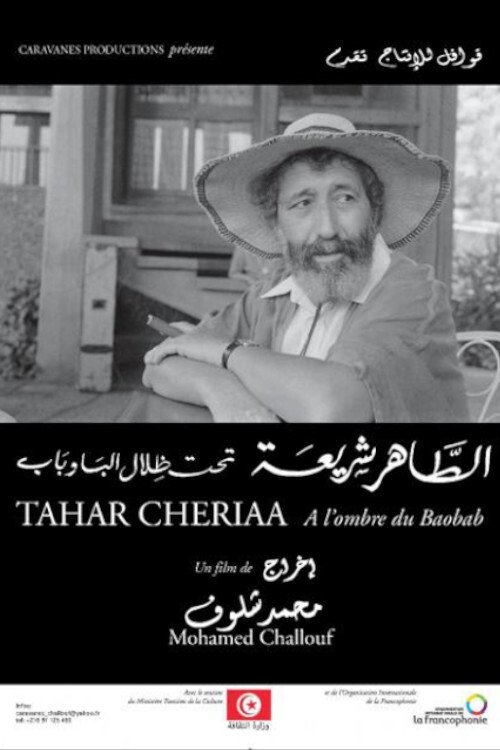
Tahar Cheriaa: Under the Shadow of the Baobab documents the career of one of the core fathers of Pan-Africanism and founder of Africa’s first film festival, the Carthage Film Festival. After Tunisian independence, Cheriaa used all his energy to bring the first authentic images of postcolonial Africa to broader audiences. The film depicts Cheriaa’s ideas and projects, with interviews and archival material creating a complete portrait of the man and his fight for both Sub-Saharan African cinema and African cinema as a whole.
Tahar Chériaa: A l'Ombre du Baobab
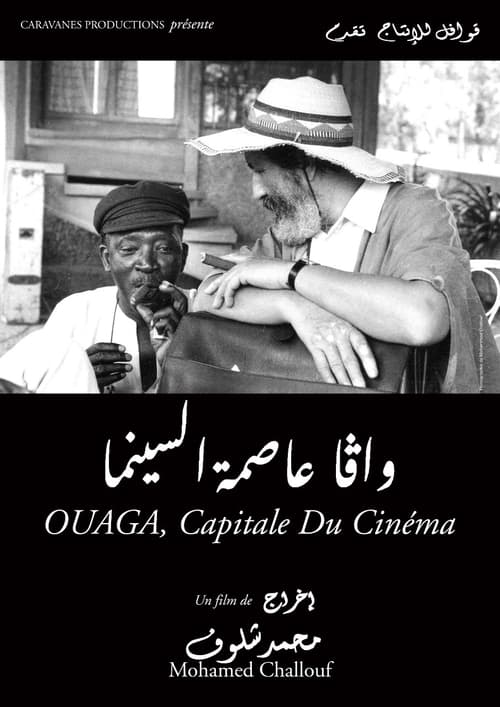
Between 1983 and 1987, Ouagadougou, the capital of Burkina Faso and the home city of FESPACO, one of the most important Pan-African film festivals in the world, was the scene of an exciting cinema utopia. With the support of the young president Thomas Sankara, the festival became a symbol of the cultural renaissance of a whole continent. The assassination of Sankara stifled the hopes of millions of young Africans, but the dynamism of FESPACO and African cinema did not stop.
Ouaga, the Capital of Cinema
This short companion film features commentary on Muna Moto by director Jean-Pierre Dikongué Pipa and cinema critic and filmmaker Férid Boughérid.
The Many Moods of Muna Moto
Portrait of the Cameroonian director Jean-Pierre Dikongué-Pipa.