Writing
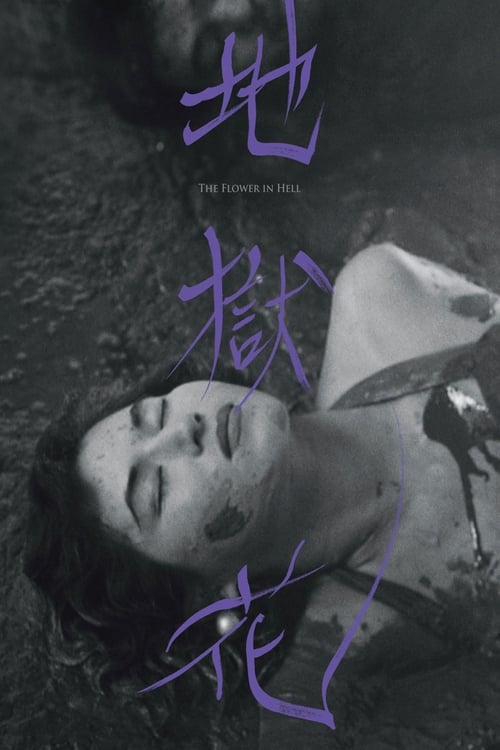
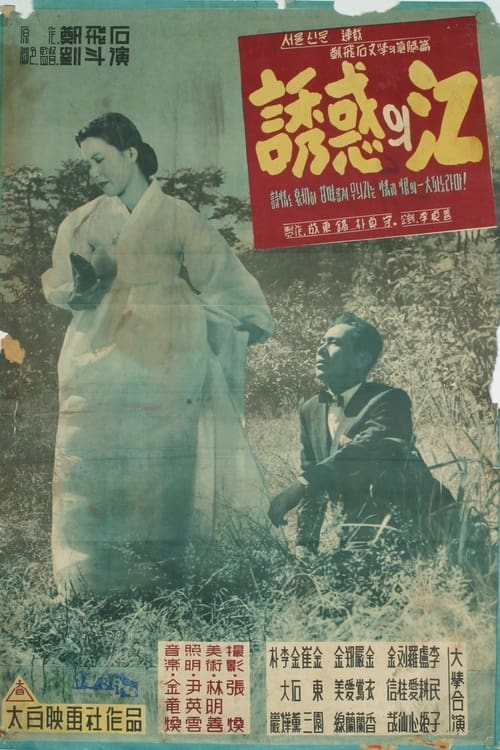
In post-Korean War Seoul, a young man from the countryside discovers that his older brother has become romantically involved in a prostitute and has no intentions of returning home.
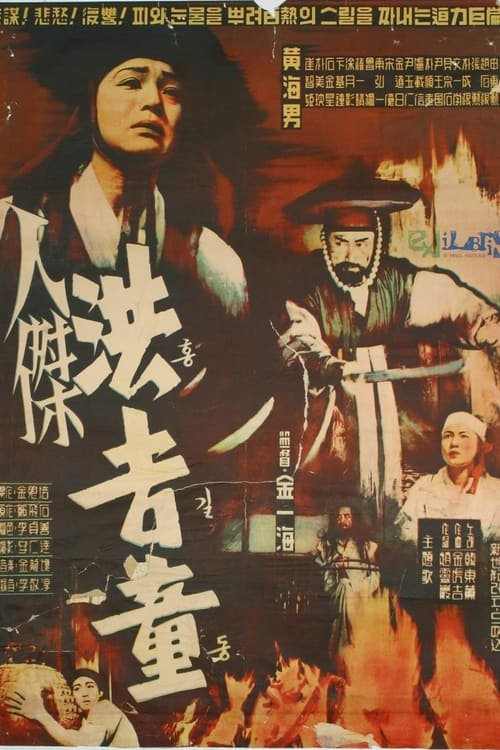
At the end of the Joseon Dynasty, shortly after the Eulsa Treaty has been forced to be concluded by Ito Hirobumi and the pro-Japanese courtiers, Japan pressures King Gojong to step down from the throne. Meanwhile, An Jung-geun, who is cultivating men of ability at Samheung school, is deeply impressed by a speech made by An Chang-ho, and heads for Russia to volunteer the army fighting for independence of the country. As both a lieutenant general of the Korean militia and a commander of the Korean expeditionary force in Manchuria, he carries on the independence movement in defiance of Japanese coercion.
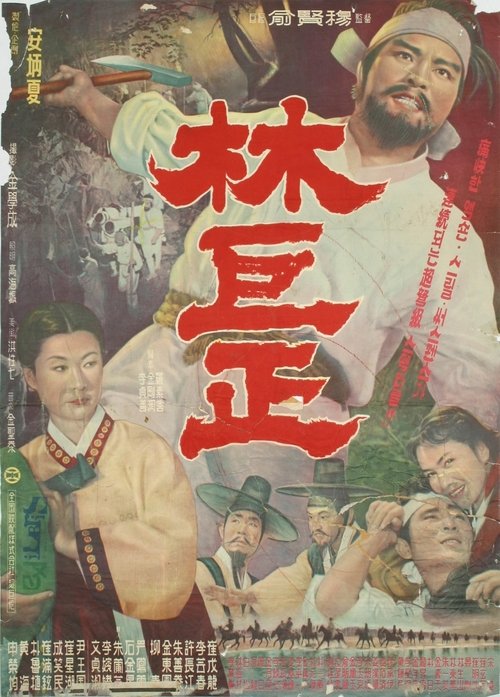
During the later years of Joseon Dynasty (1392-1910), Lim Kkeok-jeong, a butcher's son, stands up against the aristocrats' tyranny and helps displaced people live in peace at a village he has established. He also forms a chivalrous robbers' band to get rid of corrupt officials. He dedicates himself to saving people from misery and teaching a lesson to the aristocrats and corrupted officials.
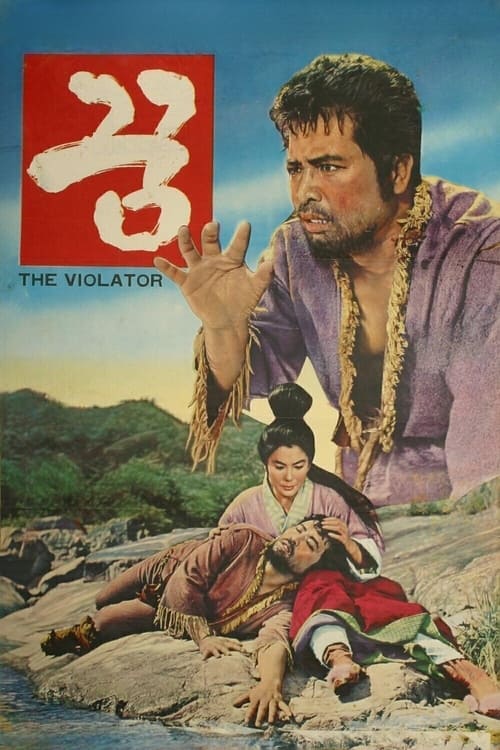
Cinematized version of Lee Kwang-su's novel, which tells the story of the dream Josin had, a Buddhist monk at Naksan temple in the era of the Three Kingdoms. In his dream, Josin lives in anxiety and agonizes over a woman. In the process, he lives his whole life and becomes enlightened.
No description available.