Acting
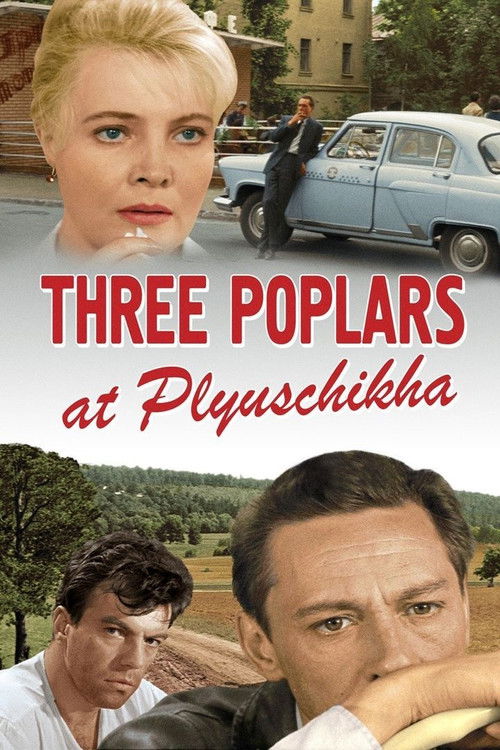
A married woman fresh from the countryside meets a charming cab driver on her first day in Moscow. They spend the day together and their fondness for each other grows...
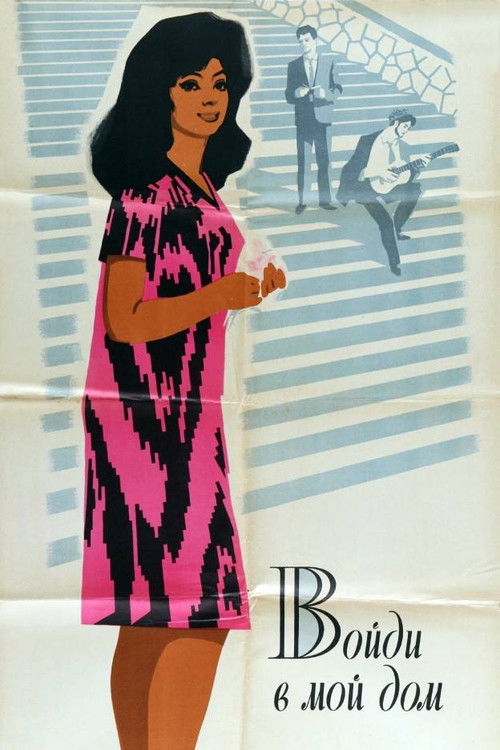
A young journalism student from Moscow, Andrei, arrives in Tashkent, where he falls in love with both the city and its people. He is able to meet new friends and experience his first love, which leads him to decide to stay in Tashkent forever.
No description available.
During the Civil War, the young Uzbek playwright Muzaffar and the Russian girl Natasha, who became one of the first actresses in the Uzbek theater, unite their like-minded people to create a national theater. Amid rehearsals, performances, and the struggle for a new art, love blossoms between them. However, fanaticism, prejudice, and the harsh trials of the era stand in the way of their dream. The story of the first Uzbek theater's development becomes a story of great love, courage, and self-sacrifice.
About a young scientist and breeder Umid Rustamov, who is working on breeding cotton varieties that are immune to diseases.
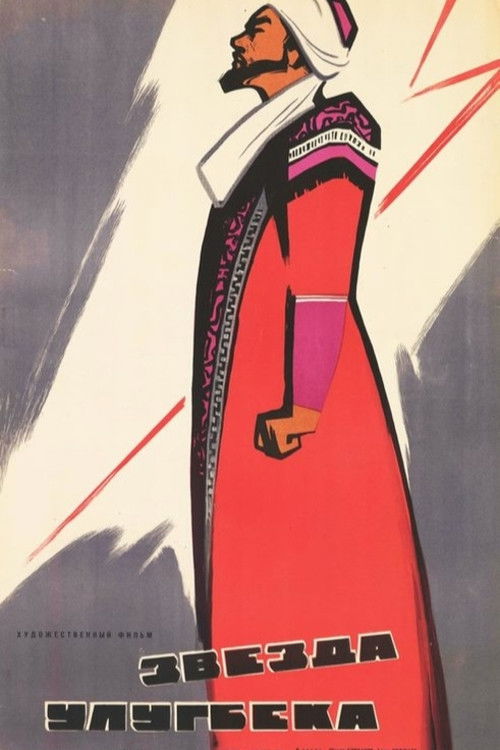
About the fate of Hamza Hakim-zadeh Niyazi, an Uzbek poet, playwright, and public figure.
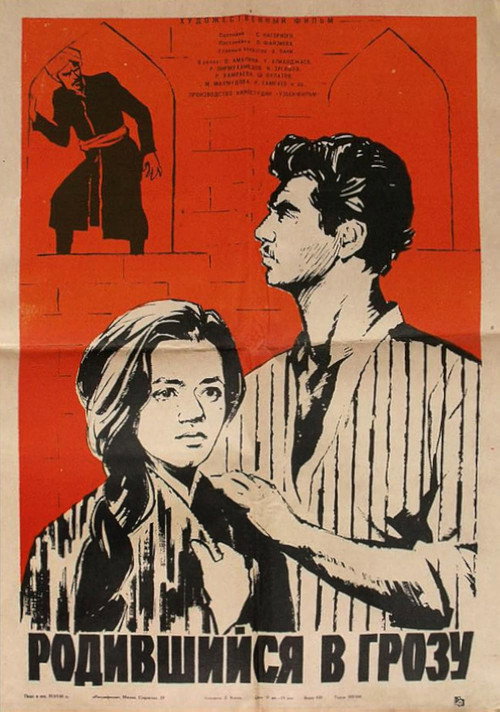
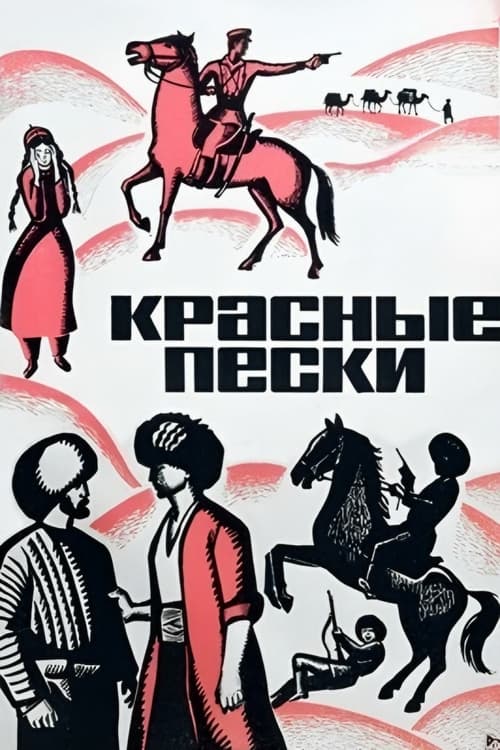
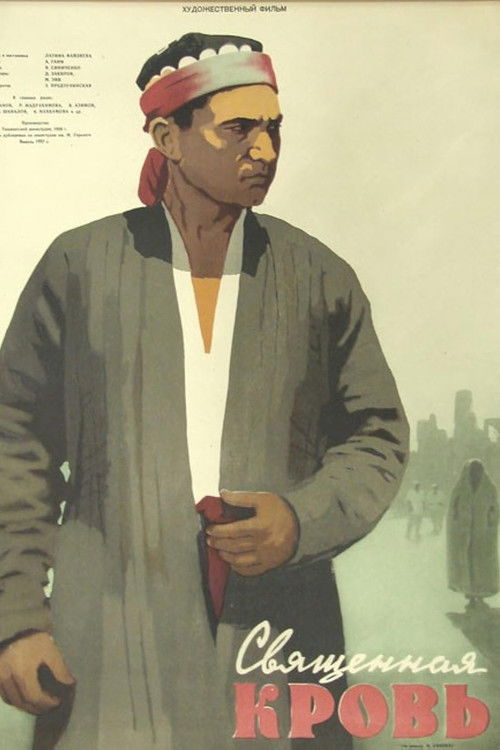
The red commander Mirsharapov was sent to fight the Basmachi gang in Khiva. After the fighting, Junaidkhan's gangs are defeated.
Today is a happy day for Akbar and Farida Sadykov—their son Kamal is being released from prison. But Akbar was right to dread this meeting. His son hasn't forgiven his father for his imprisonment. He didn't even approach Akbar. Alone, Kamal recalls an old story his father told him...
A Bolshevik army officer and Uzbek who has been nursed back to health by a young Uzbek woman to whom he is now married, gains responsibility for the local village in 1929. He is urged by comrades in Tashkent to have the local women drop their chadors and veils but he is also told that he should not force this on anyone. His wife declines to take off her veil, so a 14 year old girl steps forward to set the example, over the objections of the local Muslim clergy and most of the village men. After the girl is killed, and the commissar is shot, his wife takes him to the hills to nurse him back to health once again. She begs her husband to leave the village. Instead when he decides to return, she is pressured by her father to continue to wear the veil.
Crowded alleys of the evening park, music, laughter, festive fireworks. And the two are talking about murder or suicide, about the syringe found in the dead woman's hands, about the time when death occurred. These two are employees of the criminal investigation department. They will have to find criminals in a large, busy business city who stole, cheated, and, if necessary, did not stop at murder, removing unintended witnesses or unreliable accomplices from their path.
Despite protests from the engineer Gafur Kayumov, the head of the design bureau, Tursunov, and his accomplices pushed an unfinished cotton-harvesting machine into production. As a result, millions in state funds were wasted.
Middle East. Revenge of three teens for their unjustly executed fathers leads to national riot and capture of American military airfields.
A hunter leaves his home in the mountains to find an unknown beauty with whom he has fallen in love. He finds her in the form of a princess, whom he can win over only if he completes a series of tasks. He succeeds with the help of the magical bird Semurg.
About the struggle of Uzbek women against the reactionary clergy in the 1920s.
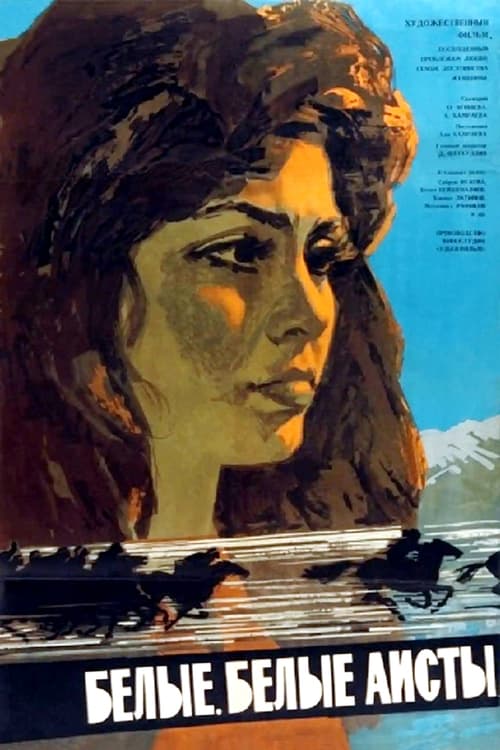
Set in the rural village of White Storks, the story tackles the taboo subject of an extramarital affair. Strong-willed Malika, married but childless, is openly consorting with another man with whom she shares a seemingly tender bond.
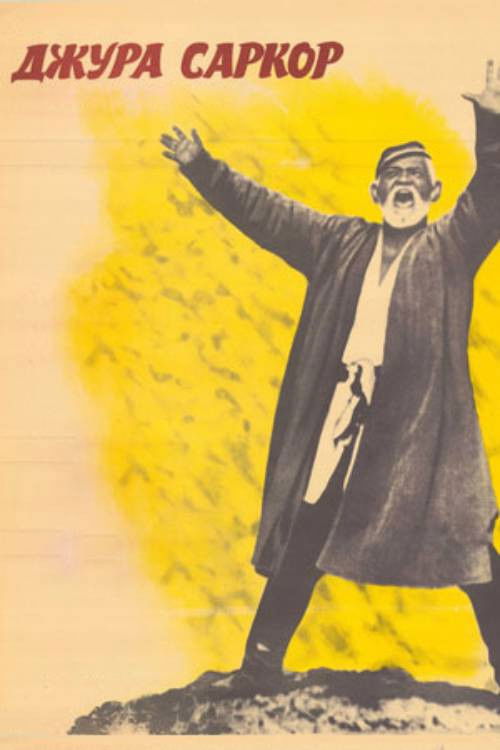
Based on the novel by A.Sidki. Three short stories about the life of a modern Tajik village and about Jura Sarkor, a collective farm foreman, a restless, hardworking, wise old man.
Film adaptation of novel with the same name by big Uzbek poet and writer Oybek.
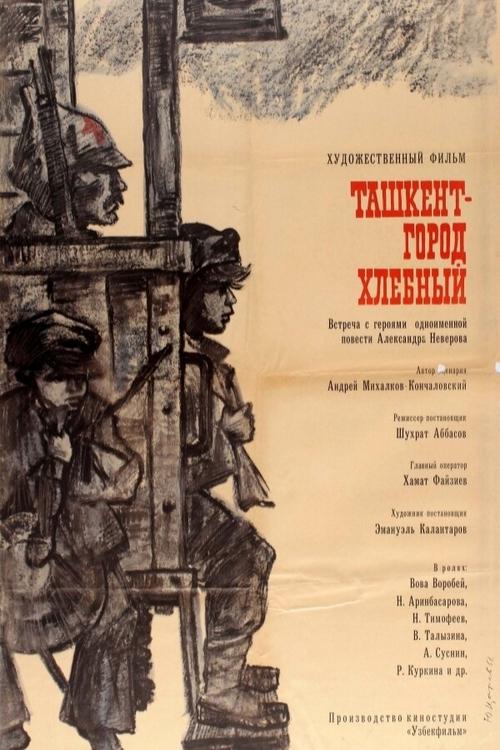
Beautifully shot in black and white, and scripted by Tarkovsky's collaborator Andrei Konchalovsky, this powerful melodrama tells the story of a young boy who undertakes the perilous journey to Uzbekistan's capital Tashkent, to earn some money for his hungry family. Filming in the periphery of the Soviet Union, in a time of relative political relaxation, director Shukhrat Abbasov actually dared to depict the poverty and famine that resulted from the Bolshevik Revolution.
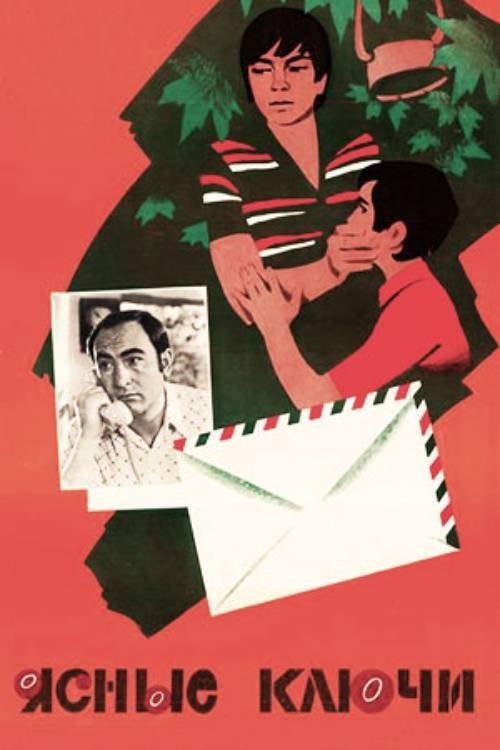
Seventh-grader Ilham comes on vacation to a mountain village to visit relatives. Seriously, but on the most fundamental issues of life, the boy does not find a common language with the staid, extremely self-respecting Uncle Azim. He meets the sorcerer Hamrakula-buva, who sacredly protects an old tree from death, on which, back in the thirties (the childhood years of his son, who did not return from the war), the children organized the headquarters of the Timur team. Ilham understands the old man well, helps him take care of the tree, bring out a new variety of blue rose, which his son dreamed of growing, and does not consider him a sorcerer at all.…