Acting
Set in 1874, the son of a mitrista accompanies a herd of cattle whose sale will allow to buy weapons.
The romance between Amalia Sáenz de Olabarrieta –a widow living in Buenos Aires– and the young Unitarian Eduardo Belgrano. Based on the novel by José Mármol.
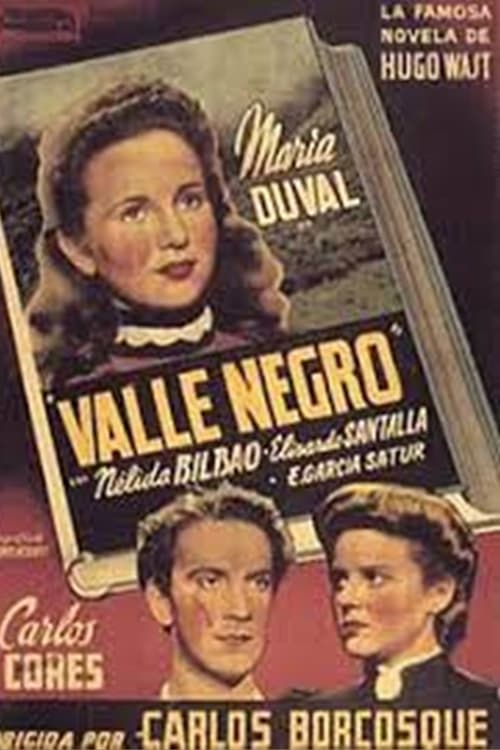
An orphan, adopted by an authoritarian landowner, falls in love with his daughter on a farm in the mountains.
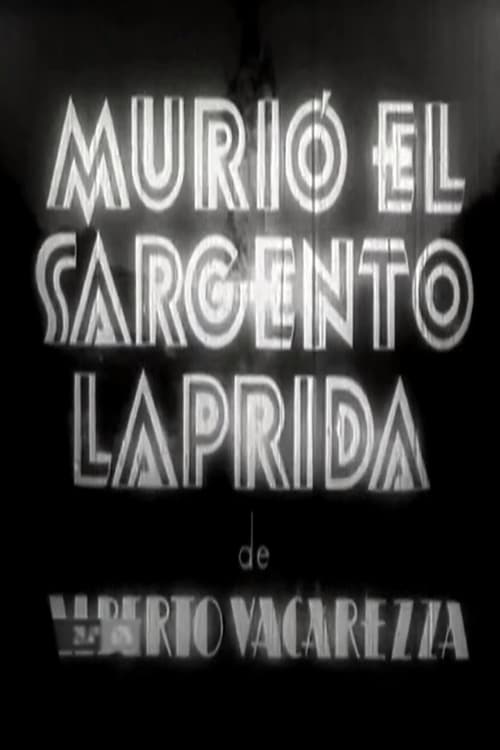
A corporal and sergeant in the fire service fight over a woman.
Espionage, intrigue, and passion surround the revolutionary invention of a secret weapon. A film that echoes with the world war, by German exiled filmmaker James Bauer.
No description available.
In a boarding house, the maid marries the ice cream man, and a newly graduated doctor falls in love with his first patient.
Argentine film.
A thief ends up in the Riachuelo zone and after a revealing event, he stops stealing and starts working.
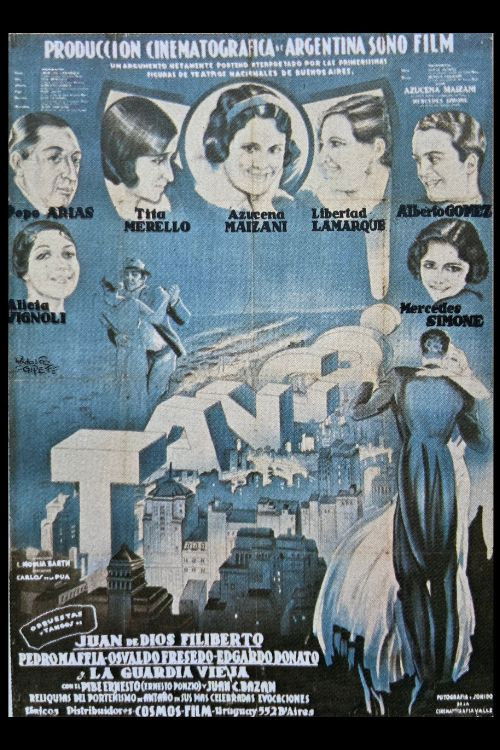
¡Tango! follows a formula established by Carlos Gardel with films such as Luces de Buenos Aires (The Lights of Buenos Aires, 1931) in which a melodramatic story is interspersed with tango songs. However, the film had less dialog and more music, making it more like a musical revue. This format would be copied by many subsequent films. The plot is derived from tango songs. Many of these songs tell of the seduction of an innocent slum girl by a rich man who promises her a glamorous life, but who abandons her when her looks fade. The stylized and sentimental plot of ¡Tango! revolves around a young man who is abandoned by his girlfriend for an older rich man and is heartbroken. The film follows his misfortunes.
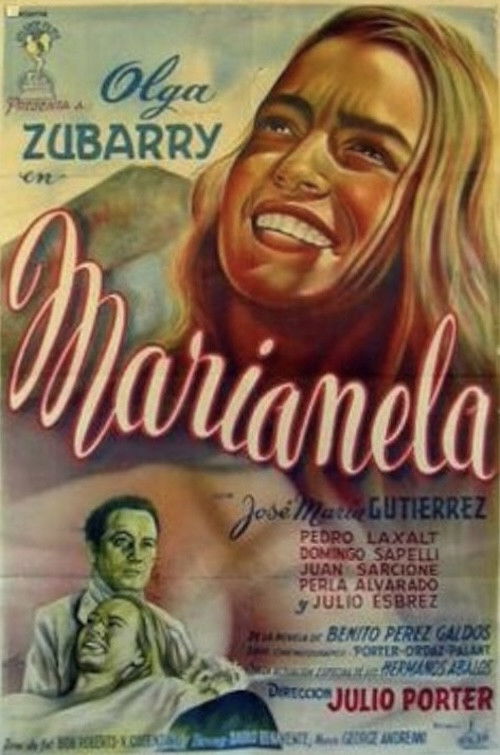
A young man regains his eyesight after a life of blindness and rejects his best friend Marianela for her ugliness.
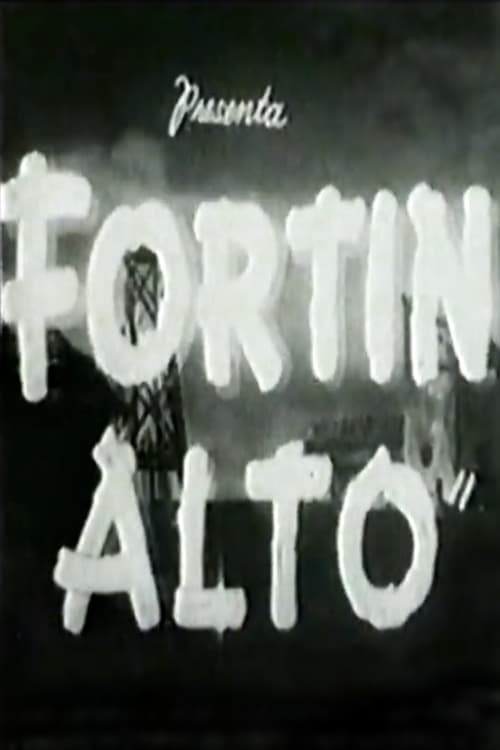
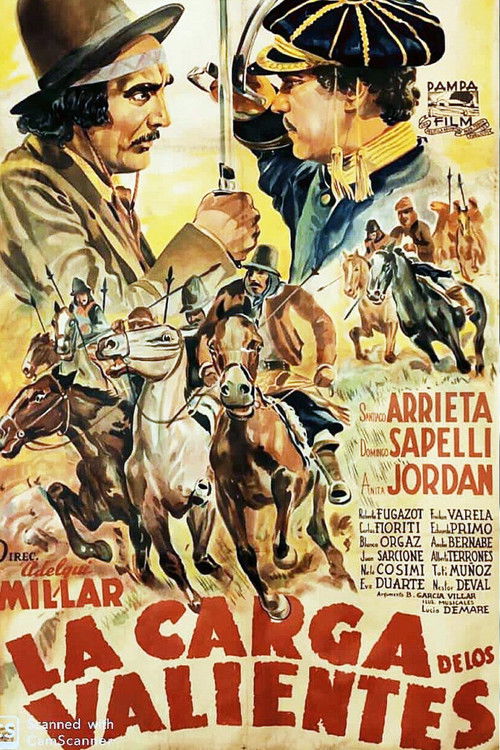
It takes place in 1827, in Carmen de Patagones, in the context of the confrontation between the militias of the United Provinces of the Río de la Plata and the navy troops of the Empire of Brazil. It is the story of a fort lieutenant who falls in love with a young woman.
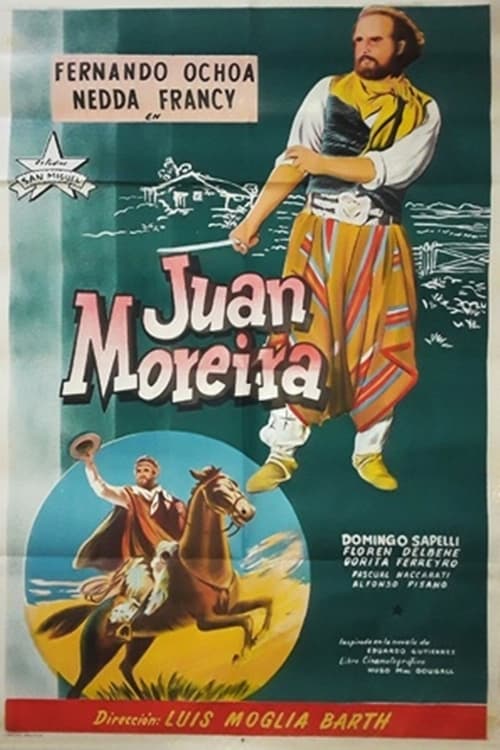
Adaptation of the homonymous novel by Eduardo Gutiérrez, inspired by a real police chronicle, starring a gaucho killed by the police in 1874. Juan Moreira's life was full of injustices and has been considered representative of those suffered by gauchos.
A 1936 film.
A warehouse employee travels to Buenos Aires with the purpose of rescuing the young woman he is in love with from a gang of criminals.
Two boys from Mendoza leave their land attracted by Buenos Aires and fall into crime.