FEEL IT.STREAM
Juan José Mosalini

Juan José Mosalini

Sound

Biography

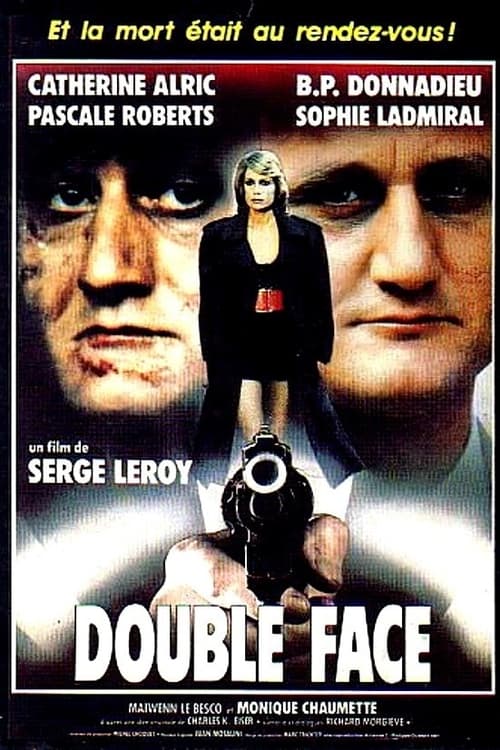
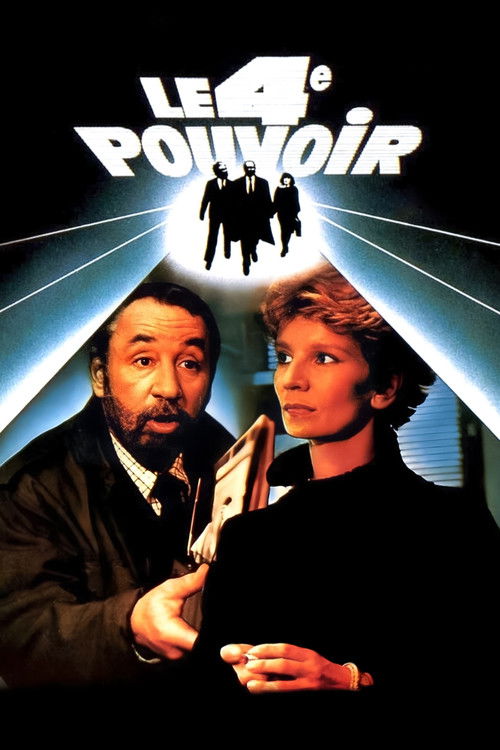
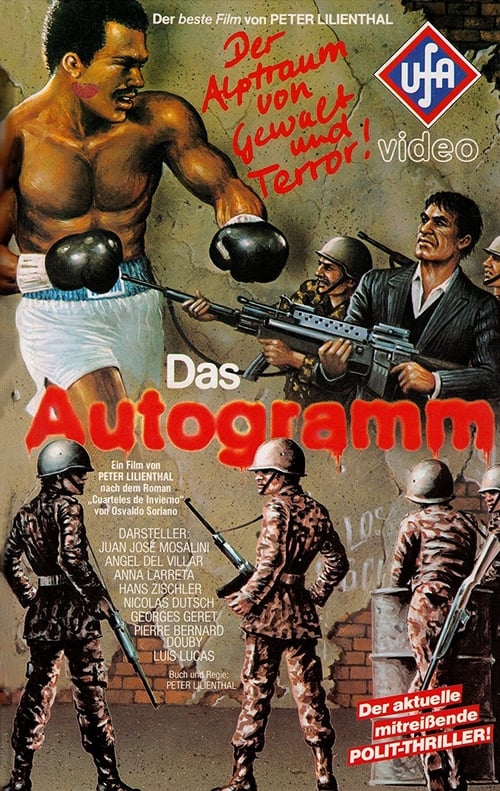
Juan José Mosalini (born November 29, 1943) is an Argentinian bandoneon player. He specializes in tango nuevo and currently resides in France. Juan José was born into a family of artisans who were passionate about music. His father and grandfather, who both played the bandoneon, brought him to Argentina's musical traditions. Eight years old, he started himself to learn this instrument. Mosalini was a largely self-taught musician who learned a lot of music on the street. At the age of 13, he had already started playing in ballrooms as a member of an orchestra consisting of four bandoneons, four violins, one piano, one bass and two singers. In 1961 he won first prize in a contest organized by the Argentine television. 17 years old, he became a professional musician. While most of the young people of the time were more interested in rock music, he devoted his entire life to traditional music. Until 1976 he lived in Argentina where he played with some of the most famous orchestras and soloists. He composed, arranged, interpreted, accompanied and produced recordings with, among others, José Basso, Leopoldo Federico, Astor Piazzolla, Osvaldo Pugliese, Susana Rinaldi, Edmundo Rivero and Horacio Salgán. There, he formed his first ensemble, Guardia Nueva quintet with the bandoneonist Daniel Binelli and had a profound impact on avant-garde tango . In 1977 he moved to France. Along with other Argentine musicians he formed the band Tiempo Argentino and recorded an album titled Tango Rojo with ia pianist Gustavo Beytelmann, flautist Enzo Gieco and guitarist Thomas Gubitsch. Later he formed the quartet Canyengues (with Gustavo Beytelmann and Patrice Caratini) and released numerous recordings, including a solo bandeneon album that received some critical success.. Mosalini works to disseminate knowledge and teaching bandoneon in France and in 1999 founded the first bandoneon course in Europe at the Conservatory of Music in Gennevilliers. As a composer, he has also written film scores including Serge Leroy's Double Face and Le 4ème Pouvoir and Peter Lilienthal's Das Autogramm. Source: Article "Juan José Mosalini" from Wikipedia in English, licensed under CC-BY-SA 3.0.

Known For

The Fourth Power
6.4

Yves Dorget, major reporter in a daily newspaper, finds on an "affair" part of a simple news item Catherine Carré, his former friend, editor and chief and star presenter of a television newscast.

The Fourth Power

1985
Lorenzo
6.4

A cat named Lorenzo is dismayed to discover that his tail has developed a personality of its own.

Lorenzo

2004
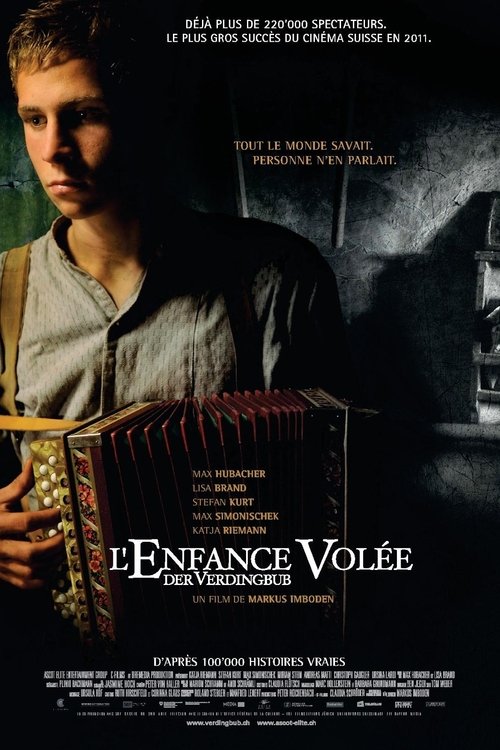
The Foster Boy
7.1

Switzerland, 1955. The young orphan Max is sent as a foster child and contracted to work for the Bösiger family who lives on a farm. His foster parents treat him like a workhorse while their son seizes every opportunity to humiliate him. Playing the accordion is the one thing that is entirely his. But when the new teacher stands up for Max, it only makes a bad situation much worse. The only thing preserving his will to survive is his friendship with Berteli, who was also taken on to work at the farm. Max dreams of Argentina with her: a fantasy world, where allegedly even hayforks are made of silver.

The Foster Boy

2011
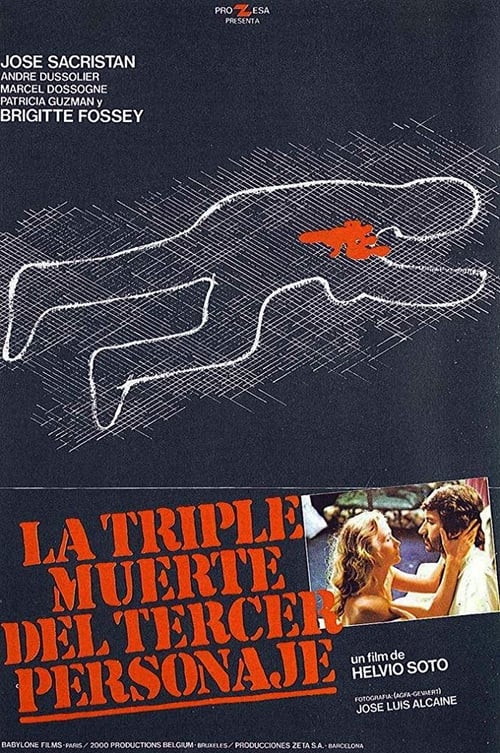
The Triple Death of the Third Character
6.0

After spending a long time in prison, a man is pursued by international agents who want to kill him. Without knowing exactly what is going on, the protagonist realizes that they want to kill him because the book he wrote about his time in prison contains secret codes that should not have been revealed. He, who did it by chance, realizes that he is in grave danger. One by one, the characters in the novel are eliminated so that the mysterious secret remains hidden forever.

The Triple Death of the Third Character

1981
Beto Nervio contra el poder de las tinieblas
7.0

A comic strip detective and a superhero are hired to investigate separatedly the successive murders of CEOs within a real life corporation symbolizing a nation, while subversive groups and members of the establishment lead a war for power.

Beto Nervio contra el poder de las tinieblas

1978
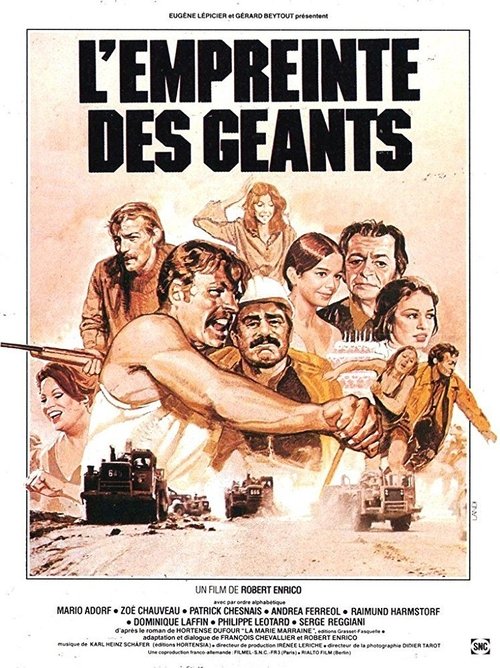
The Imprint of Giants
10.0

The life of workers and their families in a construction site of a highway in 1965.

The Imprint of Giants

1980
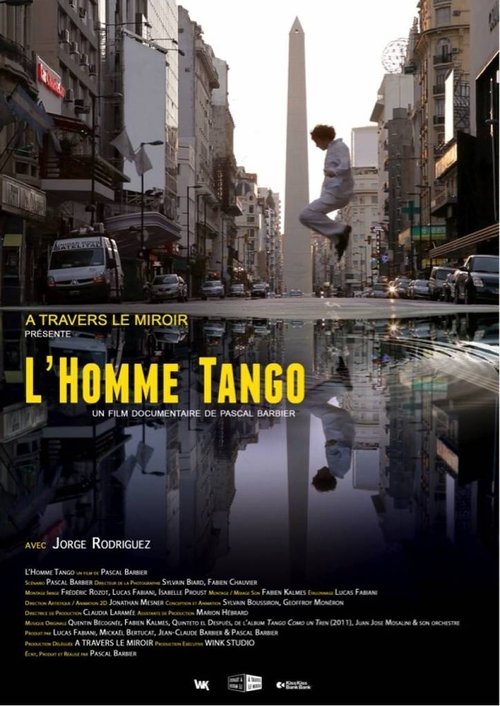
L'homme tango
N/A

No description available.

L'homme tango

2015
The Autograph
6.5

The bandoneon player Daniel and the boxer Toni arrive independently from each other in a provincial town in Latin America where they are booked to perform at a folk festival. Both of them are completely apolitical but are forced by external circumstances to take a political position. Toni falls in love with the daughter of an influential attorney but has to keep his love a secret. Meanwhile, Daniel learns about the atrocities committed by the Junta from the town’s residents.

The Autograph

1984
Double Face
3.3

No description available.

Double Face

1987
H.G.O.
N/A

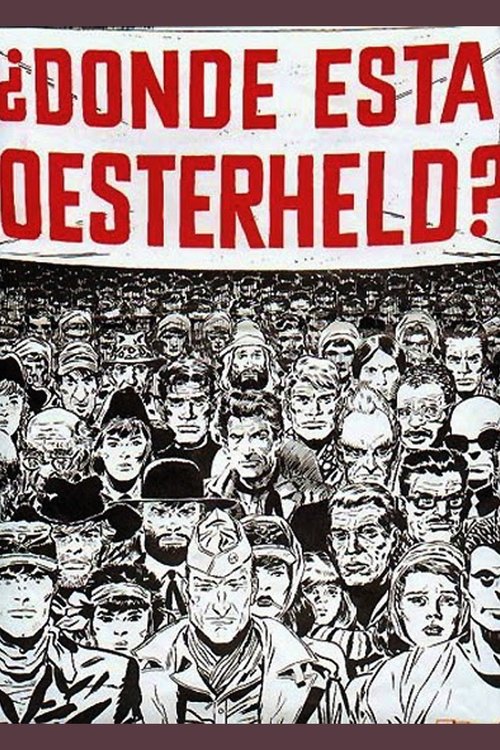
Documentary about the life and work of Argentine comic book writer Héctor Germán Oesterheld.

H.G.O.

1999
Gracias, Che Cortázar
5.0

No description available.

Gracias, Che Cortázar

1986
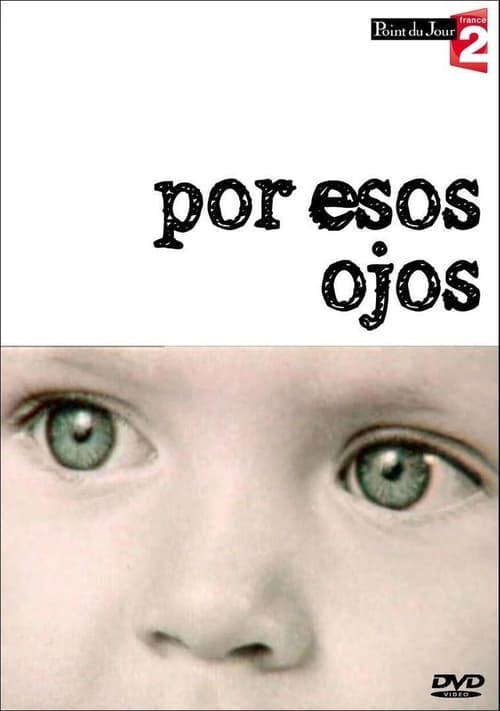
For the Eyes of Mariana
10.0

We follow the efforts of Ester Gatti to find her missing granddaughter Mariana Zaffaroni. As a child, Mariana and her parents were kidnapped by a Uruguayan military team. The little girl was taken by an agent in the intelligence service who brought her up as his own daughter. Sixteen years later Ester found Mariana, but the girl chose to go on living with the people who had kidnapped her. This documentary raises questions about identity, memory and the value of truth.

For the Eyes of Mariana

1999