
Dai Sil Kim-Gibson
Directing
Biography
Dai Sil Kim-Gibson (born 1938) is a Korean–American documentary filmmaker and author. Her films and writing focus on humanizing "the voiceless" within issues of human rights, overlooked periods in history, and Asian-American diaspora.
Known For
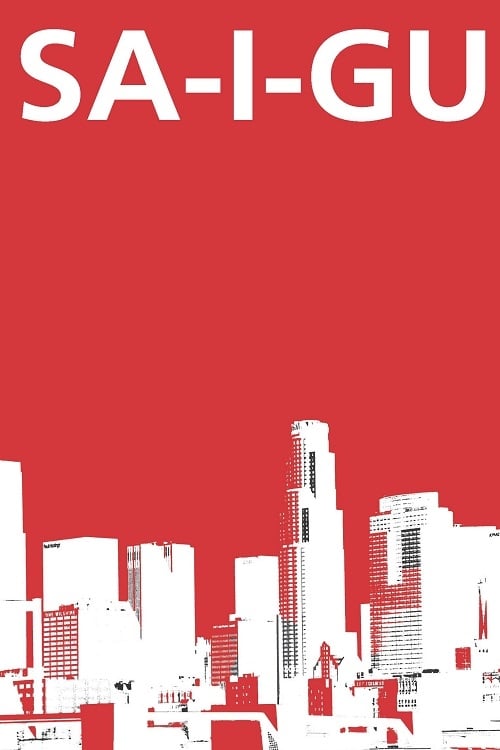
Sa-I-Gu, literally translated in Korean as April 29, is the day of the 1992 Los Angeles riots or uprising. Three months after the events, the documentary explores the experience of several Korean American women who were caught in the events.
Sa-I-Gu
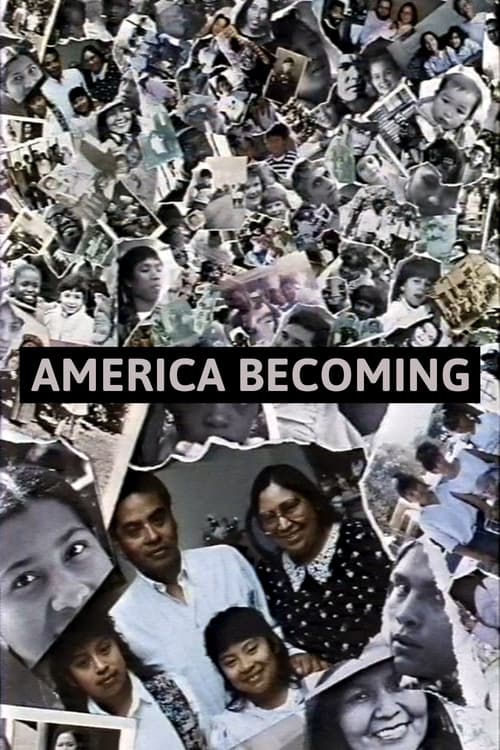
Looks at the United States as it becomes an increasingly diverse nation. Tracing the history of significant changes in the Immigration and Nationality Act beginning in 1965, this program introduces a dramatic vision of a multi-cultural America where people of color are the new majority. The feelings and stories of ordinary people are featured in everyday context in six cities across the county. Interviews with residents of Chicago, Houston, Philadelphia, Miami and several other places probe the changing relationships between newcomers and established residents.
America Becoming

Filmmaker Dai Sil Kim-Gibson explores the aftermath of the 1992 LA Civil Unrest in her film WET SAND.
Wet Sand: Voices from L.A.
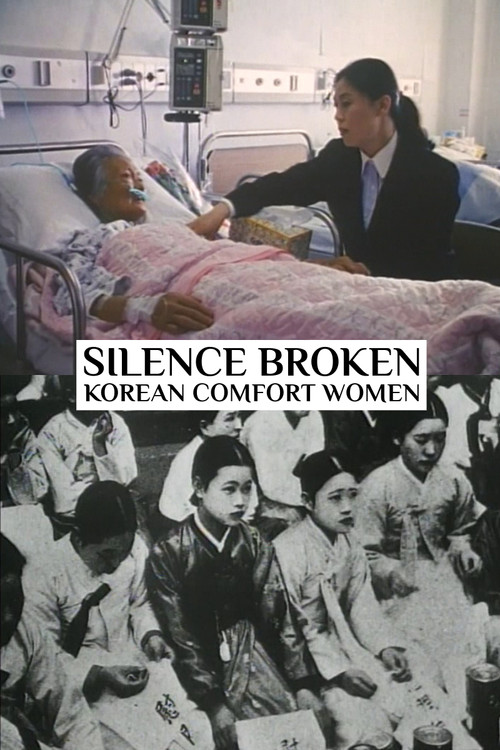
A powerful and emotional documentary about Korean women forced into sexual servitude by the Japanese Imperial Army during World War II, Silence Broken dramatically combines the testimony of former comfort women who demand justice for the "crimes against humanity" committed against them, along with contravening interviews of Japanese soldiers, recruiters and contemporary scholars who deny the existence of comfort women or claim that these victims "did this for money." In the film, these women demand an official apology, admission of moral as well as legal guilt, and compenstion from the Japanese government. They want human dignity and justice restored to them. The individual testimonies in Silence Broken, combined with unusual archival footage and dramatized images, shatter the half-century of silence and create a collective story filled with soulful sorrow and amazing resilience of the human spirit.
Silence Broken: Korean Comfort Women
A powerful and emotional documentary about Korean women forced into sexual servitude by the Japanese Imperial Army during World War II.
Silence Broken: Korean Comfort Women
A Little League baseball game becomes the unlikely context for this lyrical drama about memory and loss, told from the perspective of a Korean-American woman and her grandmother.
Olivia's Story
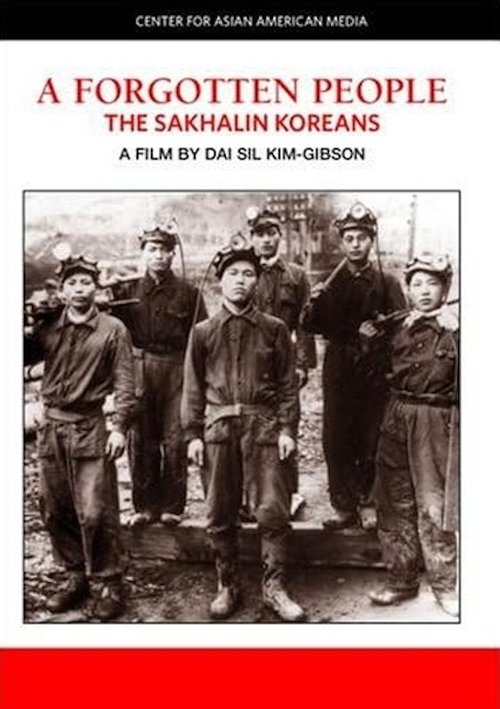
A documentary presentation of the lives of 43,000 Koreans brought by the Japanese to Sakhalin for forced labor and abandoned there for 50 years.
A Forgotten People: The Sakhalin Koreans

How do we decide where is home? Feeling increasingly isolated in her adopted homeland, accomplished documentarian Dai Sil Kim-Gibson travels to Cuba to unearth stories from a relatively unknown group in the Asian diaspora. On the island, she meets Martha, a woman of Korean descent who identifies herself as Cuban. Like many of her contemporary countrymen and women, Martha possesses family ties that span multiple nations, cultures and politics. Her story inspires Kim-Gibson to travel to Miami to meet Martha's émigré sister and the rest of their mulitcultural family, in a journey that reveals how very different worldviews can co-exist in one family separated by place and ideology.
Motherland: Cuba, Korea, USA

A naturalized American citizen born in North Korea, this filmmaker interweaves two themes: search for home and ordinary people, while exploring how North Korea has reached the current state. The majority of the extant work on North Korea are based on interviews with 'defectors,' featuring its dark side and the three 'monsters,' Kim Il Sung, Kim Jong Il, and Kim Jong Un. Taking a journey into the past, she explores North Korea's history in relation to South Korea and the USA, and sees through her eyes the people who live there. Her life which spans the 20th and 21st centuries and the three countries guide her to tell stories of North Korea in political and historical context. A deeply personal film with new insight.