Camera
No description available.
The fate of a culture lies on the shoulders of few determined individuals.
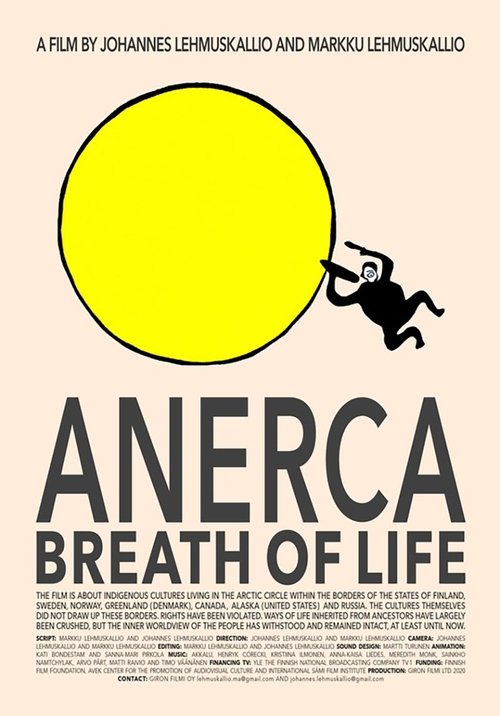
Markku Lehmuskallio has devoted a large part of his documentary work to the indigenous people of the Arctic Circle. In this latest film, co-directed with his son Johannes Lehmuskallio, he composes a fascinating poetic ethnography inspired by the singing, dancing, forms of contemporary existence and, above all, the vital breath of these nomad communities mistreated by History.
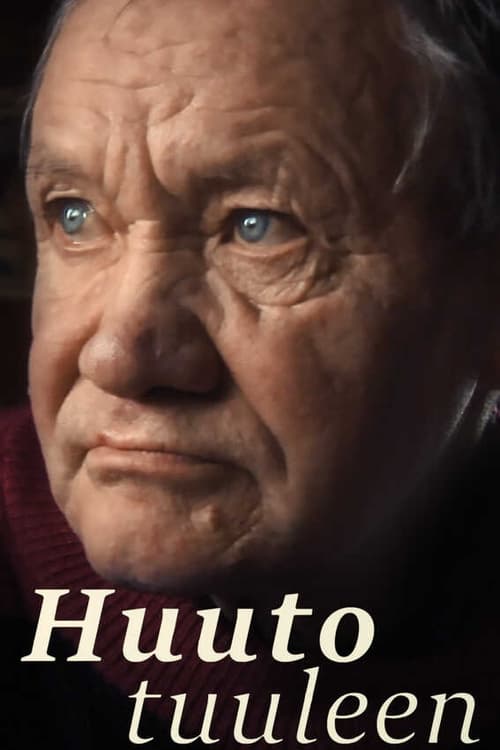
Story about life and death according to Chukchi people who live in Chukchi Peninsula as far in the East as one can go.
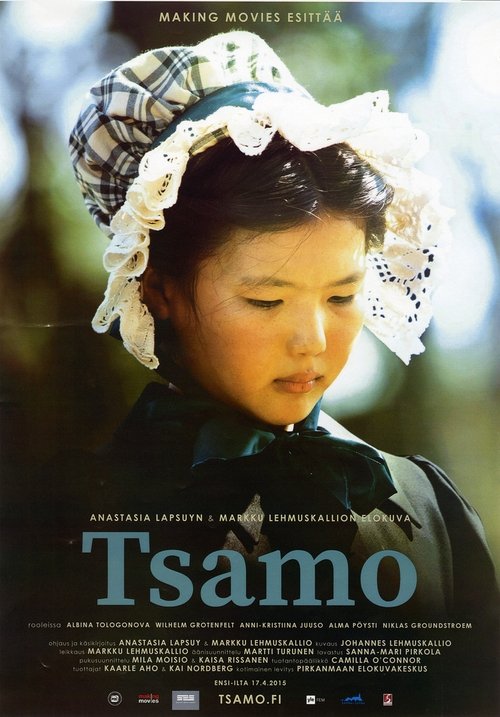
In the 1860’s Alaska and Finland are simultaneously parts of the Russian Empire. A Finnish mining engineer Simon buys a Tlingit girl named Tsamo and decides to bring her to Finland. The child, Tsamo, is baptized and Simon starts to teach her European manners. Tsamo thinks she’s married to Simon and acts accordingly, but when Simon marries a lady of his own age and class, she gets confused. Simon is forced to send the girl away and the battle over Tsamo’s identity takes complicated turns.
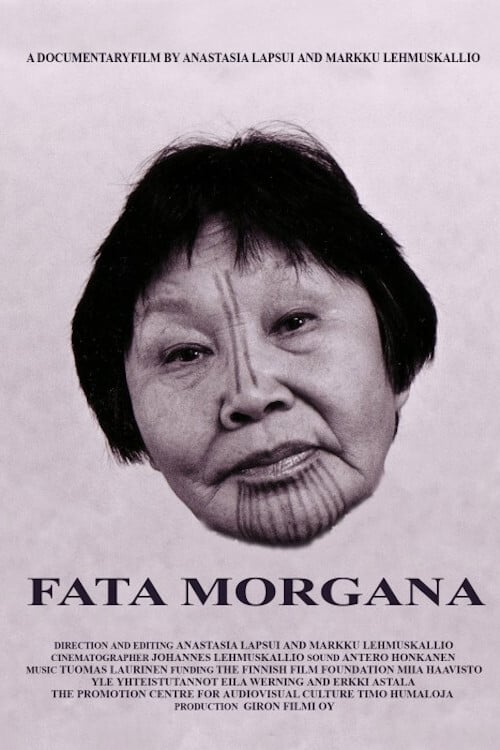
An elderly Nenets woman in teepee on northern Russia's Yamal Peninsula recounts her early life betrothed to a deity for the entertainment of a blind young girl. In the Nenets culture, a girl child can be married to holiest of holies, Num, before or after her birth. Lonely old Numd' Syarda (which means, literally, 'tied to Num') entertains the blind young Ilne ('giver of life') with stories of how she became one of these chosen few.
An anthology of stories about the indigenous Nenet peoples of the Northern Russian tundra, and how their way of life was disrupted by the advent of Soviet power.
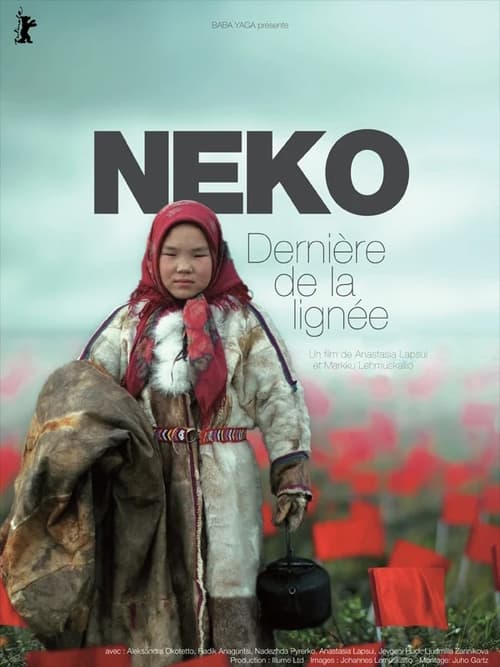
A little Nenets girl Neko is taken against her will from her home to a boarding school in a remote Russian village. Forced to adapt to a foreign culture and new customs, Neko rebels and decides to flee, hoping to get back to her family and old habits.