Acting
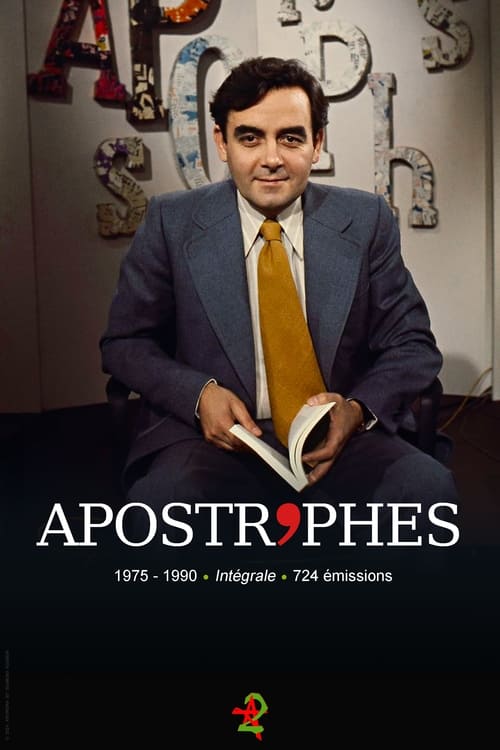
Apostrophes was a live, weekly, literary, prime-time, talk show on French television created and hosted by Bernard Pivot. It ran for fifteen years (724 episodes) from January 10, 1975, to June 22, 1990, and was one of the most watched shows on French television (around 6 million regular viewers). It was broadcast on Friday nights on the channel France 2 (which was called "Antenne 2" from 1975 to 1992). The hourlong show was devoted to books, authors and literature. The format varied between one-on-one interviews with a single author and open discussions between four or five authors.
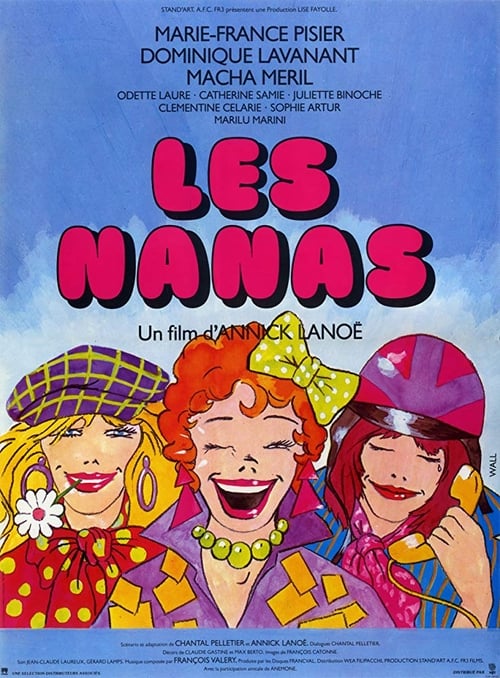
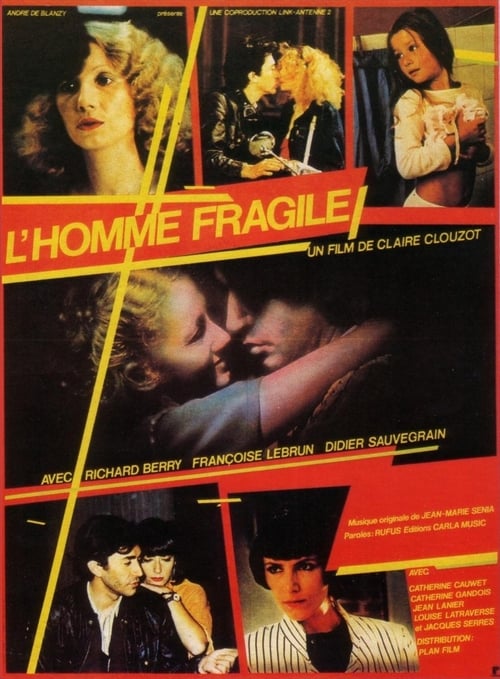
Focuses primarily on three women and the (unseen) man who goes in and out of their lives. One member of this trio is a saleswoman with an open relationship that suddenly closes when she learns that her lover has been unfaithful. It seems that he has dallied with a book-dealer (her nemesis) who ultimately does not propose as much of a threat to the disillusioned saleswoman as a certain actress. Along with these three are several other females who interact with the main protagonists. Set up more in the manner of a stage play with changing scenes and acts.
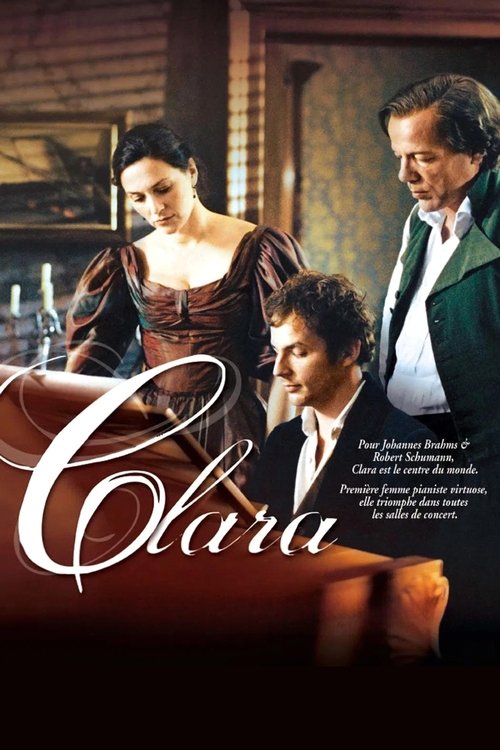
A look at the lives of 19th-century composers Clara and Robert Schumann.
Reel 5 of Gérard Courant's on-going Cinematon series.
Anne-Marie Stretter, the wife of a French diplomat in 1930s India, takes many lovers to relieve the boredom in her life.
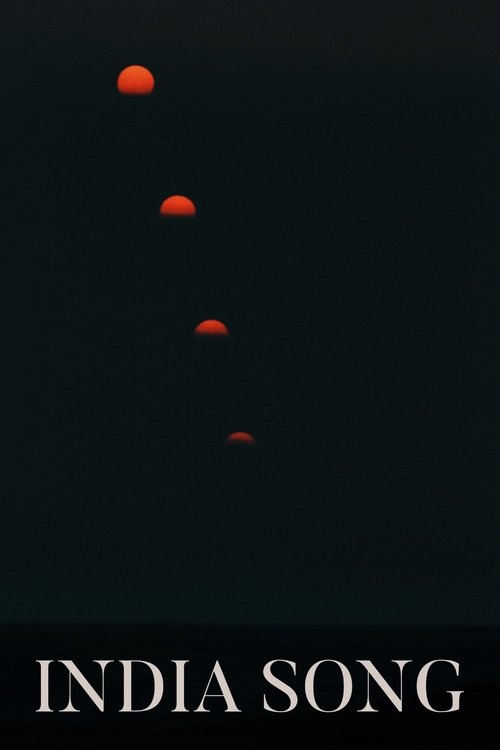
The full soundtrack to Marguerite Duras' 1975 film India Song, about a French ambassador's wife in 1930s India, is here repurposed with all new cinematography. As we hear all the dialogue of a bygone movie, we travel visually through images of absence and decay, bereft of life. It's the ghost of a film, and a further commentary on colonialism.
A poll for an advertising agency during a working day resulting in a series of meetings with women and men from different social strata, each one of them with a different problem.
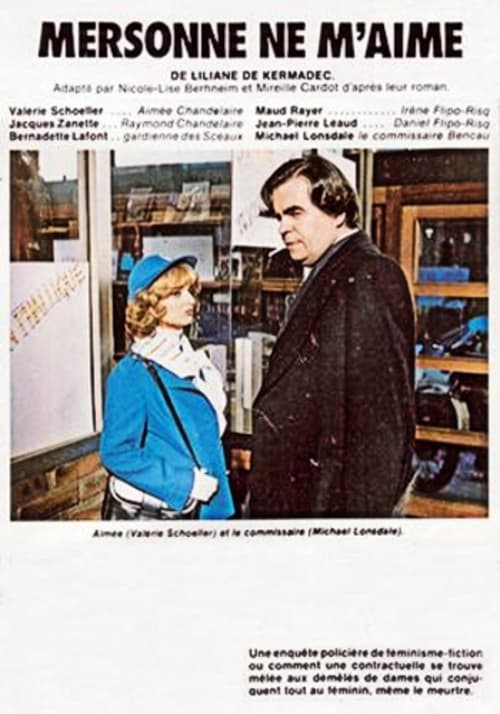
After a feminist is found murdered in her own home, a police detective investigates the crime with the help of several determined women.
A compelling investigation aimed at restoring the legacy of a fundamental yet often overlooked figure: Alice Guy, the first female director in history. Utilizing rare archival materials and staged scenes depicting moments from her life, the film traces the career of this pioneer who played a key role in the transition of cinema into a narrative medium. The work goes beyond celebrating her technical milestones —such as her early experiments with sound or the founding of an independent production company in the United States— to offer a sharp critique of the historical silence and erasure imposed on her work by scholars and film archives. Ultimately, the documentary serves as a necessary act of rediscovery to uncover the deep roots of female creativity in the cinematic world and challenges the traditional narratives that have long excluded women as active creative forces
A middle class leftist man of the Seventies decade, starting to show signs of aging and a loss of identity, runs away from his commitments.
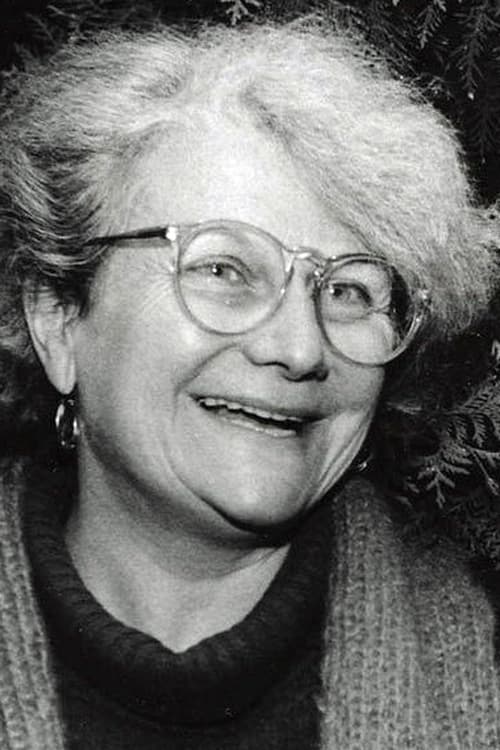
Portrait of Nicole-Lise Bernheim