FEEL IT.STREAM
Régis Debray

Régis Debray

Acting

Biography

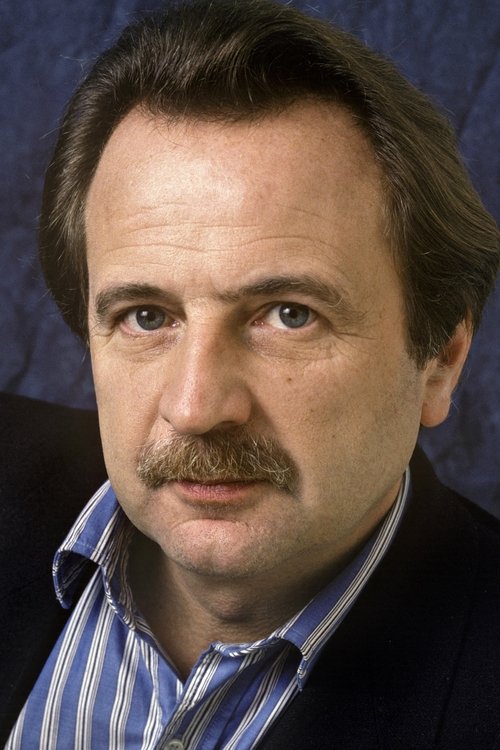
Jules Régis Debray (born 2 September 1940) is a French philosopher, journalist, former government official and academic. He is known for his theorization of mediology, a critical theory of the long-term transmission of cultural meaning in human society, and for associating with Marxist revolutionary Che Guevara in Bolivia in 1967 and advancing Salvador Allende's presidency in Chile in the early 1970s. He returned to France in 1973 and later held various official posts in the French government. Born in Paris, Régis Debray studied at the École Normale Supérieure as taught by Louis Althusser. He appeared as himself in the cinema verité movie Chronique d'un été by Jean Rouch and Edgar Morin in 1960. He became an "agrégé de philosophie" in 1965. During the late 1960s he was a professor of philosophy at the University of Havana in Cuba, and became an associate of Che Guevara in Bolivia. He wrote the book Revolution in the Revolution?, which analysed the tactical and strategic doctrines then prevailing among militant socialist movements in Latin America, and acted as a handbook for guerrilla warfare that supplemented Guevara's own manual concerning the topic. It was published in Cuba in the "Cuadernos" collection by Casa de las Americas in 1967, by Maspero in Paris, in New York (Monthly Review Press and Grove Press), Montevideo (Sandino), Milan (Feltrinelli), and Munich (Trikont). Guevara was captured in Bolivia in October 1967; on 20 April 1967 Debray had been arrested in the small town of Muyupampa, also in Bolivia. Convicted of having been part of Guevara's guerrilla group, Debray was sentenced on 17 November to 30 years in prison. He was released in 1970 after an international campaign for his release which included appeals by Jean-Paul Sartre, André Malraux, General Charles de Gaulle, and Pope Paul VI. He sought refuge in Chile, where he wrote The Chilean Revolution (1972) after interviews with Salvador Allende. Debray returned to France in 1973 following the coup by Augusto Pinochet in Chile. After the election in France of President François Mitterrand in 1981, he became an official adviser to the Président on Foreign Affairs. In this capacity he developed a policy that sought to increase France's freedom of action in the world, decrease dependence on the United States, and promote closeness with the former colonies. He was also involved in the development of the government's official ceremonies and recognition of the bicentennial of the French Revolution. He resigned in 1988. Until the mid-1990s he held a number of official positions in France, including an honorary counselorship at France's supreme administrative court, Conseil d'État. In 1996, he published a memoir of his life, translated into English as Régis Debray, Praised Be Our Lords (Verso, 2007). ... Source: Article "Régis Debray" from Wikipedia in English, licensed under CC-BY-SA 3.0.

Known For

Vivement dimanche
3.6

No description available.

Vivement dimanche

1998
Apostrophes
8.5

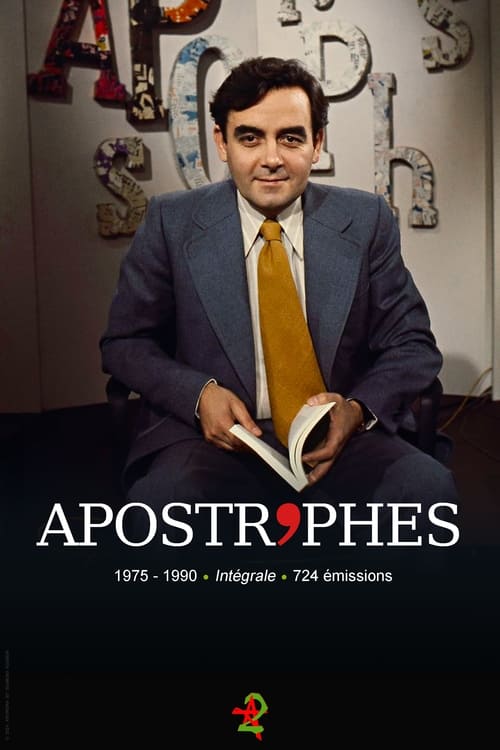
Apostrophes was a live, weekly, literary, prime-time, talk show on French television created and hosted by Bernard Pivot. It ran for fifteen years (724 episodes) from January 10, 1975, to June 22, 1990, and was one of the most watched shows on French television (around 6 million regular viewers). It was broadcast on Friday nights on the channel France 2 (which was called "Antenne 2" from 1975 to 1992). The hourlong show was devoted to books, authors and literature. The format varied between one-on-one interviews with a single author and open discussions between four or five authors.

Apostrophes

1975
World in Action
7.0

World in Action was Granada Television’s flagship ITV current affairs series, running from 7 Jan 1963 to 7 Dec 1998, and built a reputation for film-led investigative reporting and a forceful editorial stance. Its journalism produced major public and political repercussions—including investigations associated with miscarriages of justice such as the Birmingham Six—and it also served as a platform for landmark documentary projects, including the first broadcast of “Seven Up!” as part of the strand in 1964.

World in Action

1963
Chronicle of a Summer
7.2

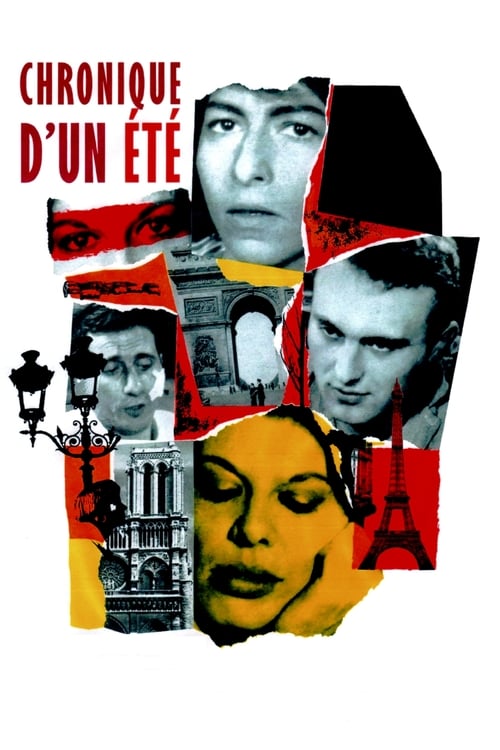
Paris, summer 1960. Anthropologist and filmmaker Jean Rouch and sociologist and film critic Edgar Morin wander through the crowded streets asking passersby how they cope with life's misfortunes.

Chronicle of a Summer

1961
Before What Comes After
5.9

In a kind of philosophical dialogue, Doctor Augustin Masset and renowned writer Fabrice Toussaint discuss life and death… A whirlwind of encounters in which the doctor is the guide and the writer, his passenger, led to confront his own fears and anxieties.

Before What Comes After

2025
Hôtel Terminus: The Life and Times of Klaus Barbie
7.1

Marcel Ophuls' riveting film details the heinous legacy of the Gestapo head dubbed "The Butcher of Lyon." Responsible for over 4,000 deaths in occupied France during World War II, Barbie would escape—with U.S. help—to South America in 1951, where he lived until a global manhunt led to his 1983 arrest and subsequent trial.

Hôtel Terminus: The Life and Times of Klaus Barbie

1988
World in Action: End of a Revolution
N/A

A World in Action documentary filmed in Bolivia immediately after Che Guevara’s death. Directed by Brian Moser, it documents the political aftermath and centers on the trial of Régis Debray, incorporating interviews conducted before the proceedings alongside testimony from Bolivian officials, the U.S. ambassador, and U.S. special forces personnel. (Note: Produced within World in Action, the film has a distinct title, subject, and on-location production and is documented in archives and film databases as a self-contained reportage work, justifying treatment as a separate film.)

World in Action: End of a Revolution

1967
Glauber Rocha - The Movie, Brazil's Labyrinth
6.3

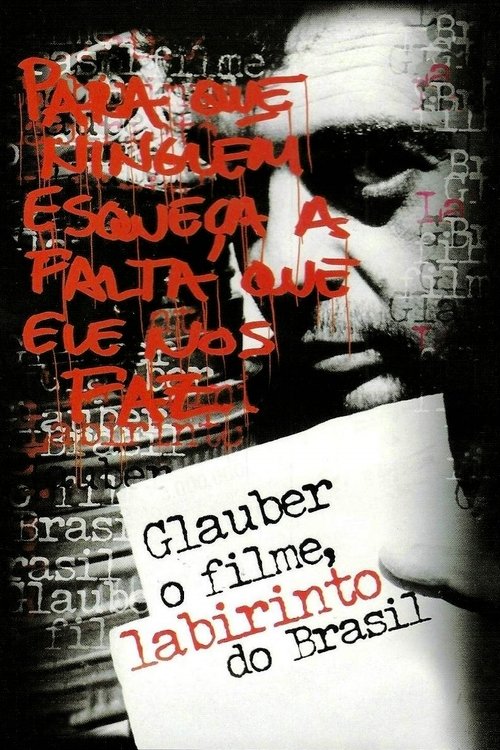
Documentary about Brazilian filmmaker Glauber Rocha, one of the most important names in the Cinema Novo, with interviews with some of his friends and colleagues.

Glauber Rocha - The Movie, Brazil's Labyrinth

2003
The Recourse to the Method
6.5

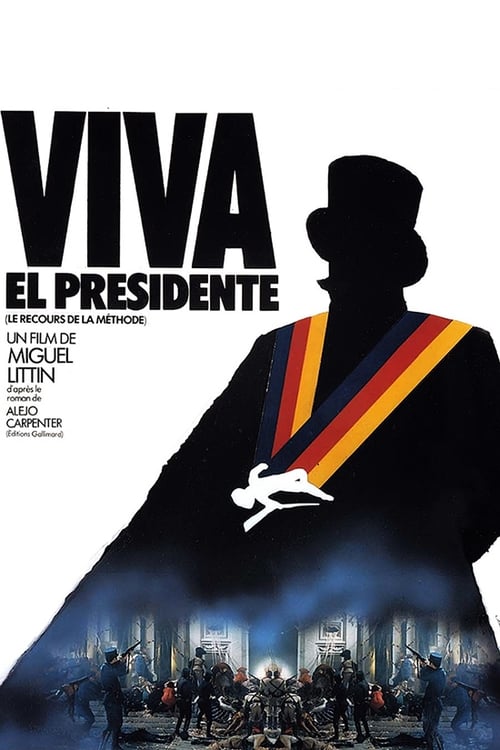
Set in the early 1900s, this film charts the rule of a Latin American dictator as he moves from being a charming despot to a tyrannical ruler before he is finally ousted, only to die in obscurity in Paris. Early in his regime, the resources and agricultural products his country sells command high prices, and he is a reasonably confident, even gentle, ruler who likes to take long vacations with his daughter in Paris. After World War I, with falling prices and a number of coup attempts behind him, his rule becomes quite cruel.

The Recourse to the Method

1978
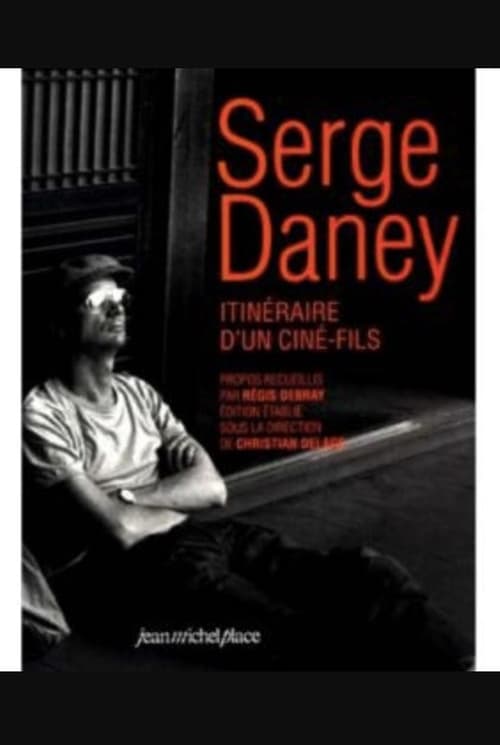
Journey of a “Cine-Son”
9.0

Serge Daney, the most influential film critic after André Bazin, interviewed by Régis Debray a few months before his death.

Journey of a “Cine-Son”

1992
Un été + 50
7.0

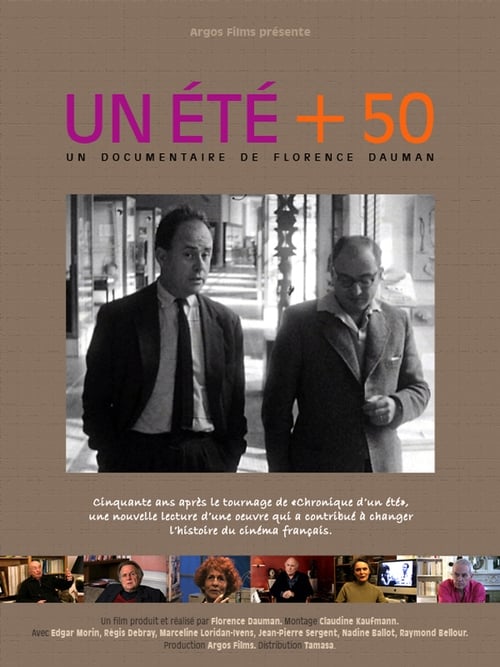
A seventy-five-minute documentary featuring outtakes from "Chronicle of a Summer" (1961), along with new interviews with co-director Edgar Morin and some of the film’s participants.

Un été + 50

2011
Señores coroneles, señores generales
N/A

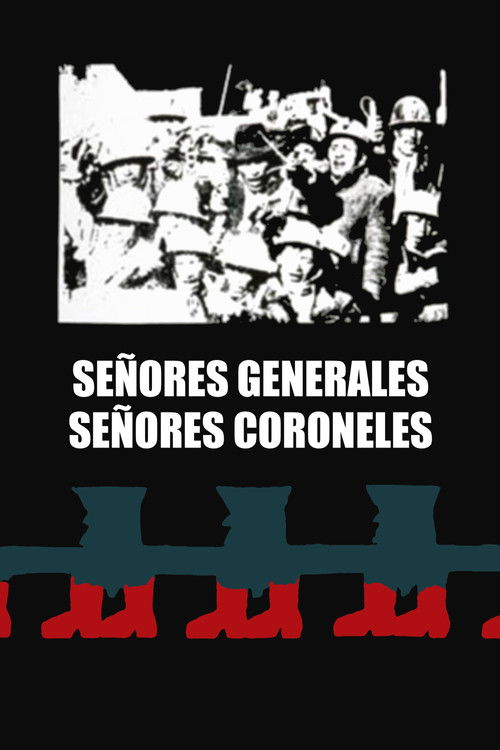
A plea against the government of General Hugo Banzer (1971-1978) and specifically against the Bolivian military during the seven-year dictatorship. Includes interviews with prominent politicians, union leaders, and former CIA agents, as well as with Régis Debray, advisor to President Mitterrand.

Señores coroneles, señores generales

1976
Compañero Presidente
7.6

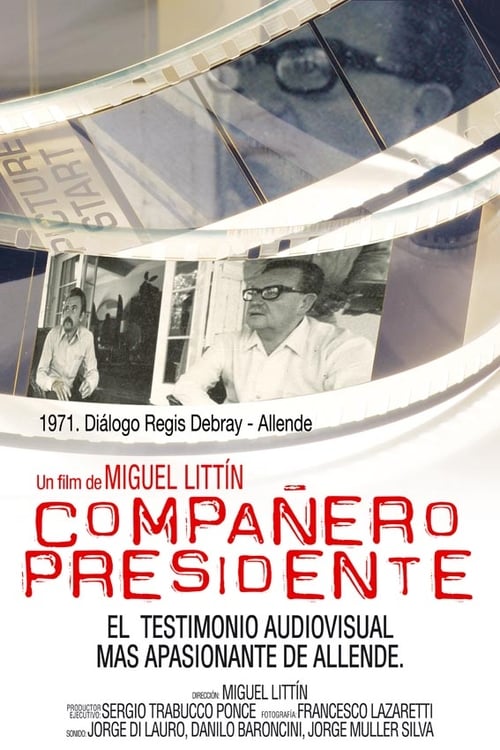
On January 4, 1971, an extensive dialogue takes place between the president of Chile Salvador Allende and the French intellectual Regis Debray, a discussion about the Chilean process towards the installation of a socialist government. Filmed by a team from Chilefilms, a state-owned company dedicated to the production of audiovisual works, it is a unique testimony to Allende's thinking in the first year of his government.

Compañero Presidente

1971
You Speak of Chile: What Allende Said
5.8

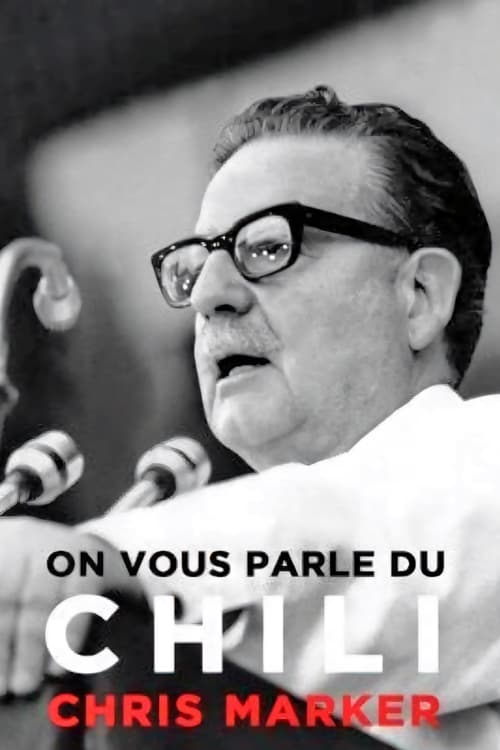
Salvador Allende interviewed by Régis Debray in 1971.

You Speak of Chile: What Allende Said

1973