FEEL IT.STREAM
J.T. Takagi

J.T. Takagi

Sound

Biography

J.T. Takagi is a third generation Japanese-American independent filmmaker who works as the Executive Director of Third World Newsreel, a media arts center in New York City. An award-winning filmmaker and sound recordist, Takagi’s directorial credits include The Women Outside, Community Plot, Homes Apart: Korea and Bittersweet Survival, the latter two made with Christine Choy. In addition to this, Takagi teaches at the City College of New York and the School of Visual Arts and works with several Asian American community groups.
Known For

POV
6.9

Since its 1988 premiere, this critically acclaimed documentary series has presented hundreds of films that put a human face on contemporary social issues by relating a compelling story in an intimate fashion. "POV" has won virtually every major film and broadcasting award available, including 38 Emmys, 22 Peabody Awards and three Oscars.

POV

1988
Working Girls
6.2

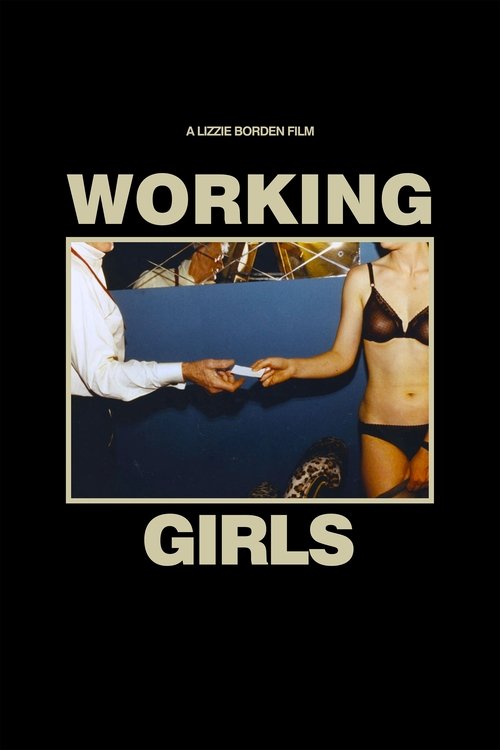
A lesbian college graduate, trying to bankroll her own photography business, works as a high-priced New York City escort.

Working Girls

1987
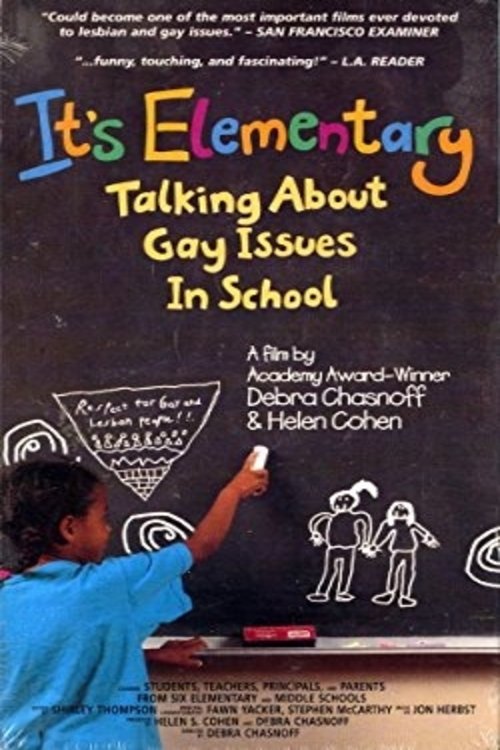
It's Elementary: Talking About Gay Issues in School
4.6

Depicts what happens when students K-8 discuss LGBT-related topics in age-appropriate ways. Shot in six public and private schools (in San Francisco and New York City, as well as Madison, Wisconsin, and Cambridge, Massachusetts), It’s Elementary models excellent teaching about family diversity, name-calling, stereotypes, community building, and more.

It's Elementary: Talking About Gay Issues in School

1996
Community Plot
N/A

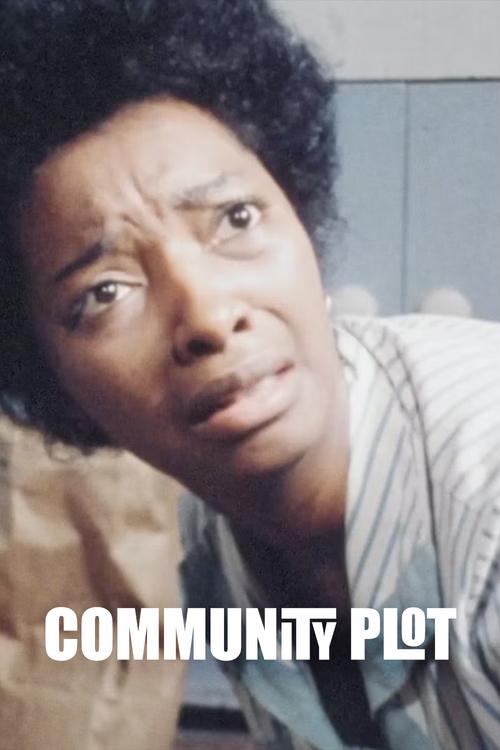
This satiric comedy takes place in a building on New York's multi-ethnic Lower East Side. Four neighbors form an uneasy alliance after a case worker from family court is accidentally killed in their building.

Community Plot

1984
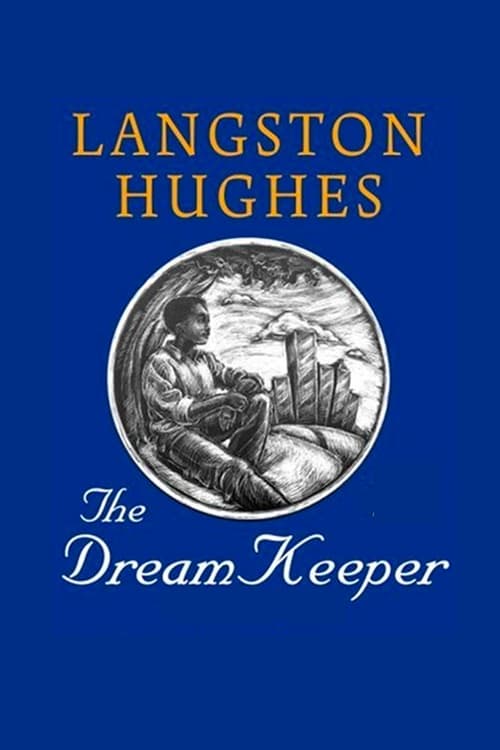
Langston Hughes: The Dream Keeper
N/A

One in a series of 13 documentaries on renowned American poets produced by the New York Center for Visual History. Described by director St. Clair Bourne as “a narrative performance documentary,” this category-defiant film on the life of poet and writer Hughes and the times in which he lived and worked moves from America to Senegal to Paris, from the 1920s Harlem Renaissance to the Black Pride awakening of the 1960s.

Langston Hughes: The Dream Keeper

1987
The Women Outside
1.0

They're called bar women, hostesses, or sex workers and "western princesses." They come from poor families, struggling to earn a decent wage, only to be forced into the world's oldest profession. They're the women who work in the camptowns that surround U.S. military bases in South Korea. In 40 years, over a million women have worked in Korea's military sex industry, but their existence has never been officially acknowledged by either government. In The Women Outside, a film by J.T. Orinne Takagi and Hye Jung Park, some of these women bravely speak out about their lives for the first time. The film raises provocative questions about military policy, economic survival, and the role of women in global geopolitics

The Women Outside

1996
Resistance at Tule Lake
N/A

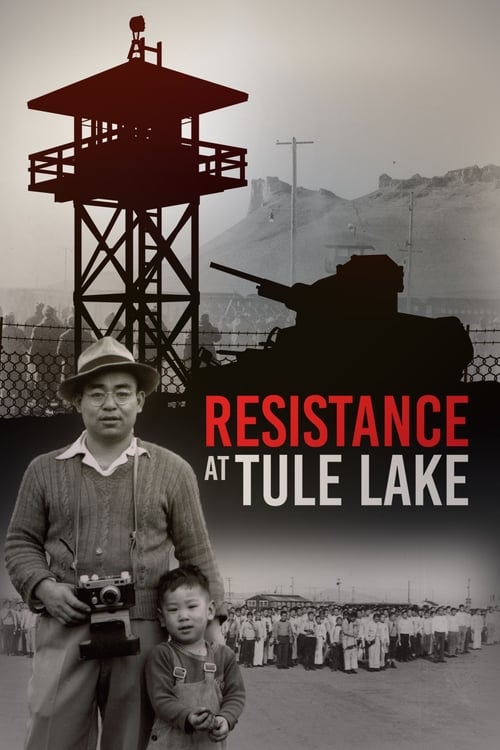
The long-suppressed story of 12,000 Japanese Americans who dared to resist the U.S. government's program of mass incarceration during World War II. Branded as 'disloyals' and re-imprisoned at Tule Lake Segregation Center, they continued to protest in the face of militarized violence, and thousands renounced their U.S. citizenship. Giving voice to experiences that have been marginalized for over 70 years, this documentary challenges the nationalist, one-sided ideal of wartime 'loyalty.'

Resistance at Tule Lake

2017
The Rise & Fall of Penn Station
9.5

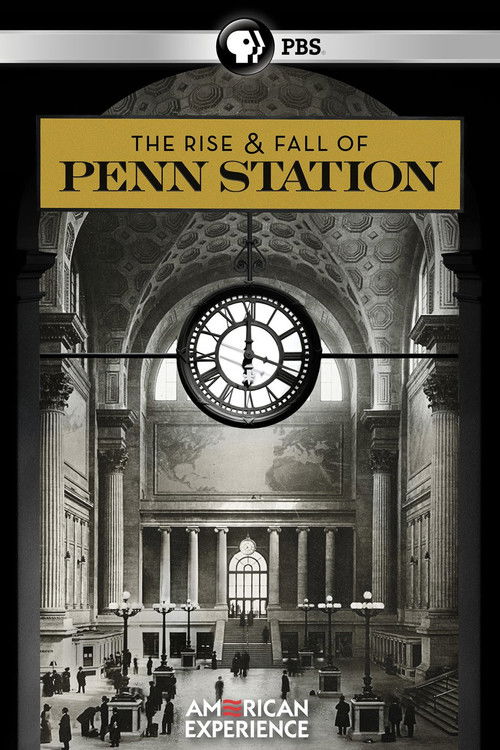
In 1910, the Pennsylvania Railroad successfully accomplished the enormous engineering feat of building tunnels under New York City's Hudson and East Rivers, connecting the railroad to New York and New England, knitting together the entire eastern half of the United States. The tunnels terminated in what was one of the greatest architectural achievements of its time, Pennsylvania Station. Penn Station covered nearly eight acres, extended two city blocks, and housed one of the largest public spaces in the world. But just 53 years after the station’s opening, the monumental building that was supposed to last forever, to herald and represent the American Empire, was slated to be destroyed.

The Rise & Fall of Penn Station

2004
Homes Apart: Korea
N/A

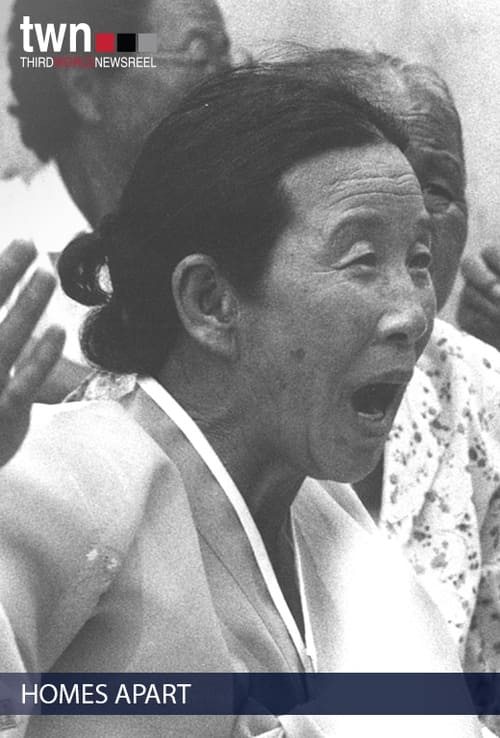
They speak the same language, share a similar culture and once belonged to a single nation. When the Korean War ended in 1953, ten million families were torn apart. By the early 90s, as the rest of the world celebrated the end of the Cold War, Koreans remain separated between North and South, fearing the threat of mutual destruction. Beginning with one man's journey to reunite with his sister in North Korea, filmmakers Takagi and Choy reveal the personal, social and political dimensions of one of the last divided nations on earth. The film was also the first US project to get permission to film in both South & North Korea.

Homes Apart: Korea

1991
Cousin Bobby
6.7

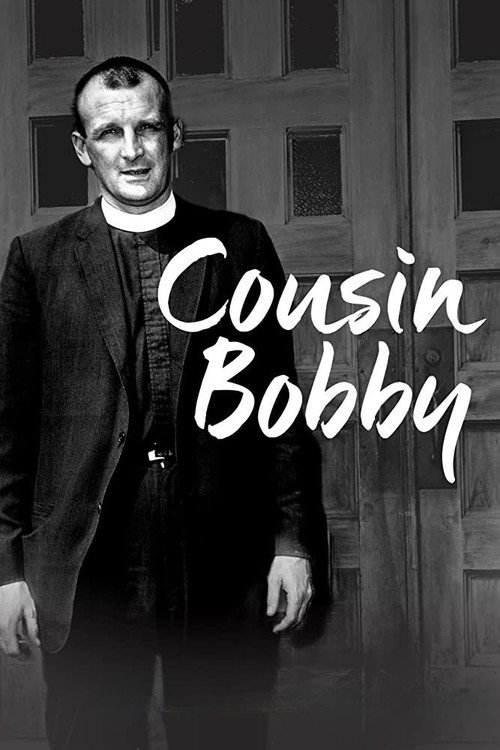
Robert Castle is the idealistic pastor of St. Mary's Episcopal Church in Harlem, and also the cousin of filmmaker Jonathan Demme. Demme's affectionate portrait of his cousin traces Castle's story, beginning with his first parish assignment, in New Jersey in the early 1960s, in an increasingly African-American-populated neighborhood rocked by violence and civil rights protests. The film raises intimate discussions of race, faith and family, while also showing Castle's daily routine as a pastor.

Cousin Bobby

1992
Stormé: Lady of the Jewel Box
5.2

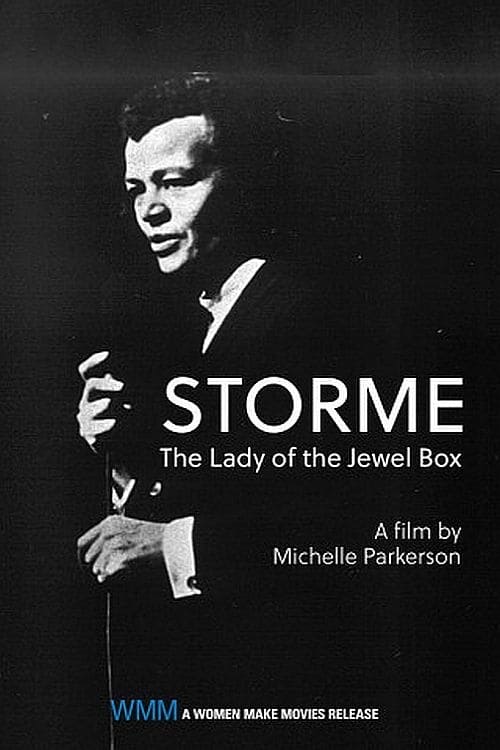
“It ain’t easy…being green” is the favorite expression of Stormé DeLarverie, a woman whose life flouted prescriptions of gender and race. During the 1950s and '60s she toured the black theater circuit as a mistress of ceremonies and the sole male impersonator of the legendary Jewel Box Revue, America’s first integrated female impersonation show and forerunner of La Cage aux Folles.

Stormé: Lady of the Jewel Box

1991
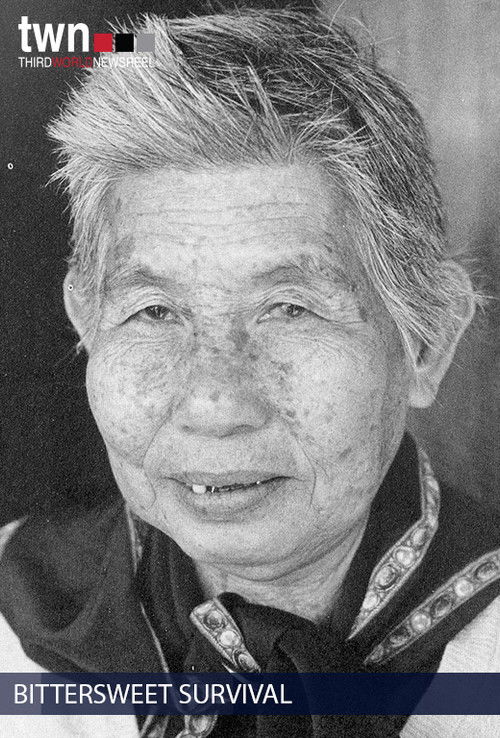
Bittersweet Survival: Southeast Asian Refugees in America
6.0

This documentary examines the re-settlement of South-East Asian refugees in the United States in the aftermath of the Vietnam War. The film begins with a montage of riveting footage depicting the devastating effects of the war. It then unveils the mixed reception given Vietnamese refugees in the United States, from battles with local fishermen in Monterey, California, to conflicts in Philadelphia where their arrival in the city's poorest neighborhoods kindled resentment in the Black community. The film also explores their struggle to cope with life in the U.S. and maintain their identity.

Bittersweet Survival: Southeast Asian Refugees in America

1982
Banished
7.5

A look at three U.S. cities, which were part of many communities that violently forced African American families to flee in post-reconstruction America.

Banished

2007
Azul
9.0

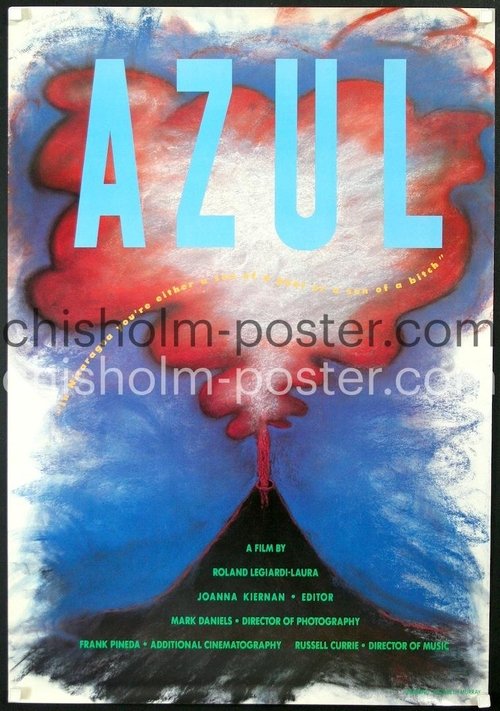
In 1988 it was exactly one hundred years ago that the Nicaraguan writer Ruben Dario published his first work. Azul was the first publication of modern poetry in the Spanish language. Legiarda-Laura has given the same title to his film, because he wanted to show the Nicaraguan poetic inheritance. 24 poems are read, interspersed with interviews and discussions. Thus, the cultural soul of Nicaragua is mapped out.

Azul

1990
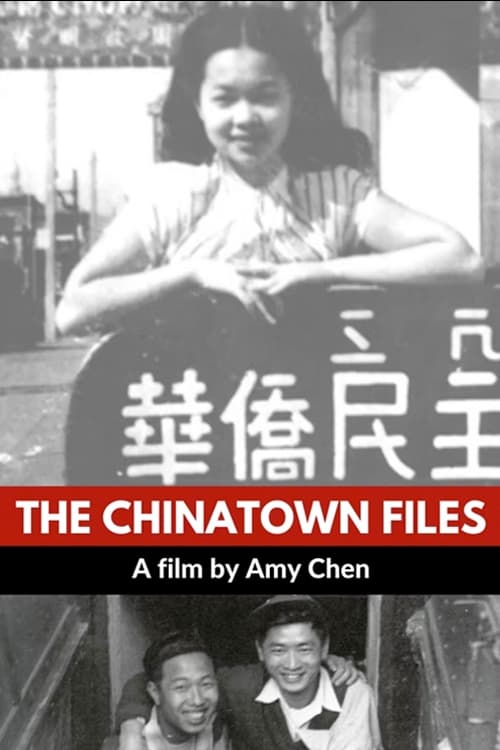
The Chinatown Files
N/A

This documentary brings to the public, for the first time, a story that was classified as secret by the US government for over four decades. Exploring the roots and legacy of the Cold War on the Chinese American community during the 1950s and the 1960s, it presents first hand accounts of seven men and women's experiences of being hunted down, jailed and targeted for deportation in America.

The Chinatown Files

2001
Namibia: Independence Now!
8.0

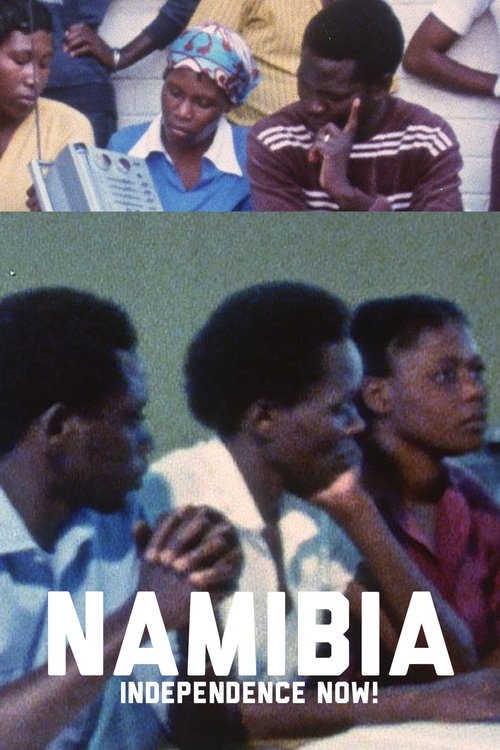
A revolutionary political moment is captured firsthand by two independent women filmmakers shooting inside refugee settlements in Zambia and Angola in 1985. Depicting the significant role of women in this struggle for independence, this film explores the lives of exiled women workers attempting to free their country from illegal exploitation.

Namibia: Independence Now!

1985
No image
N/A

TRYPTICH is set on the opening night of a new play when actor Franklin Samuels ponders his past and future within the depths of his creative mind. He conjures visions of an aspiring wnter and a young film director, both of whom encounter similar frustrations in pursuit of their goals. As the stage curtain opens and Samuels prepares to speak, he hesitates. Is this Samuels' story, or that of the writer, or is it the story of the film director? TRYPTICH is a film that moves through reality and fantasy, raising expectations, but offering no resolutions.

Tryptich

1978
No image
10.0

Every day, 500,000 people from 117 different countries ride a subway that runs from Flushing to Times Square, going through Queens, the most culturally diverse region in the United States. This documentary follows four immigrant passengers: a Korean who works in Harlem, two Otavalen street vendors who work near Chinatown, and a gay Pakistani sari salesman on Fifth Avenue. Their lives and their conflicted relationships with the city and its other residents are juxtaposed with the subway they take each day to Manhattan and their dreams for the future.

The #7 Train: An Immigrant Journey