Shigeru Kobayashi
Directing
Known For
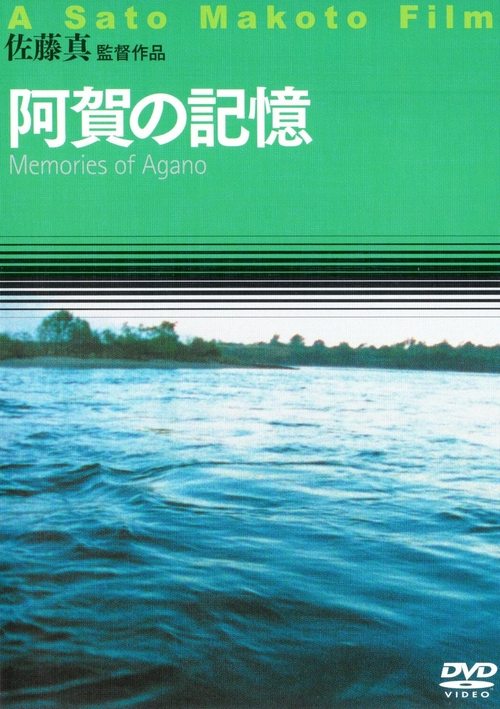
Satō Makoto discovered documentary film when he visited Minamata (well known as the former site of an environmental disaster) as a student, and worked on Katori Naotaka’s The Innocent Sea. While touring Japan with the film, he met people who lived by the polluted Agano River in Niigata and decided to make a film about them. Living there with seven crew members for three years, Living on the River Agano was completed in 1992 and showed people who live with the river and work in agriculture and fishing, quietly probing the cruelty of nature destroyed. Ten years later, and after attending several funerals of people who appeared in the first feature, the team returned to the area. The resulting film Memories of Agano is a ghostly poem on people, fields, stories, songs and buildings receding into absence, the power of images and the strength of sound to revive the past.
Memories of Agano
No description available.
Children in the Cosmos
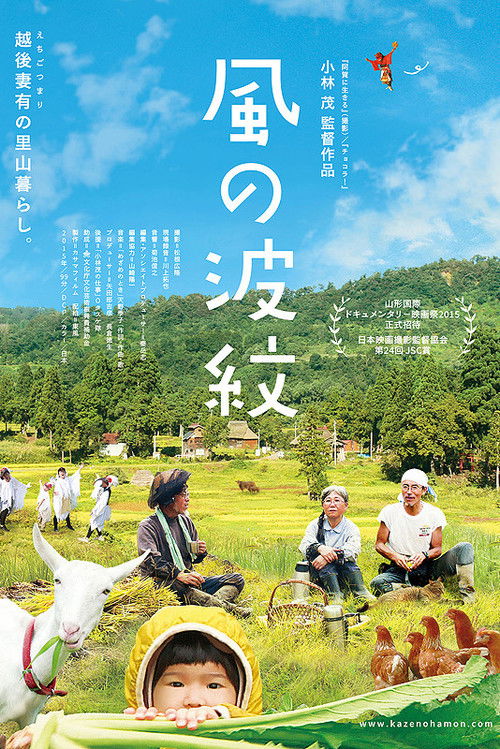
Ten years ago, the Kogures moved from Tokyo to a satoyama area (an area where traditional sustainable agriculture has been long practiced) in a snowy mountain village in Echigo-Tsumari where they repaired an old thatched farmhouse and began growing organic, pesticide-free rice. Their life may appear unrestrained and free of worldly cares but they cannot make it alone. All the work is done together with their cheerful neighbors. Then, in the spring of 2011, an earthquake strikes on the border of Nagano and Niigata prefectures. The Kogures’ house is destroyed, but they decide to rebuild. An adventure told in a fantastical tone that expresses the joy of living with a sometimes harsh natural world.
Dryads in a Snow Valley
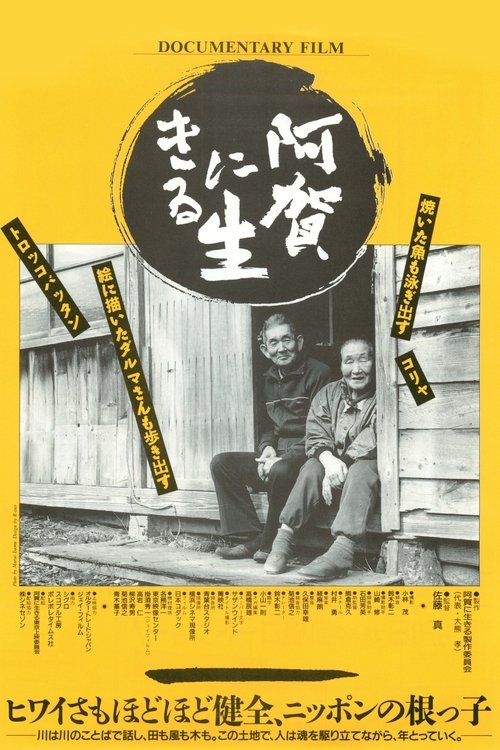
In 1964, a chemical factory in Niigata Prefecture dumped mercury into the Agano River, the beginning of a manmade tragedy that would affect locals for years to come. Mercury poisoning led to high occurrences of Minamata disease, a neurological syndrome that causes severe physical and psychological ailments and death. Sato Makoto and his crew of seven spent three years in Niigata documenting the life and thoughts of locals.
Living on the River Agano

The Number 2 Lake Biwa School has cared for severely physically handicapped children for over 40 years. The renovation of the old and crumbling facilities provided the inspiration for making this film, which mixes 16mm synch sound sequences of the lives of the people in the home and their families with 8mm footage from the time when the school was founded and the earlier years of some of the inhabitants. Each of the residents has a different story to tell. One of the long-term residents decides to leave the facility and move to a more independent halfway house set up by the residents, causing his parents to worry. Another resident is wholly dependent on an artificial respirator and can only communicate by moving his eyes. As the seasons change, so the small dramas in the school unfold.
And Life Goes On

Children living on the streets in the Republic of Kenya in East Africa collect garbage for a living. This documentary film features children who survive their severe conditions by helping each other out. A small city named Thika which is roughly an hour's drive from Nairobi, the capital of Kenya. The children referred to as "chokora" (meaning "to pick up" in Swahili), who make their living by picking up steel scraps and plastic pieces on the streets, sniff inhalant to escape from hunger and cold nights.
Chokora!
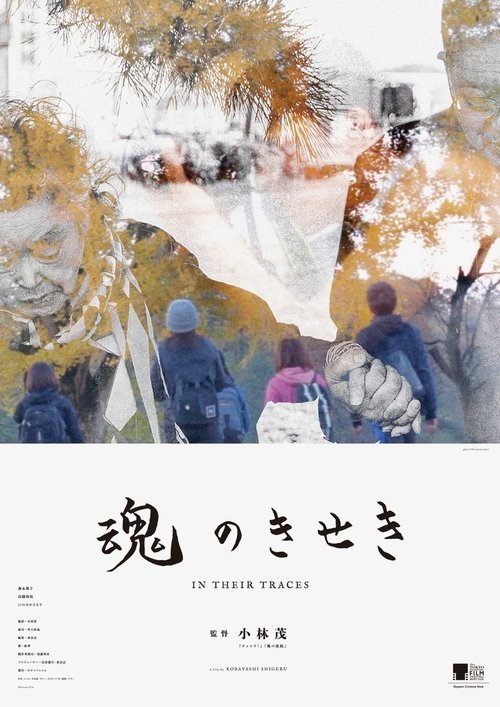
Sexual abuse has been characterized as a “murder of the spirit.” But is this a suffering that one person must bear alone? Beyond despair, there is hope, a faint ray of light from the spirit. A friend of the filmmaker suffers from PTSD, having flashbacks of sexual abuse. Having witnessed this, the filmmaker meets a photographer who is also a survivor and decides to make a film. The long production process lasted eight years. What is the nature of the despair, and the hope, that reside deep within these people suffering from PTSD conditions including regret, murderous impulses, depression, insomnia, detachment, and suicidal thoughts? The director appears on screen, questioning the very meaning of making this film. He tries to see light in how they live, looking upward from the depths of suffering.
In Their Traces
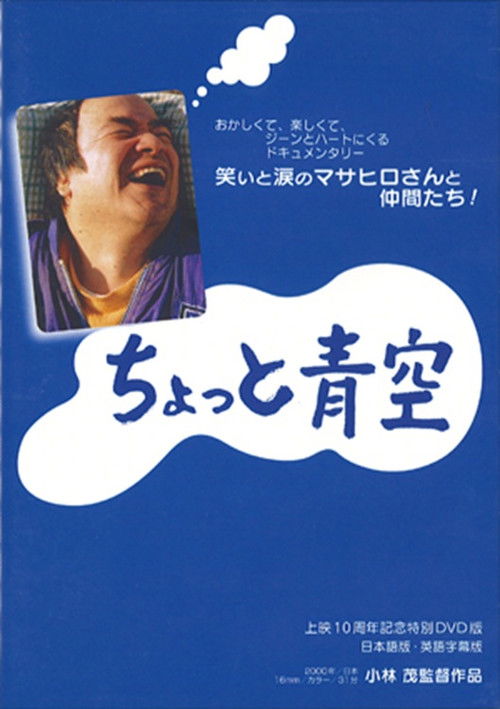
After leaving a public nursing home, Sato Masahiro lives alone in Sapporo but has such serious impairments that he requires 24-hour assistance. For that purpose, 40 social workers and volunteers come each week. The camera follows Masahiro’s life and depicts the people surrounding him. A joyful, fun and touching documentary.