Acting
Quand la belle Kanako, lycéenne populaire et sans histoire disparaît, sa mère fait appel à son ex mari, flic alcoolique, pour qu’il retrouve leur fille. Mais celui-ci va découvrir que sous les apparences, l’univers de l’adolescente est plus trouble qu’il n’y paraît…
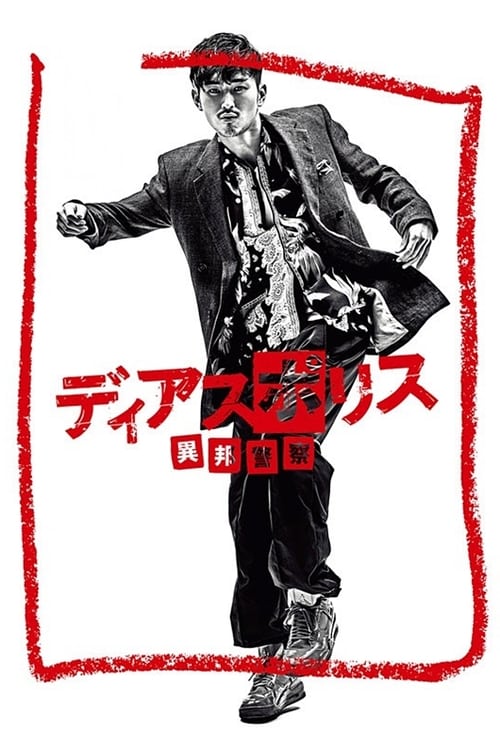
Environ 150 000 personnes en situation irrégulière vivent à Tokyo. Ils ne sont pas reconnus comme des réfugiés et vivent dans de mauvaises conditions. Pour se protéger, les clandestins créent une organisation secrète. Cette organisation comprend une banque à laquelle l'Agence japonaise des services financiers n'est pas associée, un hôpital qui n'est pas autorisé par le ministère japonais de la Santé, du Travail et des Affaires sociales et une force de police pour clandestins appelée "Dias Police". Le seul officier de police de l'organisation est Saki Kubozuka. Son âge et sa nationalité sont inconnus. Saki Kubozuka ne parle pas beaucoup, mais il a un cœur chaleureux et un fort sens de la justice. Il prend soin des faibles et essaie de maintenir l'ordre public.
Aucune description disponible.